
What is a woodcut?
- Show All
- Established
- Discoveries
- Show All
Artworks Related to Woodcut
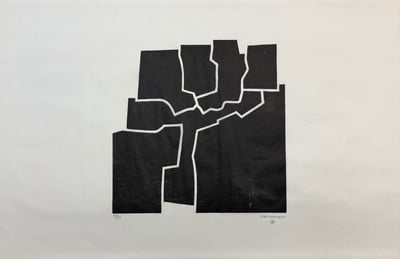
Eduardo Chillida
Beltza V, 1969
Limited Edition Print
Woodcut
EUR 6,250

Eduardo Chillida
Beltza IV, 1969
Limited Edition Print
Woodcut
EUR 6,250
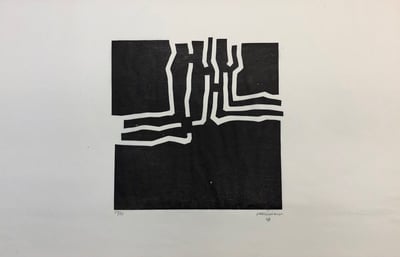
Eduardo Chillida
Beltza III, 1969
Limited Edition Print
Woodcut
EUR 6,250

Eduardo Chillida
Beltza II, 1969
Limited Edition Print
Woodcut
EUR 6,250
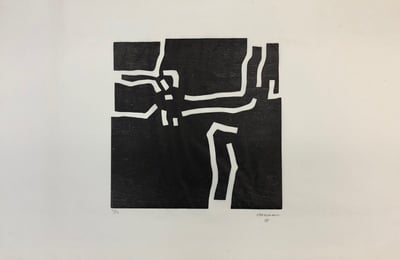
Eduardo Chillida
Beltza I, 1969
Limited Edition Print
Woodcut
EUR 6,250
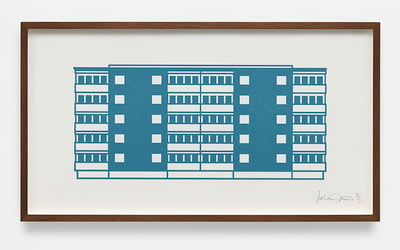
Julian Opie
Apartment 1, 2021
Limited Edition Print
Woodcut
USD 1,950
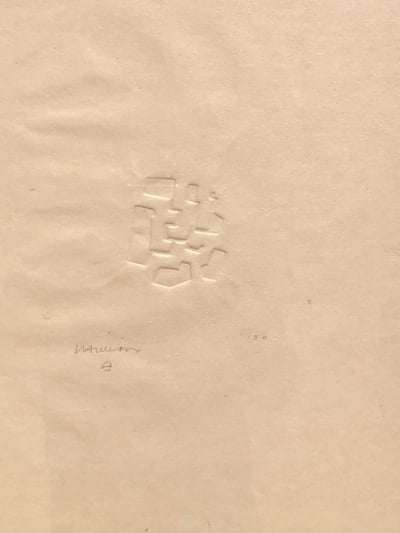
Eduardo Chillida
Mas Allá II, 1973
Limited Edition Print
Woodcut
EUR 3,750
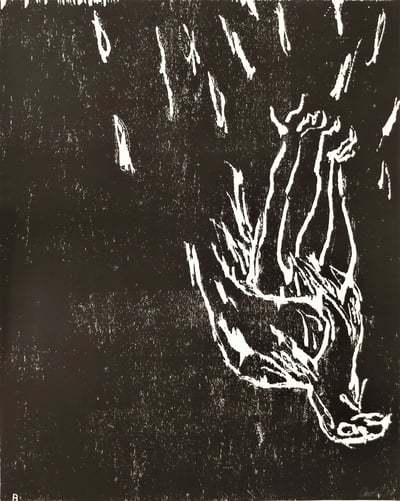
Georg Baselitz
Adler (Eagle) 1, 1981
Limited Edition Print
Woodcut
Inquire For Price
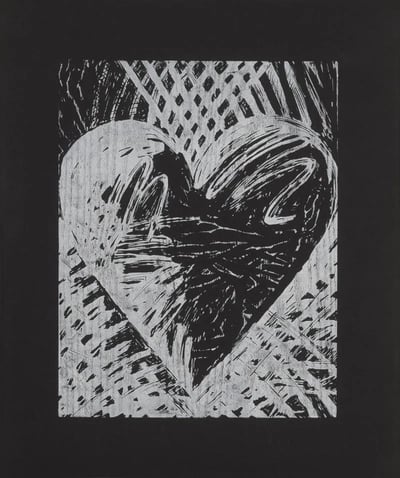
Jim Dine
A Night Woodcut, 1982
Limited Edition Print
Woodcut
Inquire For Price
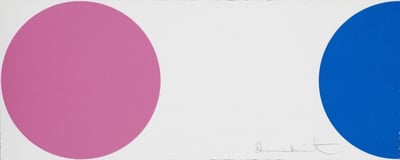
Damien Hirst
Quinizarian, 2011
Limited Edition Print
Woodcut
GBP 15,750
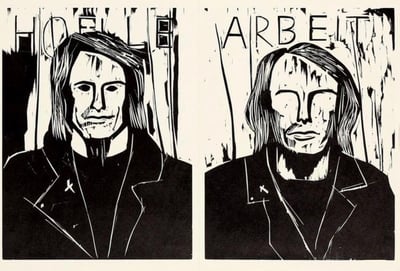
Albert Oehlen
Hoelle/Arbeit, 1989
Limited Edition Print
Woodcut
Currently Not Available
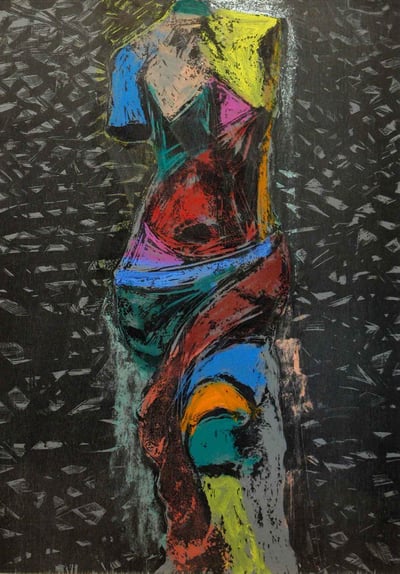
Jim Dine
Nine Views of Winter, 1985
Limited Edition Print
Woodcut
USD 24,950
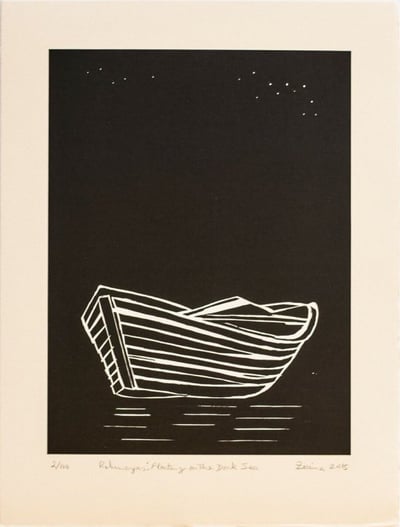
Zarina Hashmi
Rohingyas: Floating On The Dark Sea, 2015
Limited Edition Print
Woodcut
Currently Not Available
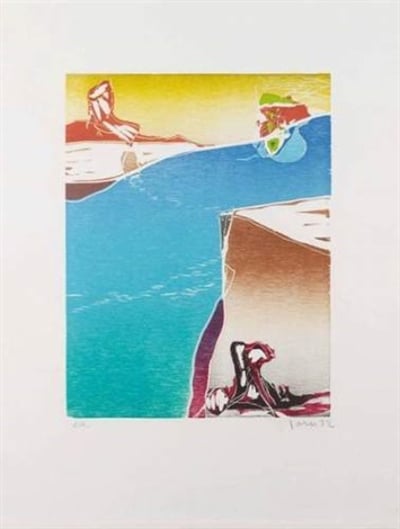
Asger Jorn
Dans le Sillage d’if-Aube, 1971
Limited Edition Print
Woodcut
Currently Not Available
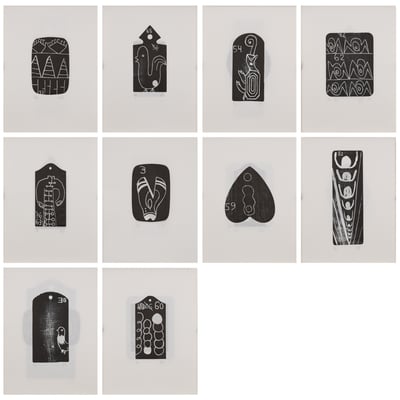
Tal R
Almanach (67 prints), 2015
Limited Edition Print
Woodcut
EUR 35,000
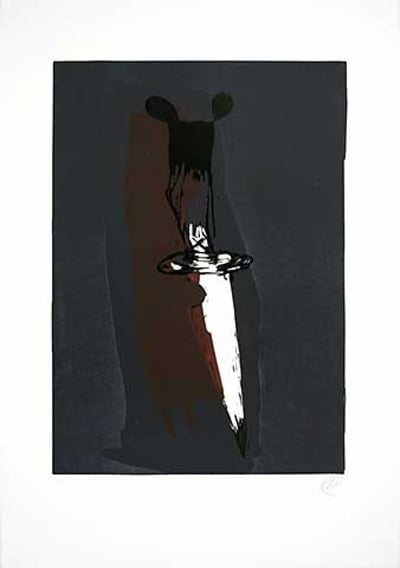
Markus Lupertz
Versteinerte Tropfen II
Limited Edition Print
Woodcut
EUR 2,200
Related Articles
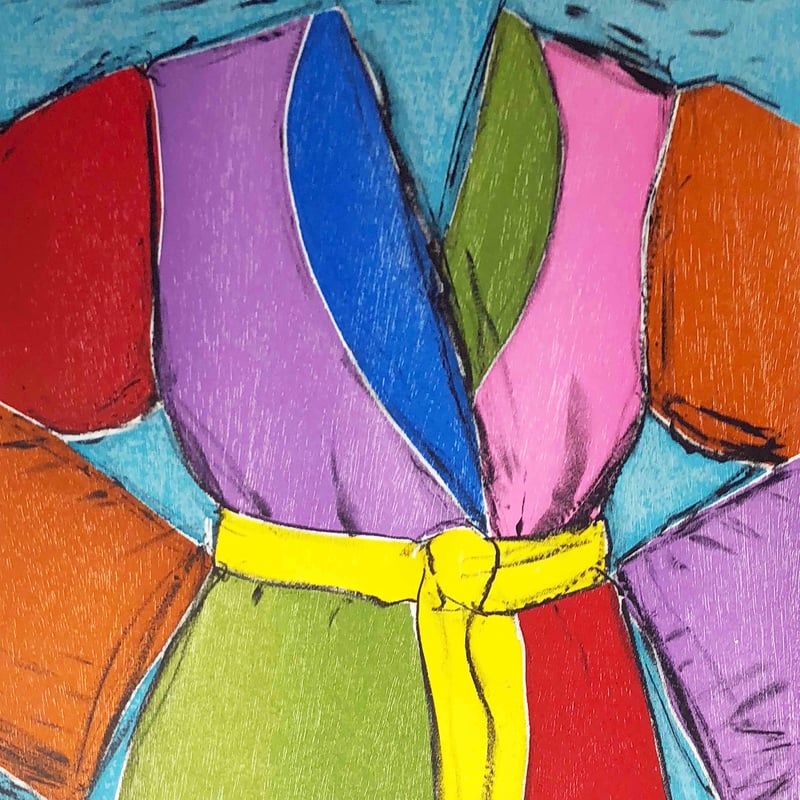
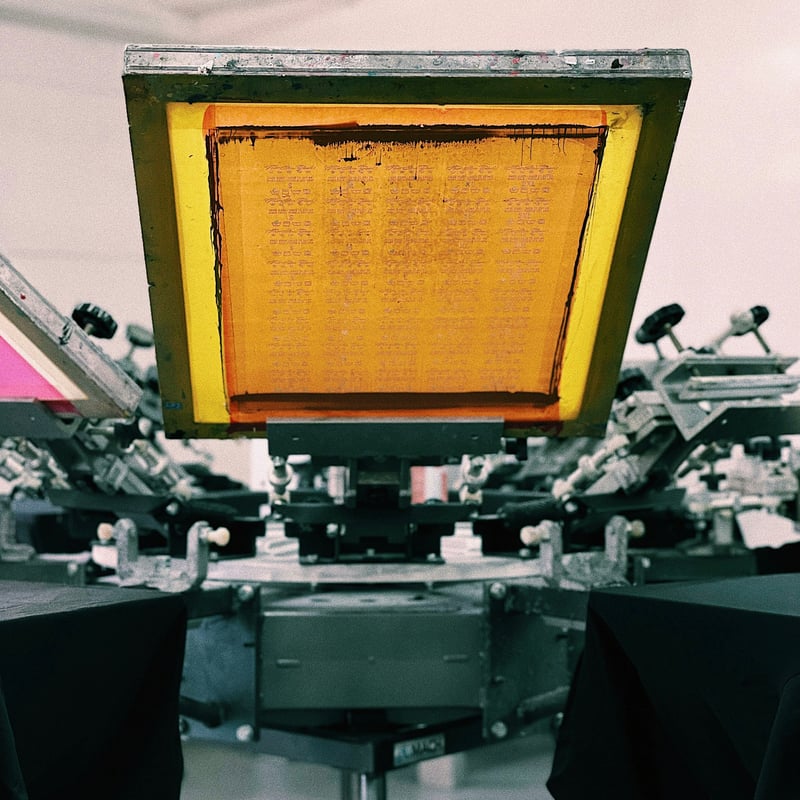

Surrealism began in the 1920s as an art and literary movement with the goal of revealing the unconscious mind and unleashing the imagination by exploring unusual and dream-like imagery. Influenced by Sigmund Freud’s theories of psychoanalysis, Surrealist artists and writers sought to bring the unconscious into rational life, blurring the lines between reality and dreams. The movement aimed to challenge conventional perceptions and express the irrational aspects of the human experience.

A watermark is an image or pattern embedded into a sheet of paper during the papermaking process. Each papermaker includes a faint trademark, which becomes visible when the paper is held up to a light source. Watermarks serve as a mark of authenticity and are used for identification, often carrying historical significance in determining the origin and age of the paper.

An artist proof traditionally refers to a print impression taken during the printing process to evaluate the current state of the artwork as the artist works on the plate. These proofs often show incomplete images and are sometimes called trial impressions or working proofs. However, in modern practice, an artist proof typically refers to an impression of the finished work that is identical to the numbered edition copies but is set aside for the artist's personal use. Artist proofs are usually marked A.P. and may be considered more valuable by collectors due to their limited availability.
Can't find your Answer?
Thank you! Your question has been sent — we'll get back to you shortly.
