
Schwarz/Grün, 2000
Form
Medium
Size
- Inches
- Centimeters
Edition
Price
- Authenticity Guaranteed
- Insured Shipping
- Online Since 2005
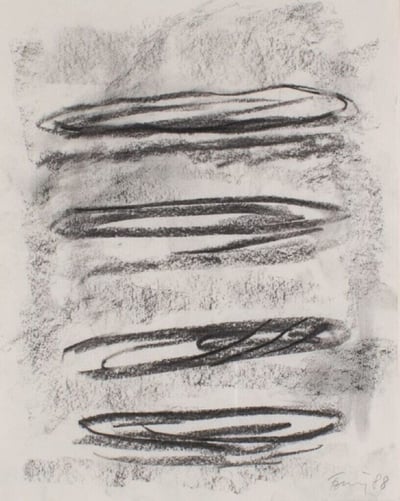
Gunther Forg
Untitled, 1988
Drawing / Watercolor
Charcoal
Inquire For Price
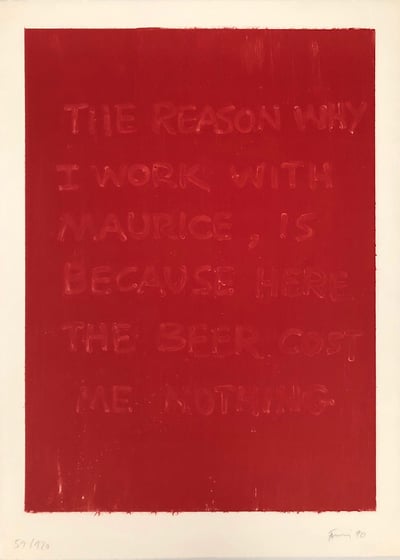
Gunther Forg
The Reason Why I Work With Maurice, is Because Here the Beer Cost Me Nothing, 1990
Limited Edition Print
Lithograph
USD 6,000
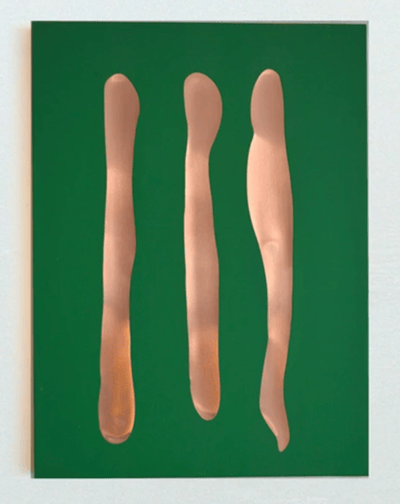
Gunther Forg
Mr Green, 2002
Limited Edition Print
Mixed Media
EUR 4,500 – 7,000
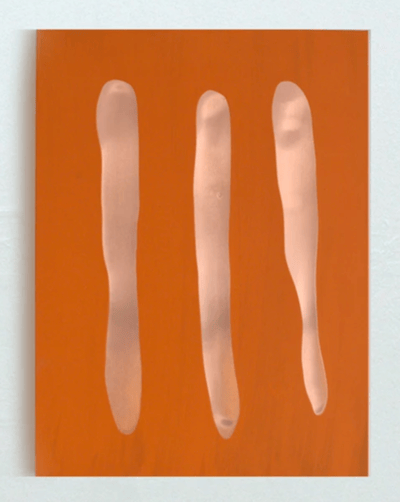
Gunther Forg
Mr Orange, 2002
Limited Edition Print
Mixed Media
EUR 4,500 – 7,000
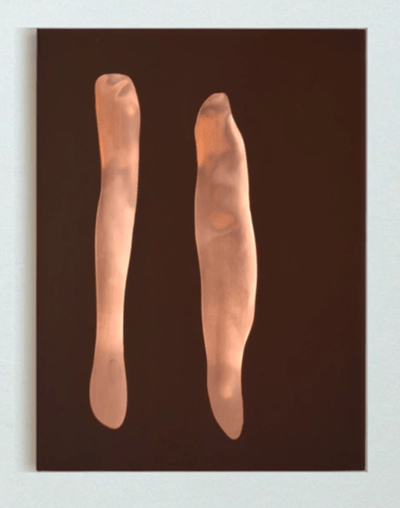
Gunther Forg
Mr Brown, 2002
Limited Edition Print
Mixed Media
EUR 4,500 – 7,000
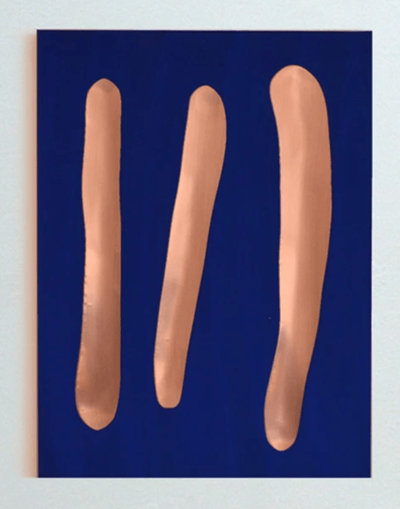
Gunther Forg
Mr Blue, 2002
Limited Edition Print
Mixed Media
EUR 4,500 – 7,000
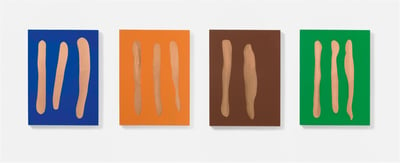
Gunther Forg
Mr. Blue, Mr. Orange, Mr. Brown, Mr. Green, 2002
Limited Edition Print
Mixed Media
EUR 18,500 – 23,000
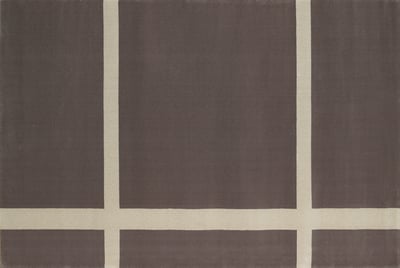
Gunther Forg
Teppich 3, 2006
Tapestry
Tapestry
EUR 7,500
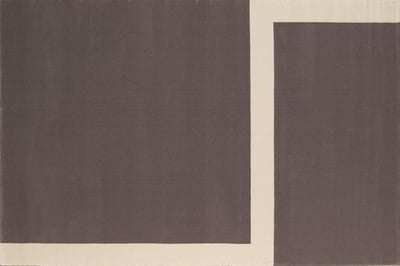
Gunther Forg
Teppich I, 2006
Tapestry
Tapestry
EUR 7,500
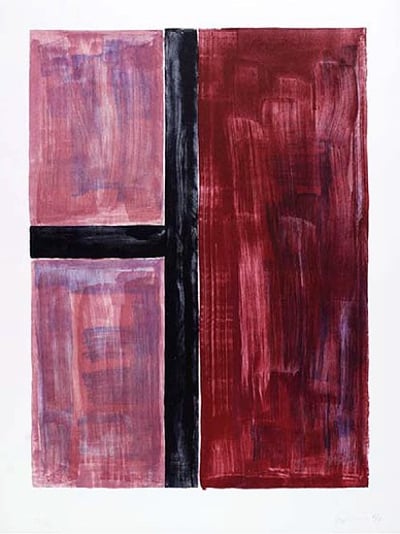
Gunther Forg
Ohne Titel (red squares), 2004
Limited Edition Print
Lithograph
EUR 1,600
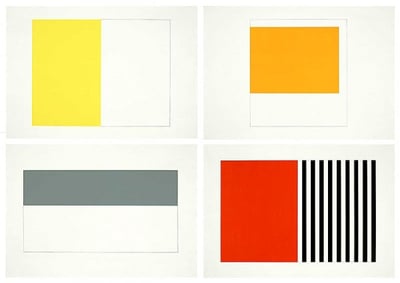
Gunther Forg
Wandmalereien Bern
Limited Edition Print
Silkscreen
Currently Not Available
Gunther Forg
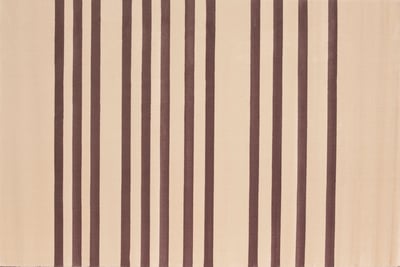
Teppich 2, 2006
Tapestry
Tapestry
Currently Not Available
Related Artists
Related Articles
Popular, News, Artists - February 27, 2026
The Sovereign Self: Tracey Emin’s A Second Life at Tate Modern (2026) and the Evolution of a Global Market
Tracey Emin’s A Second Life at Tate Modern (2026) redefines her legacy, signaling institutional canonisation and a maturing global market.Read More
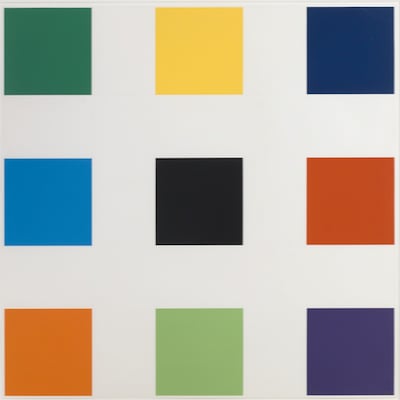
What is Hard Edge Art?
Hard Edge art is a style of abstract painting that became popular in the 1960s. It features areas of color separated by crisp, sharp edges that are painted with geometric precision. The term hard-edge painting was coined by art critic Jules Langsner to describe this approach, which contrasts with the softer, more fluid forms of other abstract styles.


