
What is Surrealism?
- Show All
- Established
- Discoveries
- Show All
Artworks Related to Surrealism
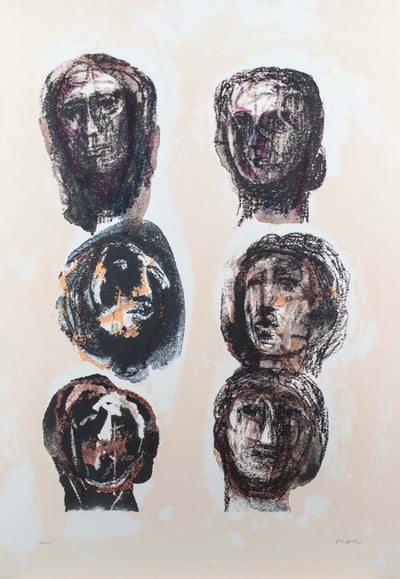
Henry Moore
Six Heads Olympians, 1982
Limited Edition Print
Lithograph
Inquire For Price
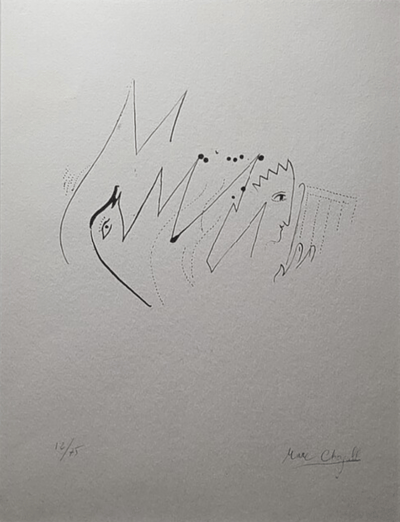
Marc Chagall
David and Bathsheba, 1956
Limited Edition Print
Lithograph
EUR 4,550
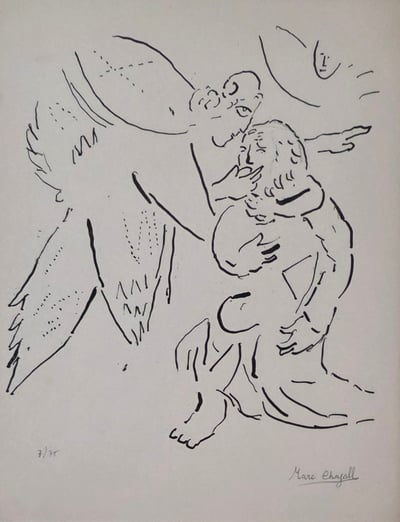
Marc Chagall
Isaiah Divinely Inspired, 1956
Limited Edition Print
Lithograph
EUR 4,800
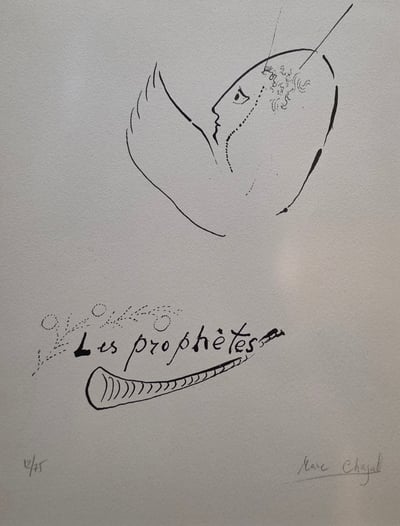
Marc Chagall
The Prophets, 1956
Limited Edition Print
Lithograph
EUR 4,550
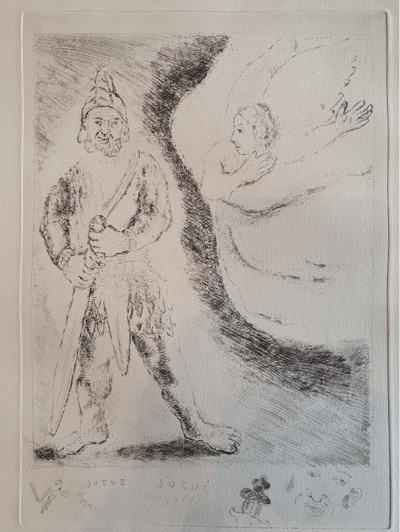
Marc Chagall
Passage du Jourdain, 1956
Limited Edition Print
Etching
EUR 16,000
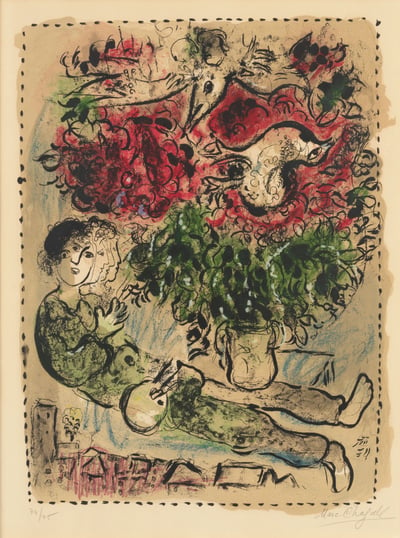
Marc Chagall
Le Bouquet du Peintre (Mourlot 483), 1967
Limited Edition Print
Lithograph
USD 17,500
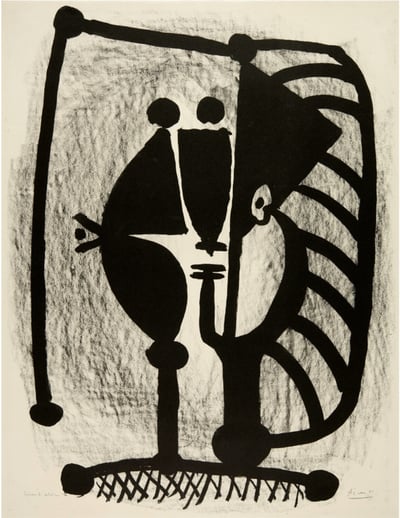
Pablo Picasso
Figure, 1948
Limited Edition Print
Lithograph
USD 52,500
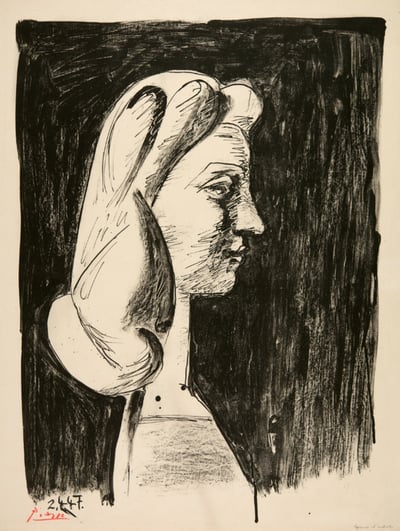
Pablo Picasso
Grand Profil, 1947
Limited Edition Print
Lithograph
USD 35,000
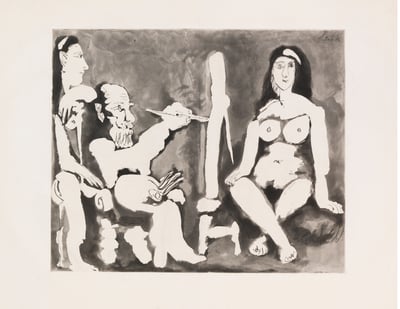
Pablo Picasso
Peintre et Modèle avec une Spectatrice au Bandeau, 1963
Limited Edition Print
Etching and Aquatint
USD 12,850
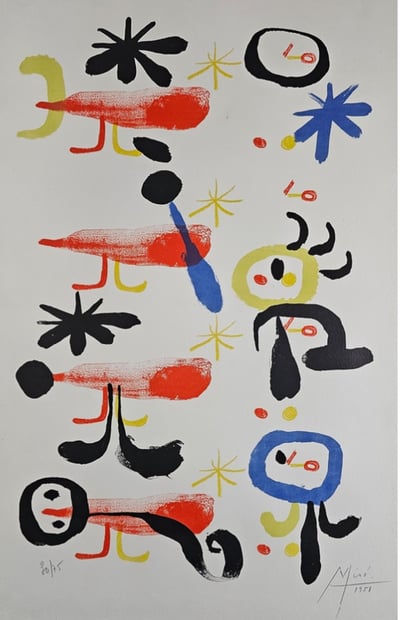
Joan Miró
Les Oiseleurs I, 1951
Limited Edition Print
Lithograph
USD 18,500
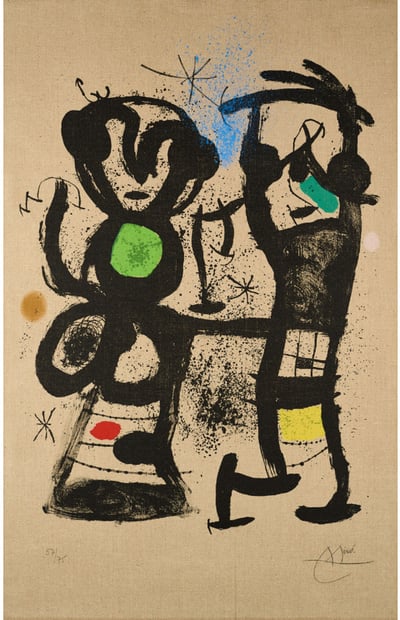
Joan Miró
La Conversation, 1969
Limited Edition Print
Lithograph
USD 25,000
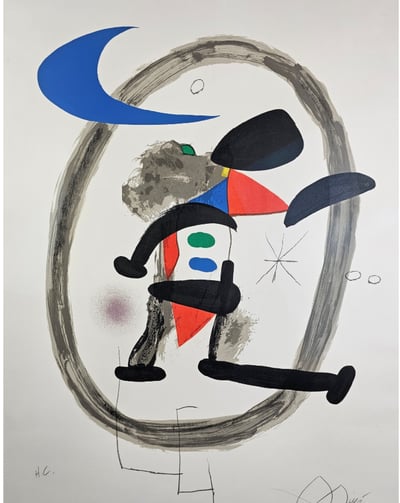
Joan Miró
Arlequin Circonscrit, 1973
Limited Edition Print
Lithograph
USD 15,000
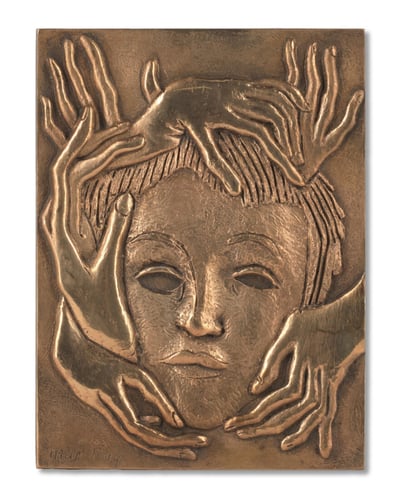
Man Ray
Masque, 1971
Sculpture / Object
Bronze
USD 9,750
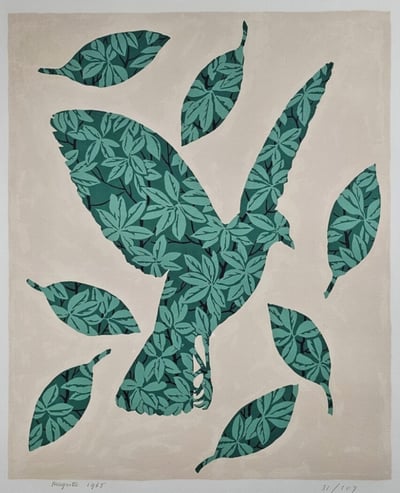
Rene Magritte
Salon de Mai, 1965
Limited Edition Print
Lithograph
EUR 37,000
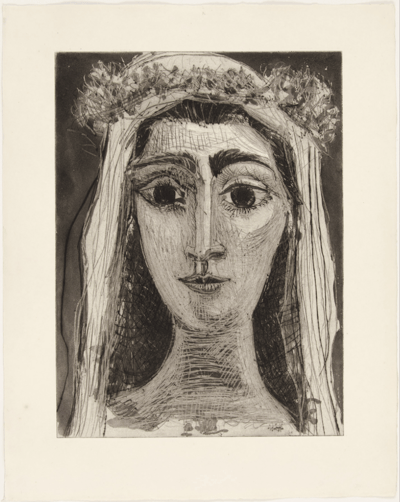
Pablo Picasso
The Face of Jacaueline, 1961
Limited Edition Print
Mixed Media
Inquire For Price
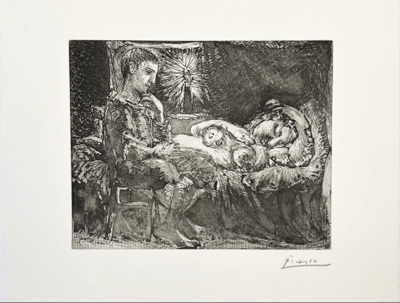
Pablo Picasso
Boy and Sleeping Girl with Candle, 1934
Limited Edition Print
Mixed Media
Inquire For Price
Related Articles

Textile refers to a flexible material made by weaving, felting, crocheting, knitting, or knotting long strands of natural or synthetic yarn or thread. Textile artists often create their own materials or use selected textiles in fabric art compositions, incorporating a wide range of textures and patterns.

Oil on board is a painting technique where oil paint is applied to either wood panels that have been sanded and primed or high-density cardboard covered with canvas. These surfaces offer the advantage of being more compact for storage compared to traditional stretched canvas on frames, while still providing a stable surface for painting.

A replica is a copy of an artwork that is so precisely made that it is nearly indistinguishable from the original. Artists may create replicas of their own work, or replicas can be produced for educational purposes, preservation, or display when the original cannot be shown. While replicas aim to closely mimic the original, they are usually identified as reproductions rather than original works.
Can't find your Answer?
Thank you! Your question has been sent — we'll get back to you shortly.
