
What is Surrealism?
- Show All
- Established
- Discoveries
- Show All
Artworks Related to Surrealism
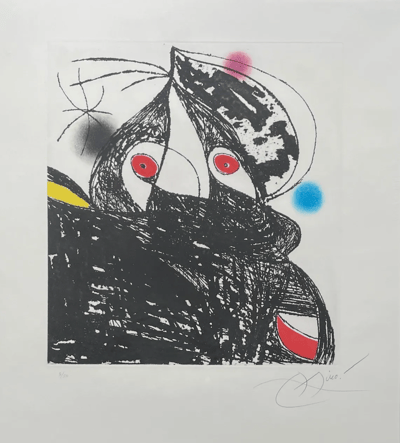
Joan Miró
Personnage Romantique, 1975
Limited Edition Print
Etching and Aquatint
EUR 9,000
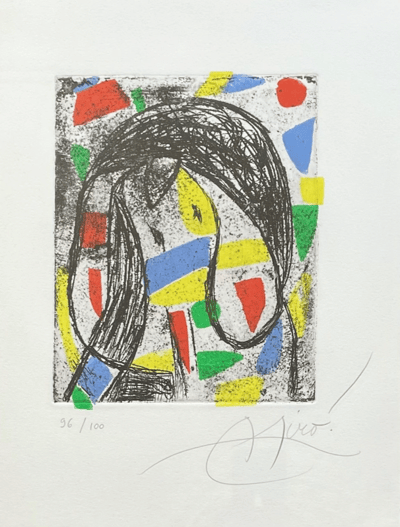
Joan Miró
La Revolte des Caracteres, 1982
Limited Edition Print
Etching
EUR 7,800
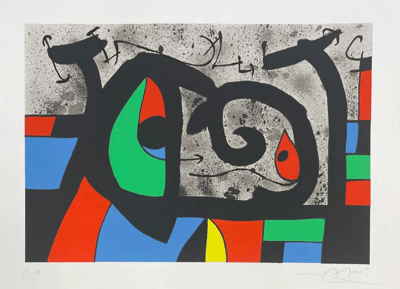
Joan Miró
Le Lezard aux Plumes D'or, 1971
Limited Edition Print
Lithograph
EUR 6,700
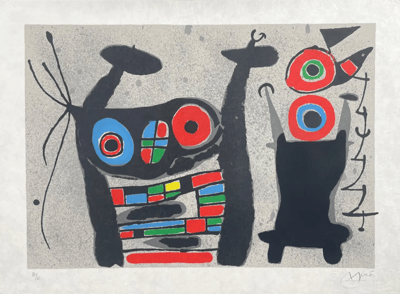
Joan Miró
Le Lezard aux Plumes D'or, 1971
Limited Edition Print
Lithograph
EUR 7,200
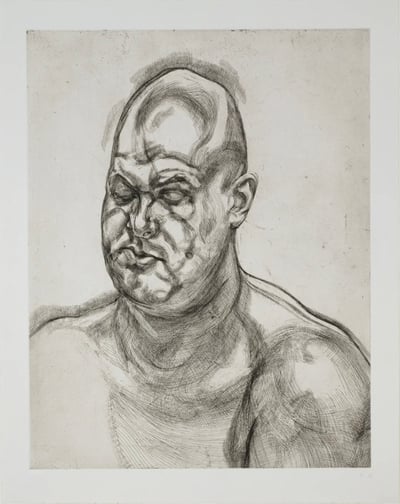
Lucian Freud
Large Head, 1993
Limited Edition Print
Etching
EUR 17,750
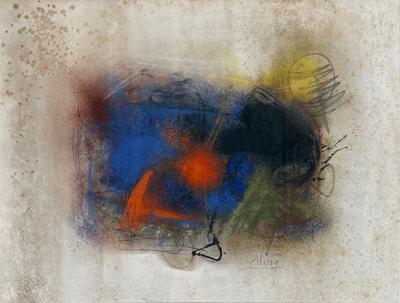
Joan Miró
Untitled (Cosmic Bloom)
Drawing / Watercolor
Mixed Media
USD 17,000 - 21,000
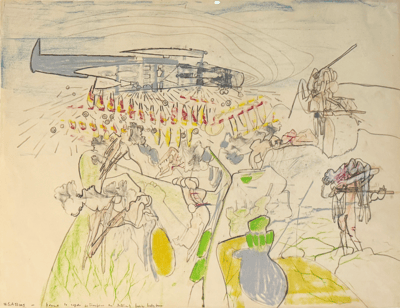
Roberto Matta
U.S. Assasins, 1962
Drawing / Watercolor
Crayon
Inquire For Price

Rufino Tamayo
Untitled (Textile), 1960s
Tapestry
Tapestry
Inquire For Price
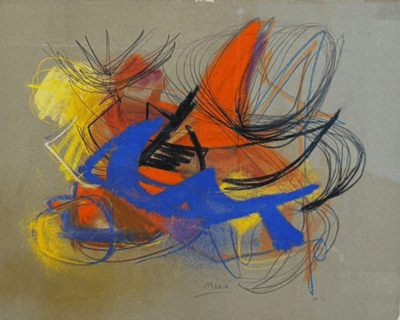
Joan Miró
Untitled (Chromatic Scribble)
Drawing / Watercolor
Mixed Media
USD 17,000 - 21,000
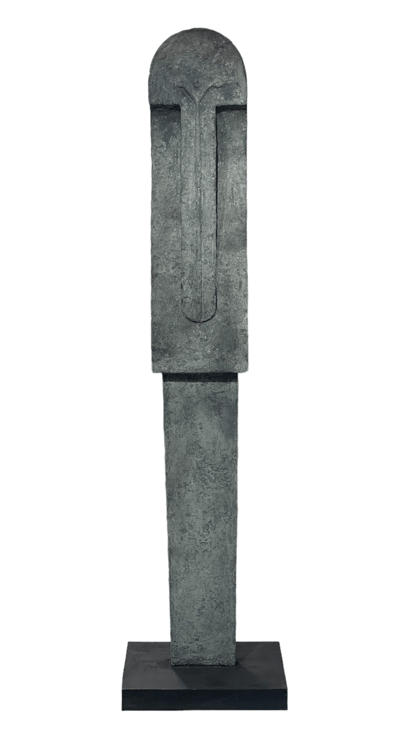
Rufino Tamayo
Monolito, 1981
Sculpture / Object
Mixed Media
Inquire For Price
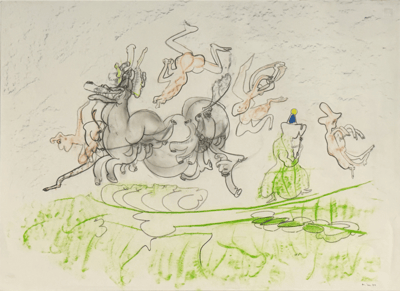
Roberto Matta
Le Cirque, 1969
Drawing / Watercolor
Crayon
Inquire For Price
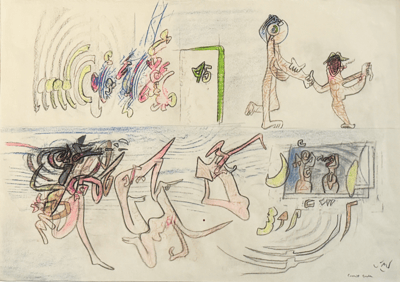
Roberto Matta
Covent Garden, 1977
Drawing / Watercolor
Crayon
Inquire For Price
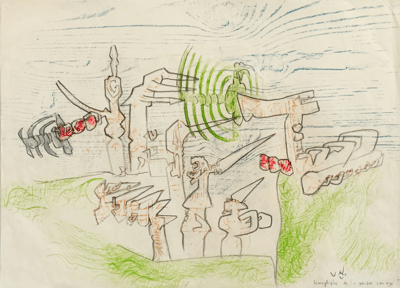
Roberto Matta
Hieroglyphe De La Pen See, 1975
Drawing / Watercolor
Crayon
Inquire For Price
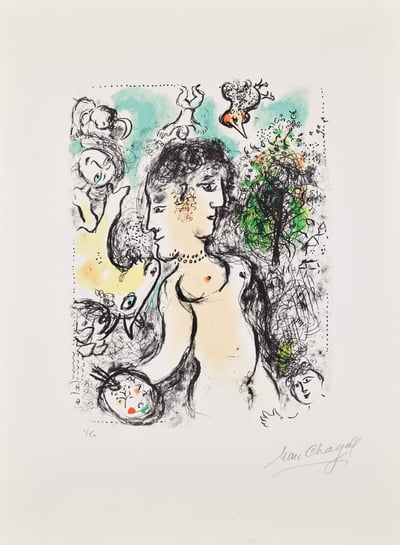
Marc Chagall
Nu au visage double (Nude with a Double Face) (M. 1013), 1983
Limited Edition Print
Lithograph
USD 7,200
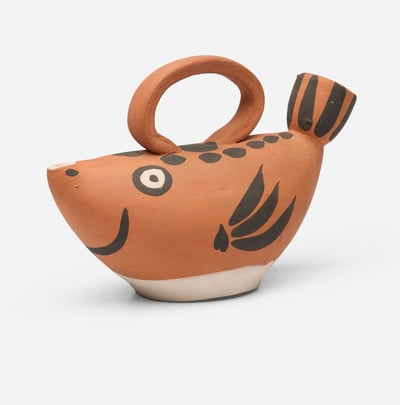
Pablo Picasso
Sujet poisson (A.R. 139), 1952
Sculpture / Object
Clay
EUR 15,000
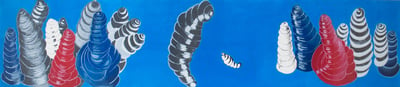
Louise Bourgeois
The Songs of the Blacks and the Blues, 1999
Limited Edition Print
Mixed Media
Inquire For Price
Related Articles
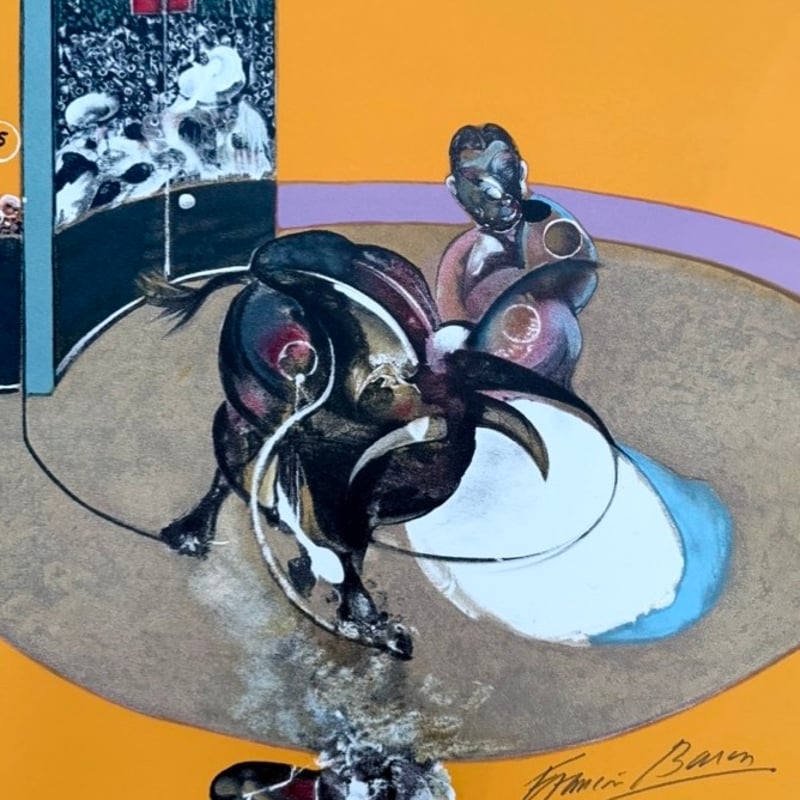
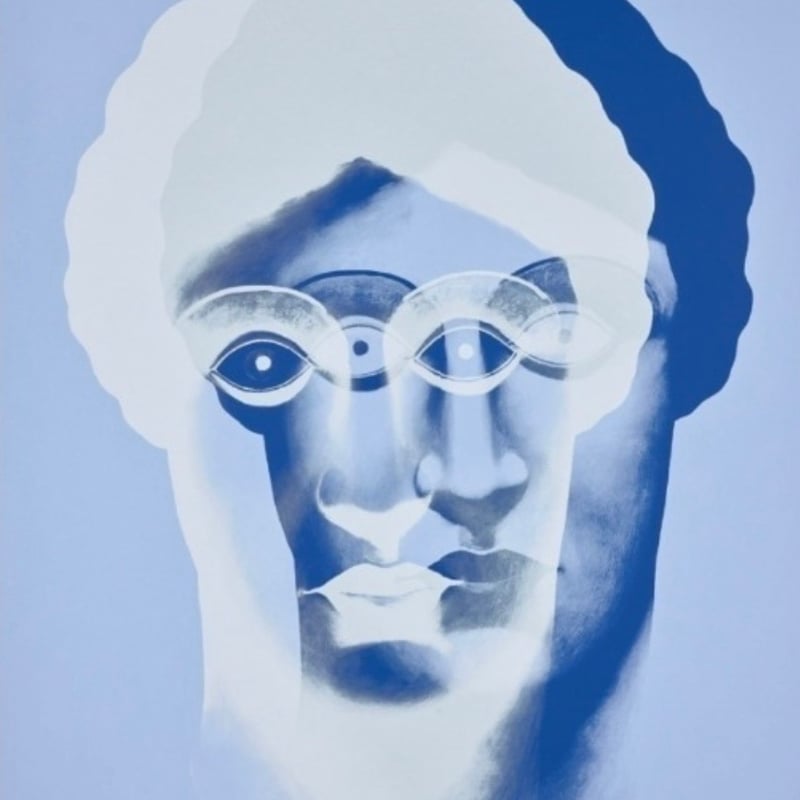
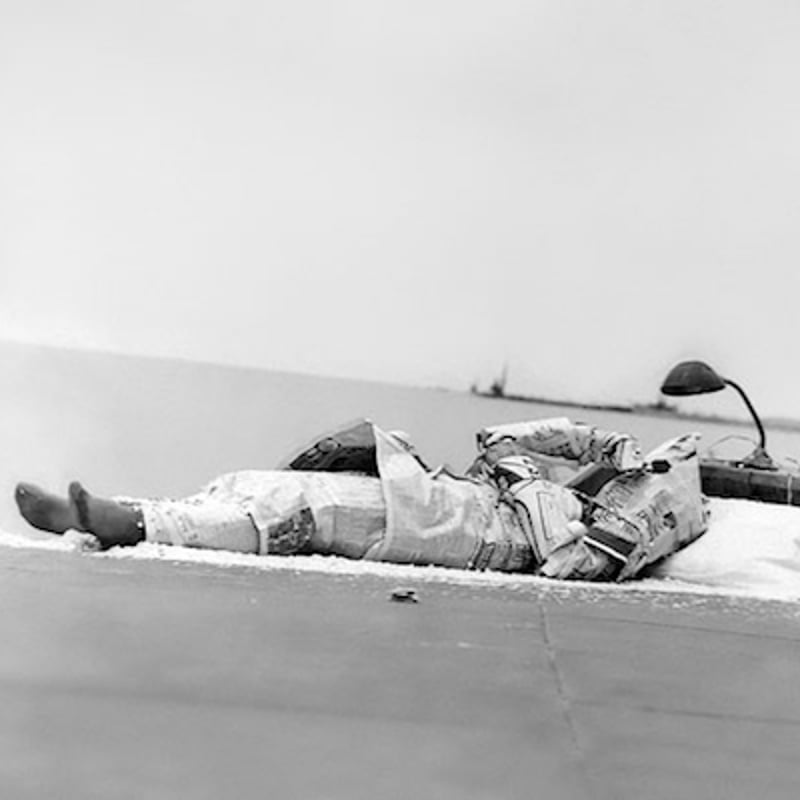
A Happening is a term used to describe artistic and theatrical events held by artists in the 1950s and 60s. These events were typically staged in gallery installations or planned environments and often involved audience participation, along with elements like lighting, sounds, and slide projections. Happenings were a precursor to performance art, which later included the active participation of the artists themselves.
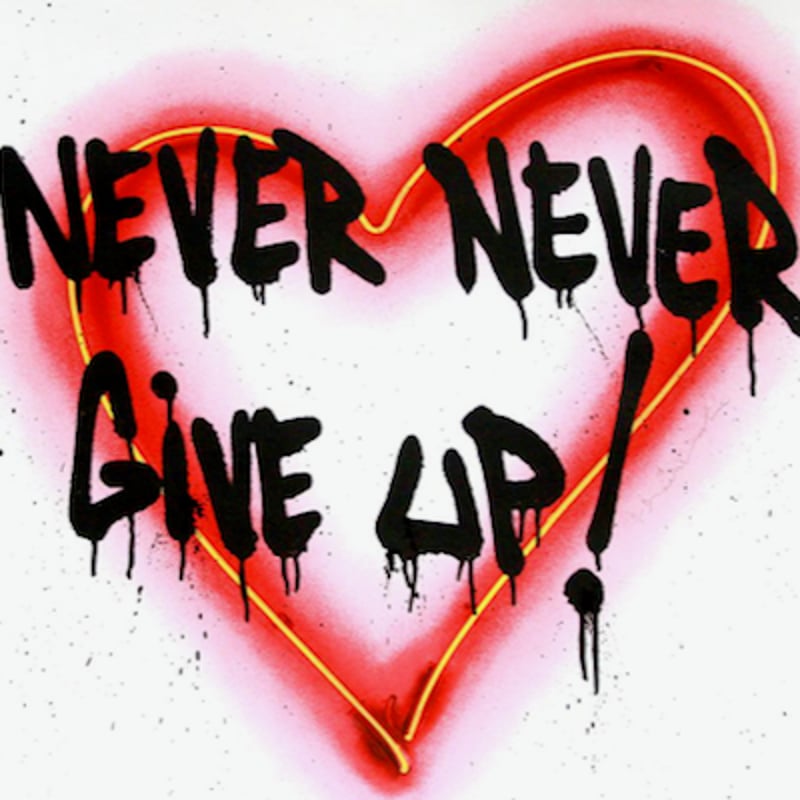
Graffiti art refers to drawings and writings that are painted, scratched, or scribbled on walls or other surfaces, typically in public spaces. This art form ranges from small tags to elaborate wall paintings. Graffiti has been in existence since ancient times, with examples dating back to the Roman Empire, Ancient Greece, and Ancient Egypt.

The Bay Area Figurative Movement, which also goes by the names Bay Area Figurative School, Bay Area Figurative Art, or Bay Area Figuration, came to existence in San-Francisco Bay Area. This was in the mid-20th century, when a group of artists from the area stopped working on the then popular Abstract Expressionism for a preference to figuration in painting. The movement lasted a total of two decades during the 1950's and 1960's.
Can't find your Answer?
Thank you! Your question has been sent — we'll get back to you shortly.
