
What is Surrealism?
- Show All
- Established
- Discoveries
- Show All
Artworks Related to Surrealism

Louise Nevelson
Untitled (Red Rectangle on Black), 1975
Limited Edition Print
Silkscreen
EUR 5,450
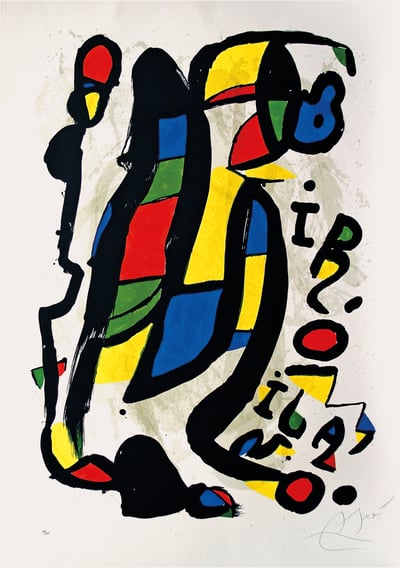
Joan Miró
Mirò Milano, 1981
Limited Edition Print
Lithograph
EUR 11,300
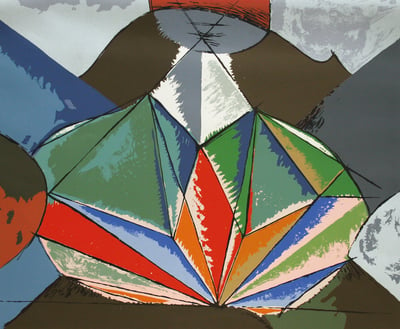
Man Ray
Cactus Diamond , 1969
Limited Edition Print
Silkscreen
EUR 4,850

Man Ray
Rue Férou, 1974
Limited Edition Print
Lithograph
EUR 2,500

Man Ray
La Fortune II, 1973
Limited Edition Print
Lithograph
EUR 4,250

Man Ray
Incompris, 1962
Limited Edition Print
Lithograph
EUR 3,660

Man Ray
Tre Figure, 1968
Limited Edition Print
Lithograph
EUR 3,450
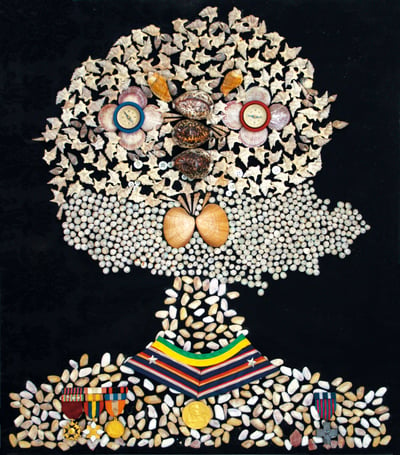
Enrico Baj
Horatius Nelson duke of Bronte, 1972
Limited Edition Print
Mixed Media
EUR 8,350

Enrico Baj
Sull’acqua (book), 2003
Sculpture / Object
Mixed Media
EUR 7,300

Enrico Baj
The golden Roll-Dragster, 1986
Sculpture / Object
Mixed Media
EUR 5,200

Enrico Baj
Untitled (Wooden Figure), 1980
Limited Edition Print
Mixed Media
EUR 2,100
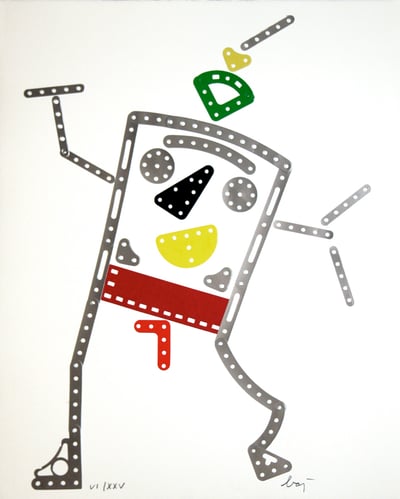
Enrico Baj
Mic-Mac, danseus mecanique, 2001
Limited Edition Print
Collage
EUR 1,650

Enrico Baj
Maternità, 1974
Sculpture / Object
Mixed Media
EUR 4,850
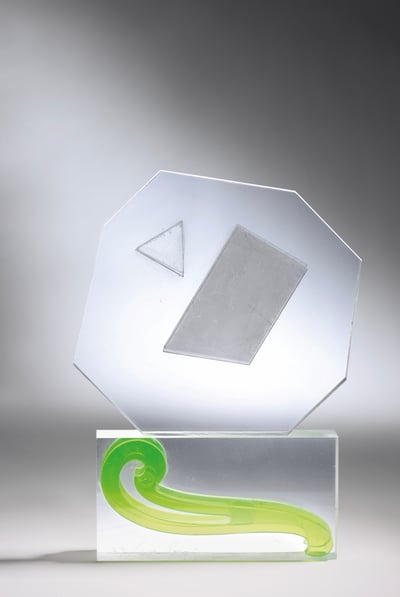
Enrico Baj
Busto, 1969
Sculpture / Object
Acrylic sculpture
EUR 3,900

Enrico Baj
Testa d’uomo, 1969
Sculpture / Object
Acrylic sculpture
EUR 3,900
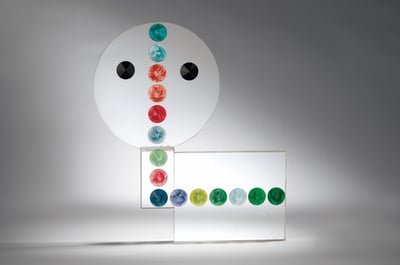
Enrico Baj
Figura in ginocchio, 1969
Sculpture / Object
Acrylic sculpture
EUR 3,900
Related Articles
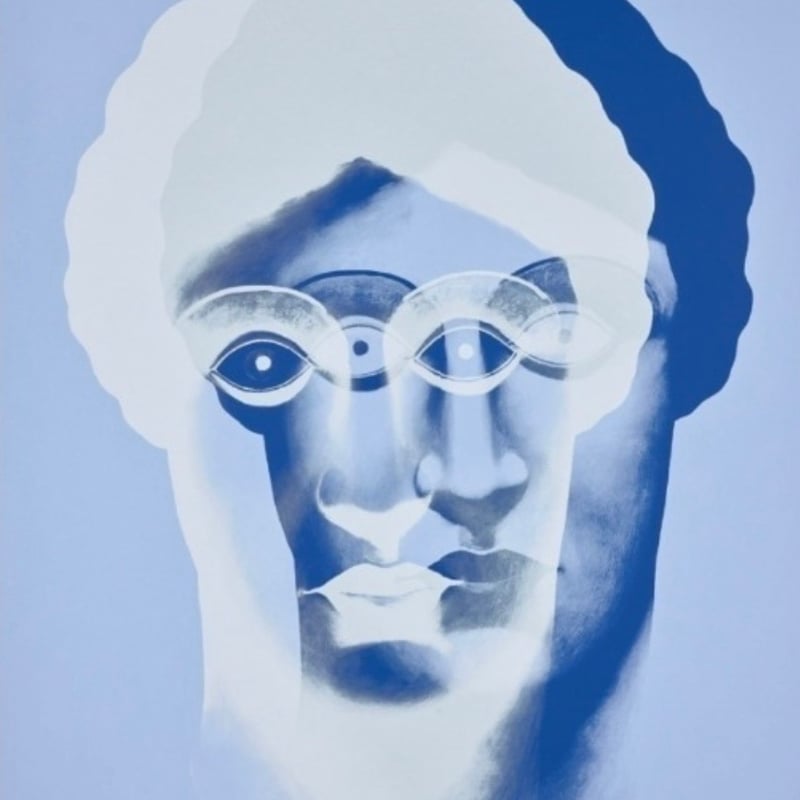

Charcoal is made from charred wood and is used in both initial sketches and finished drawings. It can be easily smudged or erased, making it versatile for corrections. To make charcoal drawings permanent, a fixative like resin or gum is required. It’s especially useful for sketching first ideas on walls or canvas.

Installation art is a three-dimensional artistic genre that involves site-specific works designed to alter the viewer's perception of space. These works are typically created for interior spaces, such as museums and galleries, but can also be found in private and public locations. Installation art can be temporary or permanent, depending on its purpose and setting.

A pigment is a material that changes the color of light by selectively absorbing certain wavelengths and reflecting others. Unlike phosphorescence or fluorescence, where materials emit light, pigments work by altering the light that passes through or is reflected from them. In art, pigments are chosen for their special properties, such as high tinting strength, making them ideal for coloring various materials.
Can't find your Answer?
Thank you! Your question has been sent — we'll get back to you shortly.
