
What is Surrealism?
- Show All
- Established
- Discoveries
- Show All
Artworks Related to Surrealism
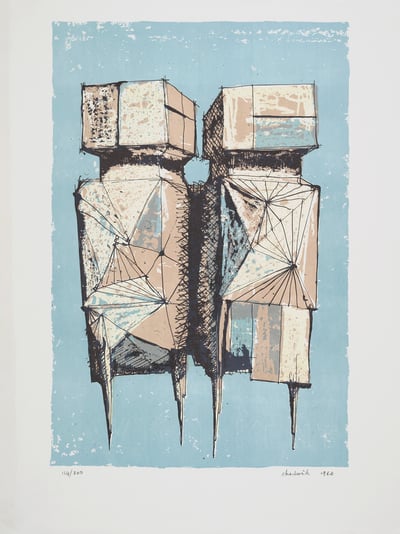
Lynn Chadwick
Watchers, 1960
Limited Edition Print
Lithograph
Currently Not Available
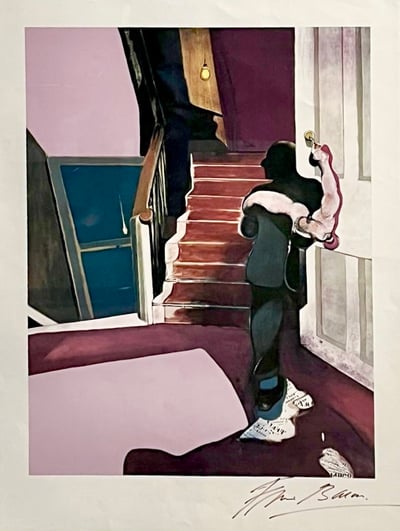
Francis Bacon
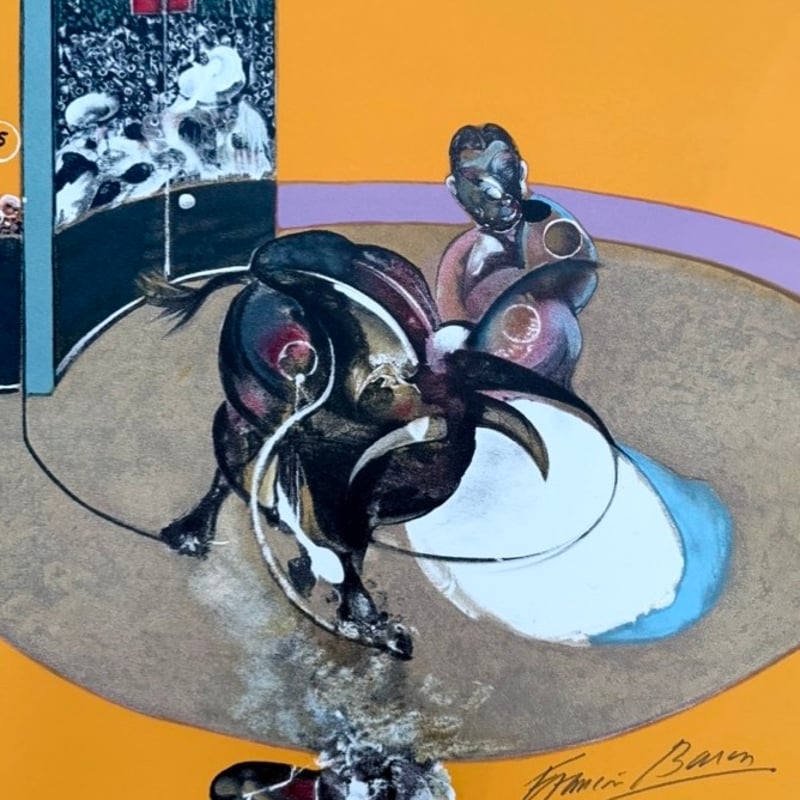
In memory of George Dyer, 1976
Limited Edition Print
Offset Print
Currently Not Available
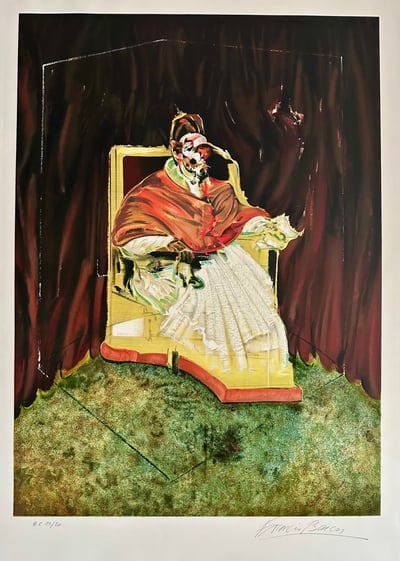
Francis Bacon
Study for Portrait of Pope Innocent X after Velasquez, 1989
Limited Edition Print
Lithograph
Currently Not Available
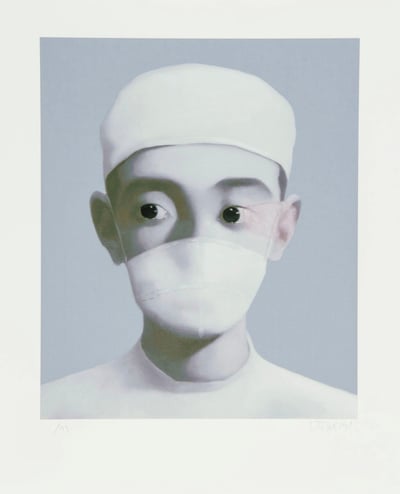
Zhang Xiaogang
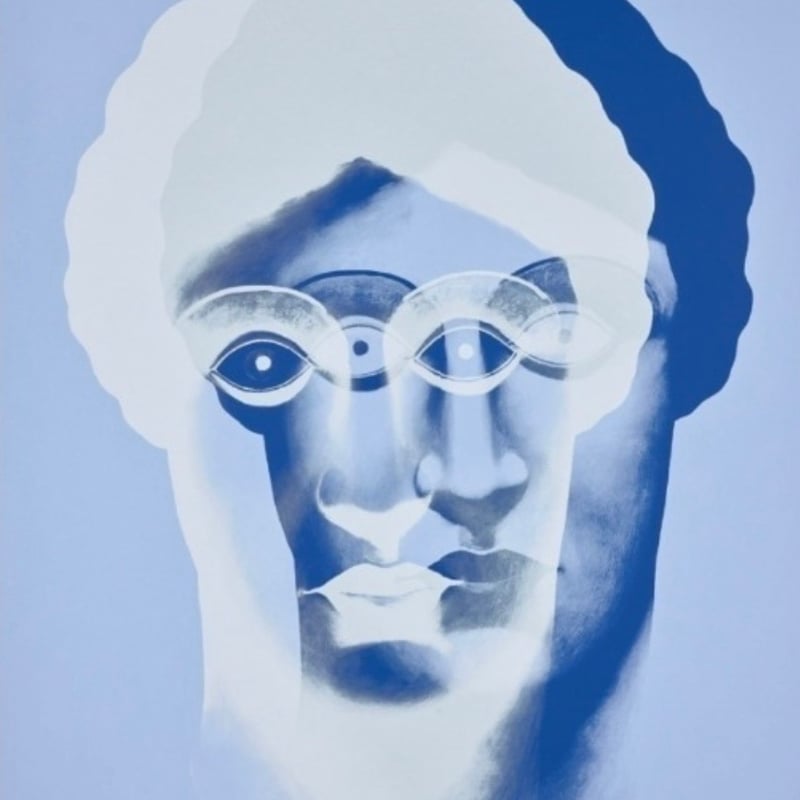
Identity Portrait, 2003
Limited Edition Print
Lithograph
EUR 1,650
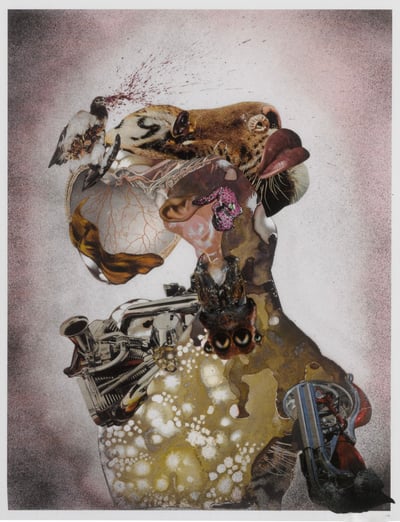
Wangechi Mutu
Homeward Bound, 2010
Limited Edition Print
Mixed Media
Currently Not Available
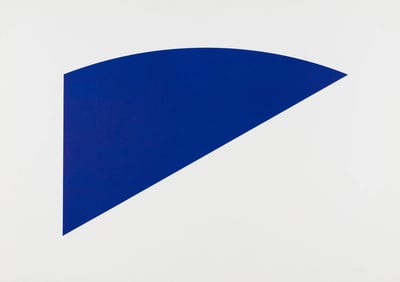
Ellsworth Kelly
Untitled (Blue Curve), 1982
Limited Edition Print
Lithograph
Currently Not Available
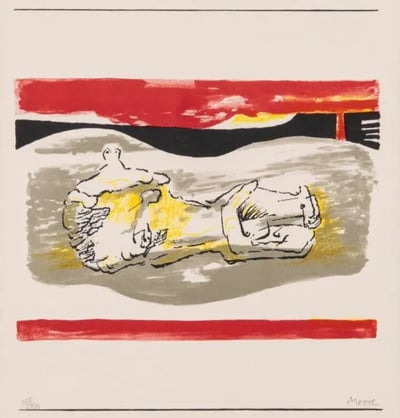
Henry Moore
Reclining Figure with Red Stripes, 1973
Limited Edition Print
Lithograph
USD 1,350
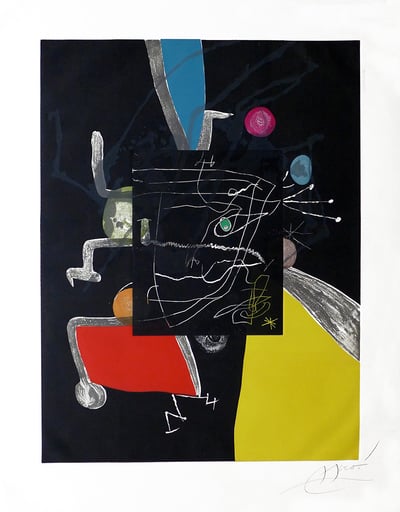
Joan Miró
Martí i Pol, 1976
Limited Edition Print
Mixed Media
EUR 14,250
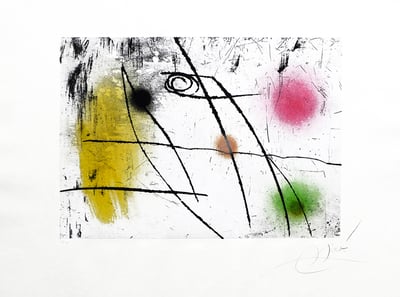
Joan Miró
Lapidari nº 37 Calsedonia, 1981
Limited Edition Print
Mixed Media
EUR 11,900
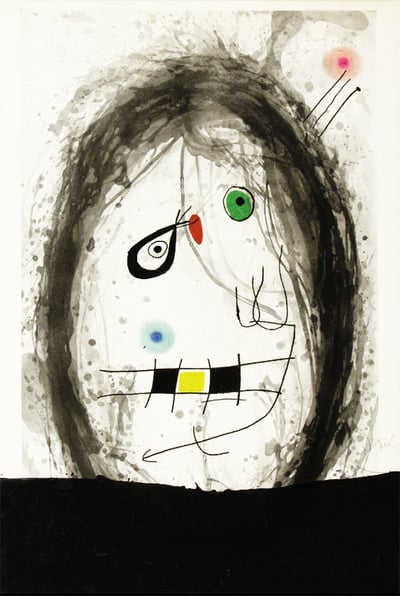
Joan Miró
L´exilé noir, 1969
Limited Edition Print
Mixed Media
EUR 15,400
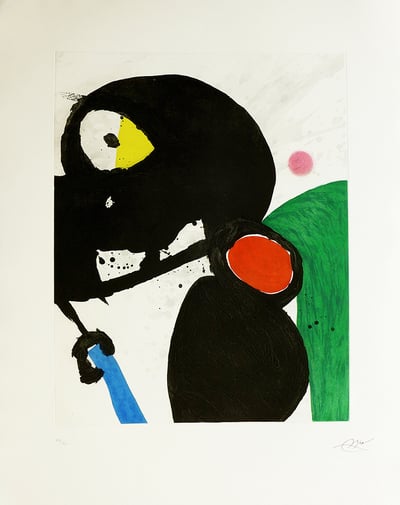
Joan Miró
La mangeuse de crabes, 1981
Limited Edition Print
Mixed Media
EUR 9,500
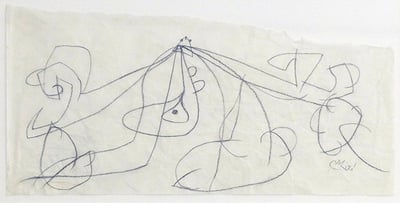
Joan Miró
Personnage II, 1979
Drawing / Watercolor
Pencil
Inquire For Price
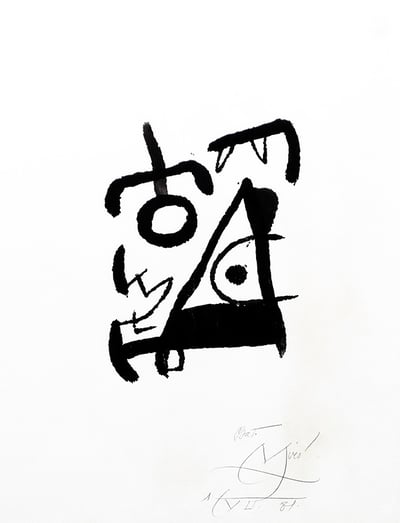
Joan Miró
Miró Graveur VII, 1981
Limited Edition Print
Woodcut
EUR 8,350
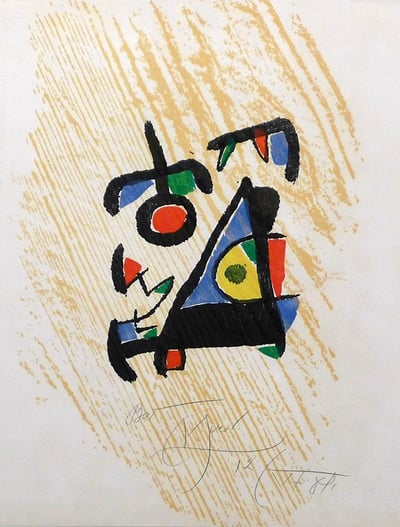
Joan Miró
Miró Graveur III, 1981
Limited Edition Print
Woodcut
EUR 13,000
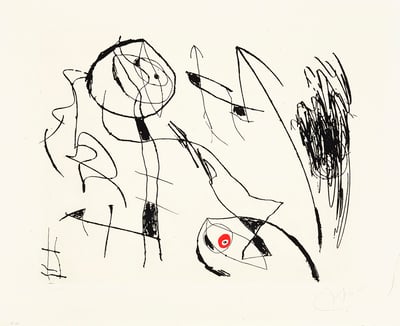
Joan Miró
Serie Mallorca I, 1973
Limited Edition Print
Etching and Aquatint
EUR 11,300
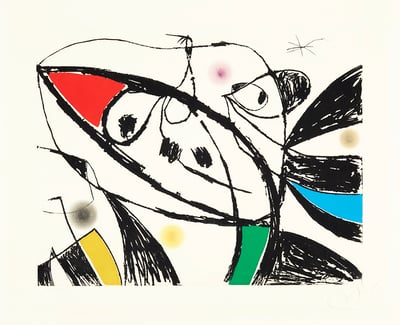
Joan Miró
Serie Mallorca III, 1973
Limited Edition Print
Etching and Aquatint
EUR 11,300
Related Articles
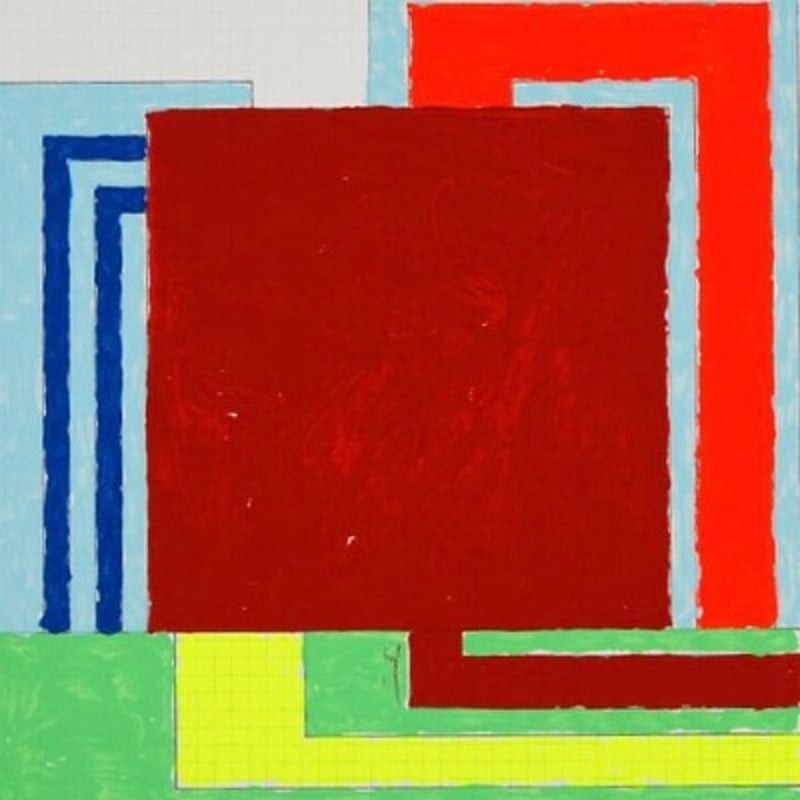
Known as Neo-Geo for short, this movement uses geometric objects and shapes to create abstract artwork as a metaphor for society. Inspired by various 20th-century art styles, including minimalism and pop art, Neo-Geo emerged in the 1980s as a response to the industrialization and commercialization of the modern world. The movement reflects on the impact of mass production, consumerism, and technology, often critiquing the superficiality of contemporary culture through its abstract, geometric compositions.

An artist proof traditionally refers to a print impression taken during the printing process to evaluate the current state of the artwork as the artist works on the plate. These proofs often show incomplete images and are sometimes called trial impressions or working proofs. However, in modern practice, an artist proof typically refers to an impression of the finished work that is identical to the numbered edition copies but is set aside for the artist's personal use. Artist proofs are usually marked A.P. and may be considered more valuable by collectors due to their limited availability.
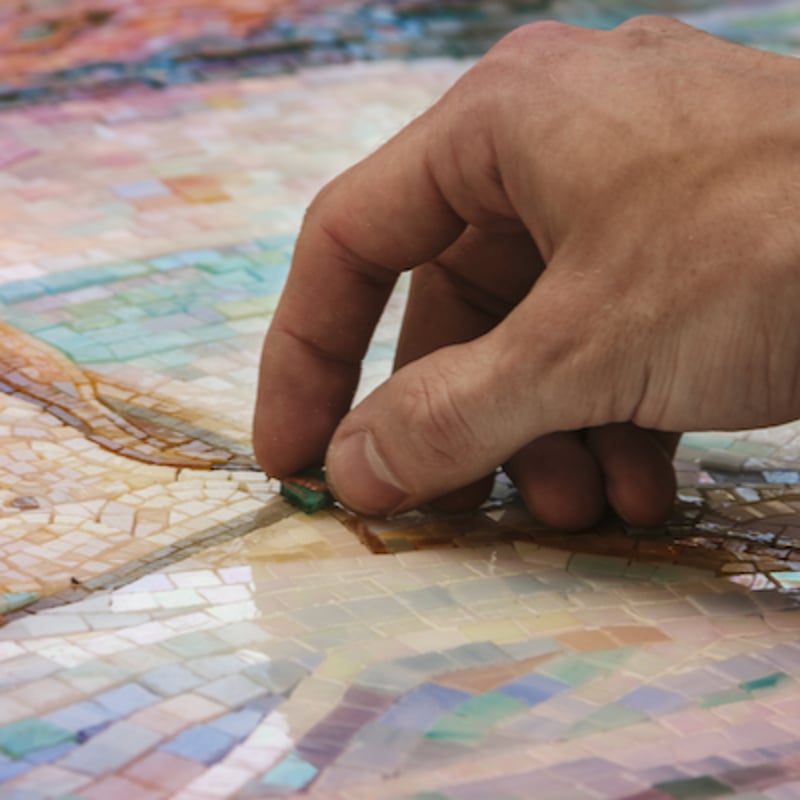
Mosaic is an art form that involves creating images by arranging many small pieces of colored tile, glass, or other materials. These pieces, often numbering in the hundreds, are placed closely together like a puzzle, each piece contributing to the overall picture.
Can't find your Answer?
Thank you! Your question has been sent — we'll get back to you shortly.
