
What is Surrealism?
- Show All
- Established
- Discoveries
- Show All
Artworks Related to Surrealism
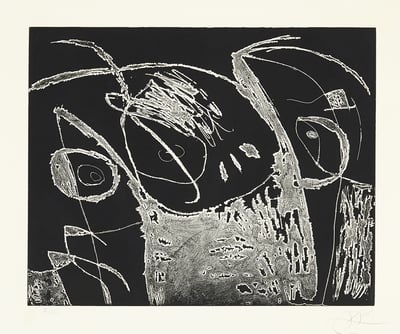
Joan Miró
Serie Mallorca - Negro y blanco IX, 1973
Limited Edition Print
Etching and Aquatint
EUR 8,350
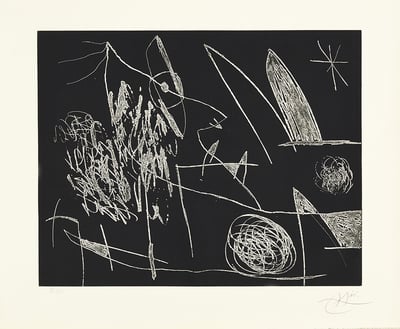
Joan Miró
Serie Mallorca - Negro y blanco VII, 1973
Limited Edition Print
Etching and Aquatint
EUR 8,350
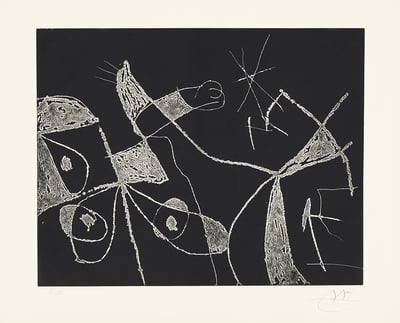
Joan Miró
Serie Mallorca - Negro y blanco VI, 1973
Limited Edition Print
Etching and Aquatint
EUR 8,350
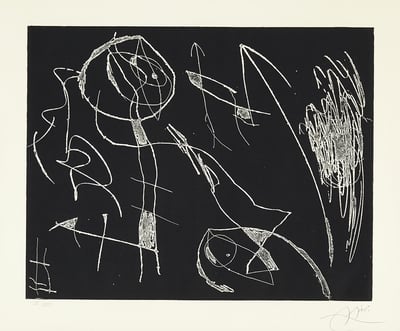
Joan Miró
Serie Mallorca - Negro y blanco I, 1973
Limited Edition Print
Etching and Aquatint
EUR 8,350
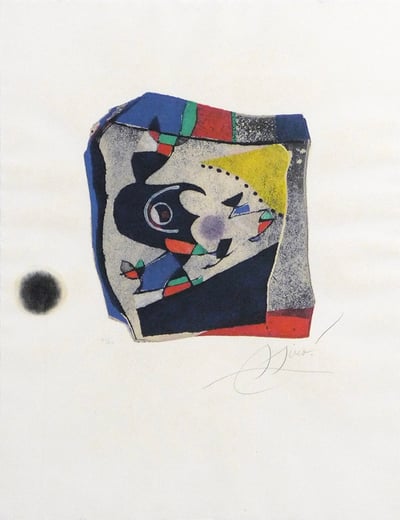
Joan Miró
Gaudí IX, 1979
Limited Edition Print
Etching and Aquatint
EUR 11,660
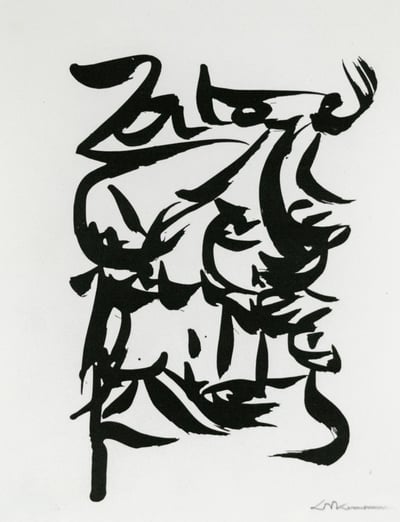
Christian Dotremont
Liberté de figures 1, 1976
Limited Edition Print
Lithograph
Currently Not Available

Ellsworth Kelly
Black, from the 9 Portfolio, 1972
Limited Edition Print
Lithograph
USD 7,650
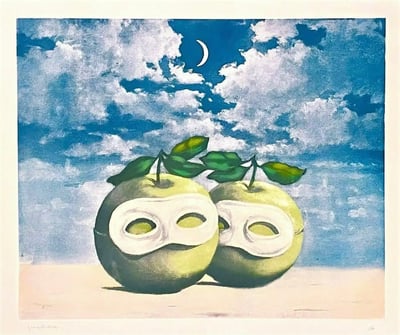
Rene Magritte
La Valse Hesitation, 1971
Limited Edition Print
Etching and Aquatint
Currently Not Available
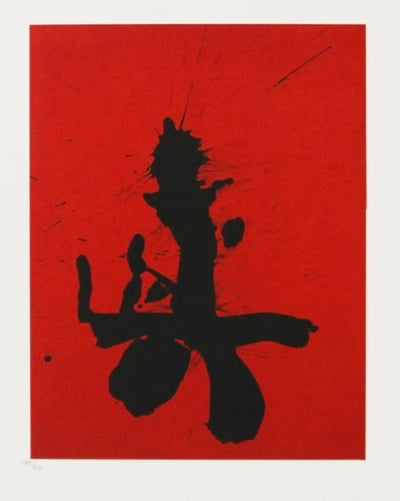
Robert Motherwell
Untitled 23, 1988
Limited Edition Print
Lithograph
USD 1,390
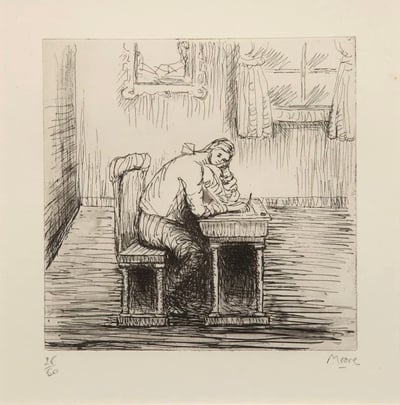
Henry Moore
Girl doing homework II, 1974
Limited Edition Print
Etching
USD 3,700
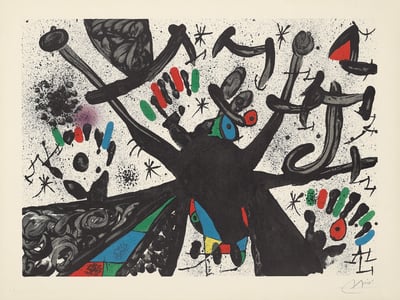
Joan Miró
Homenatge a Joan Prats 2, 1971
Limited Edition Print
Lithograph
USD 10,000
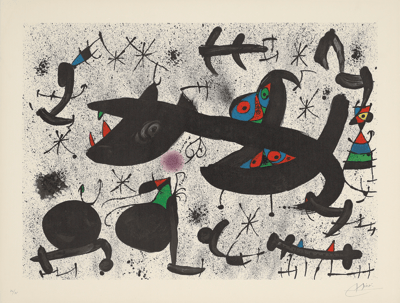
Joan Miró
Homenatge a Joan Prats, 1971
Limited Edition Print
Lithograph
USD 10,000
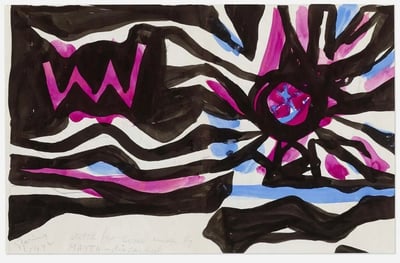
Roberto Matta
Cover Design for VVV Magazine , c. 1942
Drawing / Watercolor
Mixed Media
USD 8,450
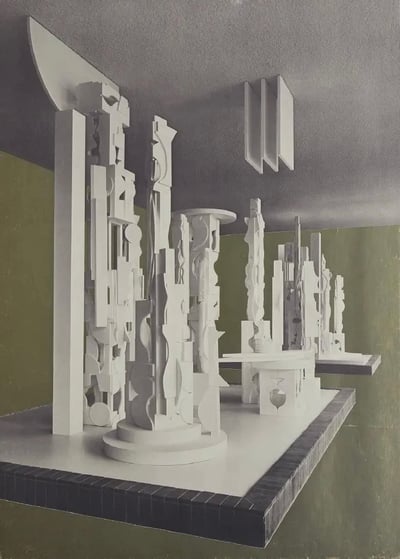
Louise Nevelson
Bicentennial Dawn, 1976
Limited Edition Print
Serigraph
USD 1,450
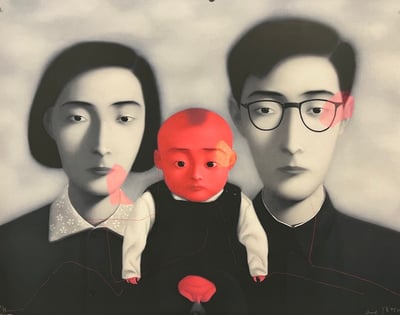
Zhang Xiaogang
Big family, 2006
Limited Edition Print
Lithograph
EUR 10,500
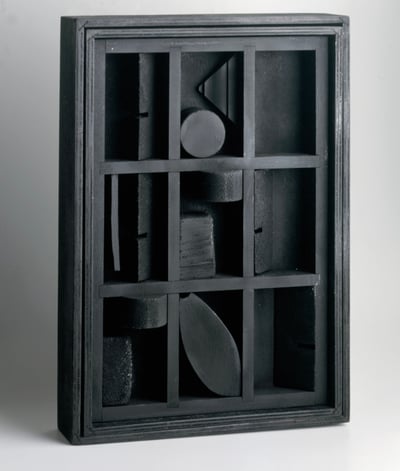
Louise Nevelson
Winter chord, 1974
Sculpture / Object
Wood
EUR 14,850
Related Articles
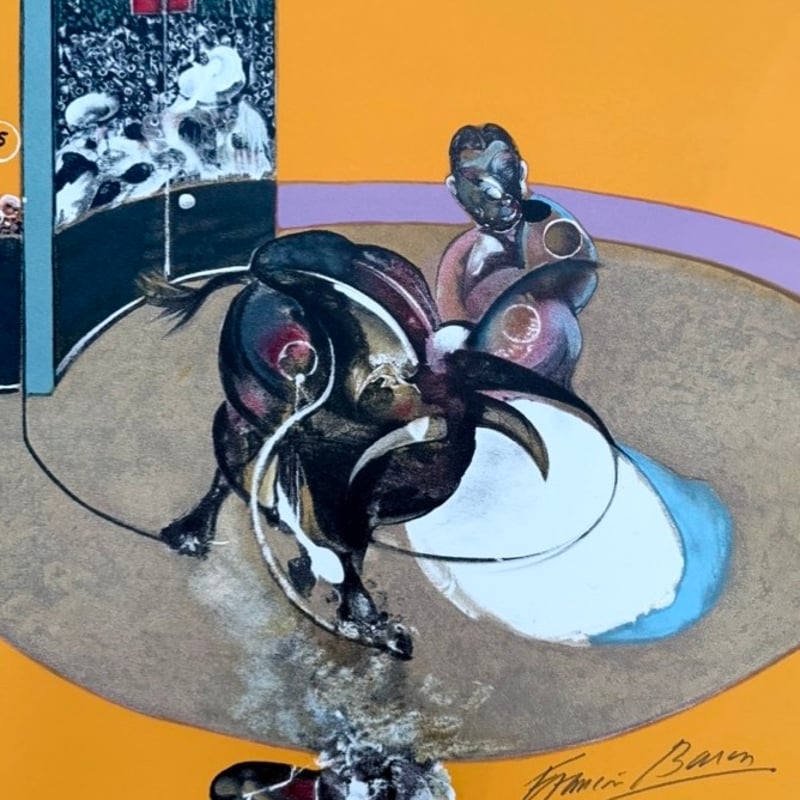
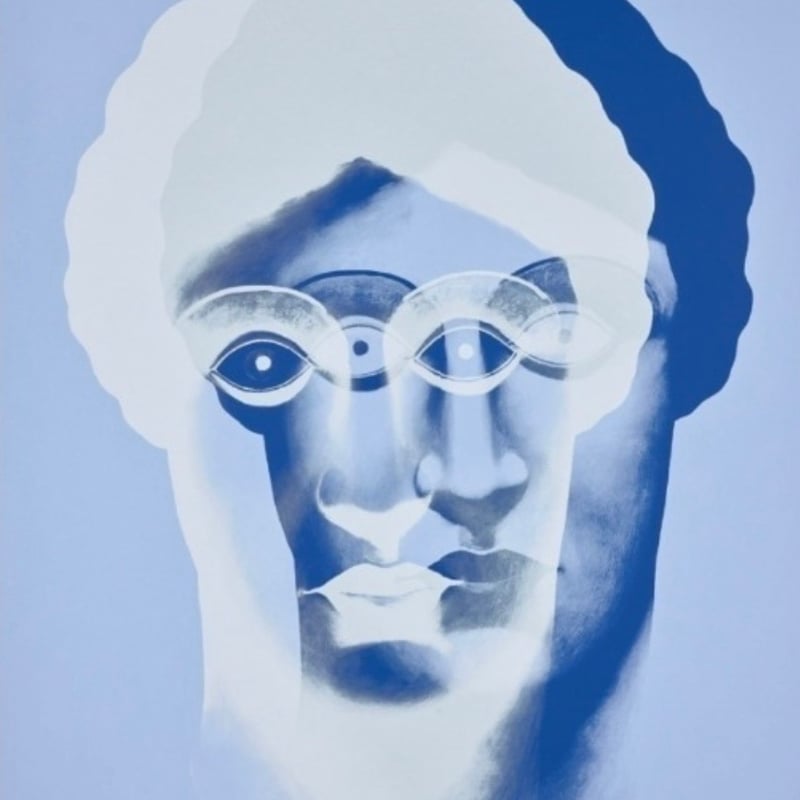

Wax is a solid material derived from plant, animal, and petroleum sources. It is used to protect paints from wear, create sculptures, make wax crayons and colored pencils, and for encaustic painting. In encaustic painting, colored beeswax is shaped with special tools to create textured, raised surfaces.
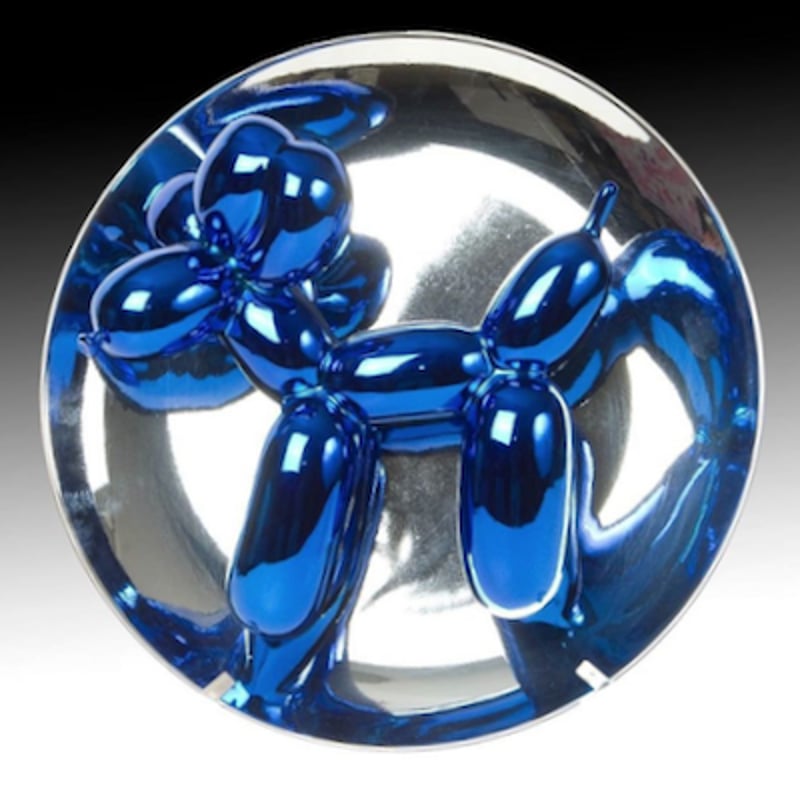
Multiples refer to a series of identical art objects produced in limited editions according to the artist's concept. These works are specifically created for sale and are often considered the most affordable and accessible form of contemporary art. What sets multiples apart is their lack of uniqueness, which is typically seen as essential in traditional artworks. Instead, they offer value and enjoyment while making contemporary art more widely available.
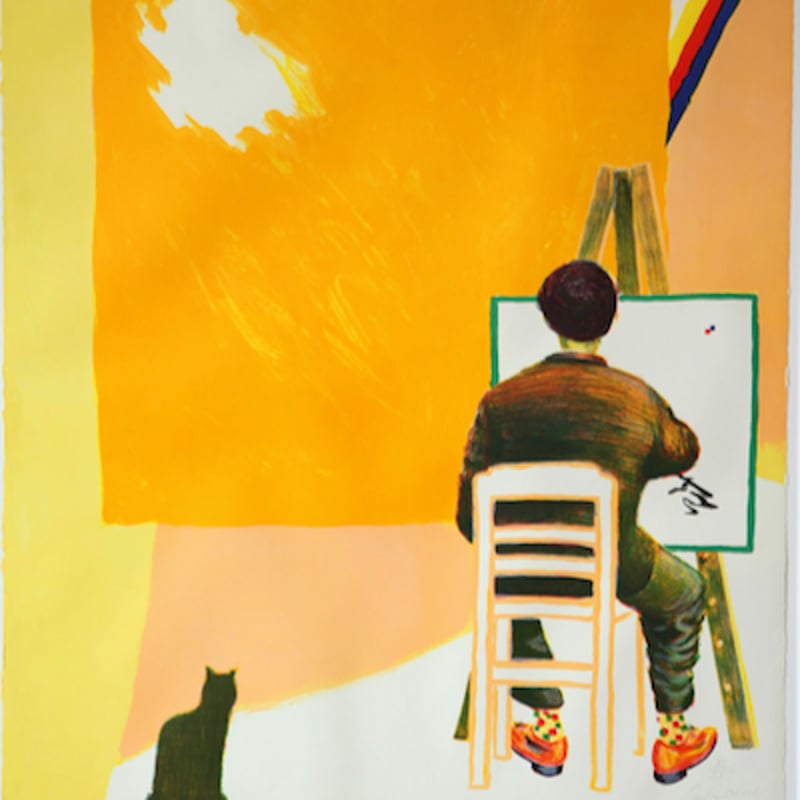
Neo-Figurative Art is a collective term that refers to the revival of figurative art in America and Europe during the 1960s, following a period dominated by abstraction. Michel Ragon, a French art critic, argued that this resurgence of figuration occurred during a critical time of social and political upheaval in both regions.
Can't find your Answer?
Thank you! Your question has been sent — we'll get back to you shortly.
