
What is Surrealism?
- Show All
- Established
- Discoveries
- Show All
Artworks Related to Surrealism
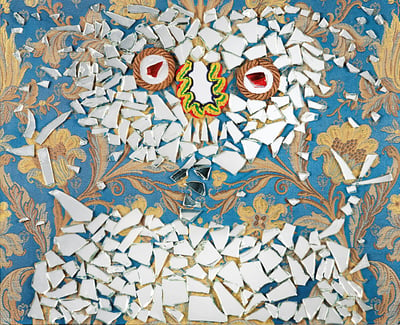
Enrico Baj
Personaggio allo specchio, 1971
Limited Edition Print
Mixed Media
EUR 9,500
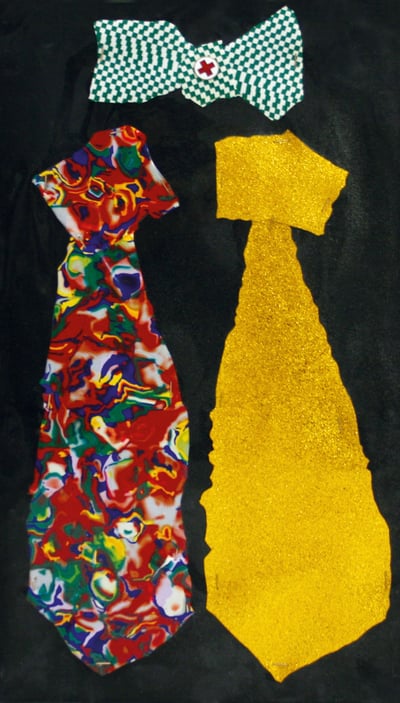
Enrico Baj
Cravatte, 1967
Limited Edition Print
Mixed Media
EUR 3,450
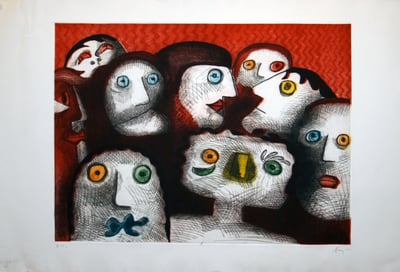
Enrico Baj
Folla, 1985
Limited Edition Print
Aquatint
EUR 2,500
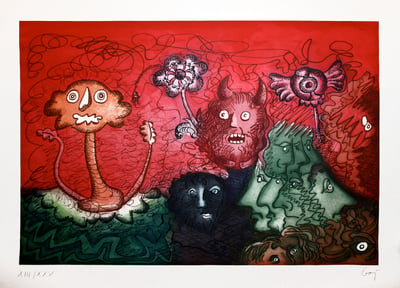
Enrico Baj
Incontri ravvicinati, 1986
Limited Edition Print
Etching
EUR 4,250
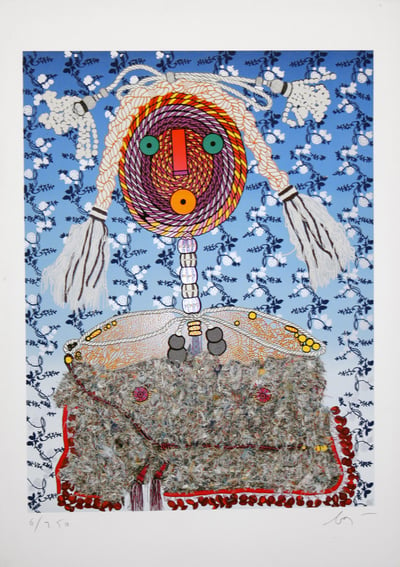
Enrico Baj
Ermengarda, 1975
Limited Edition Print
Mixed Media
EUR 3,350
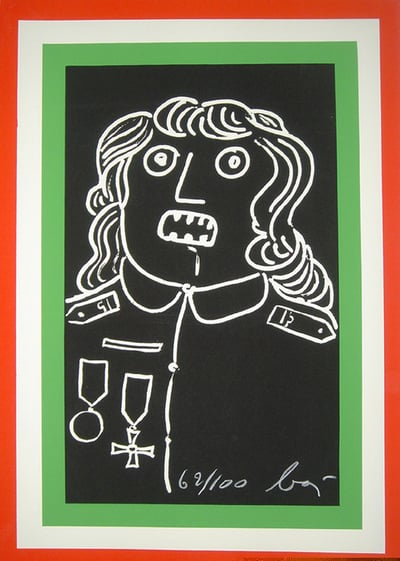
Enrico Baj
Manifesto per la mostra Enrico Baj, Palazzo dei Diamanti, Ferrara, 1977
Limited Edition Print
Silkscreen
EUR 1,500
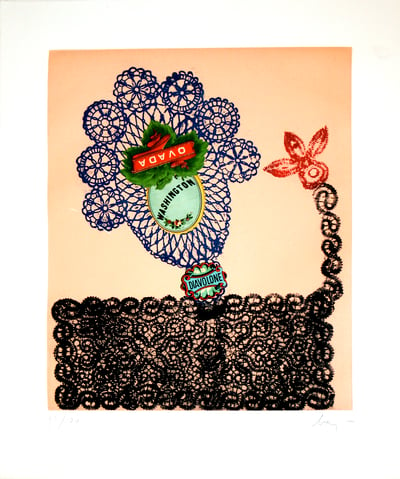
Enrico Baj
Diavolone, 1973
Limited Edition Print
Mixed Media
EUR 950
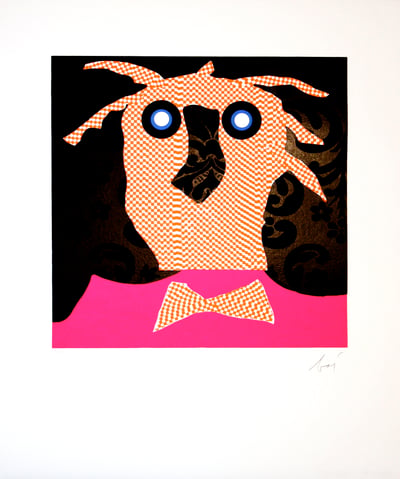
Enrico Baj
Personaggio, 1968
Limited Edition Print
Silkscreen
EUR 1,150
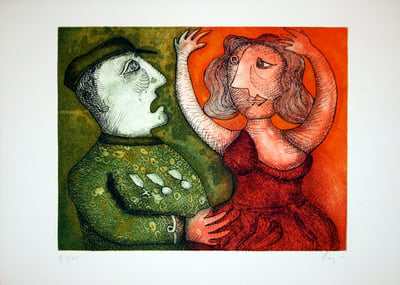
Enrico Baj
Generale con la sua favorita, 1978
Limited Edition Print
Etching
EUR 1,250
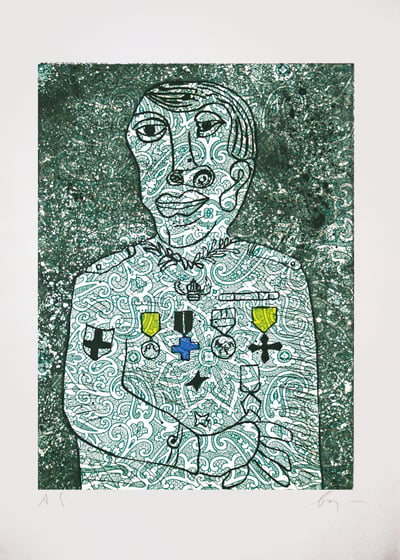
Enrico Baj
Personnage de guerre, 1971
Limited Edition Print
Etching
EUR 1,250
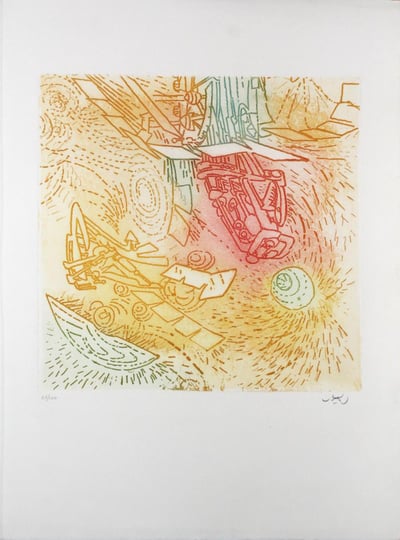
Roberto Matta
Coigitum, 1975
Limited Edition Print
Etching and Aquatint
USD 750
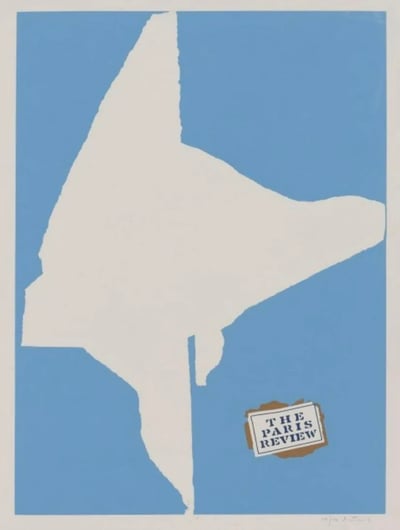
Robert Motherwell
The Paris Review, 1965
Limited Edition Print
Screen-print
USD 2,350
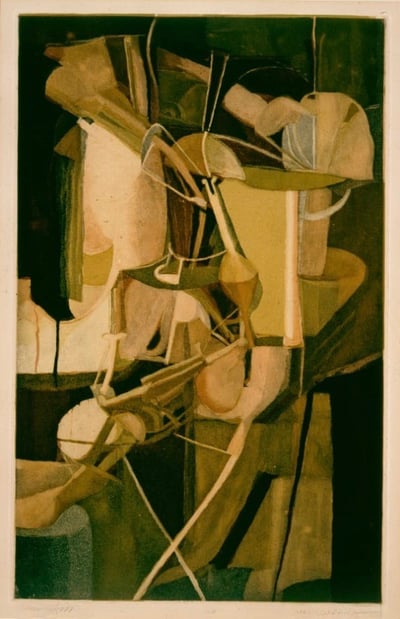
Marcel Duchamp
La Mariée (The bride), 1934
Limited Edition Print
Aquatint
Currently Not Available

Mona Hatoum
T42, 1993-98
Sculpture / Object
Stone
Currently Not Available
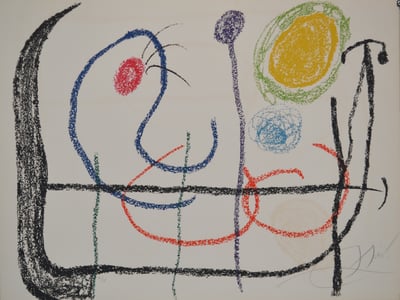
Joan Miró
Untitled, from Album 21 portfolio - M1136, 1978
Limited Edition Print
Lithograph
USD 6,250
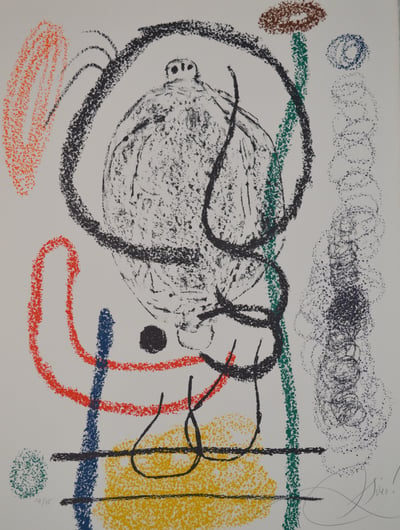
Joan Miró
Untitled, from Album 21 portfolio - M1130, 1978
Limited Edition Print
Lithograph
USD 6,250
Related Articles

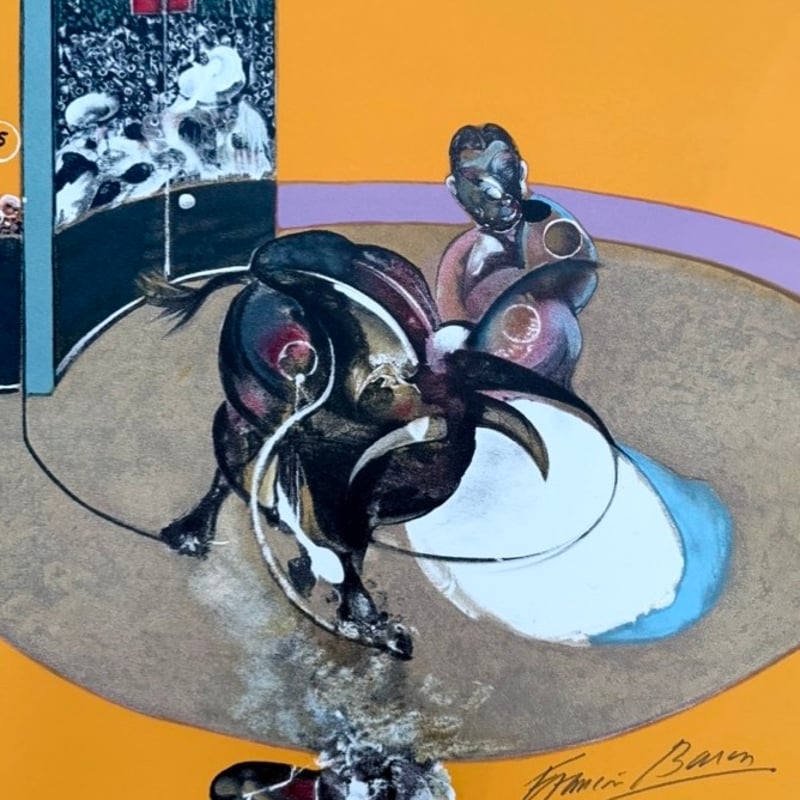
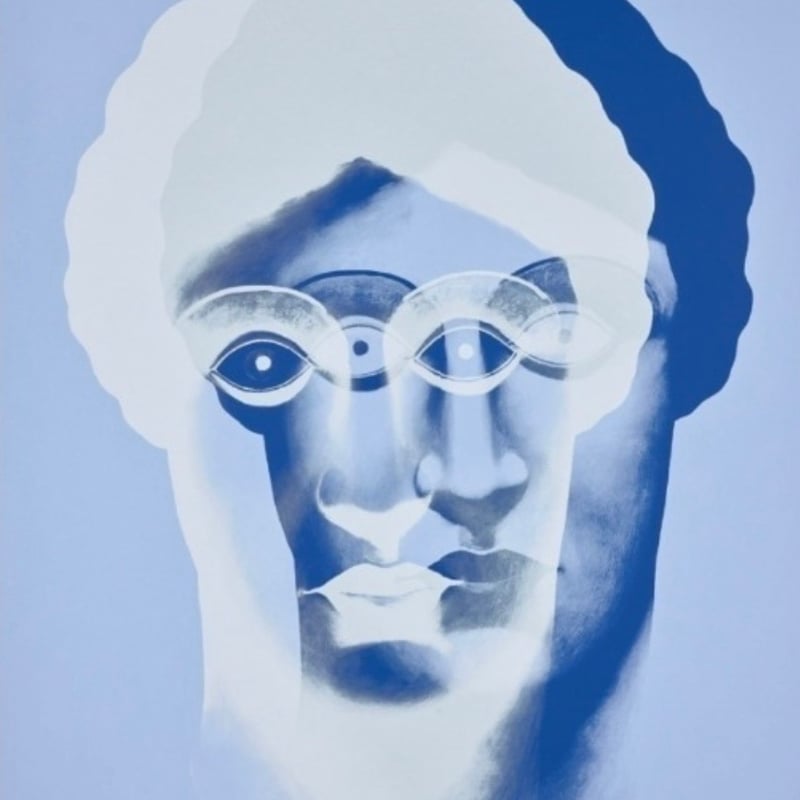

Viennese Actionism was a short-lived but intense art movement in the 20th century, emerging as part of the broader action art efforts of the 1960s. Known for its violent and provocative performances, the movement sought to break traditional art boundaries. Key figures in this movement included Arnulf Rainer and Hermann Nitsch.
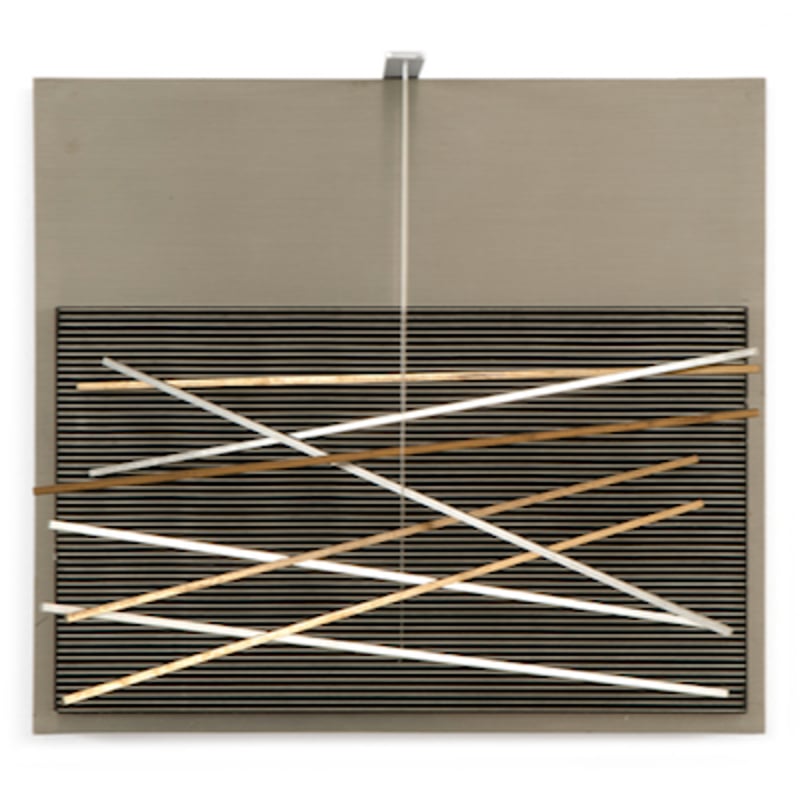
Kinetic art is an international movement that emerged in the 1920s and gained prominence in the 1960s, referring to art that involves both apparent and real motion. It encompasses any medium that includes movement, either relying on actual motion for its effect or being perceived as moving by the viewer. Early examples include canvas paintings designed to create optical illusions of movement. Today, kinetic art often refers to three-dimensional figures and sculptures, such as those operated by machines or those that move naturally. The movement covers a variety of styles and techniques that frequently overlap.
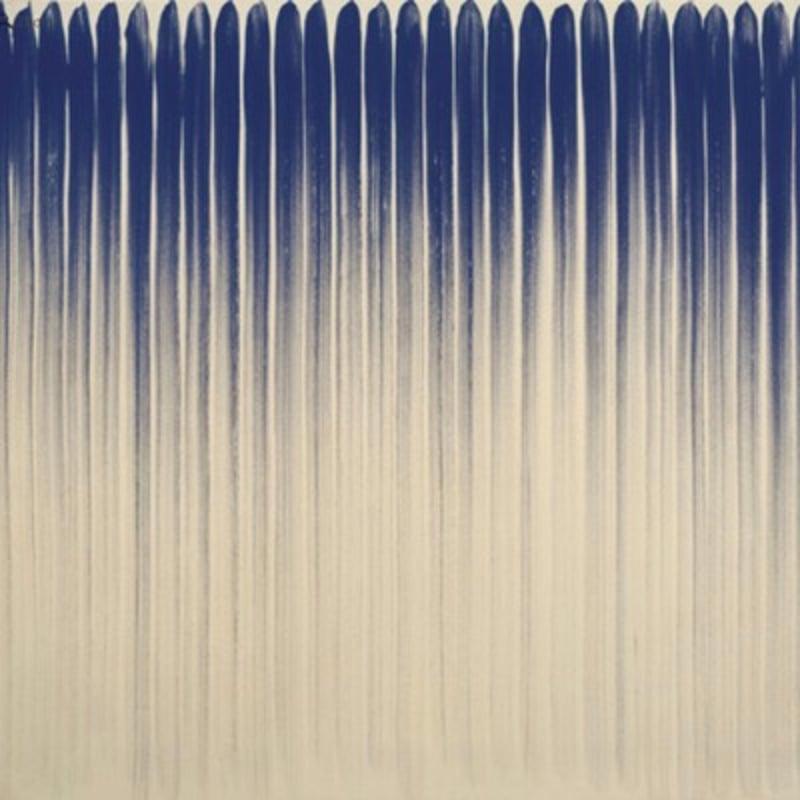
Meaning School of Things, Mono-ha originated in Tokyo in the mid-1960s. Instead of creating traditional artwork, the artists of Mono-ha used different materials and their natural properties to express dismay at the industrialization taking place in Japan at the time. The movement gained international attention and is now a widely respected form of art, known for its emphasis on the relationship between materials and their environment.
Can't find your Answer?
Thank you! Your question has been sent — we'll get back to you shortly.
