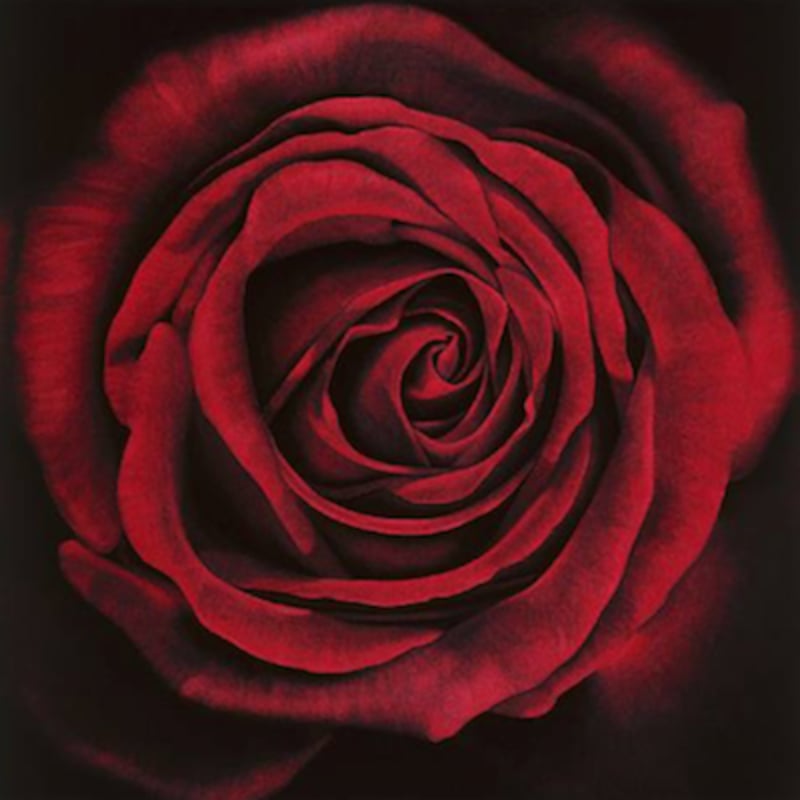
What is photorealism?
- Show All
- Established
- Discoveries
- Show All
Artworks Related to Photorealism
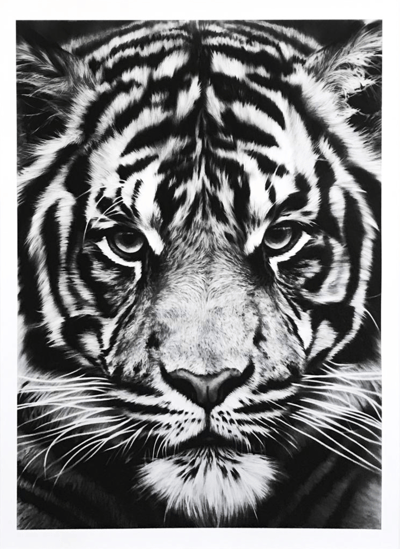
Robert Longo
Untitled (Tiger), 2012
Limited Edition Print
Pigment print
USD 45,000 - 50,000
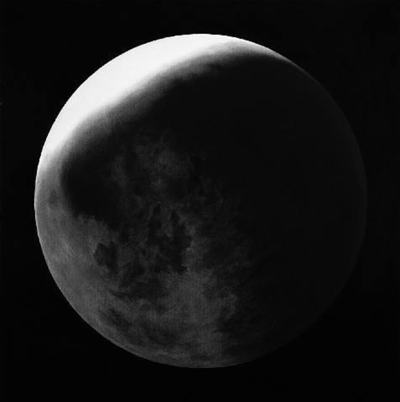
Robert Longo
Untitled (Moon in Shadow), 2006
Limited Edition Print
Pigment print
USD 6,000
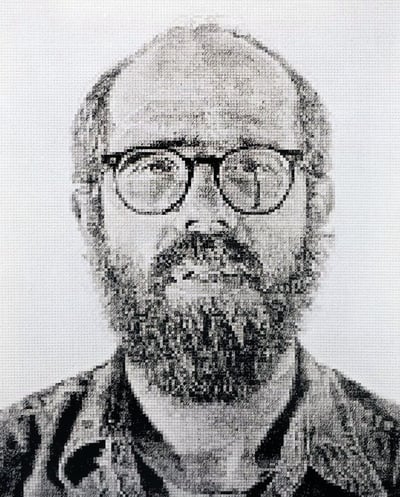
Chuck Close
Self Portrait/White Ink, 1978
Limited Edition Print
Etching and Aquatint
USD 27,000 - 35,000

Chuck Close
Self Portrait / Pulp / Pochoir, 2000
Limited Edition Print
Mixed Media
USD 29,500
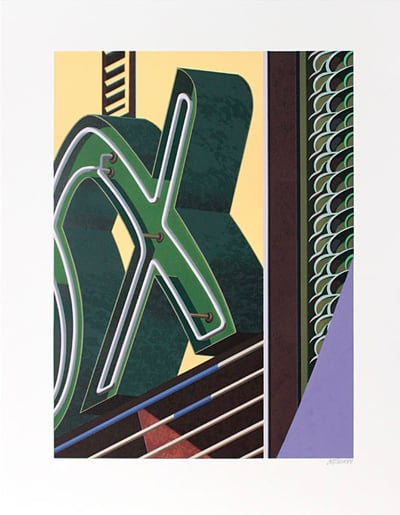
Robert Cottingham
The Letter X, 2001
Limited Edition Print
Lithograph
USD 1,100
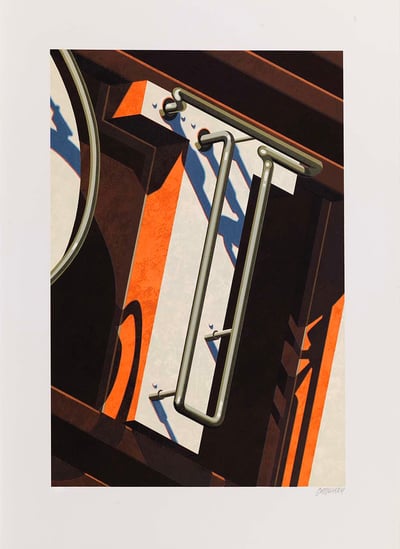
Robert Cottingham
The Letter T, 2001
Limited Edition Print
Lithograph
USD 1,100

Robert Cottingham
The Letter M, 2001
Limited Edition Print
Lithograph
USD 1,100
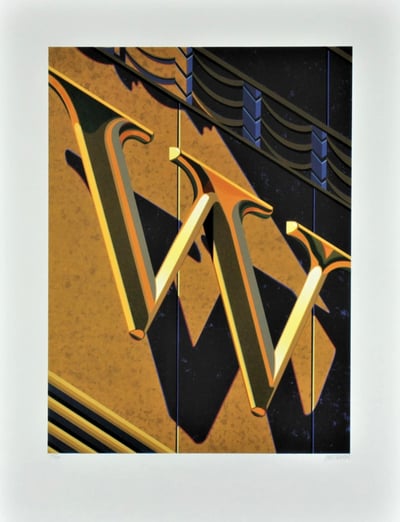
Robert Cottingham
The Letter W, 2001
Limited Edition Print
Lithograph
USD 1,100
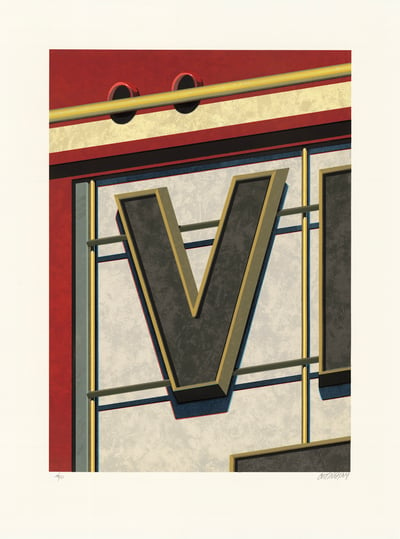
Robert Cottingham
The Letter V, 2001
Limited Edition Print
Lithograph
USD 1,100
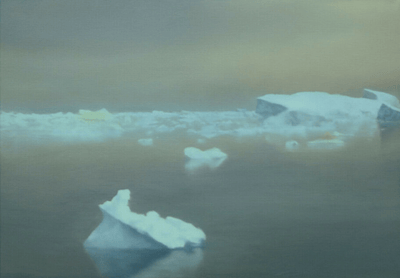
Gerhard Richter
Eis (Ice), 2021
Limited Edition Print
Mixed Media
EUR 2,500 - 3,500
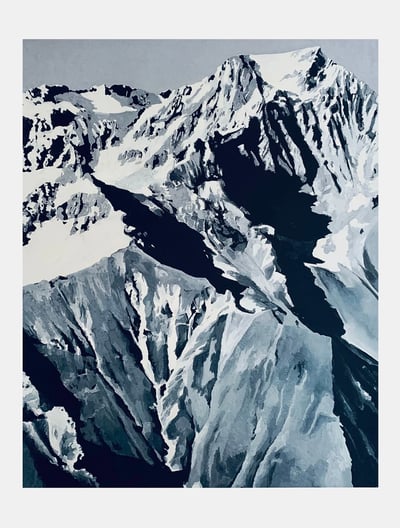
Gerhard Richter
Himalaya, 1968 / 2021
Limited Edition Print
Mixed Media
EUR 2,500
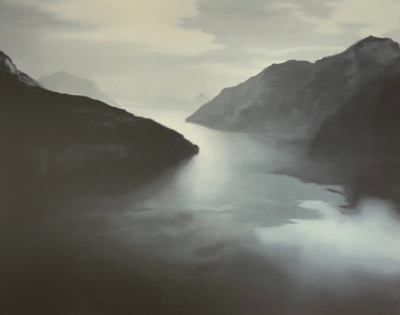
Gerhard Richter
Vierwaldstättersee, 1969 / 2021
Limited Edition Print
Mixed Media
EUR 2,800
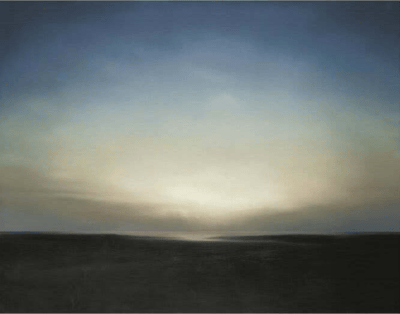
Gerhard Richter
Abendstimmung (Evening Calm), 2021
Limited Edition Print
Mixed Media
EUR 2,800

Michelangelo Pistoletto
Amare, 2006
Limited Edition Print
Mixed Media
Currently Not Available
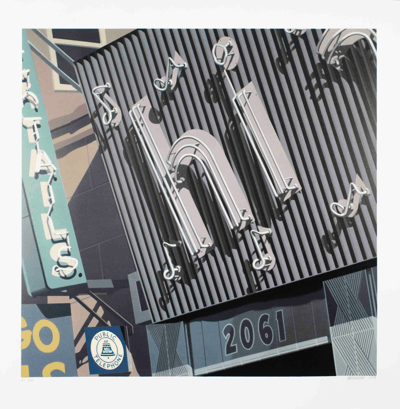
Robert Cottingham
Hi, 2009
Limited Edition Print
Silkscreen
USD 1,350
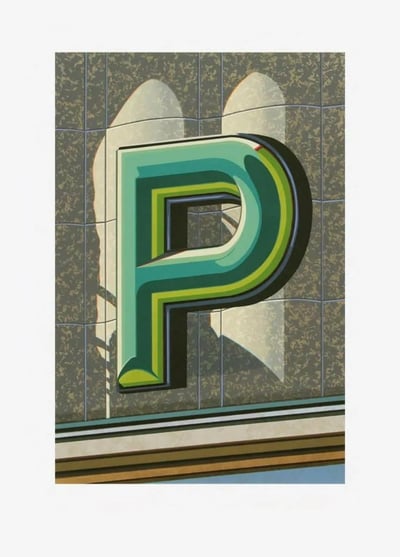
Robert Cottingham
The Letter P, 2001
Limited Edition Print
Lithograph
USD 1,100
Related Articles

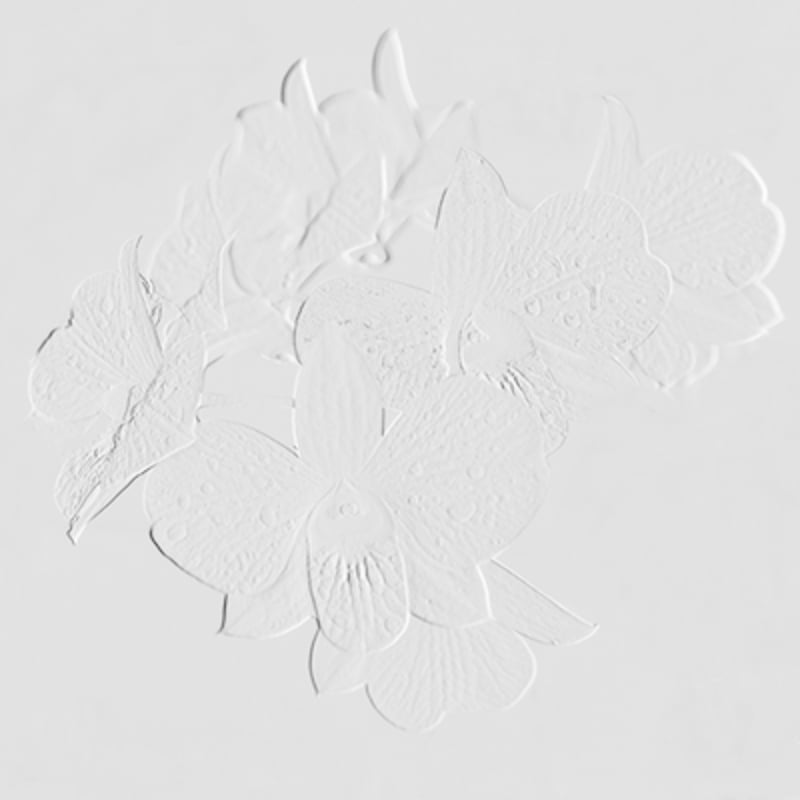
Embossing is a technique used to create raised designs or images on a surface, typically paper. Artists achieve this effect by altering the shape of the paper, often by pressing it from the reverse side using a template and a tool like a sanded dowel. The result is a design with multiple levels of depth, giving a three-dimensional appearance.

Concrete Art is an art movement founded by the Dutch artist Theo van Doesburg in the 1930s. The movement emphasizes pure abstraction, focusing on geometric shapes and colors without any reference to the natural world or symbolic meaning. Unlike other forms of abstract art, Concrete Art is entirely non-representational and is based on mathematical principles and precise execution. It aims to create universal, timeless works by using simple, clear forms that emphasize objectivity and clarity.

Tempera is a paint traditionally made by mixing colored pigments with egg yolk. It dries quickly and is highly durable, with some examples dating back to 100 AD still in existence. Modern tempera paint often uses glue size as a binder instead of egg yolk. Tempera is known for its bright colors and fine, detailed application, making it popular for panel paintings and icons.
Can't find your Answer?
Thank you! Your question has been sent — we'll get back to you shortly.
