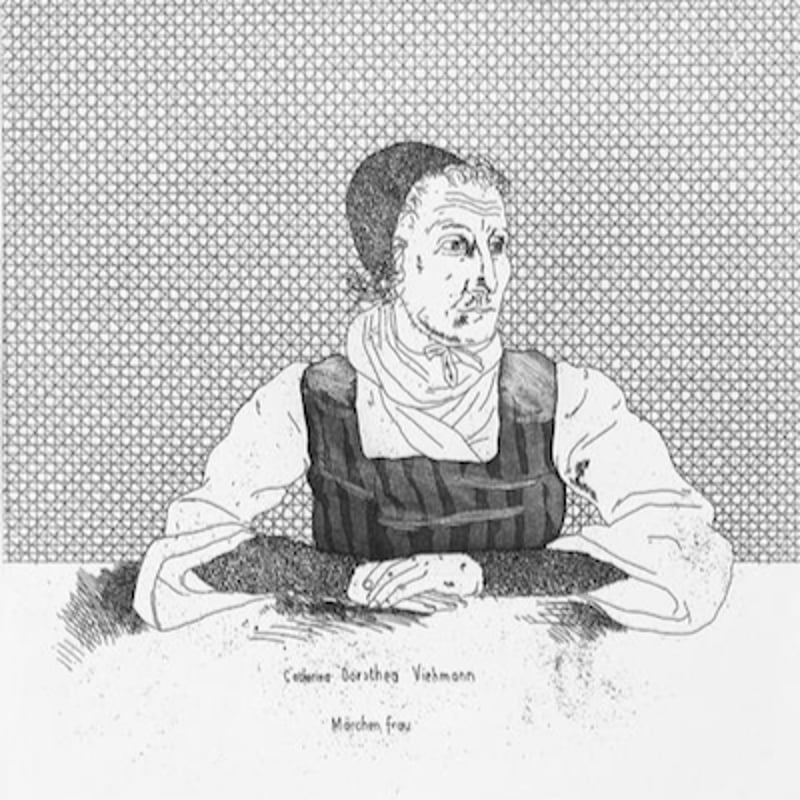
What is Modern Realism?
- Show All
- Established
- Discoveries
- Show All
Artworks Related to Modern Realism
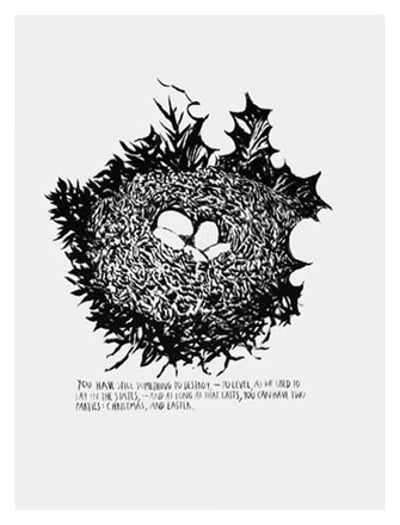
Raymond Pettibon
No Title (You have still), 2002
Limited Edition Print
Silkscreen
EUR 1,500
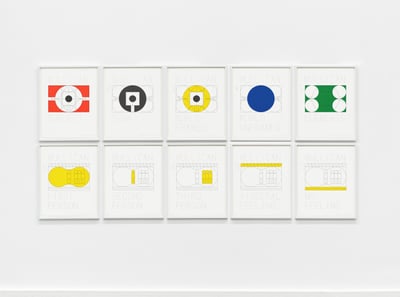
Matt Mullican
Subjects (10), 2018
Limited Edition Print
Lithograph
EUR 6,000
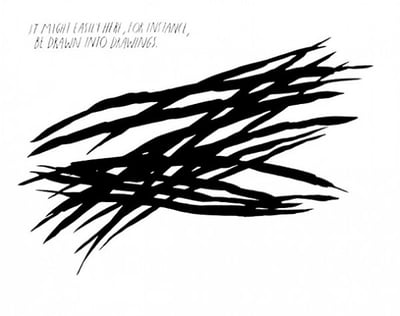
Raymond Pettibon
Untitled, It might easily -be drawn into drawings, 1990
Limited Edition Print
Serigraph
USD 2,900
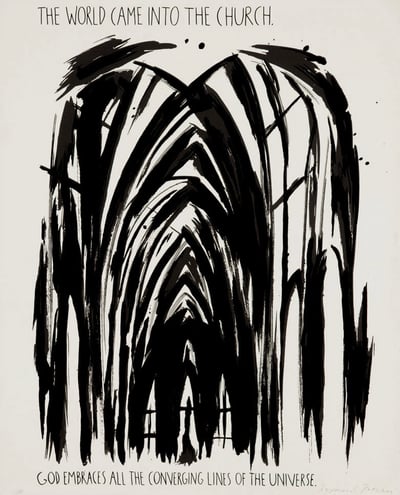
Raymond Pettibon
The World Came into the Church, 1991
Limited Edition Print
Screen-print
USD 2,950

Lucian Freud
Before The Fourth, 2004
Limited Edition Print
Etching
Currently Not Available
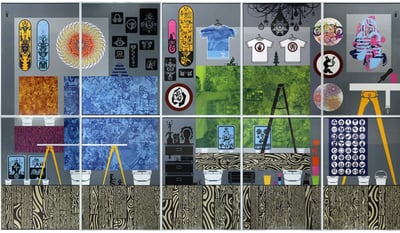
Ryan McGinness
Studio View , 2016
Limited Edition Print
Lithograph
EUR 70,000
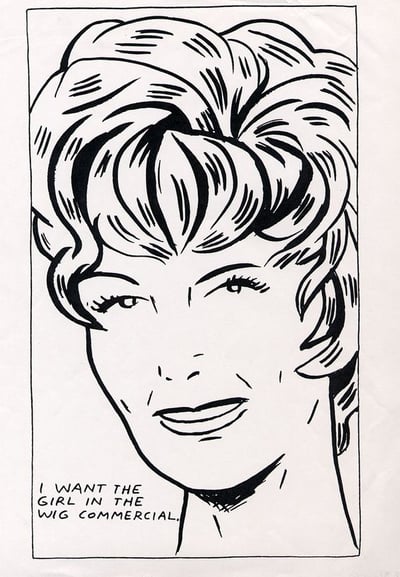
Raymond Pettibon
I Want To Be The Girl In The Wig Commercial, 1989
Limited Edition Print
Lithograph
USD 3,900
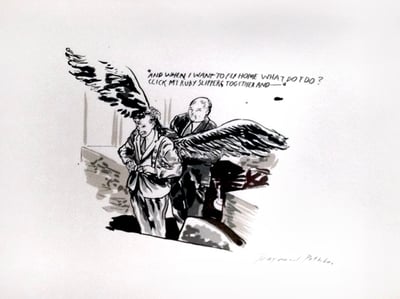
Raymond Pettibon
And When I Want to Fly Home What Do I Do?, 2004
Limited Edition Print
Lithograph
USD 2,700
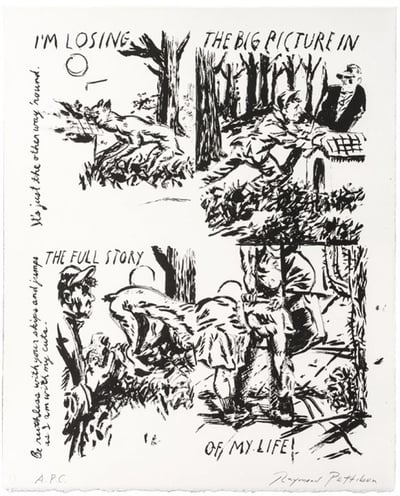
Raymond Pettibon
I’m Losing The Big Picture In The Full Story Of My Life, 2010
Limited Edition Print
Lithograph
USD 3,900
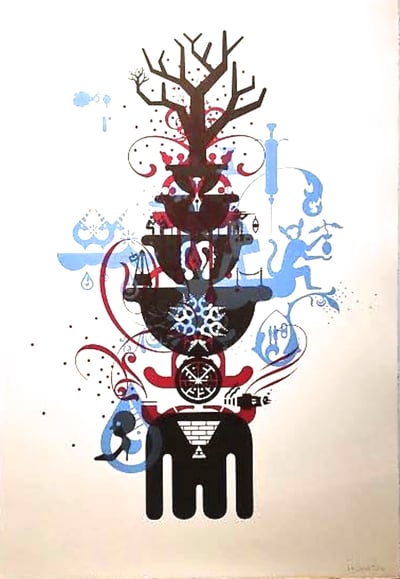
Ryan McGinness
Stability-Monoprint,, 2012
Limited Edition Print
Monoprint
USD 8,500
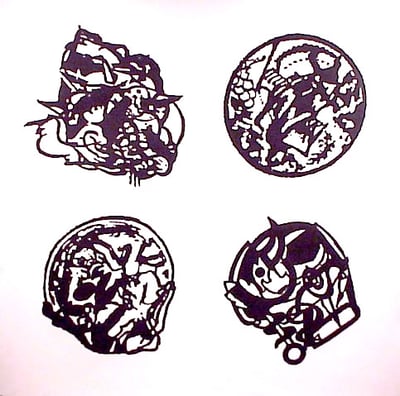
Peter Nagy
Four Cancer Logos, 1988
Limited Edition Print
Lithograph
USD 1,800
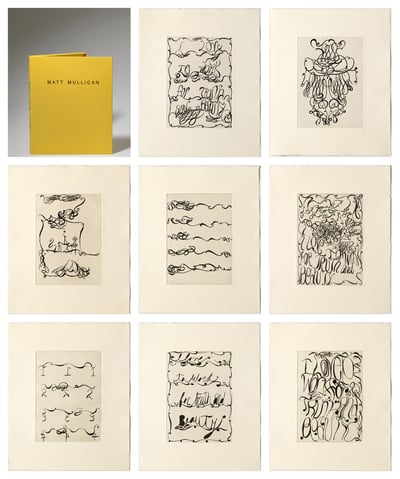
Matt Mullican
Untitled (Truth & Beauty), 2009
Limited Edition Print
Etching
EUR 8,500
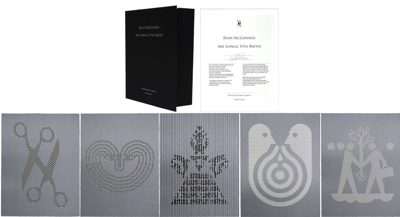
Ryan McGinness
Ars Longa, Vita Brevis, 2012
Limited Edition Print
Lithograph
EUR 16,000
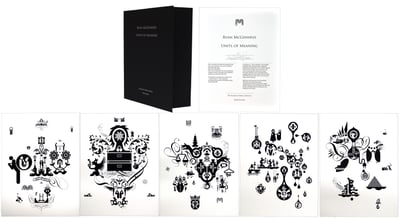
Ryan McGinness
Units of Meaning, 2012
Limited Edition Print
Lithograph
EUR 16,000
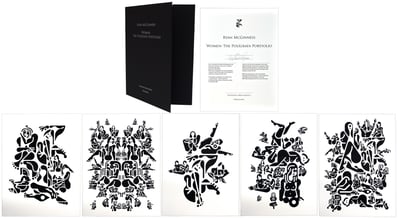
Ryan McGinness
Women, 2012
Limited Edition Print
Lithograph
EUR 16,000
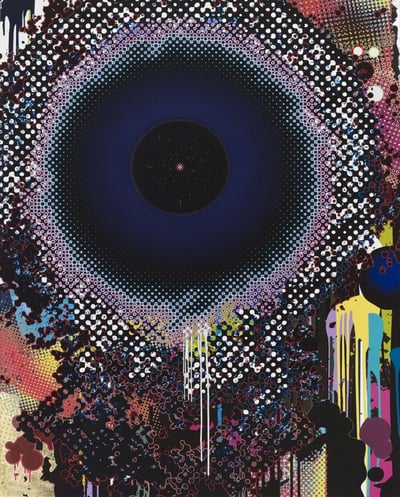
Takashi Murakami
Warp, 2009
Limited Edition Print
Offset Print
EUR 1,500
Related Articles


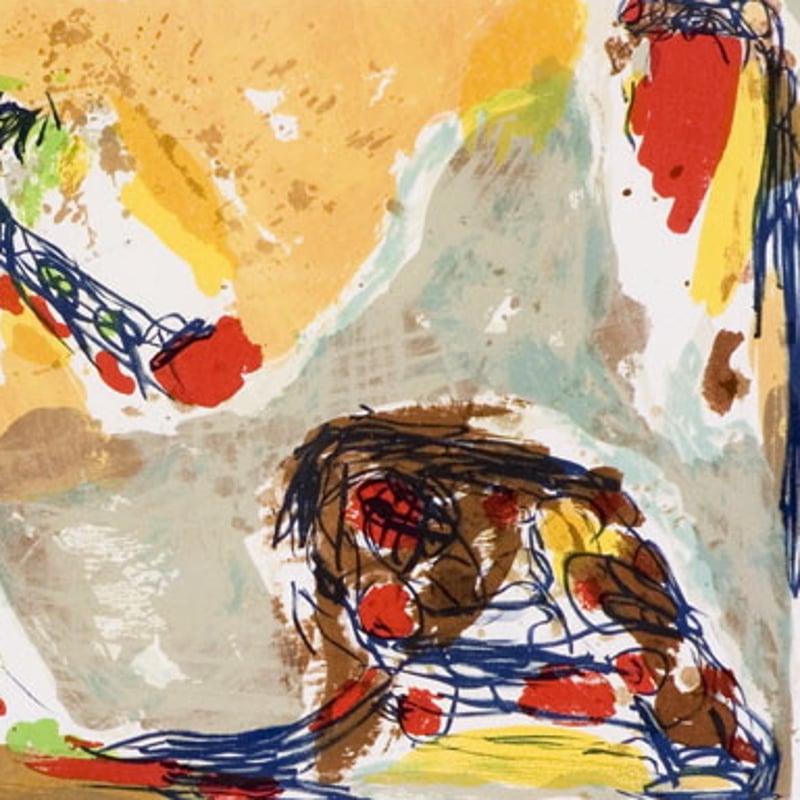
Situationism is a psychological theory that gained prominence in 1968, following the publication of a monograph by Walter Mischel that sparked the Person-situation debate. This theory argues that behavior is primarily influenced by external situational factors rather than internal traits or motivations, challenging the ideas of trait theorists like Raymond B. Cattell and Hans Eysenck, who emphasized stable personality traits. It is important not to confuse this with the Situationist International movement, an artistic and political movement founded by Asger Jorn, which focused on the critique of modern consumer society and the influence of environments on human behavior.
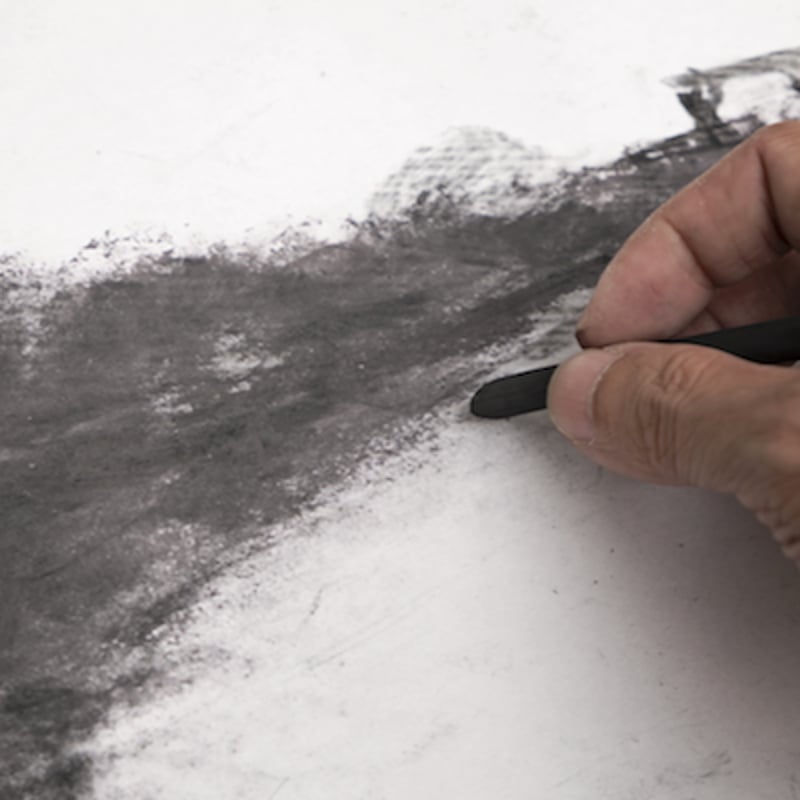
Charcoal is made from charred wood and is used in both initial sketches and finished drawings. It can be easily smudged or erased, making it versatile for corrections. To make charcoal drawings permanent, a fixative like resin or gum is required. It’s especially useful for sketching first ideas on walls or canvas.
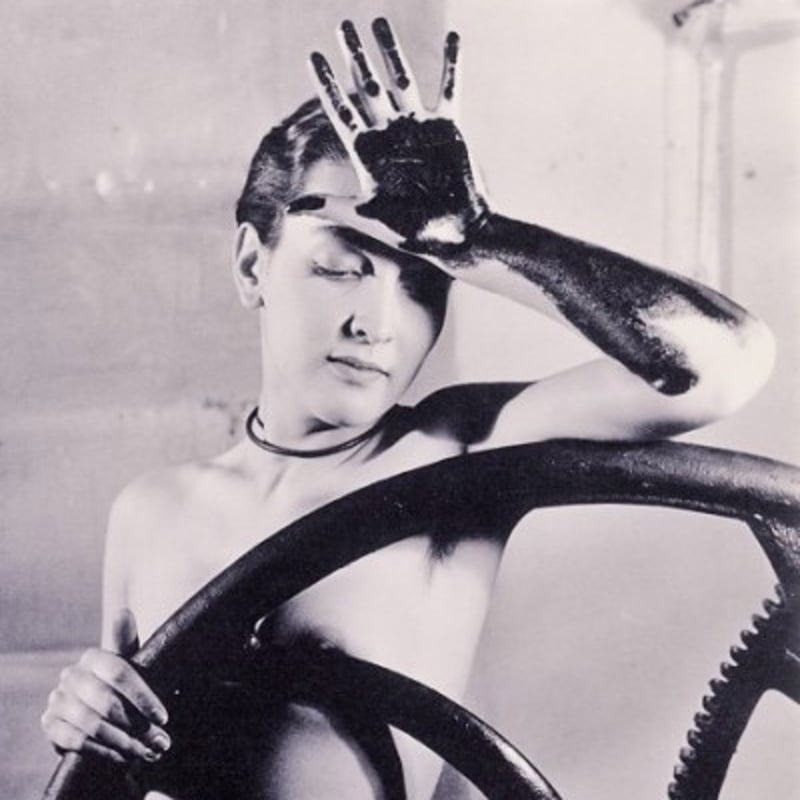
Avant-garde refers to innovative and experimental ideas in the arts that challenge established norms and conventions. Originating from the French term for advance guard, it describes both the movement and the artists who push the boundaries of creativity, often exploring new techniques, forms, and concepts. The avant-garde has been a driving force in various art movements throughout history, such as Dadaism, Surrealism, and Abstract Expressionism, continually reshaping the landscape of art and culture.
Can't find your Answer?
Thank you! Your question has been sent — we'll get back to you shortly.
