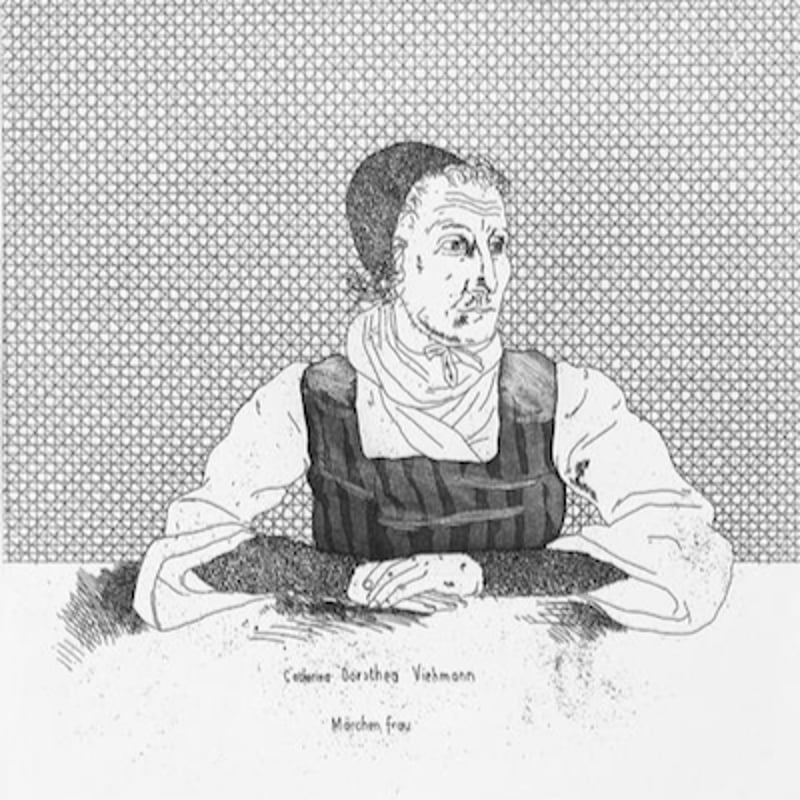
What is Modern Realism?
- Show All
- Established
- Discoveries
- Show All
Artworks Related to Modern Realism
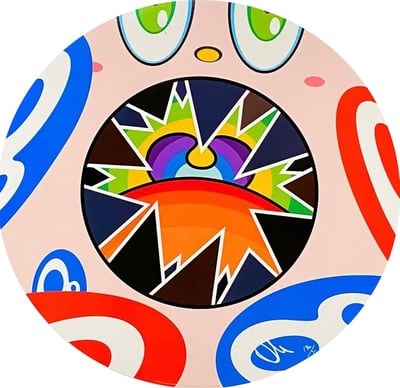
Takashi Murakami
Untitled XXV from We Are the Jocular Clan, 2018
Limited Edition Print
Lithograph
USD 1,550
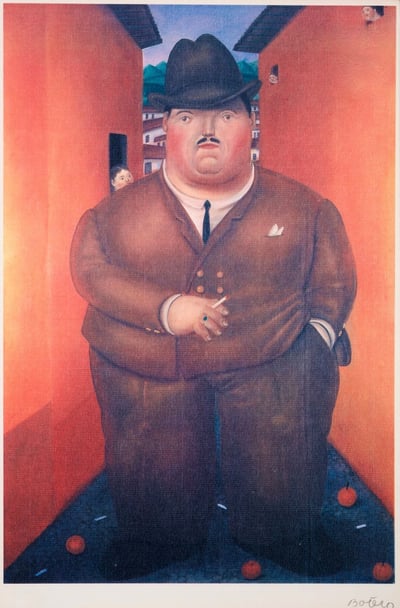
Fernando Botero
Fumador de Cigarrillos, 1975 -1980
Limited Edition Print
Lithograph
Currently Not Available
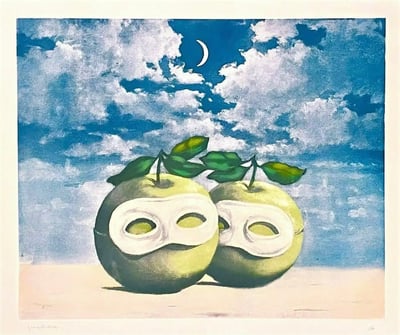
Rene Magritte
La Valse Hesitation, 1971
Limited Edition Print
Etching and Aquatint
Currently Not Available
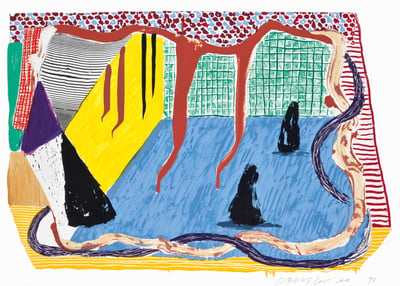
David Hockney
Ink in the Room (from Some New Prints), 1993
Limited Edition Print
Screen-print
GBP 25,000 - 35,000
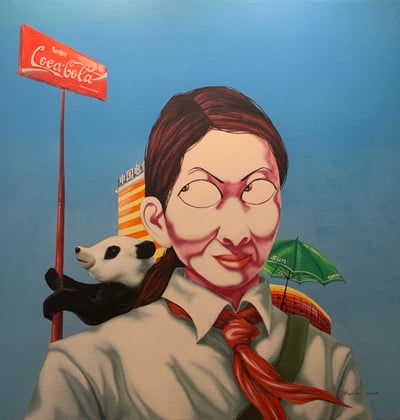
Zhao Bo
Untitled (Coca Cola Panda), 2005
Painting
Oil on canvas
USD 6,000

Takashi Murakami
Rum Pum Pum In A Field Of Flowers!, 2022
Limited Edition Print
Offset Print
GBP 1,800

David Spiller
You Are My Sunshine, 2021
Limited Edition Print
Silkscreen
EUR 1,400
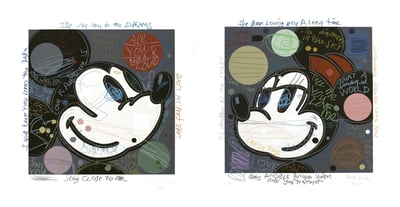
David Spiller
Angels Bright Watch Over You Tonight; Stay Close To Me, 2020
Limited Edition Print
Silkscreen
EUR 2,750

Takashi Murakami
School Entrance Ceremony, 2022
Limited Edition Print
Mixed Media
GBP 3,000 - 5,000

Takashi Murakami
Dob and then, and then, and then, 2006
Limited Edition Print
Offset Print
EUR 1,800

Takashi Murakami
Red dob and then and then…, 2006
Limited Edition Print
Offset Print
EUR 2,000
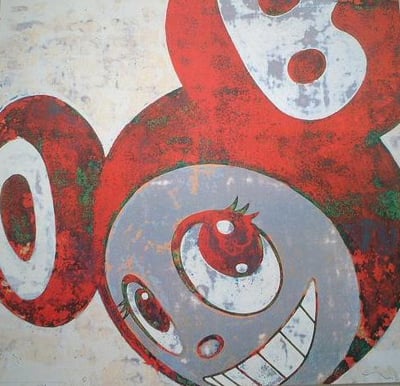
Takashi Murakami
Red and green dob, and then and then…, 2006
Limited Edition Print
Offset Print
EUR 1,950

Takashi Murakami
Yonaguni, 2022
Limited Edition Print
Mixed Media
GBP 3,000 - 5,000
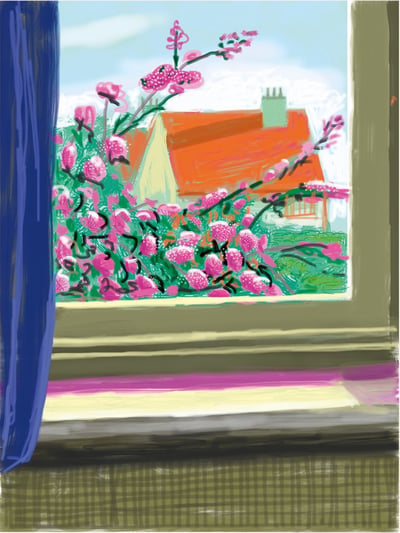
David Hockney
Ipad Drawing My Window. No. 778, 17th April 2011, 2019
Limited Edition Print
Inkjet print
GBP 39,700
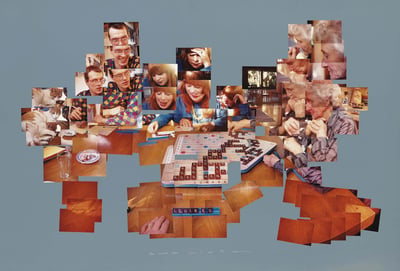
David Hockney
The Scrabble Game, 1983
Limited Edition Print
Collage
USD 42,500
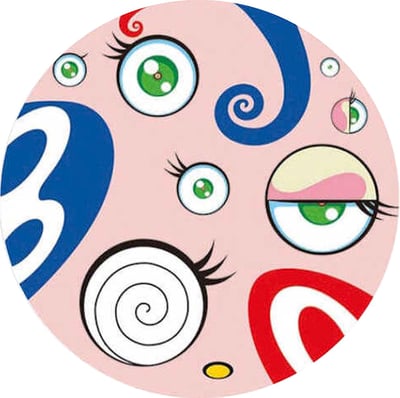
Takashi Murakami
Untitled I from We Are the Jocular Clan, 2018
Limited Edition Print
Lithograph
USD 1,550
Related Articles
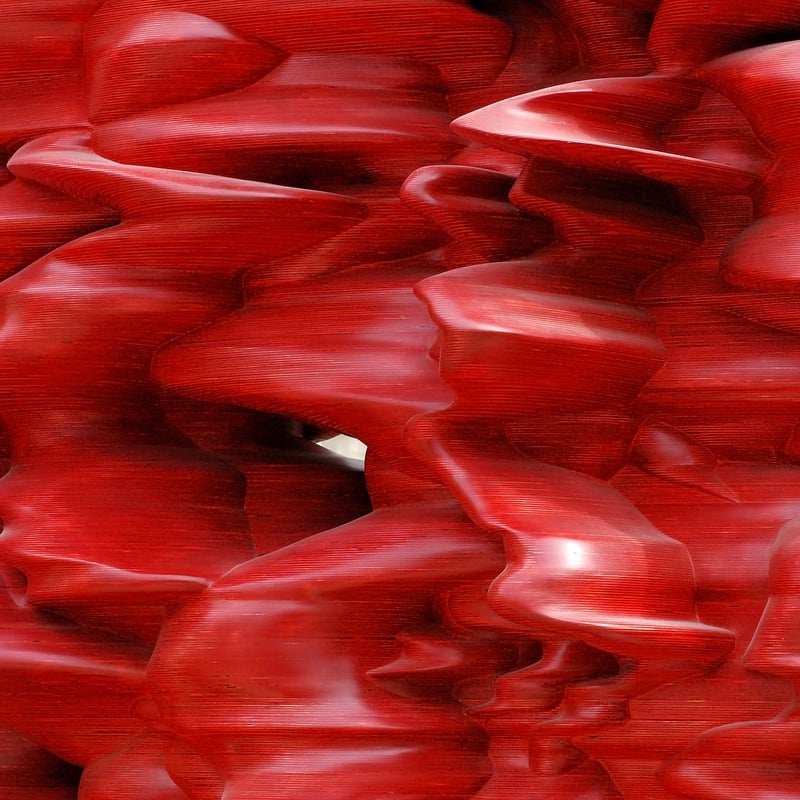

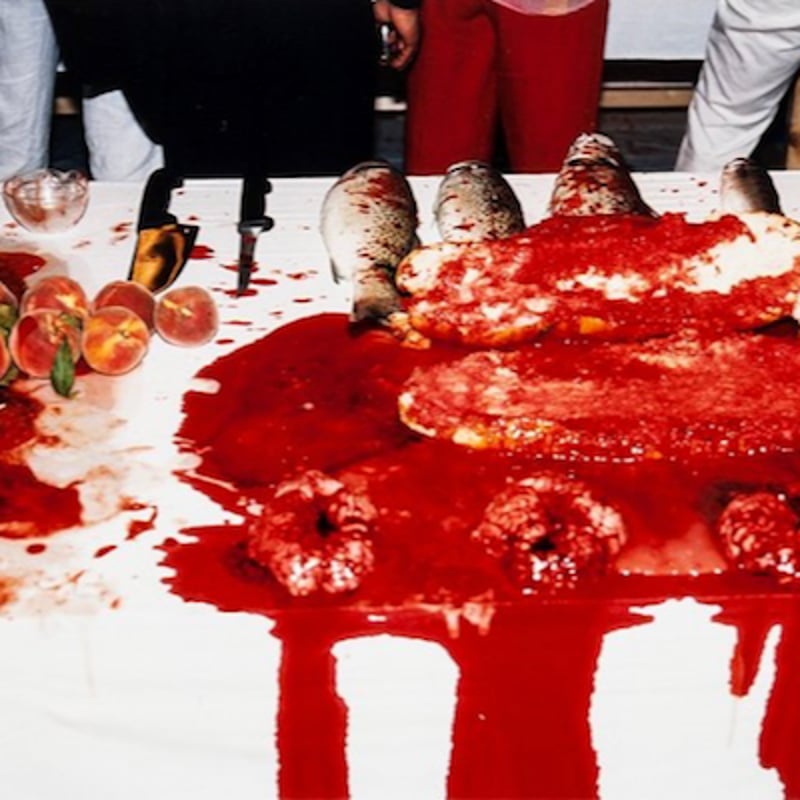
Viennese Actionism was a short-lived but intense art movement in the 20th century, emerging as part of the broader action art efforts of the 1960s. Known for its violent and provocative performances, the movement sought to break traditional art boundaries. Key figures in this movement included Arnulf Rainer and Hermann Nitsch.
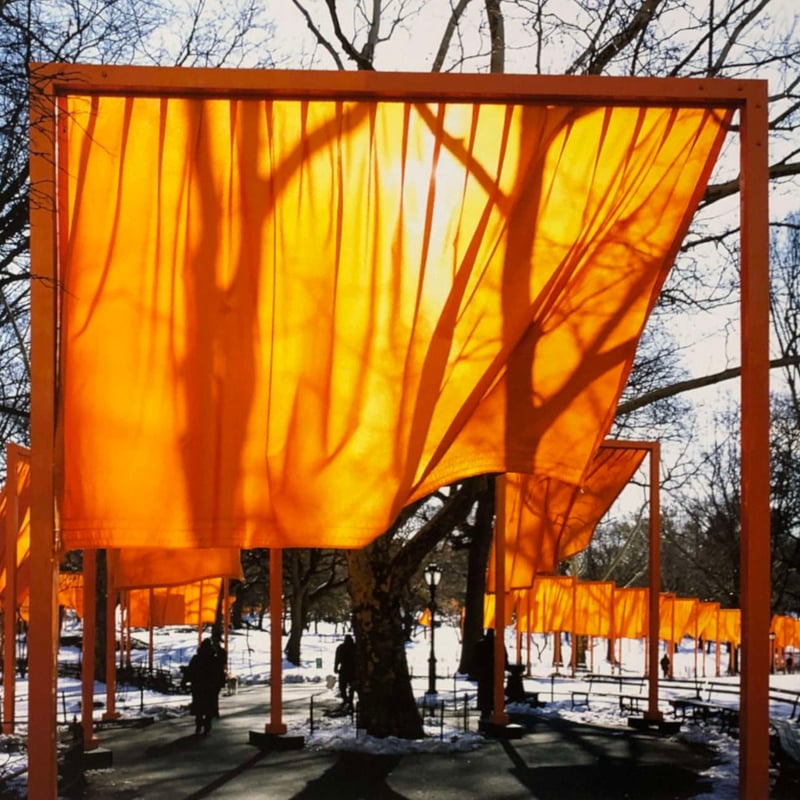
Ephemeral art is a type of art that occurs only once and typically lasts for a very short period. It cannot be displayed as a traditional work of art in a gallery or museum. Examples of ephemeral art include performances, happenings, sound sculptures, flyers, and mass-produced items. This art form emphasizes the transient nature of the experience, existing only in the moment and often leaving no lasting physical trace.

Metalcut was a relief printing technique used primarily in Europe from around 1450 to 1540. The technique involved using thin metal plates. One method involved cutting or hammering away parts of the plate that were not intended to print, while the other method used engraving to create white lines on a black background.
Can't find your Answer?
Thank you! Your question has been sent — we'll get back to you shortly.
