
What is kinetic art?
- Show All
- Established
- Discoveries
- Show All
Artworks Related to Kinetic art

Julio Le Parc
Formes Virtuelles Par Déplacement, 2017
Sculpture / Object
Mixed Media
EUR 9,000

Victor Vasarely
Attila, 1990
Limited Edition Print
Screen-print
EUR 1,900

Victor Vasarely
VY-29-C, 1973
Limited Edition Print
Serigraph
EUR 2,200
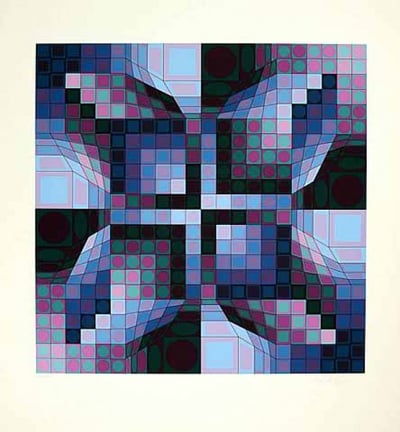
Victor Vasarely
Firka
Limited Edition Print
Silkscreen
EUR 1,700

Victor Vasarely
Gordes Nives, 1971
Limited Edition Print
Lithograph
EUR 1,400

Victor Vasarely
XLV
Limited Edition Print
Silkscreen
EUR 2,200

Victor Vasarely
Kat-Zag, 1980
Limited Edition Print
Lithograph
EUR 1,980
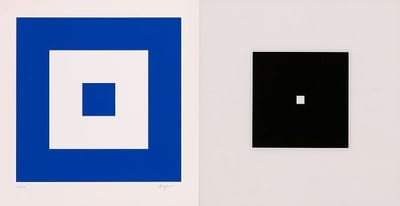
Yaacov Agam
Big Bang Blue, 1989
Limited Edition Print
Silkscreen
EUR 980

Yaacov Agam
Rainbow Torah, 1992
Sculpture / Object
Plastic
Currently Not Available
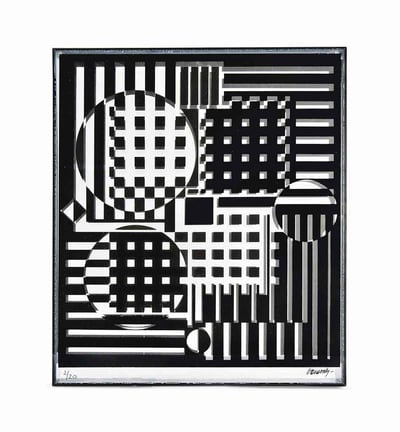
Victor Vasarely
Pleionne, 1990
Sculpture / Object
Acrylic sculpture
Currently Not Available

Dario Perez-Flores
Prochromatique YC2, 2013
Painting
Acrylic on canvas
EUR 3,500

Dario Perez-Flores
Relief Prochromatique 2, 2015
Painting
Mixed Media
EUR 3,500

Dario Perez-Flores
Relief Prochromatique 1, 2015
Limited Edition Print
Mixed Media
EUR 3,500

Dario Perez-Flores
Prochromatique Tryptich, 2015
Limited Edition Print
Lithograph
EUR 250

Dario Perez-Flores
Prochromatique 2, 2010
Sculpture / Object
Mixed Media
EUR 2,500
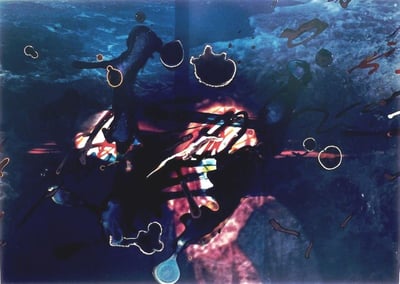
Rebecca Horn
Zenith of the Ocean II, 2007
Photography
C-Print
Currently Not Available
Related Articles



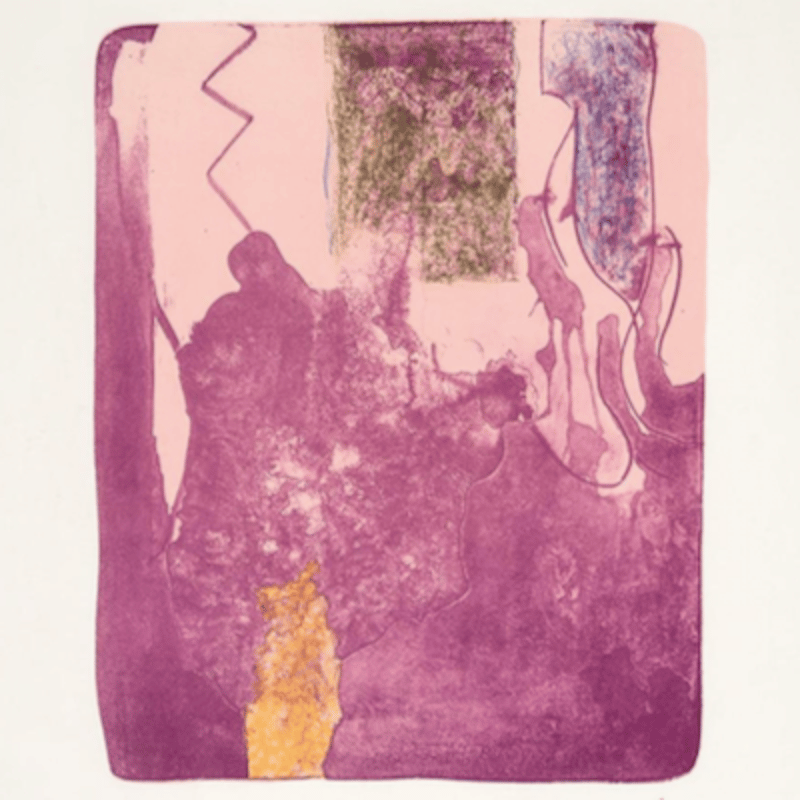
Abstract Expressionism is an art movement that emerged in the United States during the 1940s and 1950s. Characterized by large, abstract canvases, the movement emphasized spontaneous, expressive brushwork and the use of color and form to convey emotion rather than represent reality. Artists like Jackson Pollock, Mark Rothko, and Willem de Kooning are key figures in this movement. Abstract Expressionism marked a shift in the art world, making New York City a center of the international art scene.

Shock Art is an art movement that uses disturbing images, scents, or sounds to provoke a strong, often shocked, reaction from viewers. It is often regarded as a form of social commentary, with critics and supporters debating whether its impact is positive or negative. Shock Art frequently employs taboo, obscene, or outrageous elements to challenge societal norms and provoke critical thought.

A curator is a professional responsible for managing and overseeing a collection of art pieces or artifacts. Employed by a gallery or museum, curators use their expertise to acquire, develop, display, and care for the collection. They also organize exhibitions and ensure that the collection is accessible to the public.
Can't find your Answer?
Thank you! Your question has been sent — we'll get back to you shortly.
