
What is Hard Edge Art?
- Show All
- Established
- Discoveries
- Show All
Artworks Related to Hard Edge art
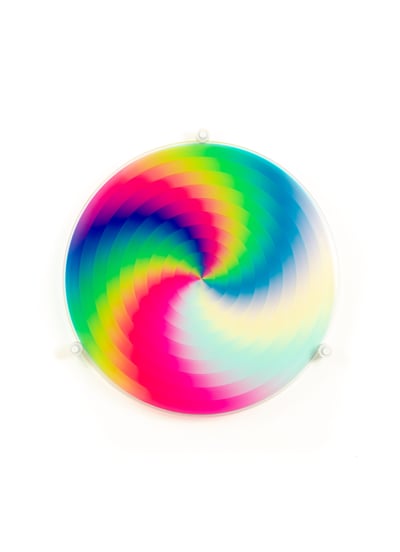
Felipe Pantone
Substractive Variability Compact, 2022
Sculpture / Object
Acrylic sculpture
EUR 4,700
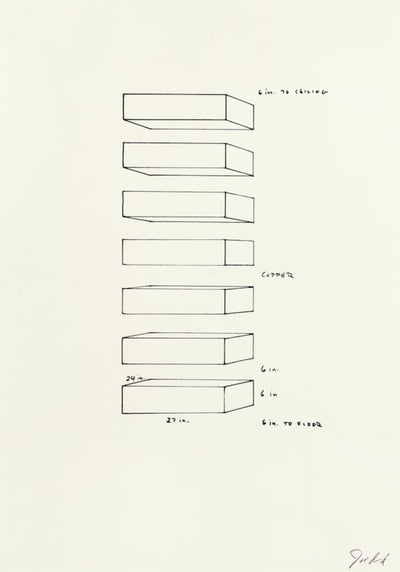
Donald Judd
Untitled (from Kunstmarkt Köln), 1969
Limited Edition Print
Offset Print
Currently Not Available
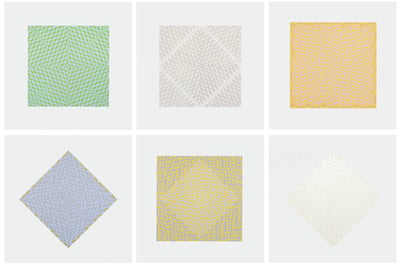
Anni Albers
DO. I - VI, 1973
Limited Edition Print
Screen-print
Currently Not Available
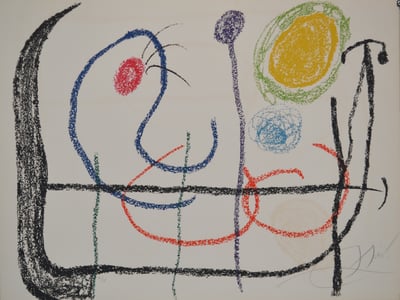
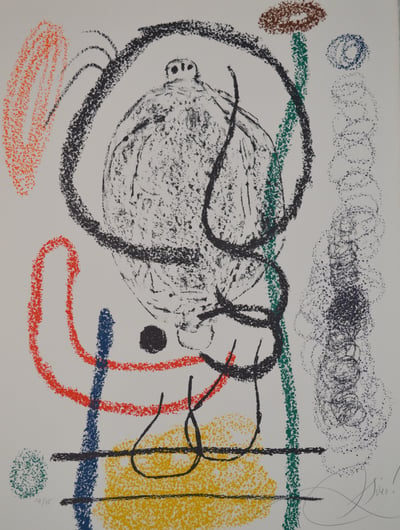
Joan Miró
Untitled, from Album 21 portfolio - M1136, 1978
Limited Edition Print
Lithograph
USD 6,250
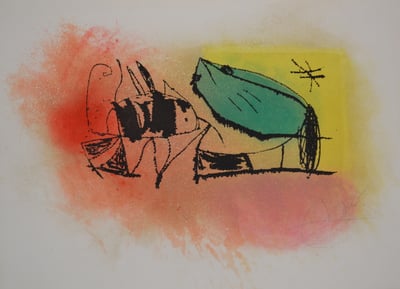
Joan Miró
Untitled, from Album 21 portfolio - M1130, 1978
Limited Edition Print
Lithograph
USD 6,250
Joan Miró
Les Scarabees - D1018, 1978
Limited Edition Print
Mixed Media
USD 6,250

Julian Opie
Belgium 1, 2021
Sculpture / Object
Acrylic sculpture
USD 16,100

Julian Opie
Belgium 3, 2021
Sculpture / Object
Acrylic sculpture
USD 16,100
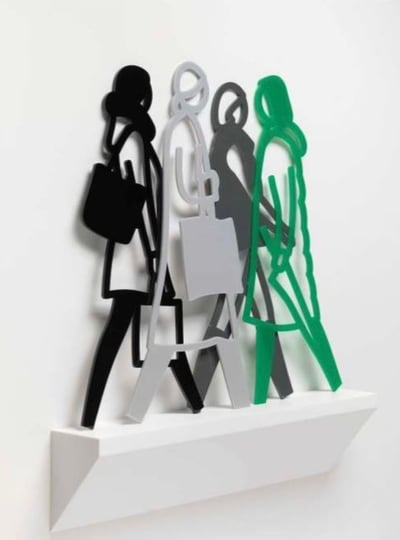
Julian Opie
Belgium 4, 2021
Sculpture / Object
Acrylic sculpture
USD 16,100
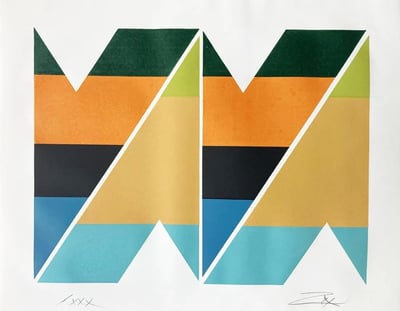
Larry Zox
Scissors, 1980
Limited Edition Print
Mixed Media
Inquire For Price

Takashi Murakami
School Entrance Ceremony, 2022
Limited Edition Print
Mixed Media
GBP 3,000 - 5,000
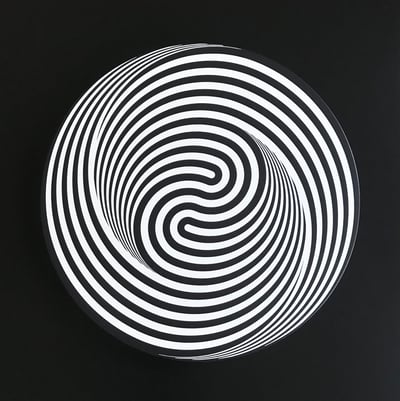
Marina Apollonio
Dinamica Circolare 6Z+R, 1965-2021
Sculpture / Object
Mixed Media
EUR 3,000
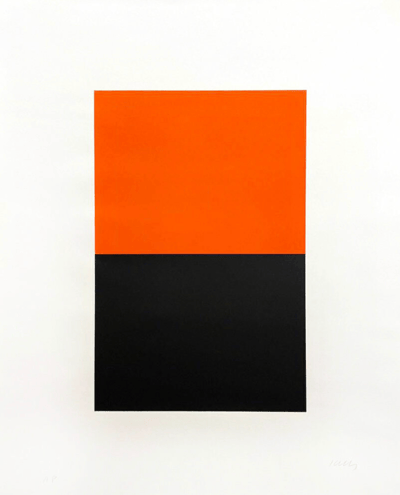
Ellsworth Kelly
Untitled (Orange/Black), 1972
Limited Edition Print
Lithograph
USD 17,750
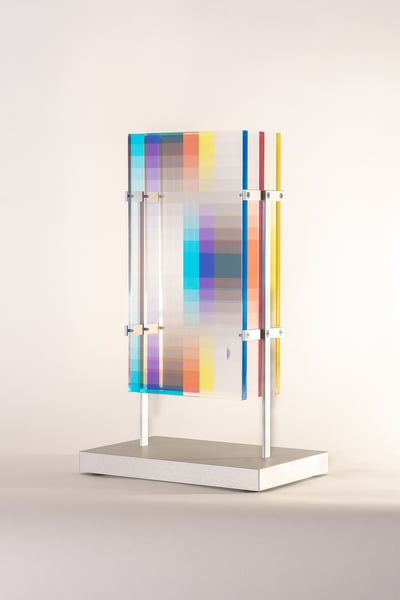
Felipe Pantone
Substractive Variability Manipulable IV, 2021
Sculpture / Object
Mixed Media
EUR 3,800

Donald Sultan
Lip Print II, 1989
Limited Edition Print
Aquatint
Inquire For Price
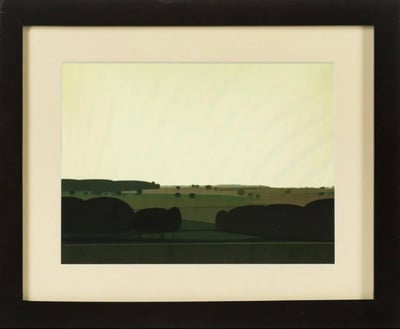
Julian Opie
View from my bedroom window, 2007
Digital Art
Video art
Currently Not Available
Related Articles
Monochromatic describes paintings, photographs, designs, or drawings that utilize one color or various shades of a single color. Monochromatic objects have a limited range of hues. While the term often refers to black and white or grayscale images, it can also apply to any artwork that contains tones of just one color.

Surrealism began in the 1920s as an art and literary movement with the goal of revealing the unconscious mind and unleashing the imagination by exploring unusual and dream-like imagery. Influenced by Sigmund Freud’s theories of psychoanalysis, Surrealist artists and writers sought to bring the unconscious into rational life, blurring the lines between reality and dreams. The movement aimed to challenge conventional perceptions and express the irrational aspects of the human experience.
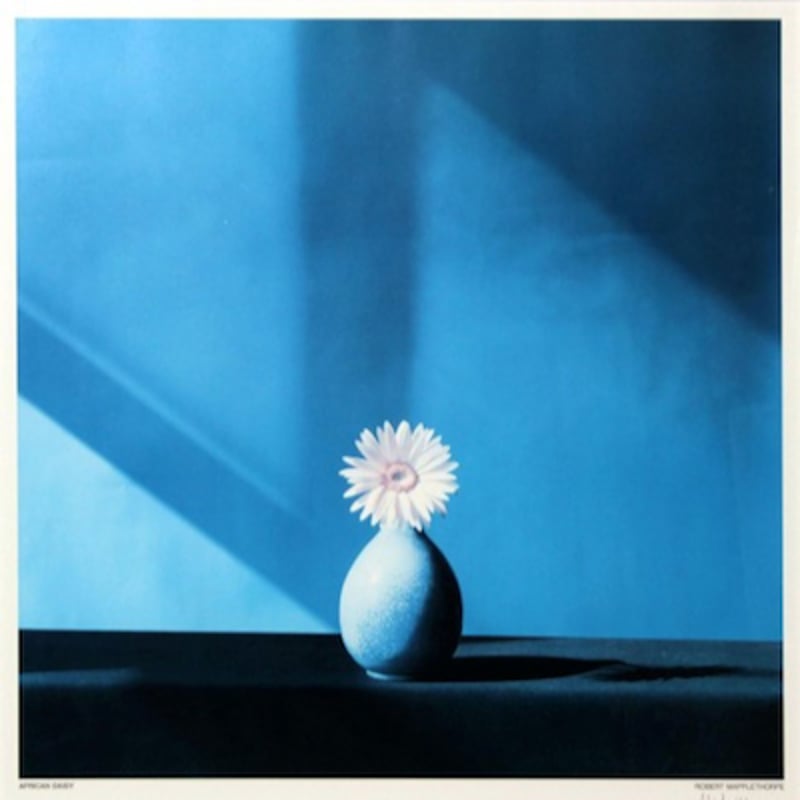
Photogravure is a high-quality printing process that involves etching a photograph onto a copper plate. The plate is inked and pressed onto paper, producing fine art prints with detailed, soft tones and rich textures. Developed in the 19th century, photogravure is renowned for its ability to create art reproductions with exceptional depth and subtlety.
Can't find your Answer?
Thank you! Your question has been sent — we'll get back to you shortly.
