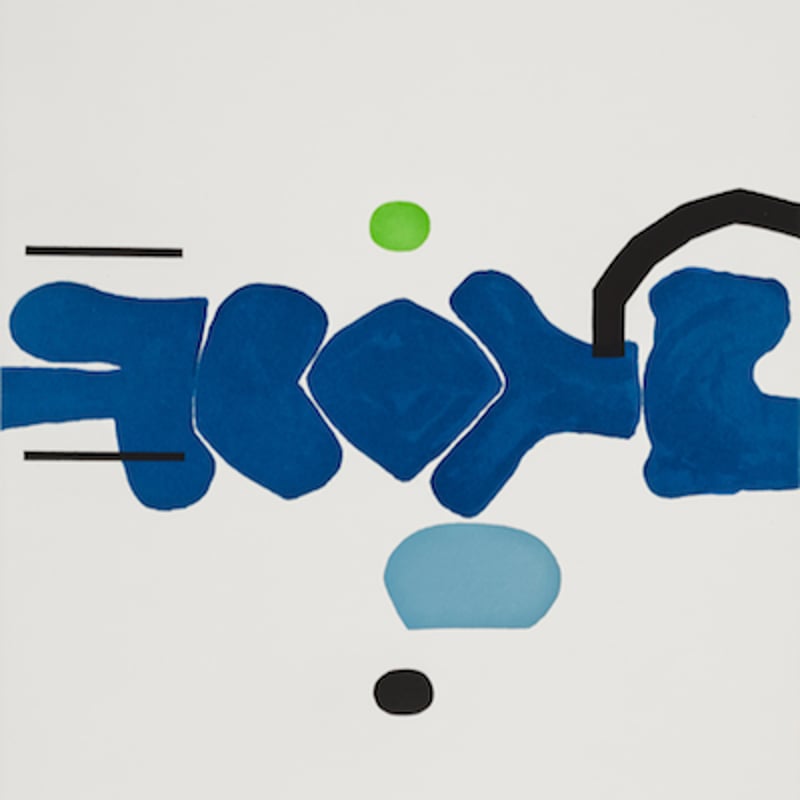
What is constructivism?
- Show All
- Established
- Discoveries
- Show All
Artworks Related to Constructivism

Henry Moore
Recling Mother And Child II, 1979
Limited Edition Print
Mixed Media
EUR 1,750

Henry Moore
Seated Figure IV - Reverse Lighting, 1974
Limited Edition Print
Lithograph
EUR 2,250

Henry Moore
Shipwreck II, 1973
Limited Edition Print
Lithograph
EUR 2,310
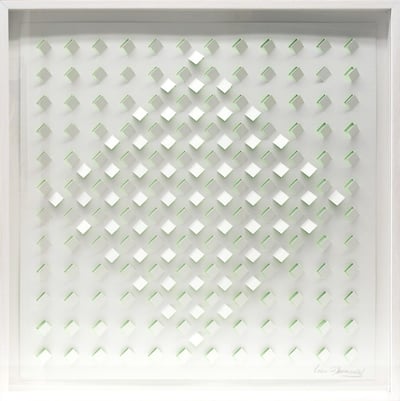
Luis Tomasello
S/T 1 - Verde, 2013
Limited Edition Print
Lithograph
EUR 3,000
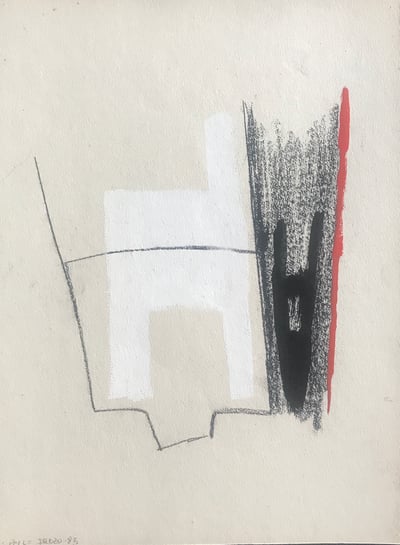
Pello Irazu
Untitled #4, 1985
Painting
Mixed Media
EUR 2,250

Pello Irazu
Untitled #3, 1985
Painting
Mixed Media
EUR 2,250
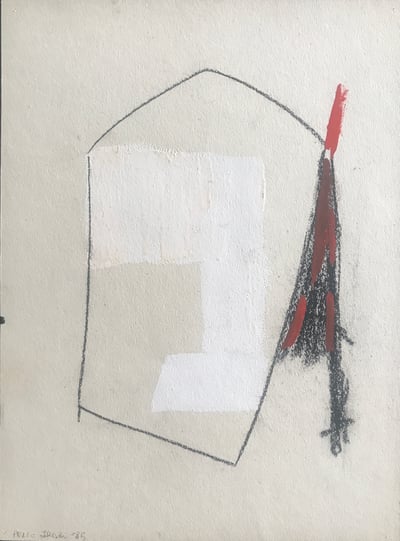
Pello Irazu
Untitled #2, 1985
Painting
Mixed Media
EUR 2,250

Pello Irazu
Untitled #1, 1985
Painting
Mixed Media
EUR 2,250
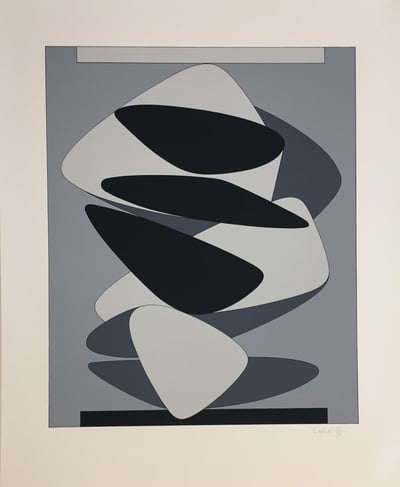
Victor Vasarely
Kervilahuen-BL, 1985
Limited Edition Print
Serigraph
EUR 1,300
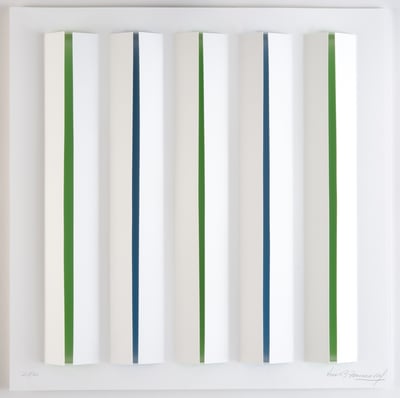
Luis Tomasello
s/t 2, 2012
Sculpture / Object
Mixed Media
EUR 2,200
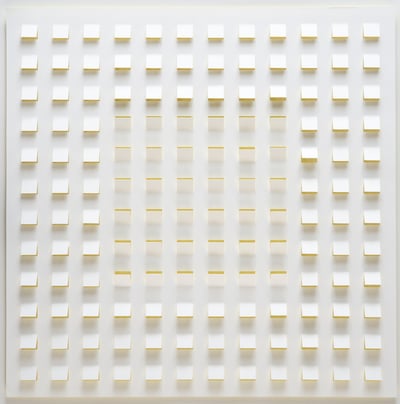
Luis Tomasello
s/t 3, 2012
Sculpture / Object
Mixed Media
EUR 2,200
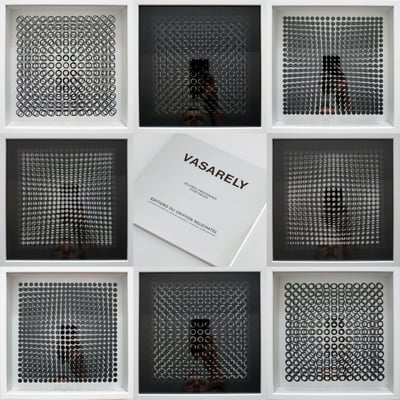
Victor Vasarely
Oeuvres Profondes Cinetiques
Limited Edition Print
Serigraph
EUR 1,500
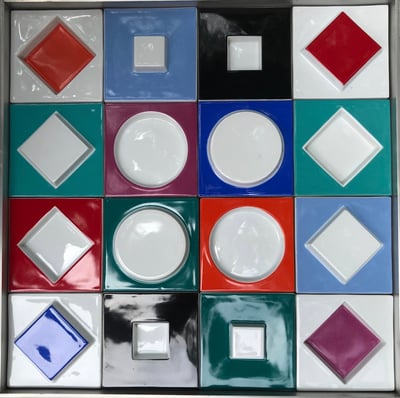
Victor Vasarely
Composition Caree Relief, 1970
Sculpture / Object
Ceramic
EUR 4,850
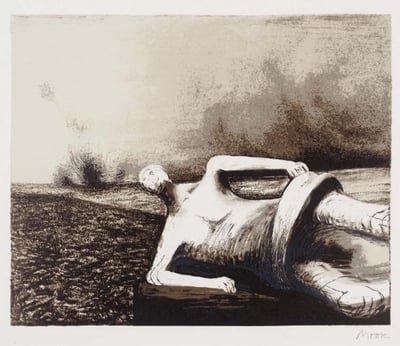
Henry Moore
Male figure in landscape C.470, 1977
Limited Edition Print
Lithograph
USD 5,000
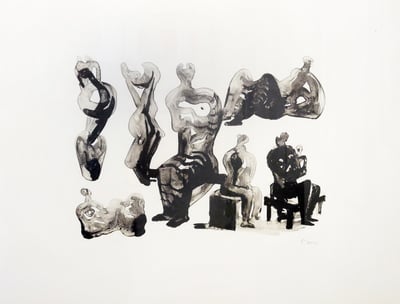
Henry Moore
Ideas for sculptures C. 365
Limited Edition Print
Lithograph
USD 3,750
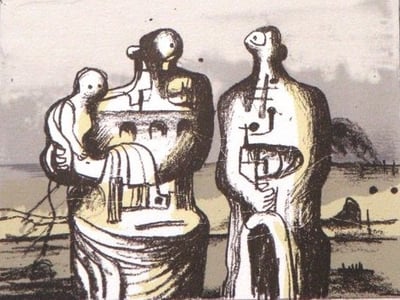
Henry Moore
Group in industrial landscape C. 418, 1975
Limited Edition Print
Lithograph
USD 3,750
Related Articles


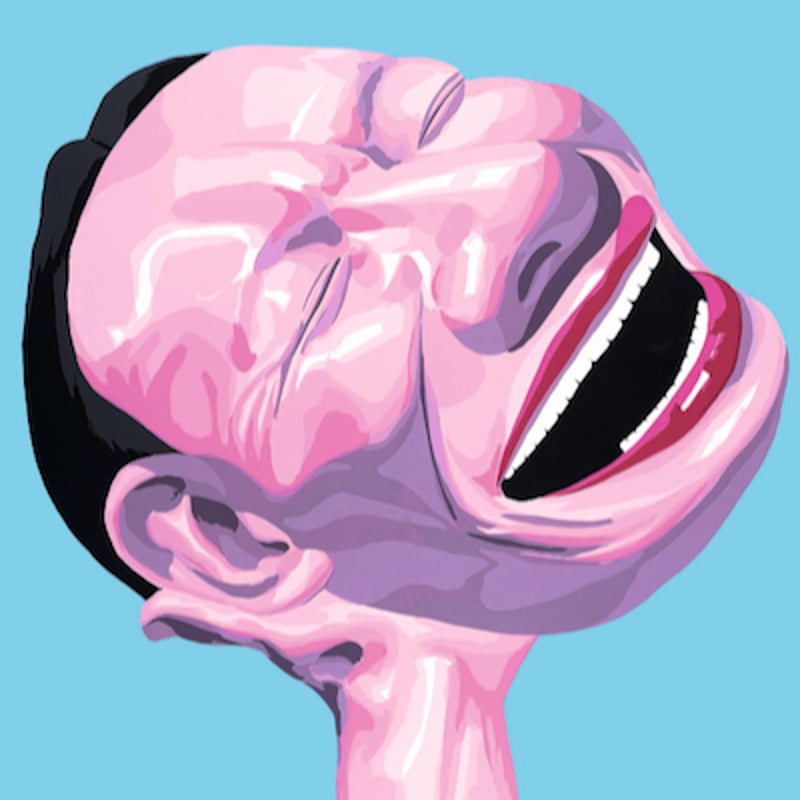
Cynical Realism is a term first used in 1992 by art critic Li Xianting to describe a group of Beijing artists who created satirical social realist paintings. The group aimed to depict the psychological turmoil experienced in China as the country grappled with new political ideologies.

Massurrealism is a portmanteau word coined by American artist James Seehafer in 1992. He observed a trend among postmodern artists who blended themes and aesthetic styles with mass media, including elements of pop art. Massurrealism is a development of surrealism that emphasizes the technological effects on the imagery of contemporary surrealism. The key difference between massurrealism and surrealism is that the latter was founded in Europe at the beginning of the 20th century, while massurrealism is rooted in the influence of modern technology and media.

Transavanguardia is the Italian version of Neo-Expressionism, referring to an art movement that emerged in Italy and other parts of Western Europe during the 1970s and 1980s. The term translates to beyond the avant-garde. Transavanguardia arose as a reaction against the dominance of conceptual art, reintroducing emotion and reviving painting as a primary medium. The movement marked a return to mythic imagery and figurative art, celebrating a rediscovery of traditional forms and themes in a contemporary context.
Can't find your Answer?
Thank you! Your question has been sent — we'll get back to you shortly.
