What is constructivism?
- Show All
- Established
- Discoveries
- Show All
Artworks Related to Constructivism
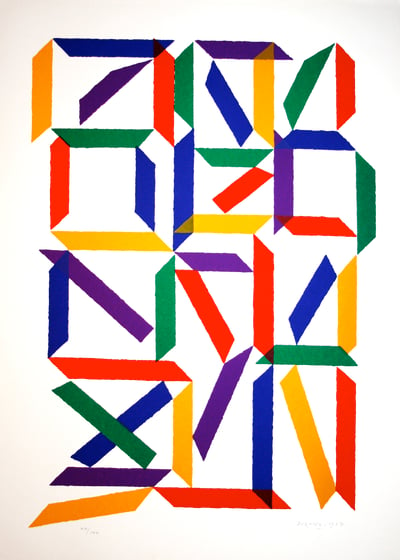
Piero Dorazio
Untitled Composition, 1967
Limited Edition Print
Lithograph
EUR 1,375
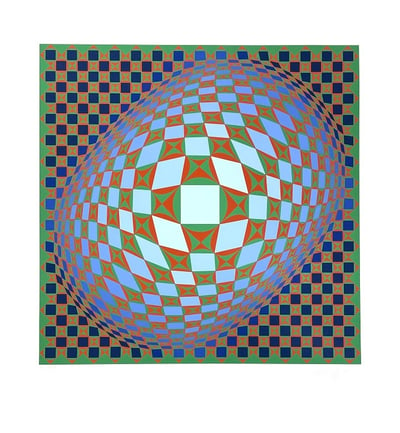
Victor Vasarely
Vilag
Limited Edition Print
Screen-print
EUR 2,300
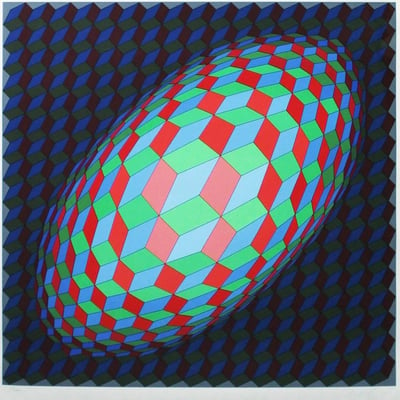
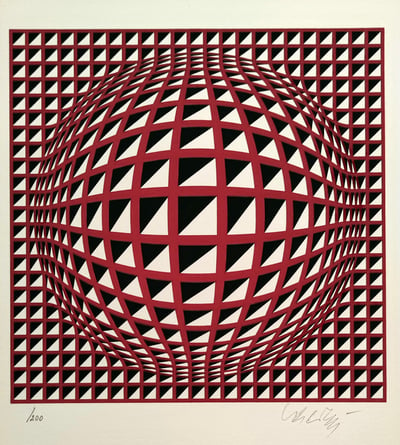
Victor Vasarely
Omega V, 1979
Limited Edition Print
Serigraph
Inquire For Price
Victor Vasarely
Terz Liten, 1978
Limited Edition Print
Screen-print
EUR 650
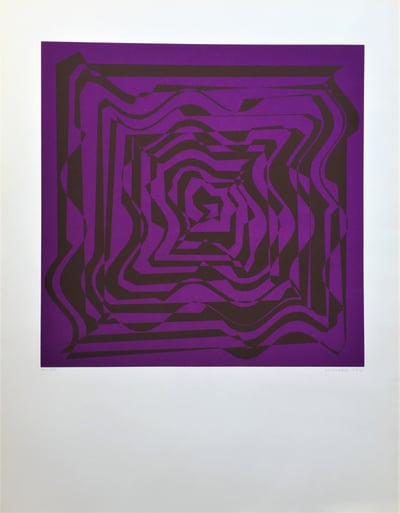
Vera Molnar
Hyper transformation, 1974
Limited Edition Print
Screen-print
Currently Not Available
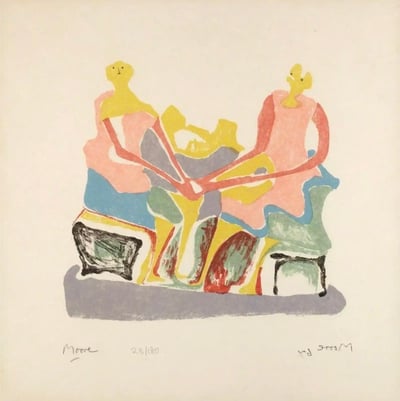
Henry Moore
Two Women Seated, 1967
Limited Edition Print
Lithograph
USD 7,200

Henry Moore
Girl Seated at Desk IV, 1974
Limited Edition Print
Lithograph
USD 4,250

Victor Vasarely
HOLLD (Moire tower), 1990
Sculpture / Object
Mixed Media
Currently Not Available

Victor Vasarely
Hommage a Bartók, 1981
Limited Edition Print
Screen-print
EUR 1,500
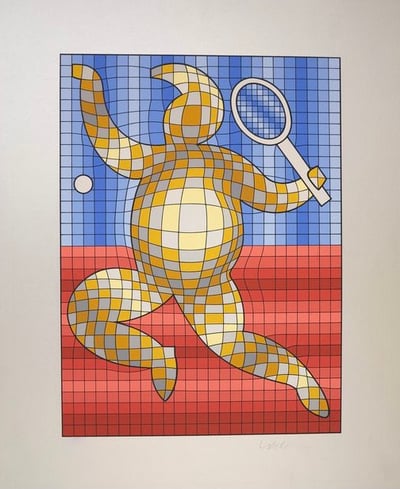
Victor Vasarely
The Tennis Player, 1980
Limited Edition Print
Silkscreen
USD 650

Victor Vasarely
Flower Girl, 1980
Limited Edition Print
Silkscreen
USD 2,000
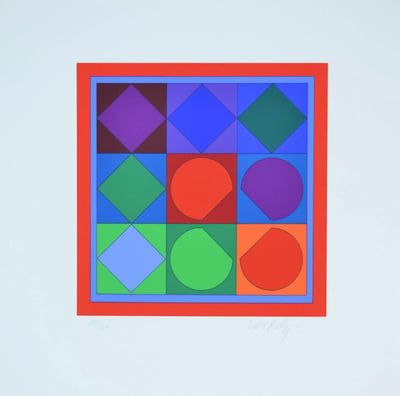
Victor Vasarely
Vega
Limited Edition Print
Silkscreen
USD 780

Gert & Uwe Tobias
Ohne Titel (collage), 2014
Drawing / Watercolor
Collage
EUR 2,750
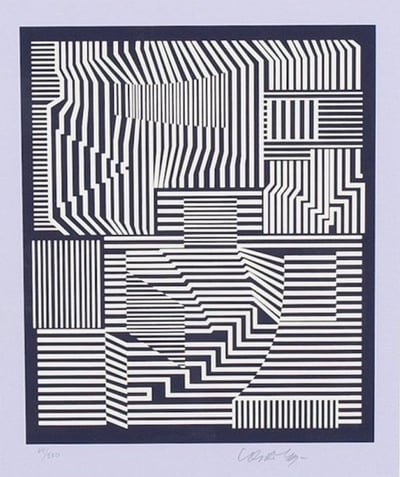
Victor Vasarely
Broey Neg
Limited Edition Print
Serigraph
EUR 950
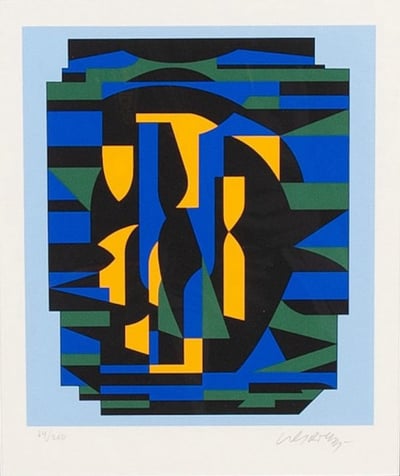
Victor Vasarely
Untitled ( From Ion)
Limited Edition Print
Serigraph
EUR 950
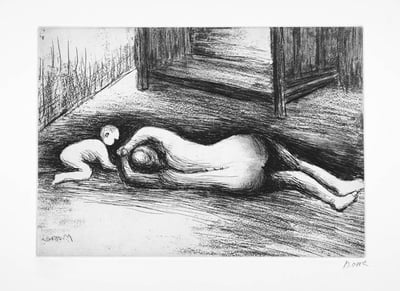
Henry Moore
Mother And Child XV, 1983
Limited Edition Print
Mixed Media
EUR 2,200
Related Articles
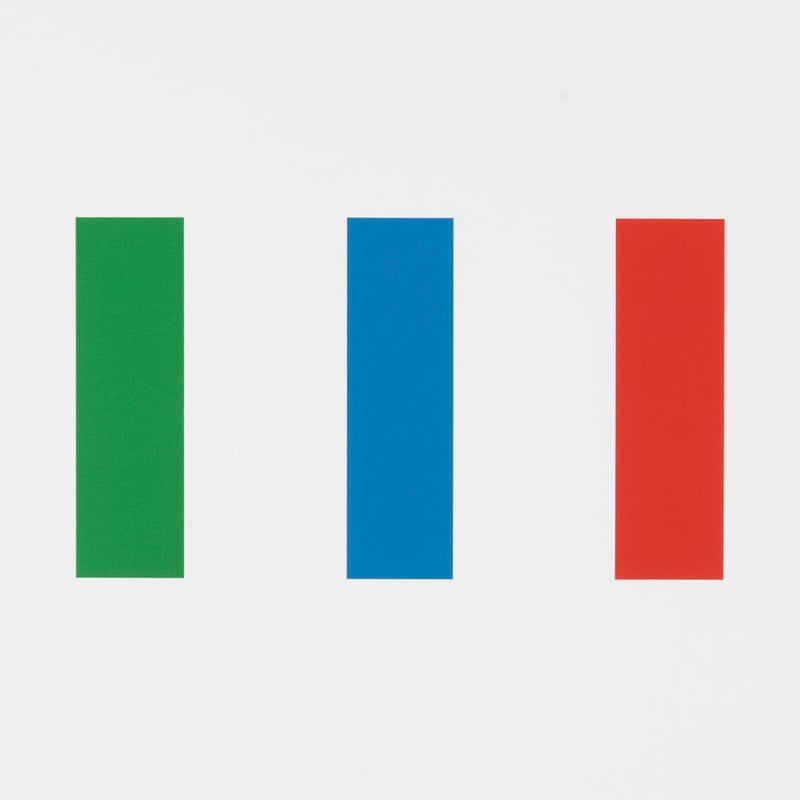



Mixed media refers to artwork that incorporates more than one medium within a single piece. Unlike multimedia art, which combines distinct forms of visual art and often includes elements like sound, video, or digital media, mixed media focuses on combining traditional art materials, such as paint, ink, and collage. Mixed media art allows artists to achieve a wide range of effects and textures by layering and blending different materials.
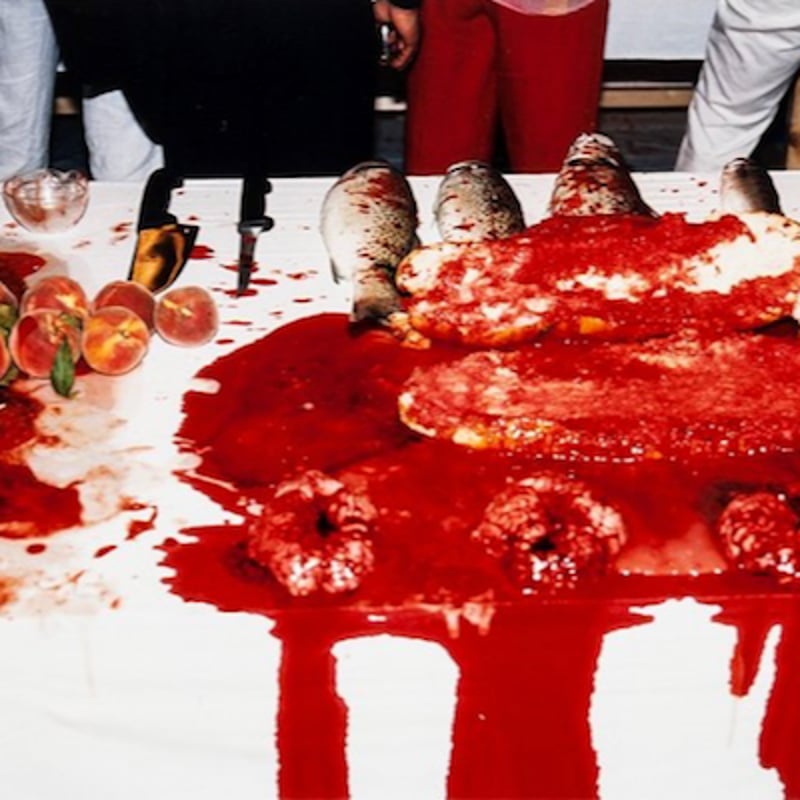
Viennese Actionism was a short-lived but intense art movement in the 20th century, emerging as part of the broader action art efforts of the 1960s. Known for its violent and provocative performances, the movement sought to break traditional art boundaries. Key figures in this movement included Arnulf Rainer and Hermann Nitsch.
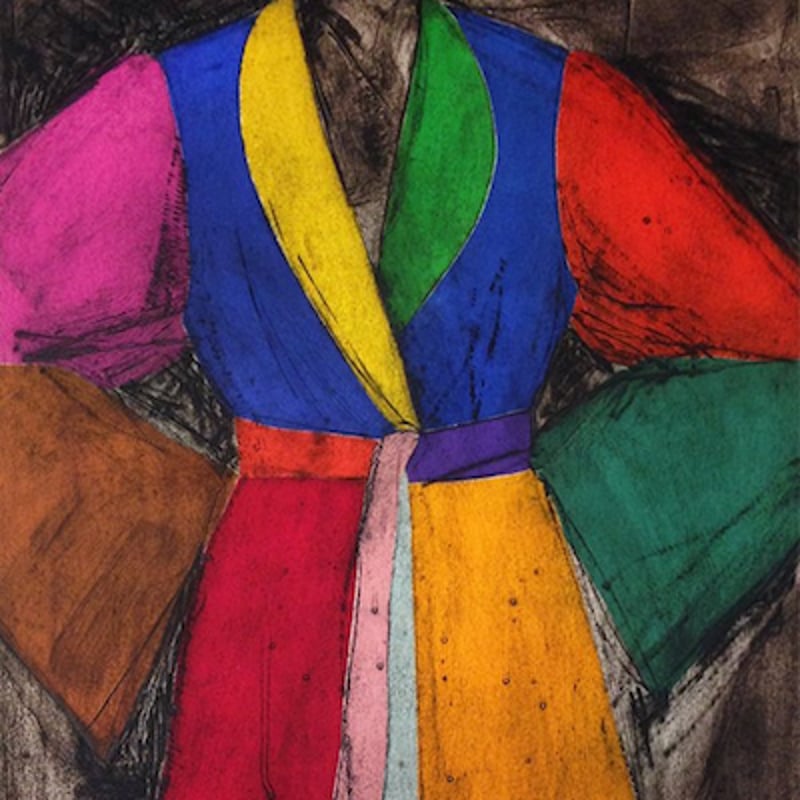
Neo-Dada is a minor visual and audio art movement with intents similar to those of Dada artwork. While it revives some of Dada's objectives, Neo-Dada emphasizes the importance of the produced artwork rather than the concept behind it. The movement is considered the foundation of Pop Art, Nouveau Réalisme, and Fluxus. Neo-Dada is known for its use of absurdist contrasts, popular imagery, and modern materials, blending high and low culture in a way that challenges traditional artistic conventions.
Can't find your Answer?
Thank you! Your question has been sent — we'll get back to you shortly.
