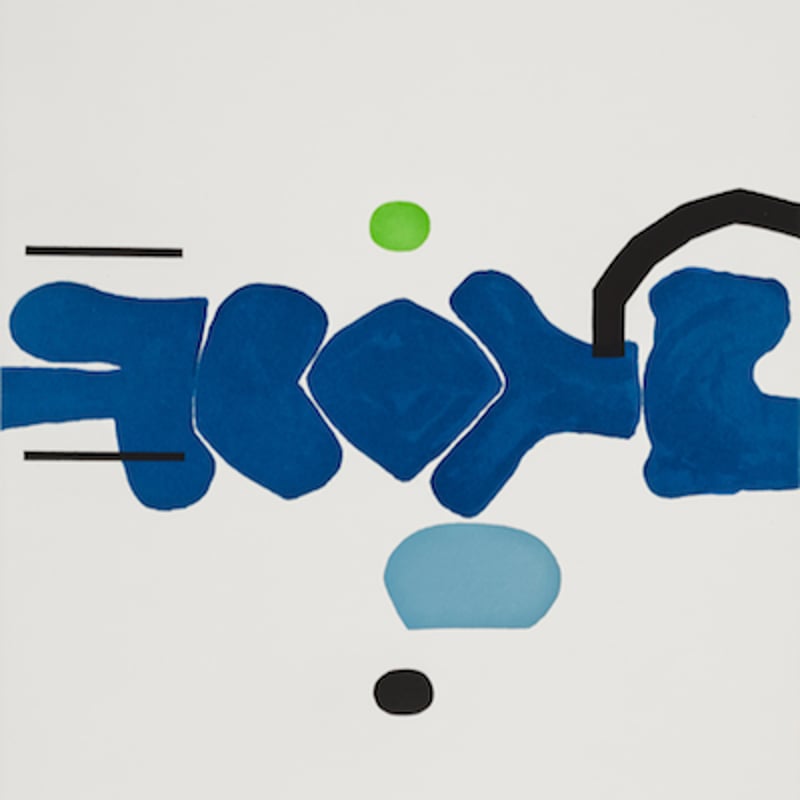
What is constructivism?
Constructivism is an architectural and artistic philosophy of Russian origin that emerged as a rejection of the idea of autonomous art. The movement advocated for art to serve practical social purposes. Since its inception in 1919, Constructivism has evolved and significantly impacted 20th-century art movements, influencing major trends such as De Stijl and Bauhaus.
Show All
- Show All
- Established
- Discoveries
Show All
- Show All
Artworks Related to Constructivism
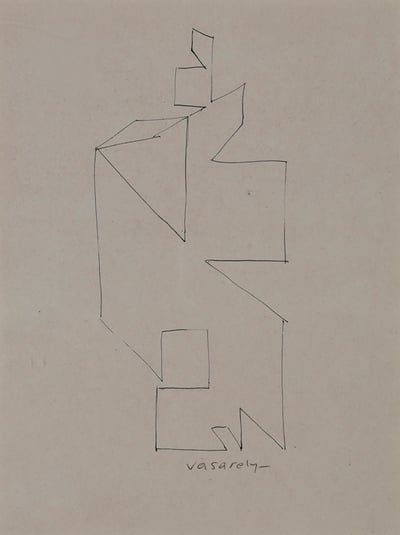
Victor Vasarely
Drawing I
Drawing / Watercolor
Mixed Media
EUR 4,500
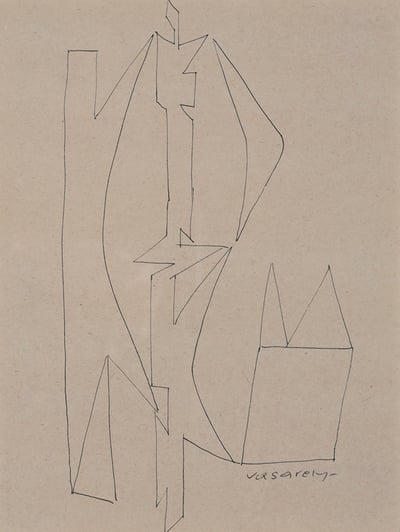
Victor Vasarely
Drawing II
Drawing / Watercolor
Mixed Media
EUR 4,500
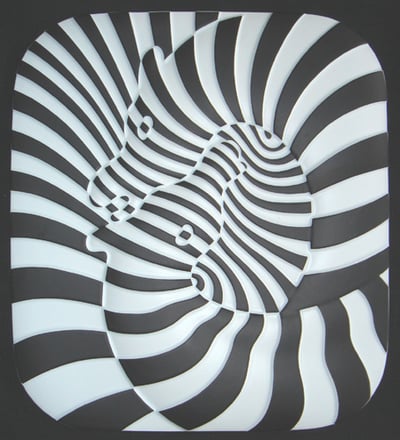
Victor Vasarely
Zebra Ceramique, 1977
Sculpture / Object
Ceramic
EUR 1,600
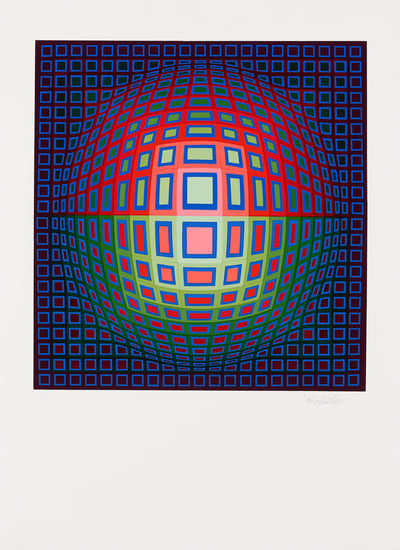
Victor Vasarely
Blue Composition, c. 1980
Limited Edition Print
Serigraph
EUR 1,500
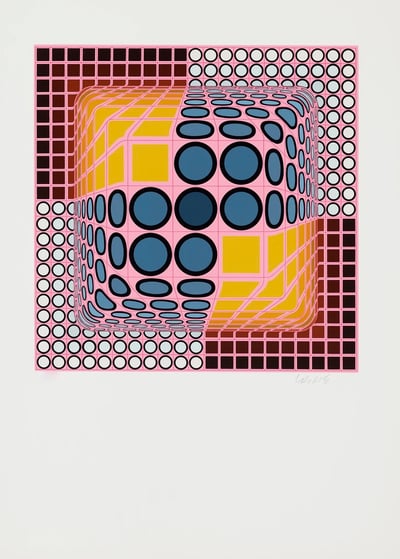
Victor Vasarely
Pink Composition, c. 1980
Limited Edition Print
Serigraph
EUR 1,500
Related Articles


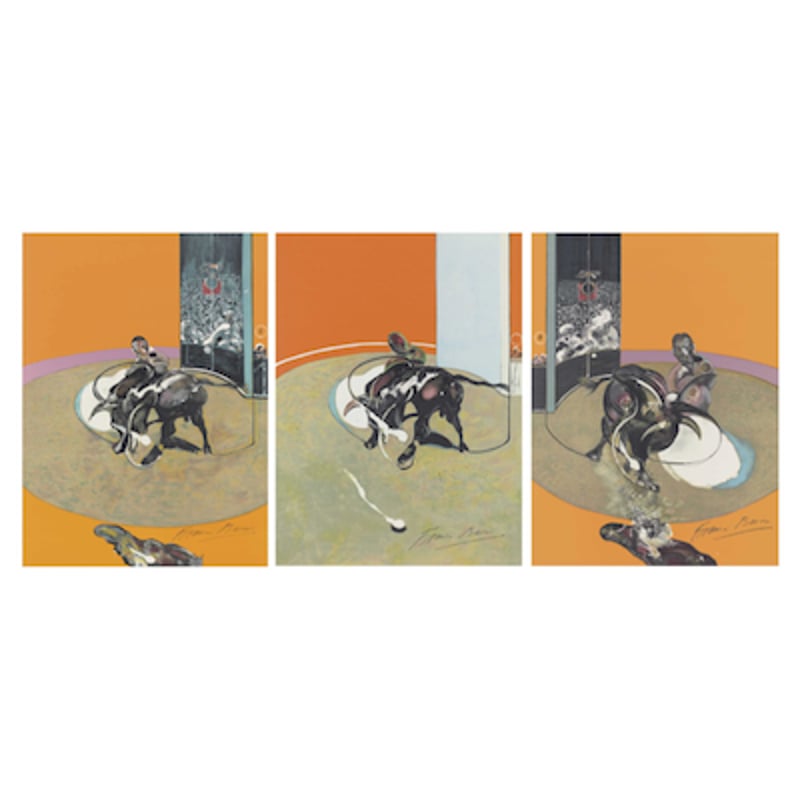
A triptych is an artwork divided into three sections or panels, often hinged together, allowing it to be displayed open or folded shut. It is a type of polyptych, a term for multi-panel artworks. Typically, the central panel is the largest, flanked by two smaller panels, although some triptychs have panels of equal size. Triptychs have been historically significant in religious art but are also used in contemporary works.
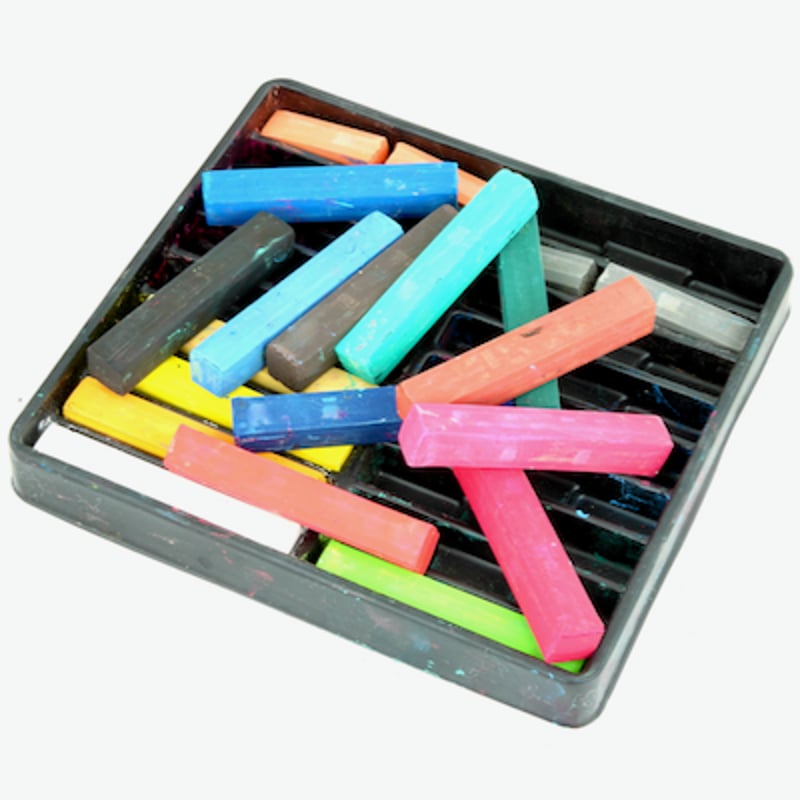
Conté is a vivid, waxy crayon invented by Nicolas-Jacques Conté in 1795. Artists use Conté crayons for detailed drawing, shading large areas, and blending colors. The tips can be sharpened with sanding pads for precision, or the sides can be dragged flat for broad shading.

A watermark is an image or pattern embedded into a sheet of paper during the papermaking process. Each papermaker includes a faint trademark, which becomes visible when the paper is held up to a light source. Watermarks serve as a mark of authenticity and are used for identification, often carrying historical significance in determining the origin and age of the paper.
Can't find your Answer?
Thank you! Your question has been sent — we'll get back to you shortly.
