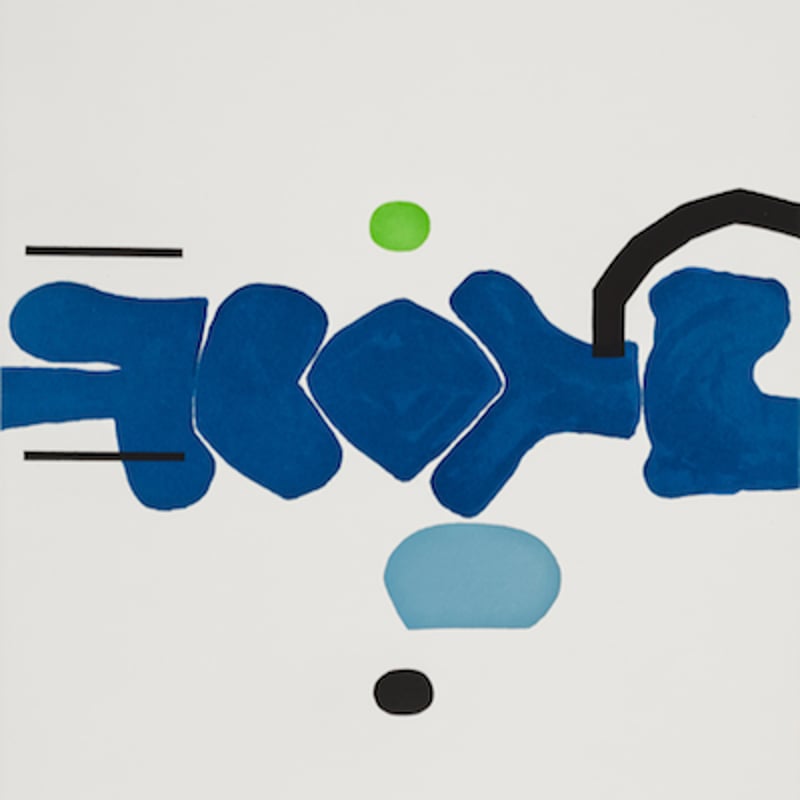
What is constructivism?
- Show All
- Established
- Discoveries
- Show All
Artworks Related to Constructivism
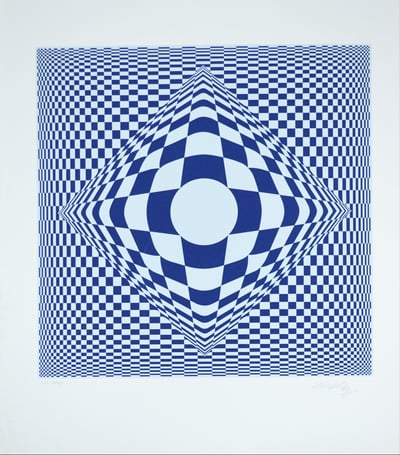
Victor Vasarely
Vertigo, 1982
Limited Edition Print
Silkscreen
USD 1,550
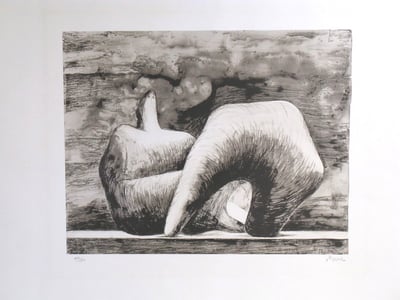
Henry Moore
Reclining figure pointed C. 543, 1979
Limited Edition Print
Lithograph
USD 6,790
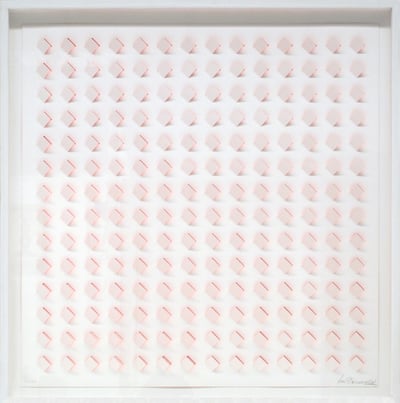
Luis Tomasello
S/T 3 - Rosa, 2013
Limited Edition Print
Lithograph
EUR 3,000
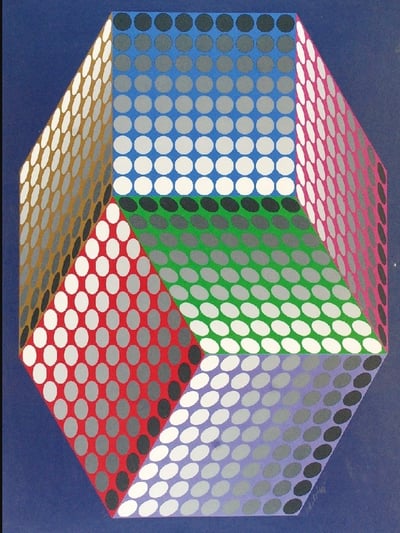
Victor Vasarely
Togonne, 1987
Limited Edition Print
Lithograph
EUR 2,330

Vera Molnar
Lettres de ma mère (6), 1990
Limited Edition Print
Serigraph
EUR 4,950

Victor Vasarely
Attila, 1990
Limited Edition Print
Screen-print
EUR 1,900
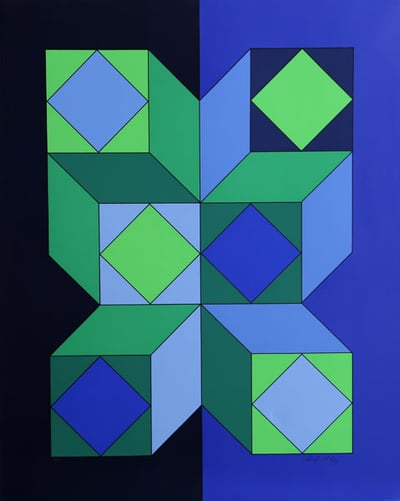
Victor Vasarely
VY-29-C, 1973
Limited Edition Print
Serigraph
EUR 2,200
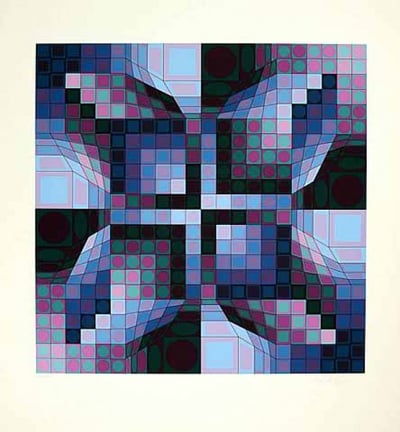
Victor Vasarely
Firka
Limited Edition Print
Silkscreen
EUR 1,700

Victor Vasarely
Gordes Nives, 1971
Limited Edition Print
Lithograph
EUR 1,400

Victor Vasarely
XLV
Limited Edition Print
Silkscreen
EUR 2,200

Victor Vasarely
Kat-Zag, 1980
Limited Edition Print
Lithograph
EUR 1,980
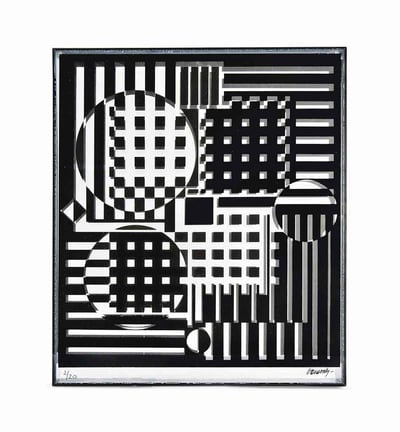
Victor Vasarely
Pleionne, 1990
Sculpture / Object
Acrylic sculpture
Currently Not Available
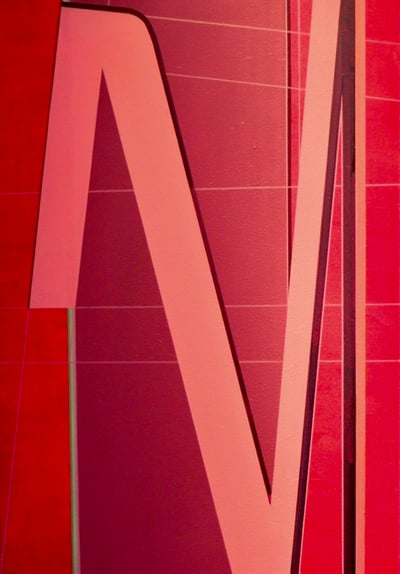
Frank Nitsche
Nek-31, 2005
Painting
Oil on canvas
EUR 6,000
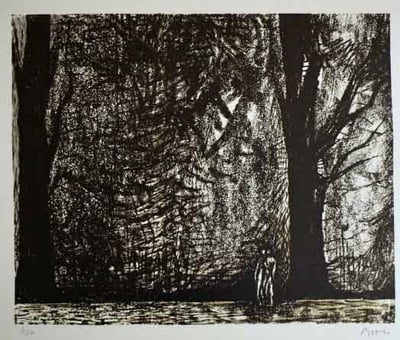
Henry Moore
Figures In A Forest, 1976
Limited Edition Print
Lithograph
EUR 1,650

Gert & Uwe Tobias
Ohne Titel - portfolio (18), 2008
Limited Edition Print
Drypoint
EUR 10,800
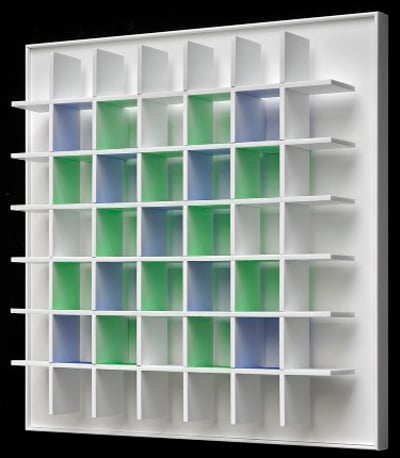
Luis Tomasello
Grille Chromoplastique c, 2012
Sculpture / Object
Acrylic sculpture
EUR 2,000
Related Articles



Provenance refers to the chronology of ownership, location, or custody of an artwork. Tracing an object's provenance helps establish its authenticity and historical context by documenting its ownership history, storage locations, and custody over time. This process often involves expert opinions, comparative analysis, and scientific testing to provide evidence of the artwork’s origin and history.
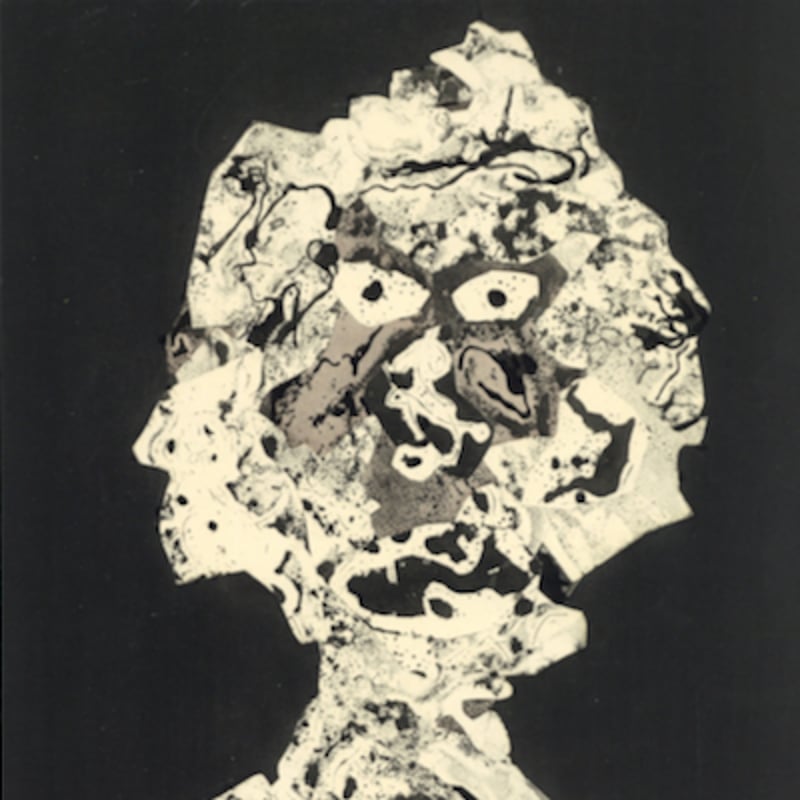
Art Brut, a French term meaning Raw Art, was coined by Jean Dubuffet to describe art created outside the conventional fine arts tradition. Dubuffet used the term to refer to works made by self-taught artists, including the mentally ill, prisoners, and others on the margins of society. He also called it Outsider Art. This art is characterized by its raw, unrefined nature, often created without concern for traditional presentation or imitation.
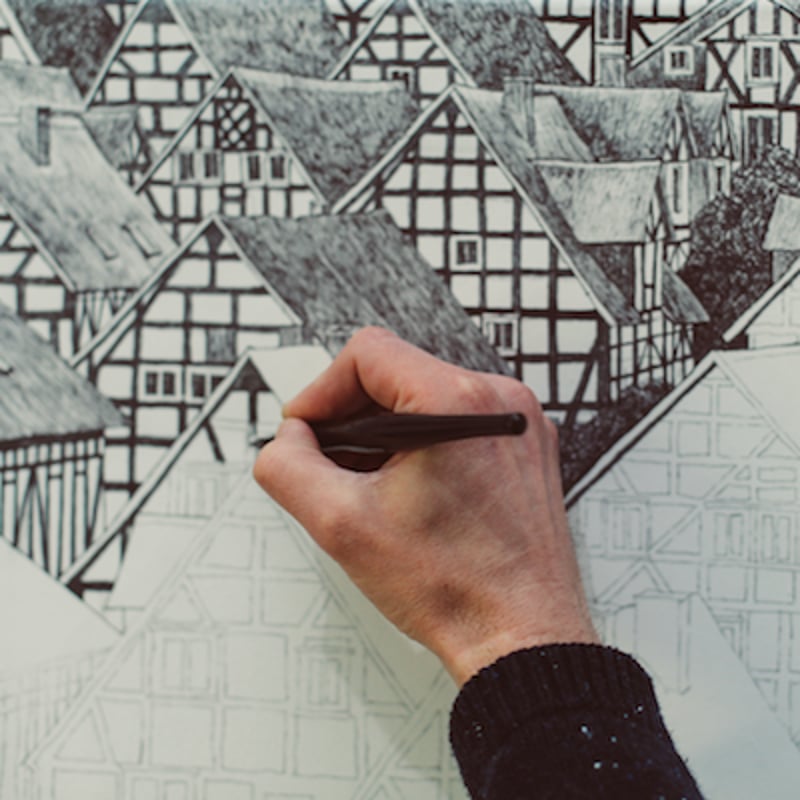
Monochromatic describes paintings, photographs, designs, or drawings that utilize one color or various shades of a single color. Monochromatic objects have a limited range of hues. While the term often refers to black and white or grayscale images, it can also apply to any artwork that contains tones of just one color.
Can't find your Answer?
Thank you! Your question has been sent — we'll get back to you shortly.
