
What is art fabrication?
- Show All
- Established
- Discoveries
- Show All
Artworks Related to Art Fabrication
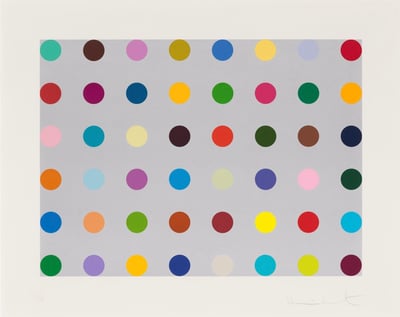
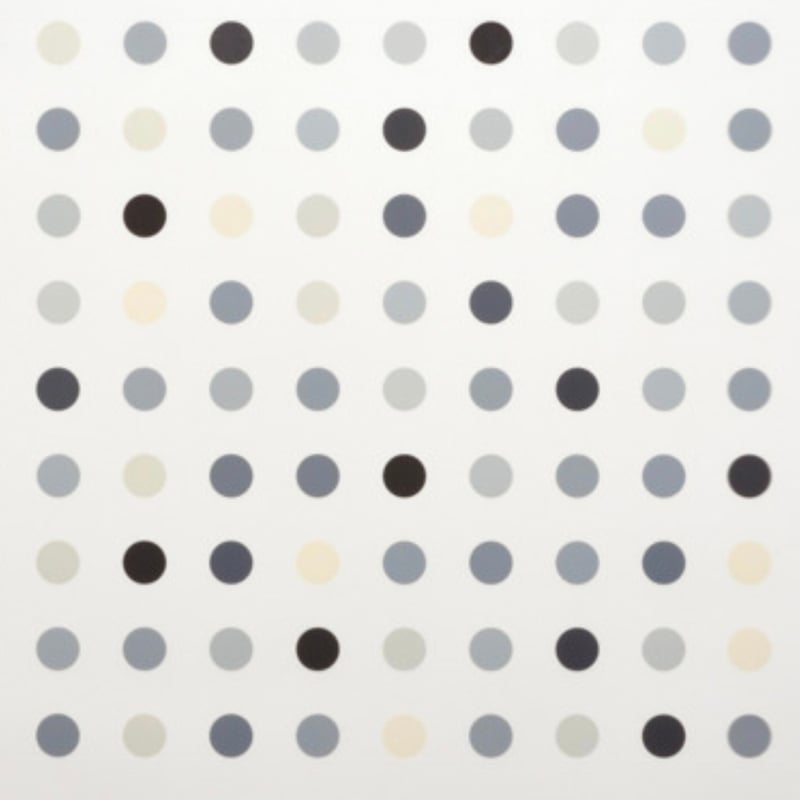
Damien Hirst
Histidyl, 2008
Limited Edition Print
Screen-print
GBP 14,000 - 18,000
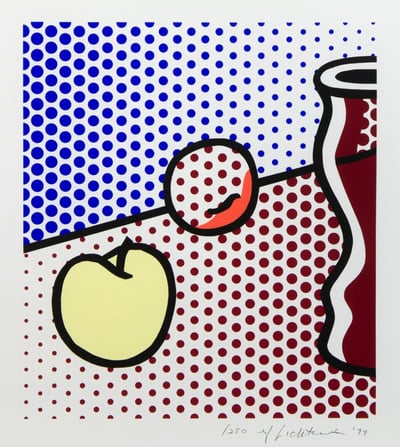
Roy Lichtenstein
Still Life with Red Jar, 1994
Limited Edition Print
Screen-print
GBP 18,500 - 24,000
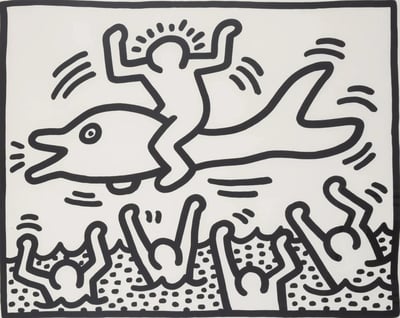
Keith Haring
Untitled (Man on Dolphin), 1987
Limited Edition Print
Lithograph
GBP 45,000 - 55,000
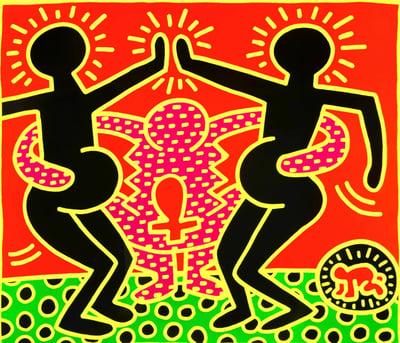
Keith Haring
Untitled (Plate 4), from Fertility, 1983
Limited Edition Print
Screen-print
GBP 58,000 - 70,000
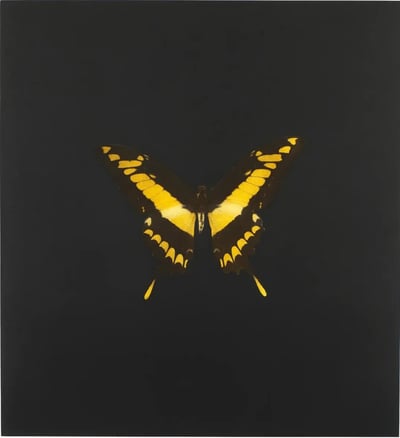
Damien Hirst
The Souls on Jacob’s Ladder Take Their Flight, 2007
Limited Edition Print
Etching
GBP 16,000 - 20,000
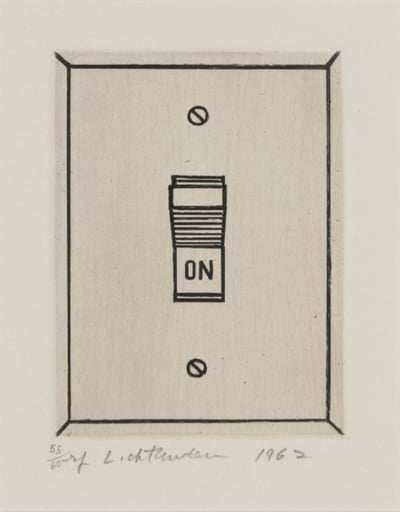
Roy Lichtenstein
On, 1962/64
Limited Edition Print
Etching
USD 25,225
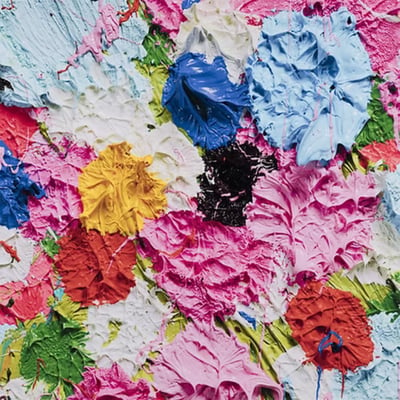
Damien Hirst
Framed Large Fruitful H18-1, 2020
Limited Edition Print
Giclée printing
GBP 2,500 - 3,200
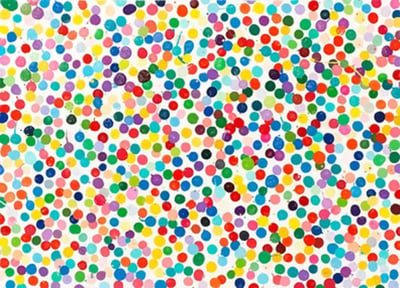
Damien Hirst
The Currency Unique Painting, 2016
Limited Edition Print
Mixed Media
GBP 6,500 - 8,400
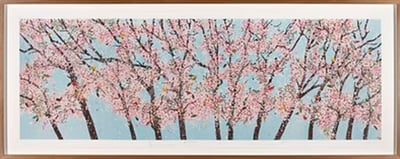
Damien Hirst
Uriel from the Archangels H15-2, 2021
Limited Edition Print
Giclée printing
GBP 19,500 - 25,300
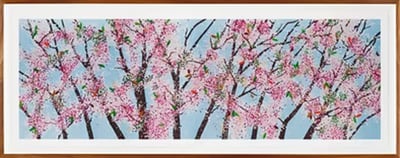
Damien Hirst
Raphael from the Archangels H15-1, 2021
Limited Edition Print
Mixed Media
GBP 19,500 - 25,300
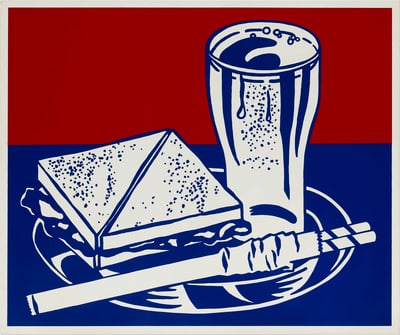
Roy Lichtenstein
Sandwich and Soda, 1964
Limited Edition Print
Screen-print
USD 19,500
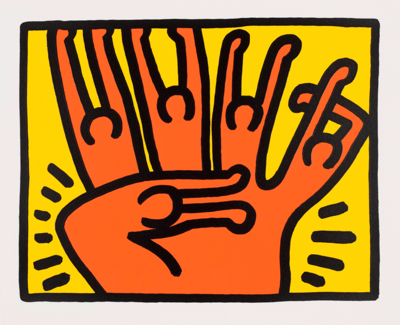
Keith Haring
Pop Shop VI, 1989
Limited Edition Print
Silkscreen
GBP 19,000
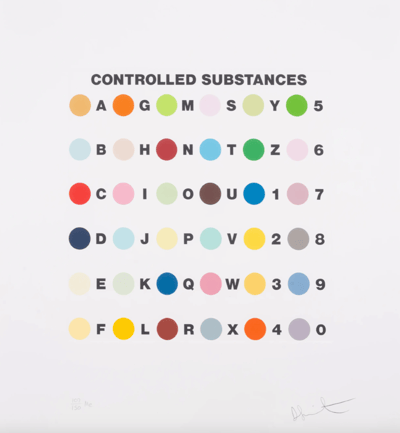
Damien Hirst
Controlled Substances Key Spot, 2011
Limited Edition Print
Screen-print
GBP 10,000
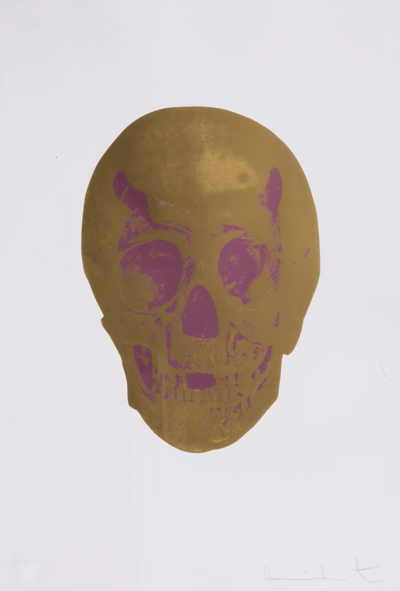
Damien Hirst
The Dead (Oriental Gold / Loganberry Pink Skull), 2009
Limited Edition Print
Mixed Media
GBP 14,000
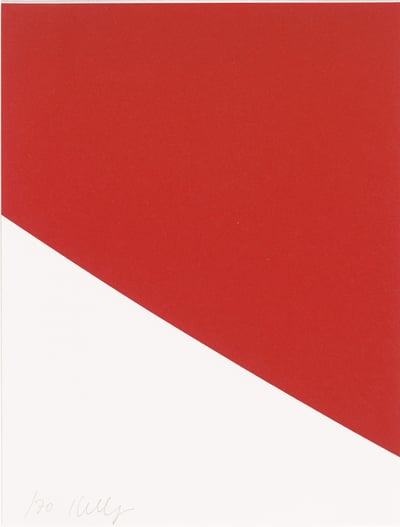
Ellsworth Kelly
Red Curve, 1999
Limited Edition Print
Lithograph
USD 16,000
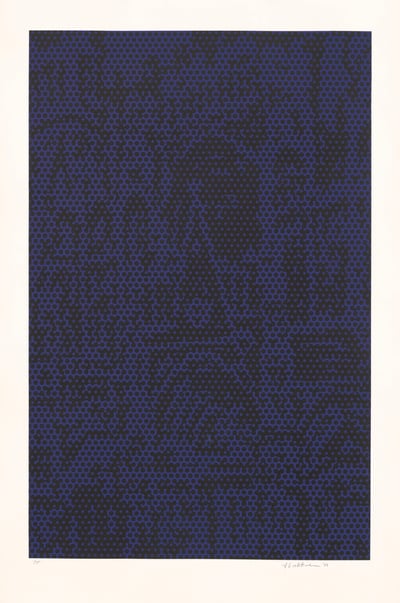
Roy Lichtenstein
Cathedral #6, 1969
Limited Edition Print
Lithograph
USD 21,200
Related Articles
EAT (Experiments in Art and Technology) was a movement formed to foster collaborations between engineers and artists. It facilitated direct, person-to-person connections between these two groups. The movement was originally launched in 1967 by artists Robert Whitman and Robert Rauschenberg, along with engineers Fred Waldhauer and Billy Klüver. EAT carried out various projects and activities that expanded the role of artists in contemporary society, encouraging the integration of art and technology.

Op Art is a visual art style that uses optical illusions to create the impression of movement, vibrating patterns, flashing, or hidden images. The works are typically abstract, with many well-known pieces in black and white. The roots of Op Art can be traced back to earlier movements like Futurism, Constructivism, Dada, and Neo-Impressionism, particularly in their use of color effects and graphic design.

Installation art is a three-dimensional artistic genre that involves site-specific works designed to alter the viewer's perception of space. These works are typically created for interior spaces, such as museums and galleries, but can also be found in private and public locations. Installation art can be temporary or permanent, depending on its purpose and setting.
Can't find your Answer?
Thank you! Your question has been sent — we'll get back to you shortly.
