
What is a drawing/watercolor?
Drawing and watercolor are two traditional art techniques which stand alone as media, but are often used in conjunction with each other. Drawing can create the basic outlines for watercolor painting. Drawing over dried watercolor or using watercolor pencils are combined media techniques.
- Show All
- Established
- Discoveries
- Show All
Artworks Related to Drawing / Watercolor
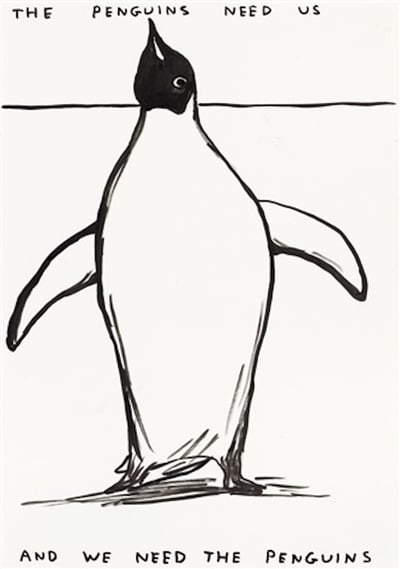
David Shrigley
The Penguins need us, 2021
Drawing / Watercolor
Mixed Media
USD 7,200
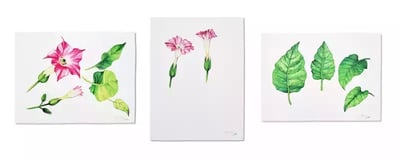
Kehinde Wiley
Nicotiana Tabacum, 2015
Drawing / Watercolor
Watercolor
Inquire For Price
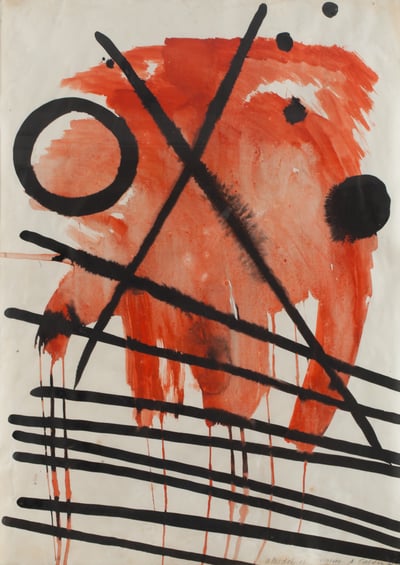
Alexander Calder
Untitled, 1961
Drawing / Watercolor
Mixed Media
Inquire For Price
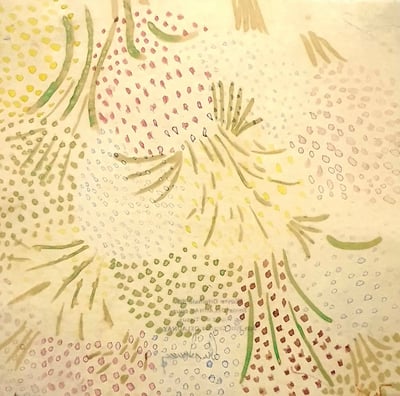
Sonia Delaunay
Untitled, C. 1930
Drawing / Watercolor
Watercolor
EUR 4,200
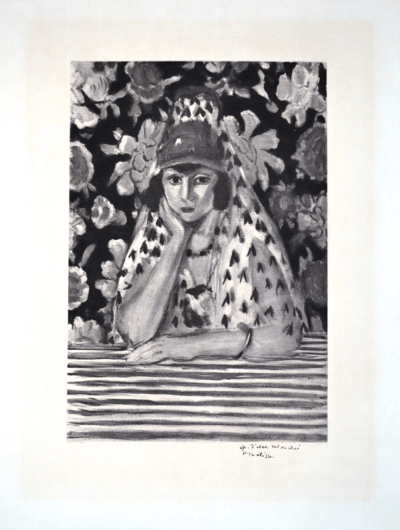
Henri Matisse
Espanol, c. 1925
Drawing / Watercolor
Mixed Media
Inquire For Price
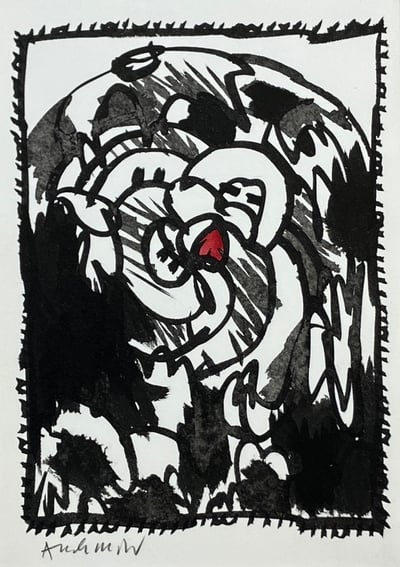
Pierre Alechinsky
Tête Bêche, 1987
Drawing / Watercolor
Ink
EUR 7,200
Robert Rauschenberg
Private Listing
Drawing / Watercolor
Sam Francis
Private Listing
Drawing / Watercolor
Andy Warhol
Private Listing
Drawing / Watercolor
Andy Warhol
Private Listing
Drawing / Watercolor
Tom Wesselmann
Private Listing
Drawing / Watercolor
Tom Wesselmann
Private Listing
Drawing / Watercolor
Andy Warhol
Private Listing
Drawing / Watercolor
Robert Longo
Private Listing
Drawing / Watercolor
Keith Haring
Private Listing
Drawing / Watercolor
Keith Haring
Private Listing
Drawing / Watercolor
Related Articles
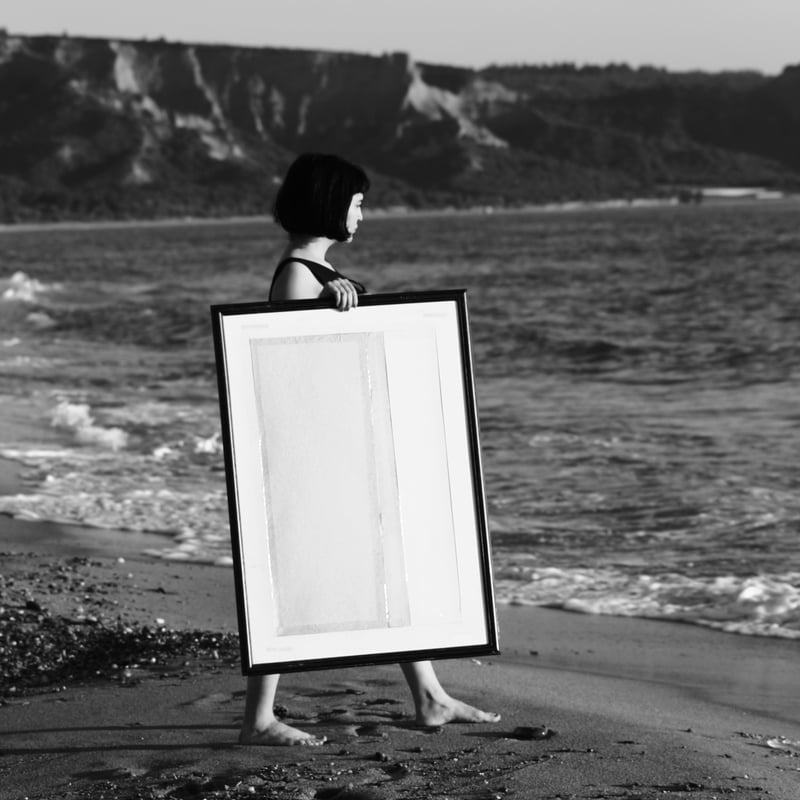

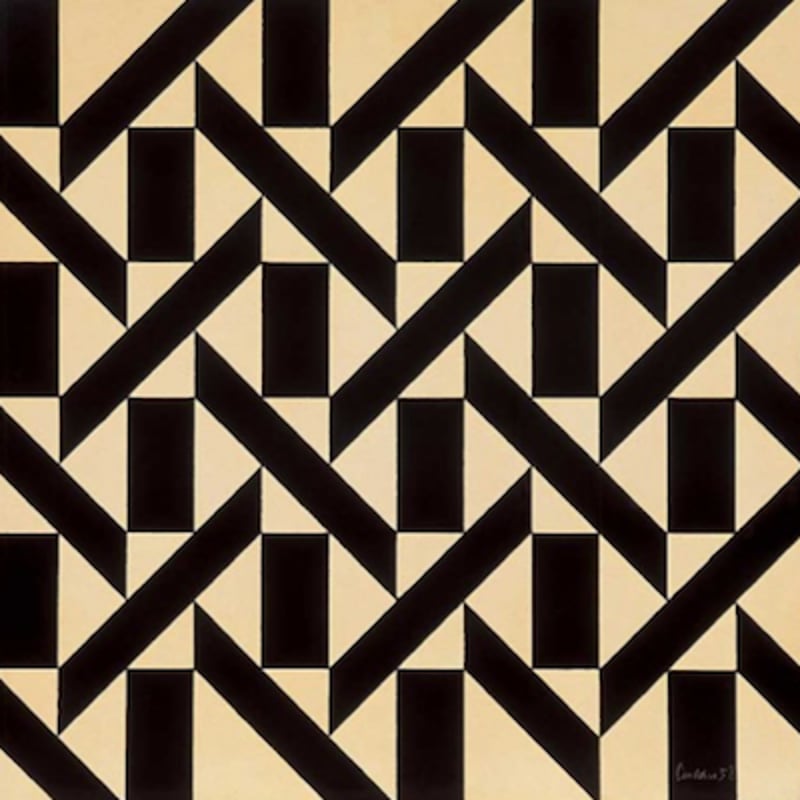
Grupo Ruptura was an organization formed in Brazil by artists who sought to break away from traditional naturalist painting in favor of geometric abstract art. In the early 1950s, the group published the Ruptura Manifesto, advocating for new art for a new country. The manifesto emphasized a departure from the past and a commitment to innovation, aligning with the modernist vision of Brazil as a forward-looking nation.

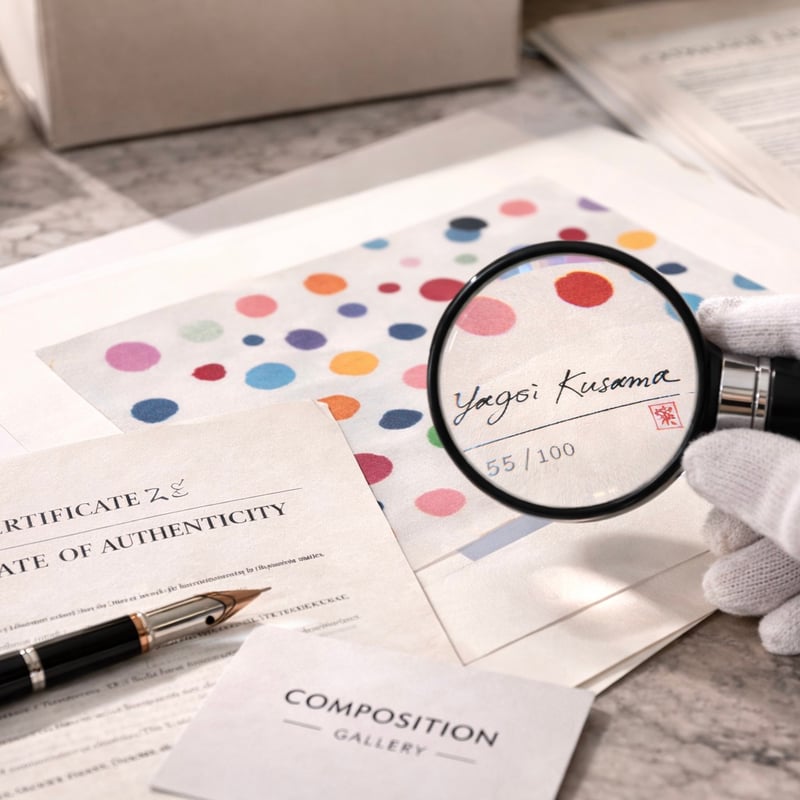
A Catalogue Raisonné is an annotated and comprehensive listing of all the known works of an artist. It includes detailed information that helps to identify and authenticate the artist's output across all media or within a specific medium. Typical details in a catalogue raisonné include the title, dimensions, date, medium, and current location of each work. This resource is essential for scholars, collectors, and art historians in tracking and verifying the complete body of work by an artist.
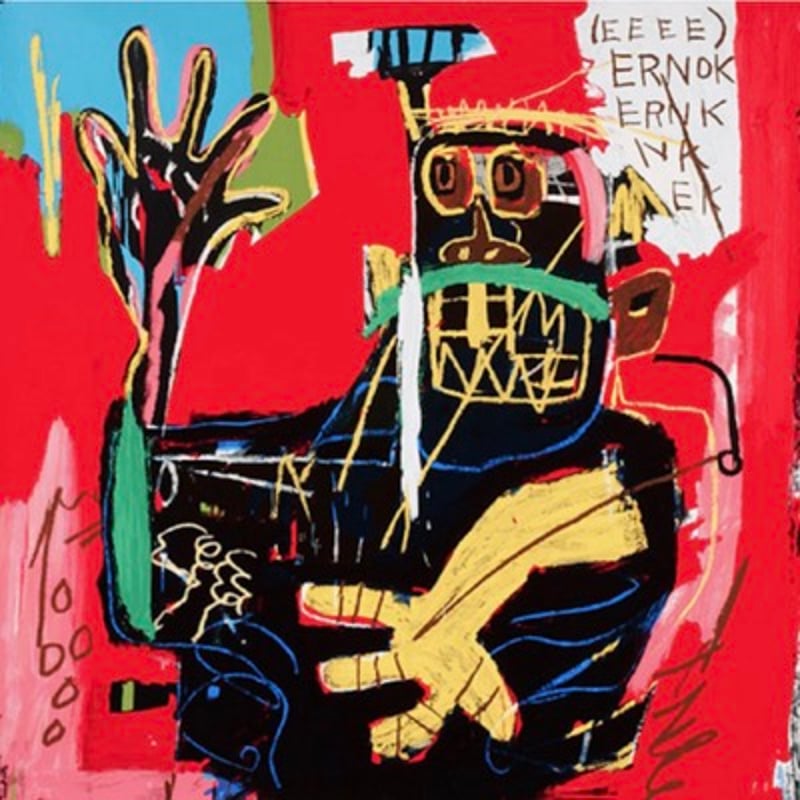
In 1981, Patti Astor opened the first art gallery in New York City's East Village, helping to launch the careers of various artists and musicians. The gallery started small but quickly gained popularity, contributing to the emergence of art movements such as Neo-Expressionism and Street Art in the area. The East Village became a hub for these new artistic expressions. However, the gallery closed in 1985 due to waning interest.
Can't find your Answer?
Thank you! Your question has been sent — we'll get back to you shortly.
