


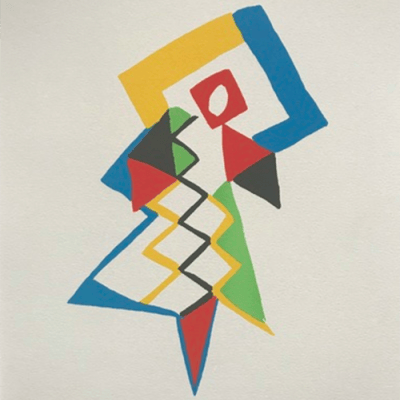
Untitled, C. 1930
Form
Medium
Size
- Inches
- Centimeters
Edition
Price
- USD
- EUR
- GBP
- CHF
- Authenticity Guaranteed
- Insured Shipping
- Online Since 2005

Sonia Delaunay
Diagonal X, 1975
Limited Edition Print
Lithograph
Inquire For Price

Sonia Delaunay
Arlequin (Harlequin), 1974
Limited Edition Print
Lithograph
Inquire For Price
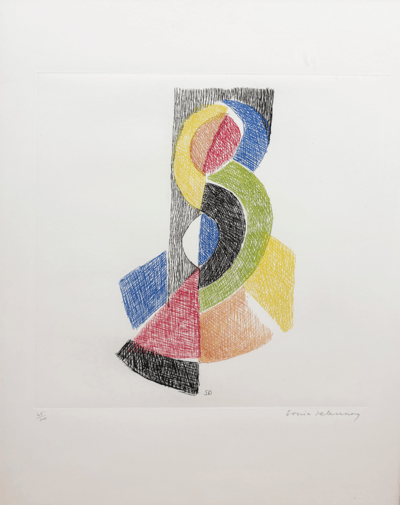
Sonia Delaunay
Rhythm Coleur VI, 1966
Limited Edition Print
Etching
EUR 4,800
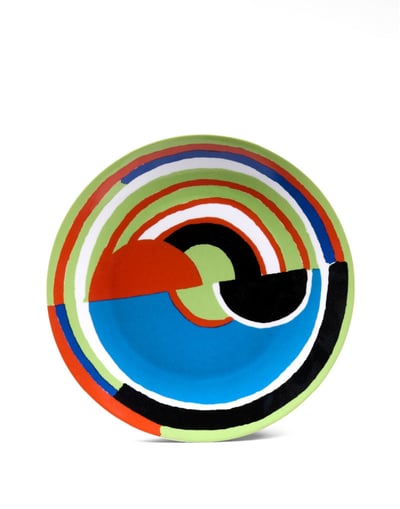
Sonia Delaunay
Signal, 1979
Ceramics
Porcelain
USD 2,000
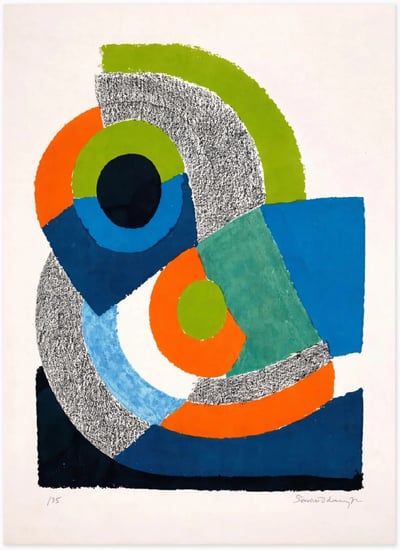
Sonia Delaunay
Courbe Verte, 1972
Limited Edition Print
Lithograph
GBP 4,800
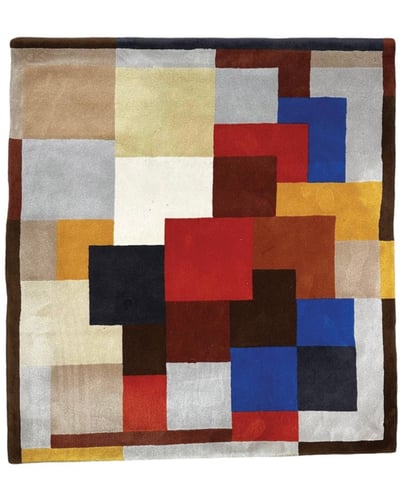
Sonia Delaunay
Labyrinthe, 1929 - 1980
Tapestry
Tapestry
EUR 12,000
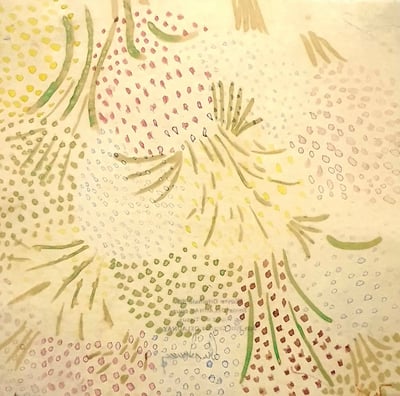
Sonia Delaunay
Untitled, C. 1930
Drawing / Watercolor
Watercolor
EUR 4,200
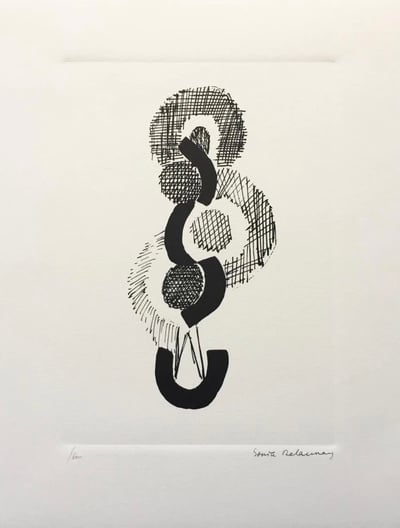
Sonia Delaunay
Dance Endless Rhythm (1923), 1994
Limited Edition Print
Lithograph
USD 720
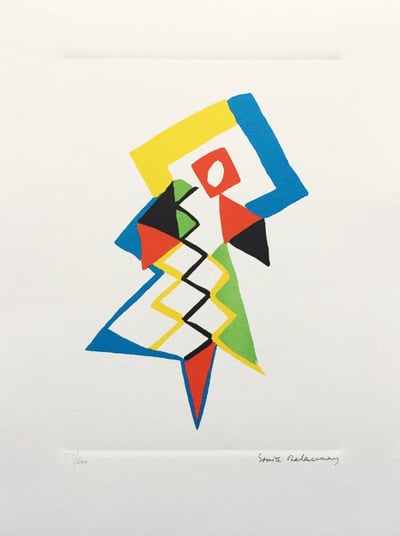
Sonia Delaunay
Jazz, c. 1994
Limited Edition Print
Lithograph
USD 850
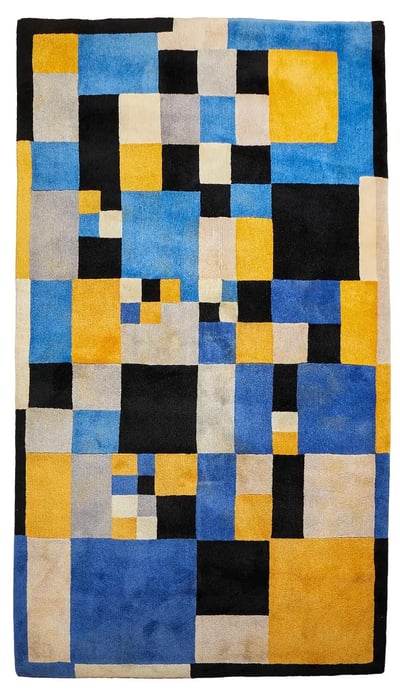
Sonia Delaunay
Carrés Magique, c. 1980
Tapestry
Tapestry
EUR 10,900

Sonia Delaunay
Le Guépard, 1970
Limited Edition Print
Silkscreen
EUR 4,250
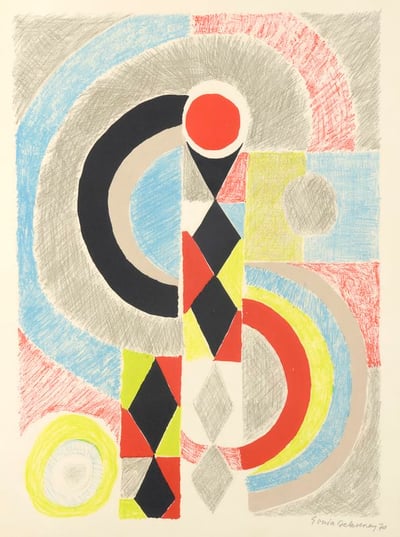
Sonia Delaunay
Totem, 1970
Limited Edition Print
Lithograph
EUR 4,850
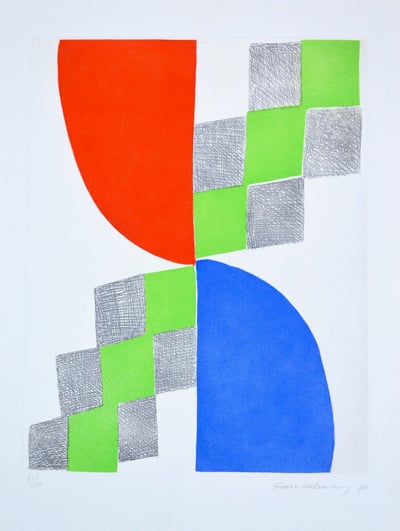
Sonia Delaunay
Gravure I, 1970
Limited Edition Print
Etching
USD 1,950
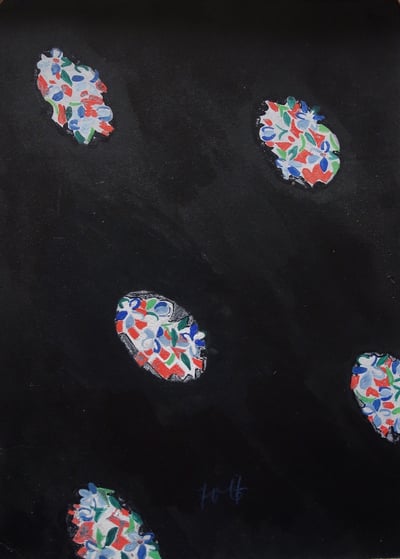
Sonia Delaunay
Untitled (gouache)
Painting
Gouache
GBP 10,150
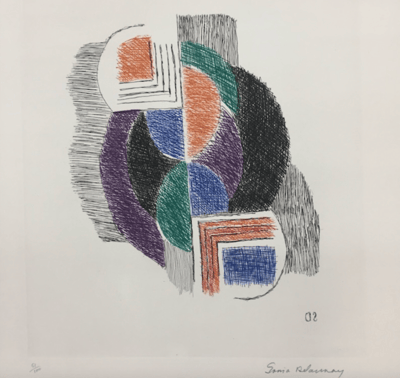
Sonia Delaunay
Composition Etching, 1965
Limited Edition Print
Etching
EUR 1,550
Related Artists
Related Articles
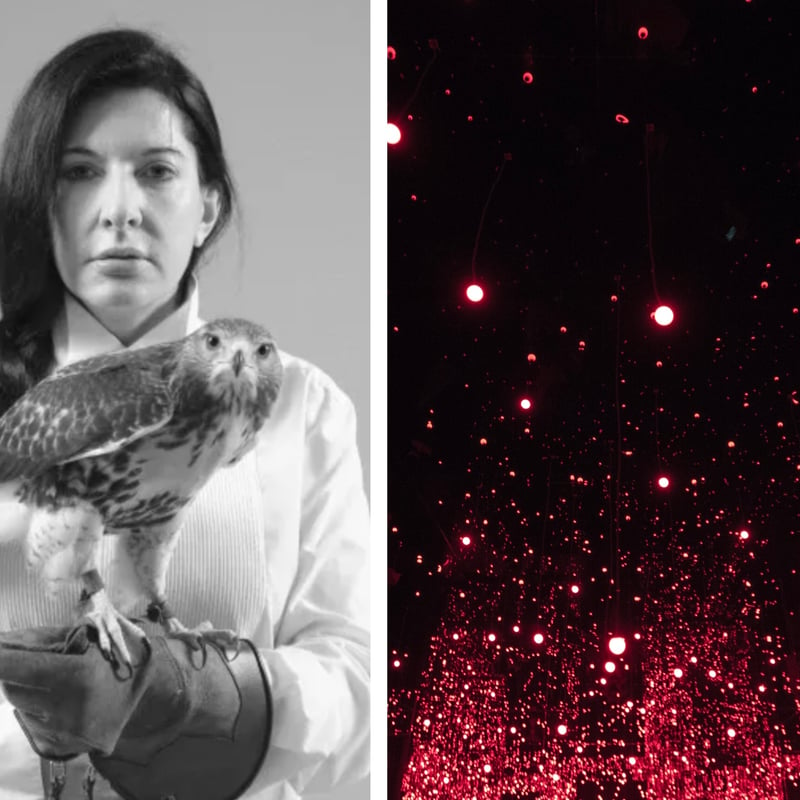
Popular, Artists - October 5, 2022
10 Women in 20th Century Art
Explore the contributions of 10 influential women in 20th-century art, from Louise Bourgeois to Cindy Sherman. Discover their groundbreaking creativity and legacy.Read More
What is Orphism?
Orphism is an abstract style of painting influenced by Cubism, developed by Sonia and Robert Delaunay. The term was coined around 1912 by French poet Guillaume Apollinaire to differentiate the Delaunays' work from Cubism, emphasizing their focus on vibrant color and light. The name Orphism is inspired by the Greek musician Orpheus, symbolizing the movement's lyrical and harmonious qualities.

Sonia Delaunay
Untitled, C. 1930
21 x 21 cm


