
Roy Lichtenstein (United States, 1923–1997) was a leading figure in the Pop Art movement, renowned for his comic strip-inspired paintings that parodied popular culture. His works, such as 'Whaam!' and 'Drowning Girl,' utilized bold colors and Ben-Day dots to mimic commercial printing techniques, challenging traditional art boundaries.
Best Buddies, 1991
Form
Medium
Size
- Inches
- Centimeters
Edition
Price
- Authenticity Guaranteed
- Insured Shipping
- Online Since 2005
Roy Lichtenstein (United States, 1923–1997) was a leading figure in the Pop Art movement, renowned for his comic strip-inspired paintings that parodied popular culture. His works, such as 'Whaam!' and 'Drowning Girl,' utilized bold colors and Ben-Day dots to mimic commercial printing techniques, challenging traditional art boundaries.
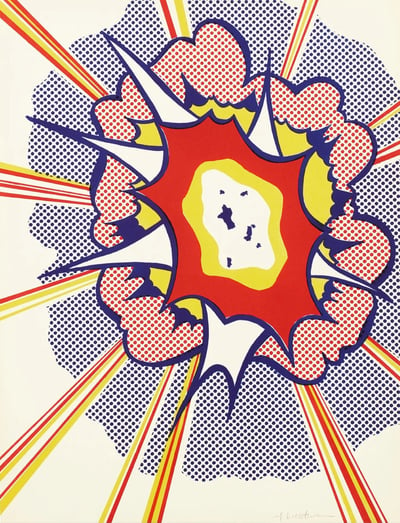
Roy Lichtenstein
Explosion (AP), 1967
Limited Edition Print
Lithograph
GBP 36,000 – 45,000
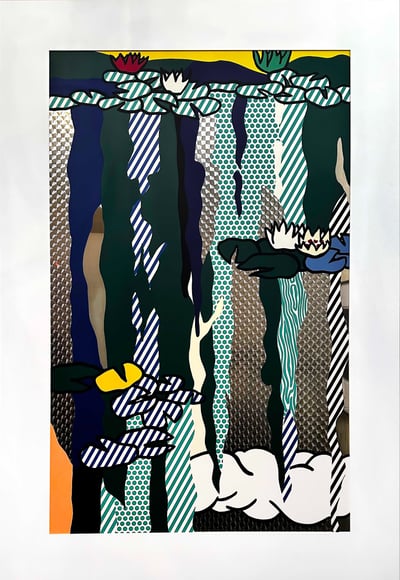
Roy Lichtenstein
Water Lilies with Cloud, 1992
Limited Edition Print
Screen-print
Inquire For Price
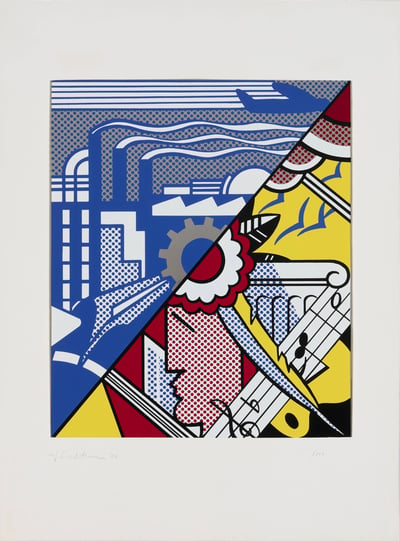
Roy Lichtenstein
Industry and the Arts (I), 1969
Limited Edition Print
Screen-print
USD 46,000 – 57,000
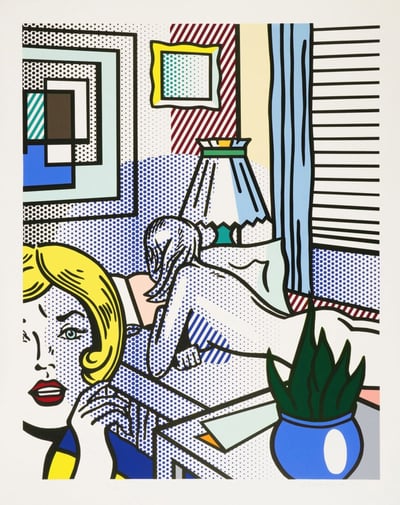
Roy Lichtenstein
Roommates, from Nudes Series, 1994
Limited Edition Print
Relief printing
Inquire For Price

Roy Lichtenstein
Before The Mirror, 1975
Limited Edition Print
Mixed Media
GBP 20,000 – 25,000
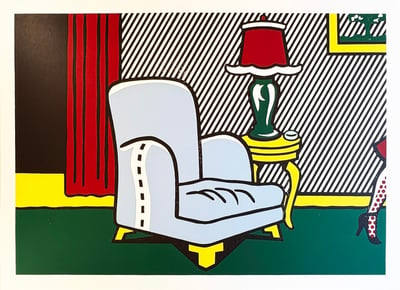
Roy Lichtenstein
La Sortie from the Interior Series, 1990
Limited Edition Print
Woodcut
USD 140,000 – 160,000
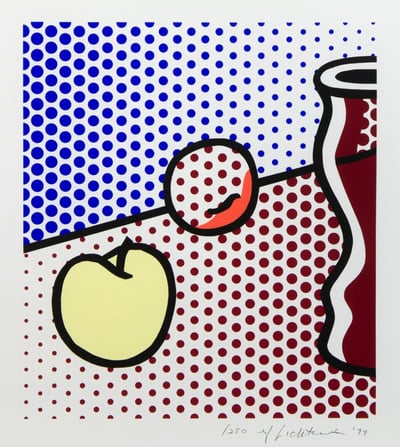
Roy Lichtenstein
Still Life with Red Jar, 1994
Limited Edition Print
Screen-print
GBP 18,500 – 24,000
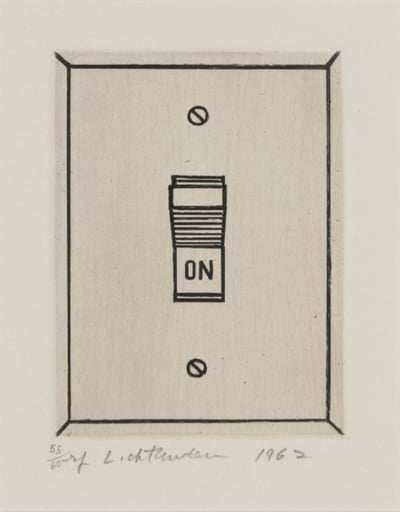
Roy Lichtenstein
On, 1962/64
Limited Edition Print
Etching
USD 25,225
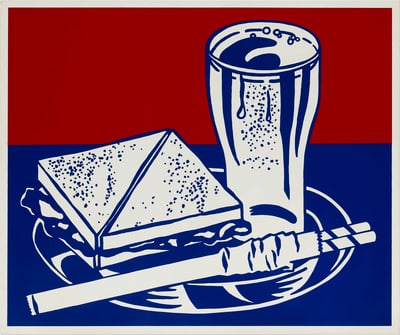
Roy Lichtenstein
Sandwich and Soda, 1964
Limited Edition Print
Screen-print
USD 19,500
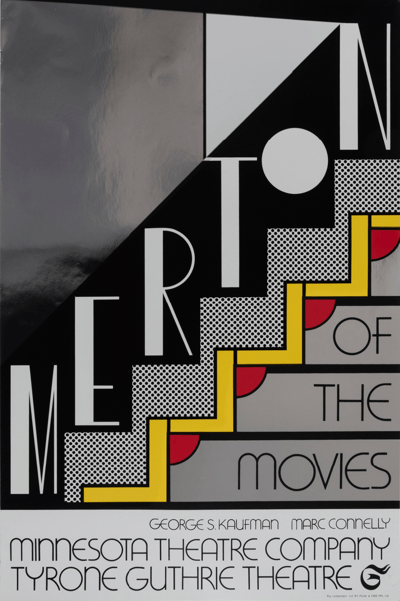
Roy Lichtenstein
Merton at the Movies, 1968
Limited Edition Print
Silkscreen
EUR 6,500
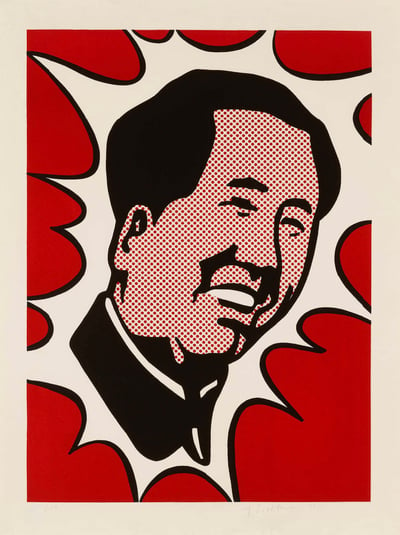
Roy Lichtenstein
Mao, 1971
Limited Edition Print
Lithograph
Artwork On Hold
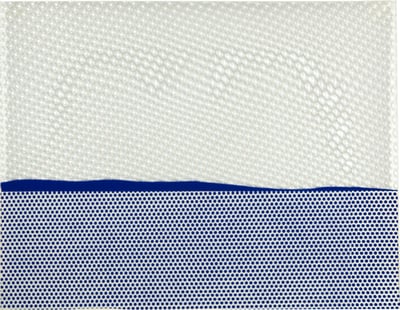
Roy Lichtenstein
Seascape No 1, 1964
Limited Edition Print
Screen-print
USD 42,000
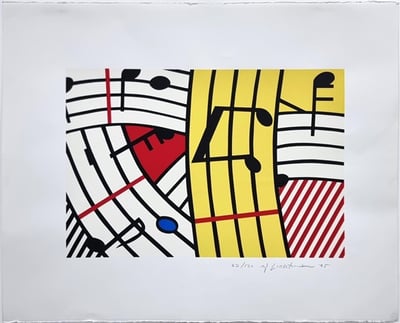
Roy Lichtenstein
Composition IV, 1995
Limited Edition Print
Screen-print
Inquire For Price
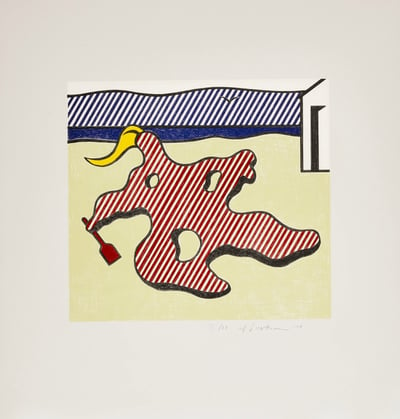
Roy Lichtenstein
Nude on Beach, from the Surrealist Series, 1978
Limited Edition Print
Lithograph
USD 20,000 – 30,000
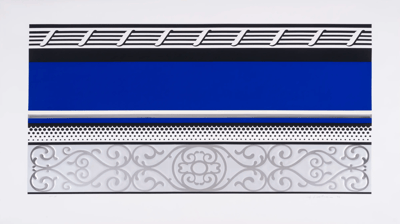
Roy Lichtenstein
Entablature V (Corlett 142), 1976
Limited Edition Print
Collage
USD 12,570
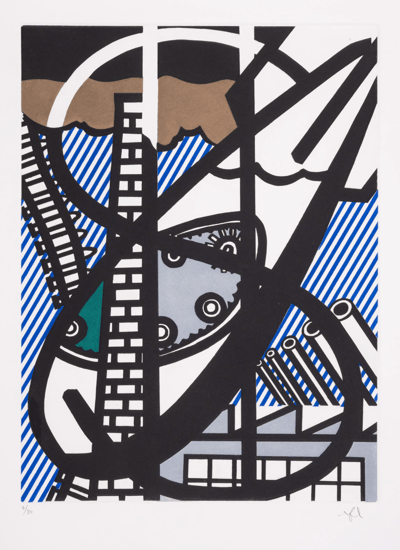
Roy Lichtenstein
Illustration for 'Une Fenêtre ouverte sur Chicago' (Corlett 271), 1992
Limited Edition Print
Etching and Aquatint
USD 13,250
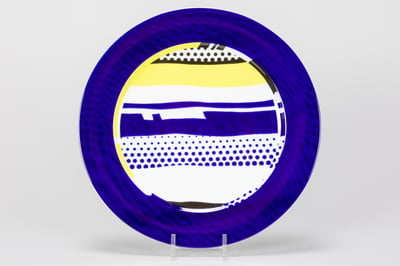
Roy Lichtenstein
Rosenthal plate 2, 2000
Sculpture / Object
Plate
EUR 750

Roy Lichtenstein
Untitled Plate (Waterlily), 1990
Ceramics
Plate
USD 2,500

Roy Lichtenstein
Industry and the Arts (II), 1969
Limited Edition Print
Screen-print
GBP 30,000 – 40,000
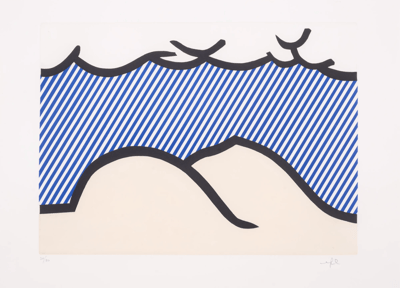
Roy Lichtenstein
Illustration for 'De Denver au Montana, Depart 27 Mai 1972' (I), 1992
Limited Edition Print
Etching and Aquatint
USD 12,500
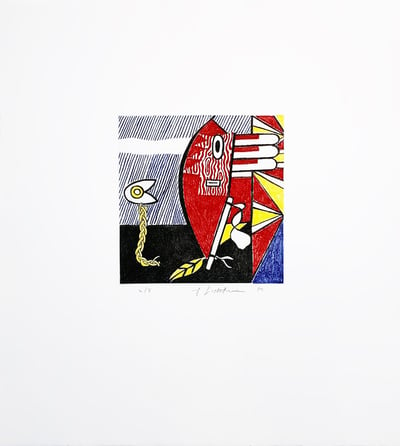
Roy Lichtenstein
Untitled I, 1980
Limited Edition Print
Etching and Aquatint
USD 20,650
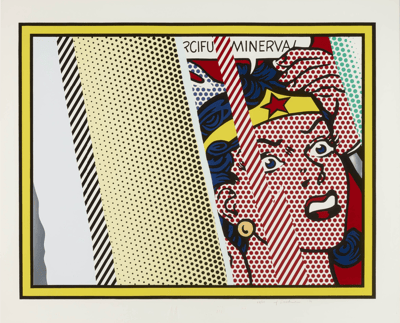
Roy Lichtenstein
Reflections on Minerva, 1990
Limited Edition Print
Mixed Media
Inquire For Price
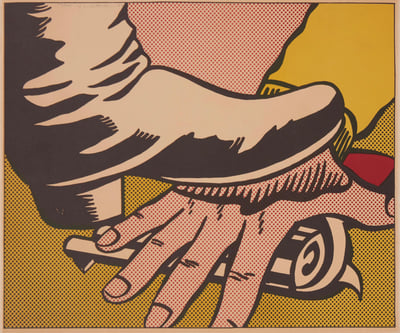
Roy Lichtenstein
Foot and Hand, 1964
Limited Edition Print
Offset Print
Inquire For Price
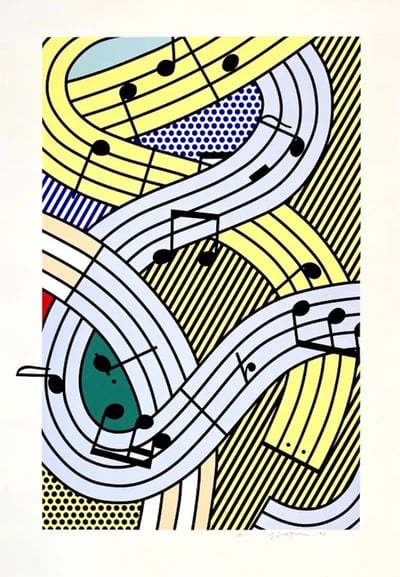
Roy Lichtenstein
Composition III, 1996
Limited Edition Print
Screen-print
Inquire For Price
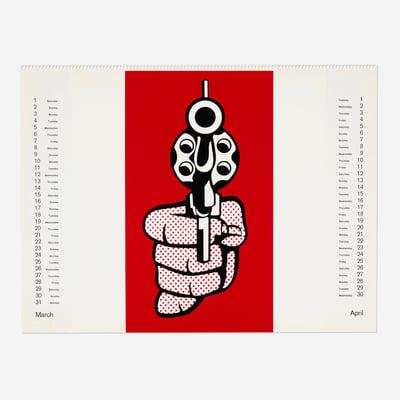
Roy Lichtenstein
Pistol (from Banner, Multiples Calendar, 1968
Limited Edition Print
Screen-print
USD 4,600
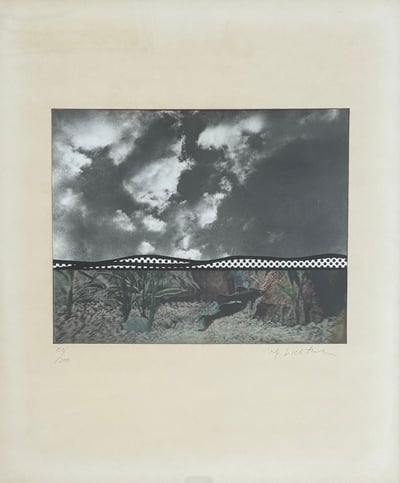
Roy Lichtenstein
Fish and Sky, 1967
Limited Edition Print
Mixed Media
EUR 10,200

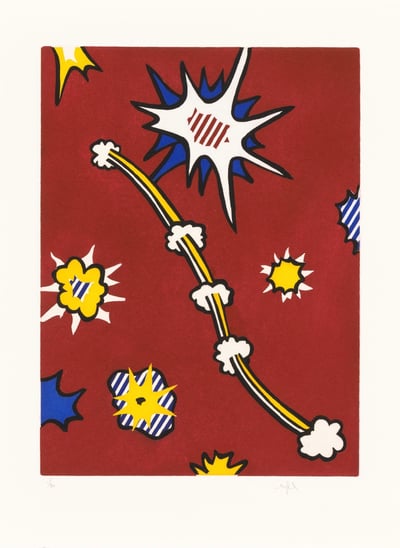
Roy Lichtenstein
Inaugural Print from the Inaugural Impressions portfolio, 1977
Limited Edition Print
Screen-print
USD 25,000 – 35,000
Roy Lichtenstein
De Denver au Montana, Départ 27 Mai 1972 (II), 1991
Limited Edition Print
Etching and Aquatint
USD 12,500
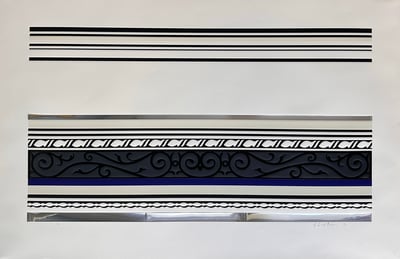
Roy Lichtenstein
Entablature IX (146), 1976
Limited Edition Print
Collage
EUR 20,000 – 25,000
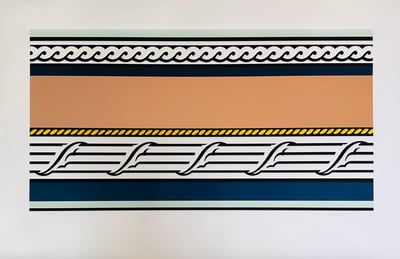
Roy Lichtenstein
Entablature IV (141), 1976
Limited Edition Print
Collage
EUR 20,000 – 25,000
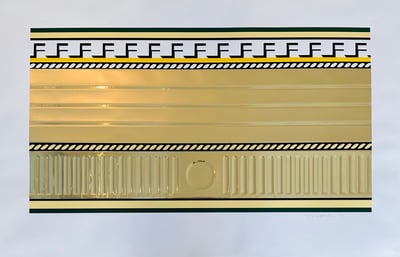
Roy Lichtenstein
Entablature III (140), 1976
Limited Edition Print
Collage
Inquire For Price
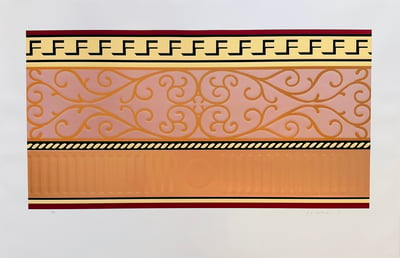
Roy Lichtenstein
Entablature II (139), 1976
Limited Edition Print
Collage
EUR 20,000 – 25,000
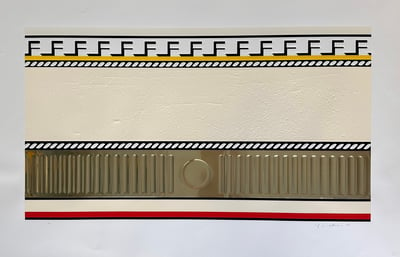
Roy Lichtenstein
Entablature I (138), 1976
Limited Edition Print
Collage
EUR 20,000 – 25,000
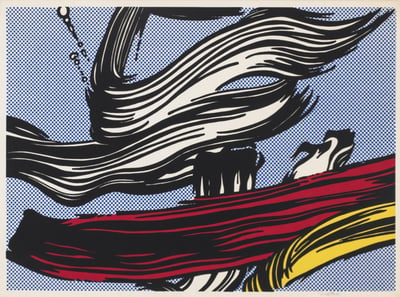
Roy Lichtenstein
Brushstrokes, 1967
Limited Edition Print
Screen-print
USD 34,000 – 40,000

Roy Lichtenstein
Haystack #1, 1969
Limited Edition Print
Lithograph
USD 19,300
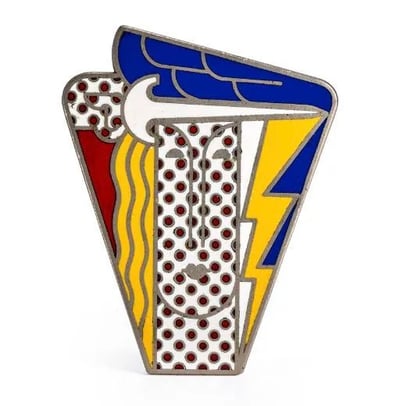
Roy Lichtenstein
Modern Head Enamel Pin, 1968
Sculpture / Object
Metal
USD 4,950
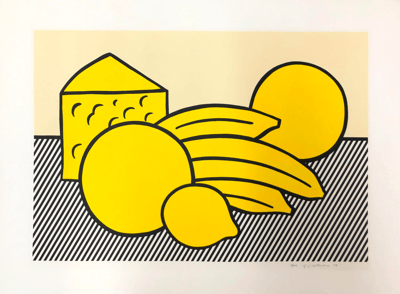
Roy Lichtenstein
Yellow Still Life, 1974
Limited Edition Print
Mixed Media
USD 39,500
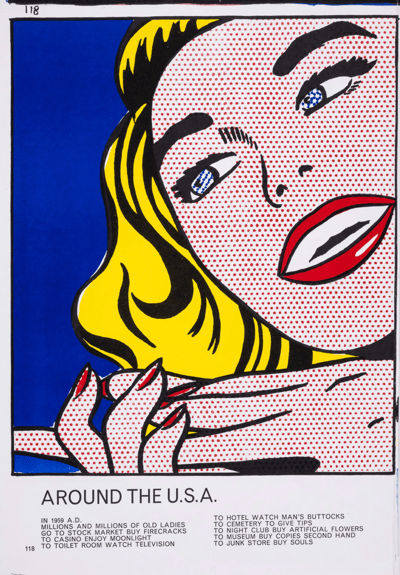
Roy Lichtenstein
Girl, 1964
Limited Edition Print
Lithograph
USD 3,000

Roy Lichtenstein
Litho/Litho, 1970
Limited Edition Print
Lithograph
USD 17,200
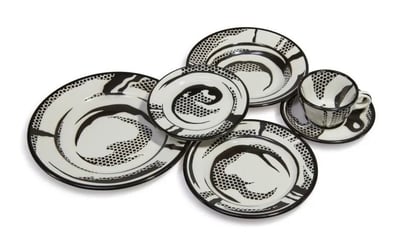
Roy Lichtenstein
Dinnerware: One Setting, 1966
Sculpture / Object
Ceramic
USD 4,300
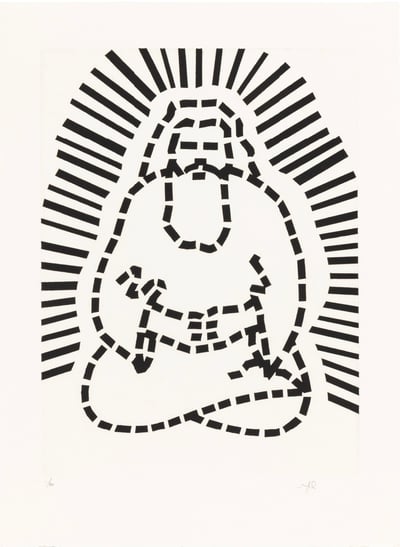
Roy Lichtenstein
Passage Du Nord-ouest, 1992
Limited Edition Print
Etching and Aquatint
USD 10,400
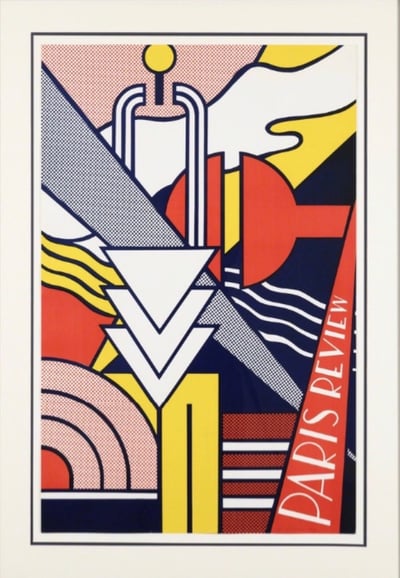
Roy Lichtenstein
Paris Review, 1967
Limited Edition Print
Silkscreen
USD 22,850
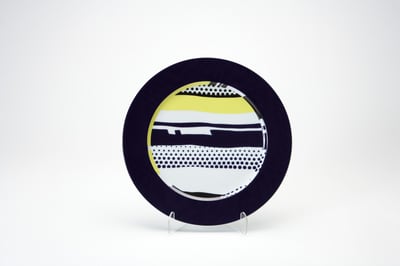
Roy Lichtenstein
Rosenthal plate 1, 2000
Sculpture / Object
Plate
EUR 700

Roy Lichtenstein
Shipboard Girl, 1965
Limited Edition Print
Offset Print
Currently Not Available

Roy Lichtenstein
Sweet dreams, Baby!, 1965
Limited Edition Print
Screen-print
Currently Not Available
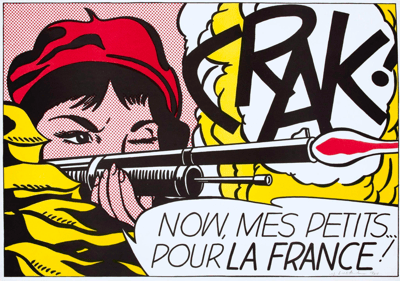
Roy Lichtenstein
CRAK!, 1963-1965
Limited Edition Print
Lithograph
Currently Not Available
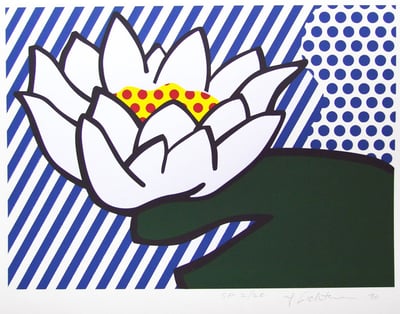
Roy Lichtenstein
Water Lily, 1993
Limited Edition Print
Screen-print
Currently Not Available
Related Artists
Related Articles
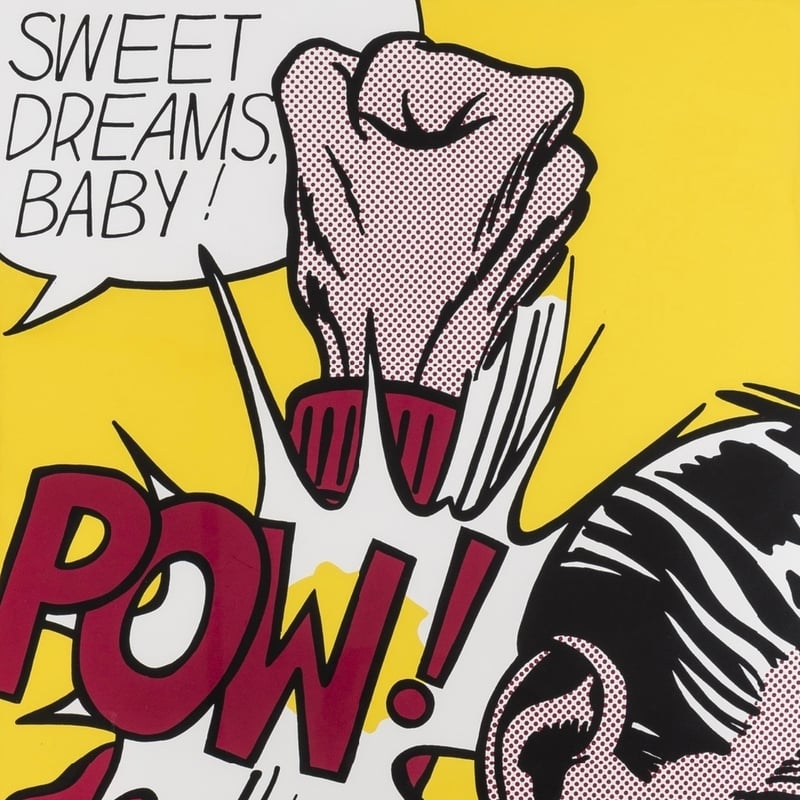
Artists - October 23, 2024
Roy Lichtenstein's 'Sweet Dreams, Baby!': An Icon of Pop Art
Dive into Roy Lichtenstein’s Sweet Dreams, Baby! (1965). Discover its comic-inspired bold visuals, irony, and impact on Pop Art’s cultural dialogue.Read More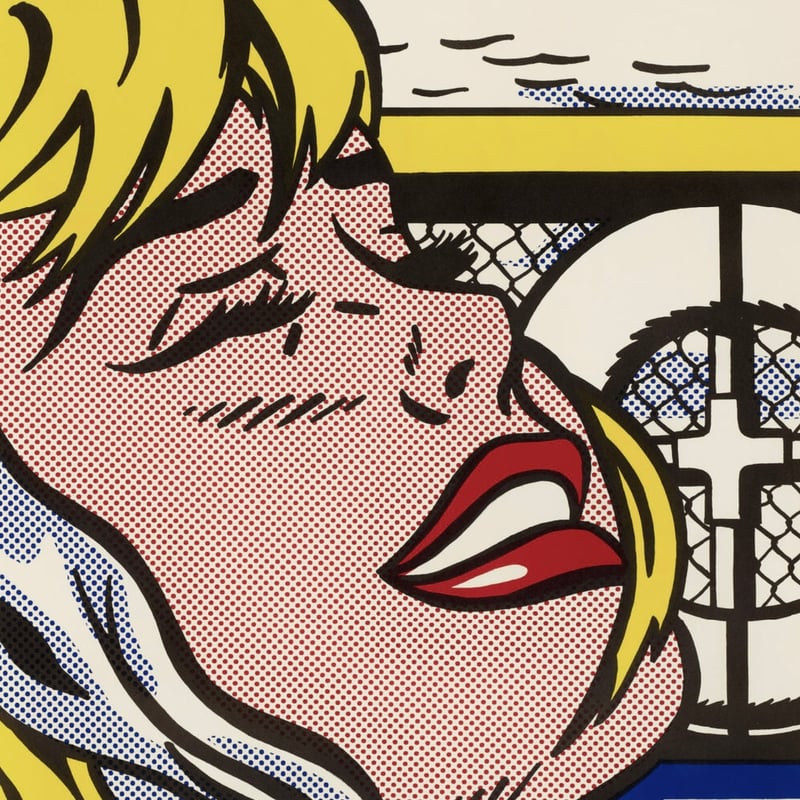
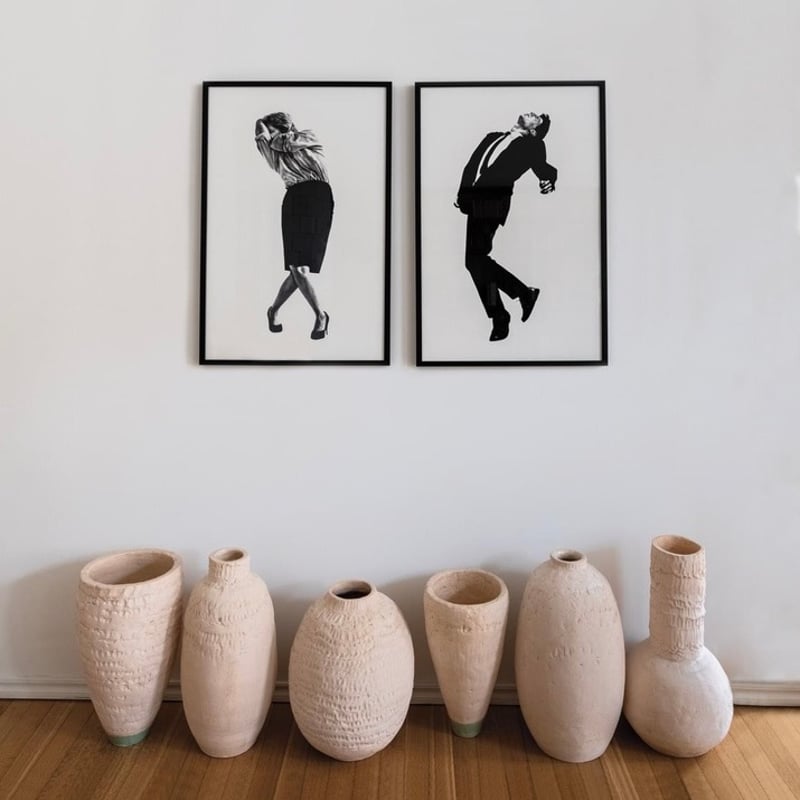
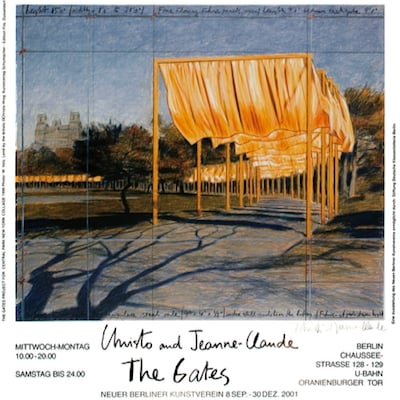
What is site specific art?
Site-Specific Art is a form of artwork created to exist in a particular location, with the artist considering the site as an integral part of the creative process. Robert Irwin was a key figure in promoting this art form in California. Site-Specific Art emerged as a reaction against modernist objects, which were often portable, commodified, and confined to museum spaces. In contrast, Site-Specific Art is inherently tied to its location, challenging the traditional notions of art as a transportable and marketable commodity.


