
Günther Uecker (Germany, 1930–2025) was a key figure in the ZERO movement. Known for his nail-covered sculptures and reliefs, he explored light, shadow, and texture in dynamic ways. His works, often interactive, reflected themes of nature, rhythm, and spirituality, making him one of Germany’s most innovative postwar artists.
Hiob Seite 36
Form
Medium
Size
- Inches
- Centimeters
Edition
Price
- Authenticity Guaranteed
- Insured Shipping
- Online Since 2005
Günther Uecker (Germany, 1930–2025) was a key figure in the ZERO movement. Known for his nail-covered sculptures and reliefs, he explored light, shadow, and texture in dynamic ways. His works, often interactive, reflected themes of nature, rhythm, and spirituality, making him one of Germany’s most innovative postwar artists.
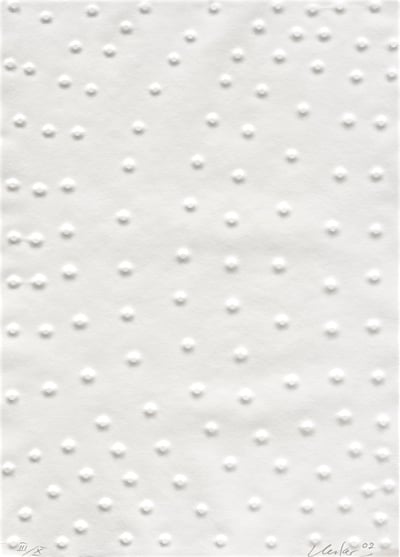
Gunther Uecker
Graphein III, Ahirom von Byblos, 2002
Limited Edition Print
Embossing
EUR 12,000
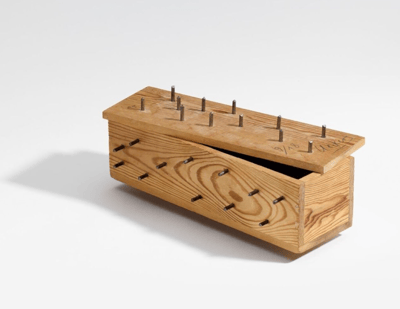
Gunther Uecker
Souvenir for Verheyen, 1989
Sculpture / Object
Mixed Media
GBP 15,000 – 20,000
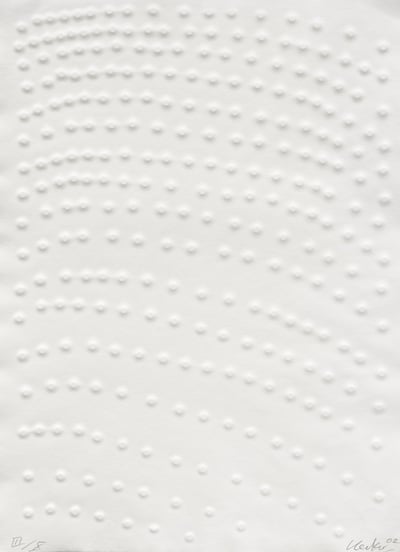
Gunther Uecker
Graphein VII, Reise Kadmos, 2002
Limited Edition Print
Embossing
EUR 12,000
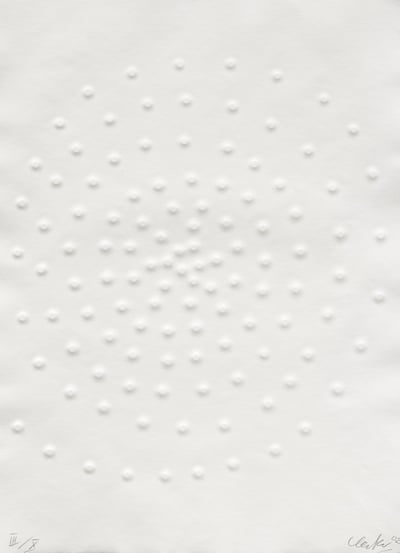
Gunther Uecker
Graphein VIII, Christen Ägypten, 2002
Limited Edition Print
Embossing
EUR 12,000
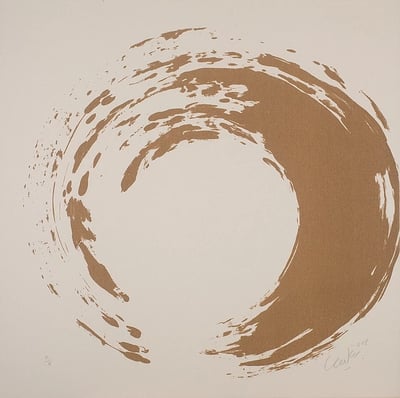
Gunther Uecker
Ouroboros 05, 2018
Limited Edition Print
Mixed Media
EUR 10,000
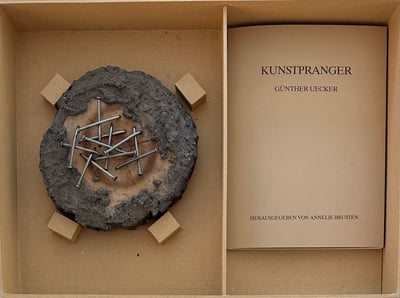
Gunther Uecker
Baum. Kunstpranger, 1984
Sculpture / Object
Mixed Media
EUR 10,800
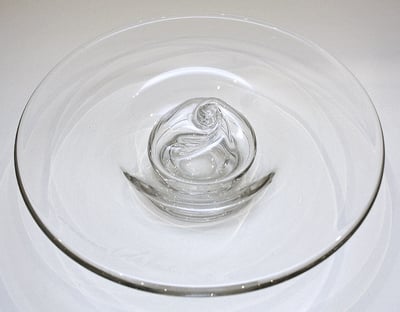
Gunther Uecker
Jahresteller, 1975
Sculpture / Object
Glass
EUR 1,620
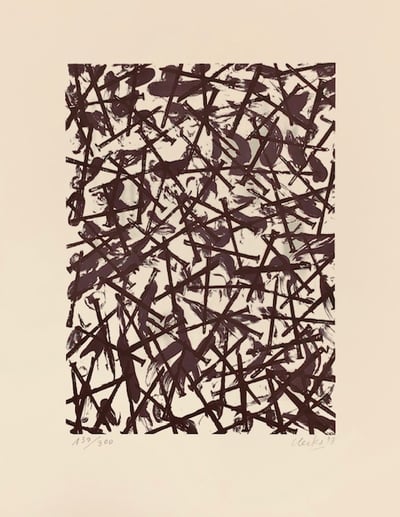
Gunther Uecker
Verletzungen-Verbindungen, 1998
Limited Edition Print
Screen-print
EUR 1,980
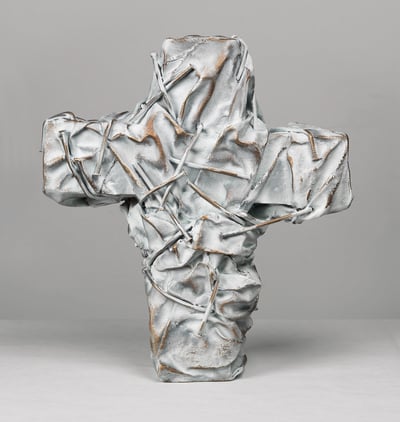
Gunther Uecker
Helles Nagelkreuz, 2017
Sculpture / Object
Bronze
EUR 49,500
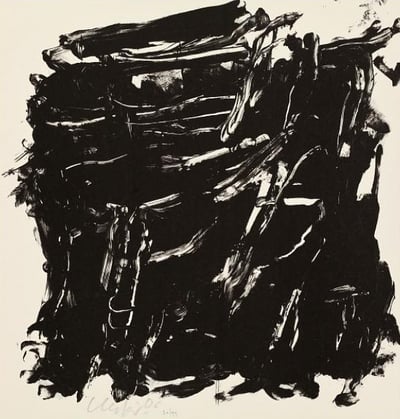
Gunther Uecker
Hiob Seite 16
Limited Edition Print
Silkscreen
EUR 1,800

Gunther Uecker
Ouroboros #12, 2018
Limited Edition Print
Sand
EUR 8,000
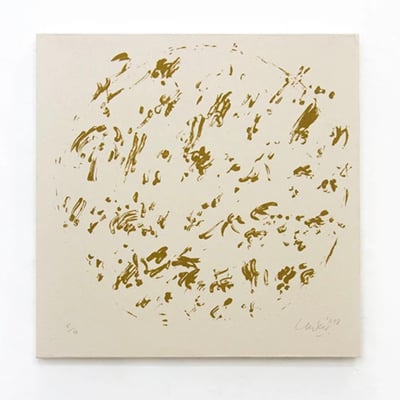
Gunther Uecker
Ouroboros #9, 2018
Limited Edition Print
Sand
EUR 8,000
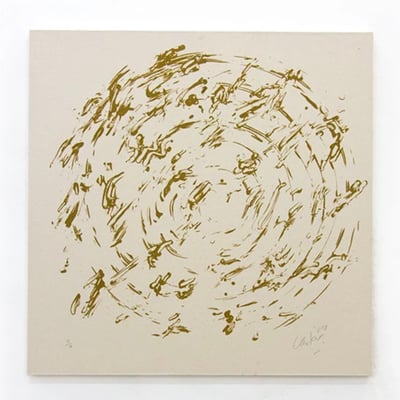
Gunther Uecker
Ouroboros #7, 2018
Limited Edition Print
Sand
EUR 8,000
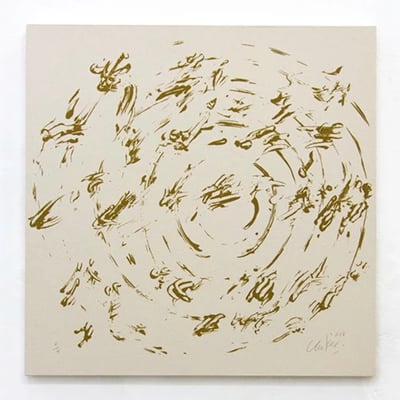
Gunther Uecker
Ouroboros #5, 2018
Limited Edition Print
Sand
EUR 8,000
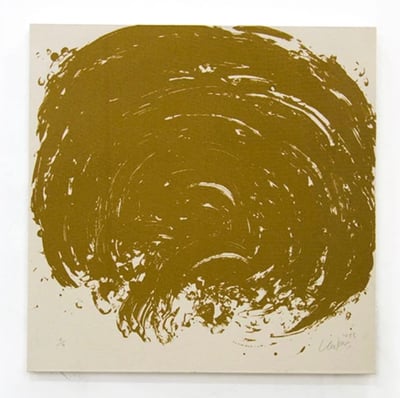
Gunther Uecker
Ouroboros #3, 2018
Limited Edition Print
Sand
EUR 8,000
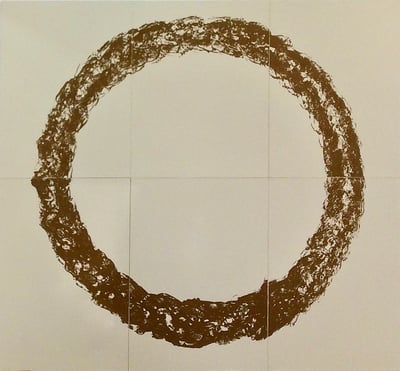
Gunther Uecker
Ouroboros (natural sand), 2018
Limited Edition Print
Screen-print
EUR 22,000
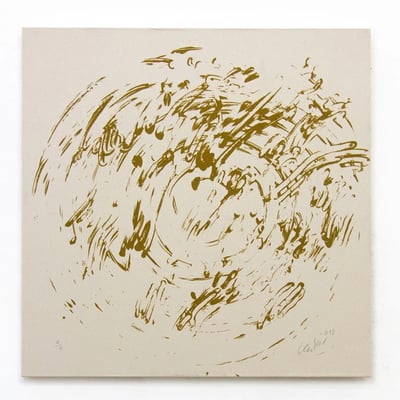
Gunther Uecker
Ouroboros #11, 2018
Limited Edition Print
Sand
EUR 8,000
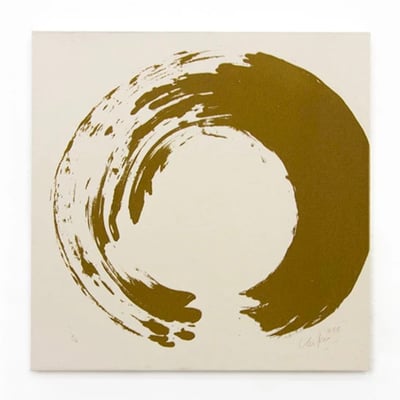
Gunther Uecker
Ouroboros #10, 2018
Limited Edition Print
Sand
EUR 8,000
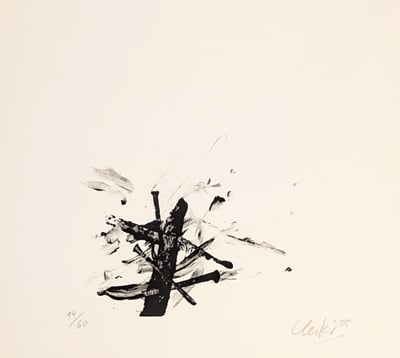
Gunther Uecker
Sarajewo 6, 2005
Limited Edition Print
Screen-print
Currently Not Available
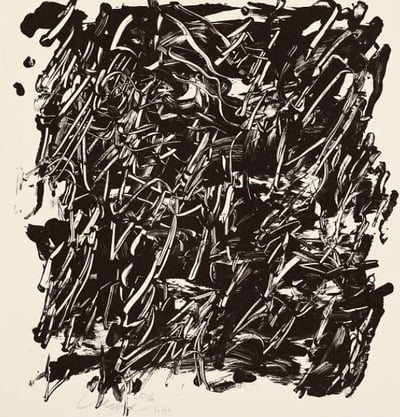
Gunther Uecker
Hiob Seite 25
Limited Edition Print
Silkscreen
Currently Not Available
Related Artists
Related Articles
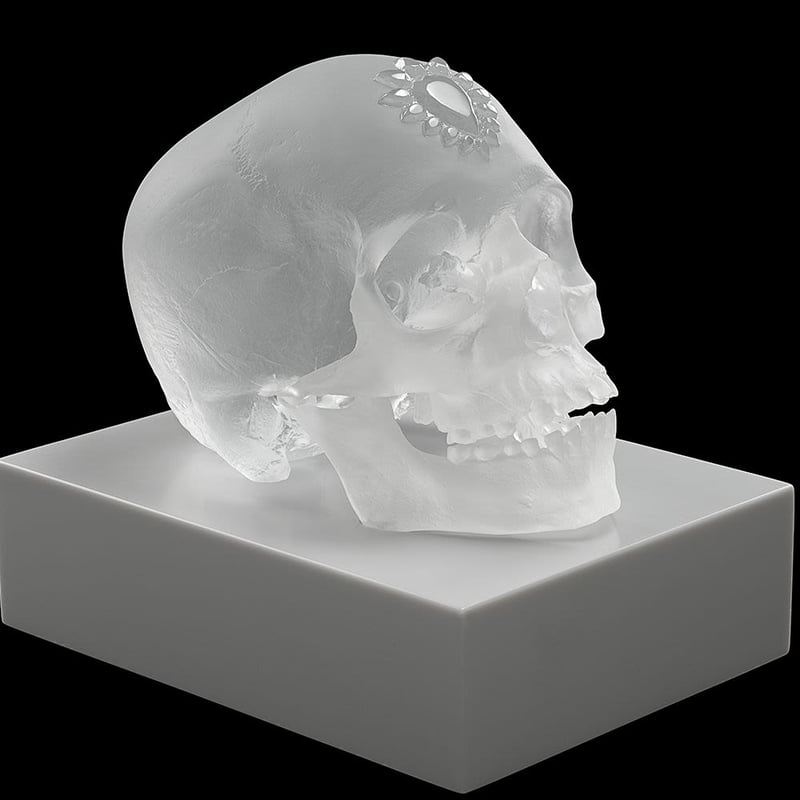
Popular, Art Movements - September 5, 2025
The Rise of Glass Art: Transparency, Reflection, and Contemporary Design
Explore how Ai Weiwei, Uecker & Calleja transform glass into bold, conceptual art—merging fragility, reflection, and political expression.Read More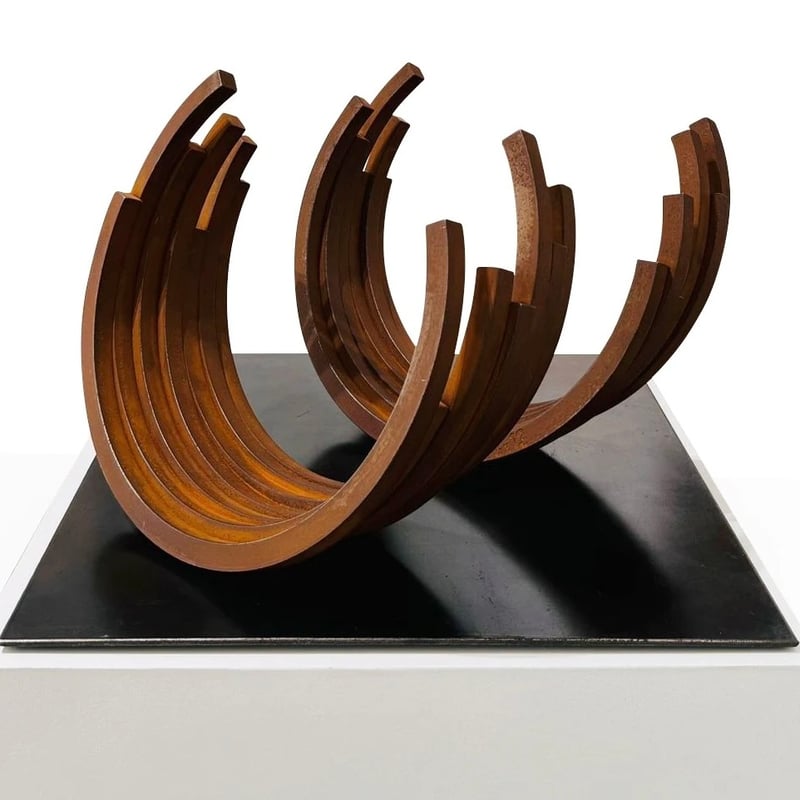
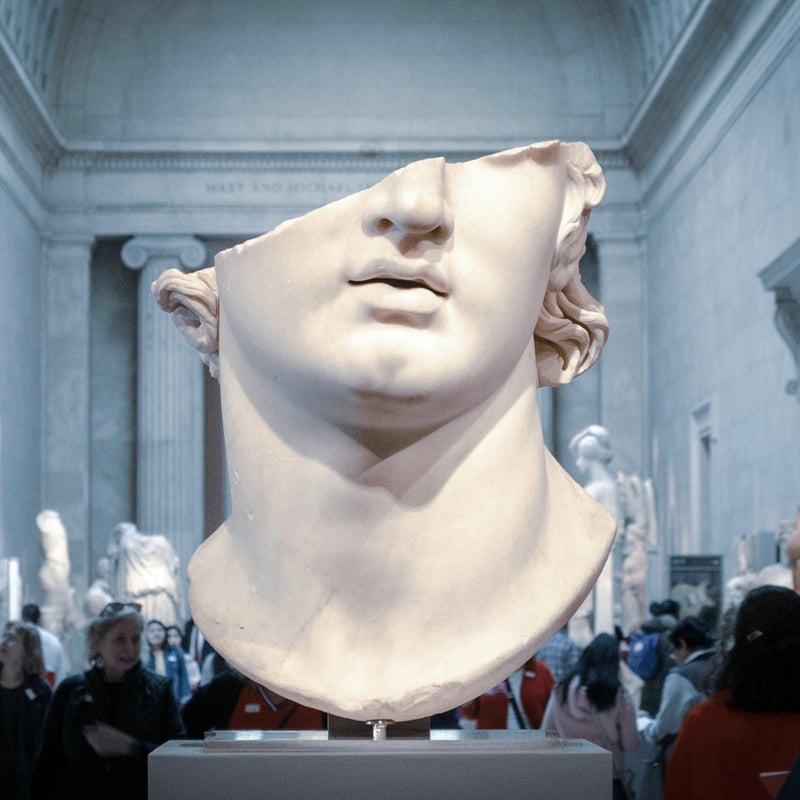

What is kinetic art?
Kinetic art is an international movement that emerged in the 1920s and gained prominence in the 1960s, referring to art that involves both apparent and real motion. It encompasses any medium that includes movement, either relying on actual motion for its effect or being perceived as moving by the viewer. Early examples include canvas paintings designed to create optical illusions of movement. Today, kinetic art often refers to three-dimensional figures and sculptures, such as those operated by machines or those that move naturally. The movement covers a variety of styles and techniques that frequently overlap.


