
What is Surrealism?
- Show All
- Established
- Discoveries
- Show All
Artworks Related to Surrealism
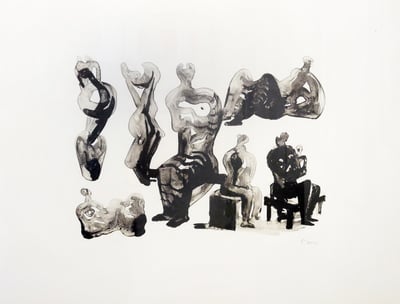
Henry Moore
Ideas for sculptures C. 365
Limited Edition Print
Lithograph
USD 3,750
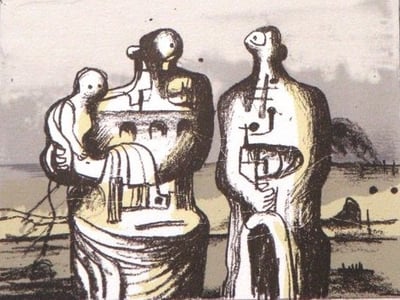
Henry Moore
Group in industrial landscape C. 418, 1975
Limited Edition Print
Lithograph
USD 3,750
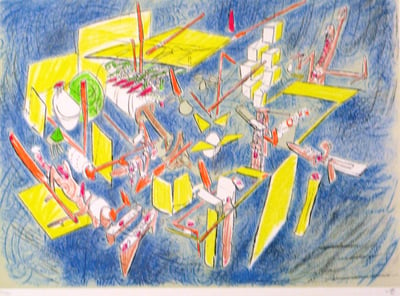
Roberto Matta
Octravi, 1974–1975
Limited Edition Print
Lithograph
USD 1,550
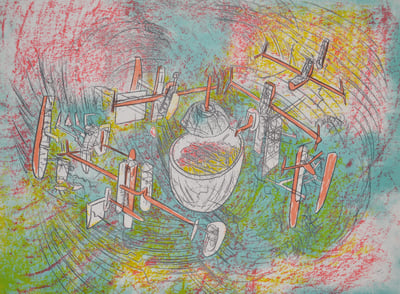
Roberto Matta
Espace de l'Espece - Interrogation Humaine
Limited Edition Print
Lithograph
Currently Not Available
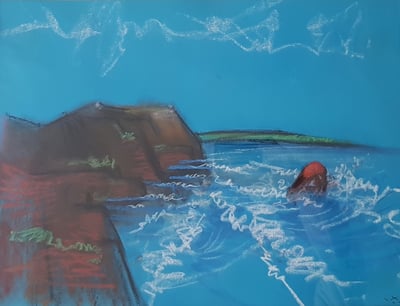
Roberto Matta
Homenaje aux Pyrenees, 1976
Drawing / Watercolor
Pastel
Make Your Offer
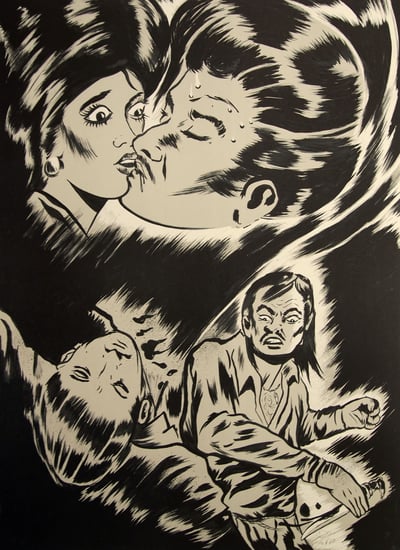
Dr Lakra
Beso, 2009
Limited Edition Print
Lithograph
EUR 750
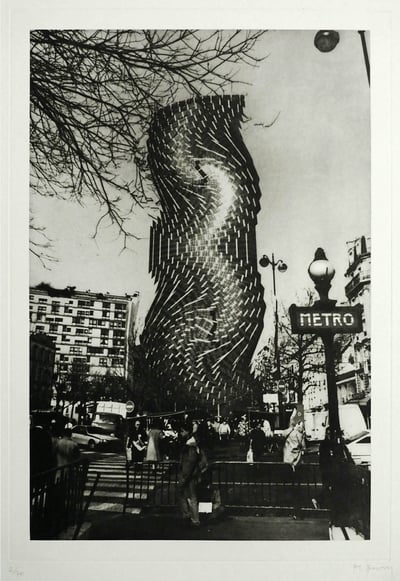
Pol Bury
Tour Montparnasse, 1990
Limited Edition Print
Etching
Currently Not Available
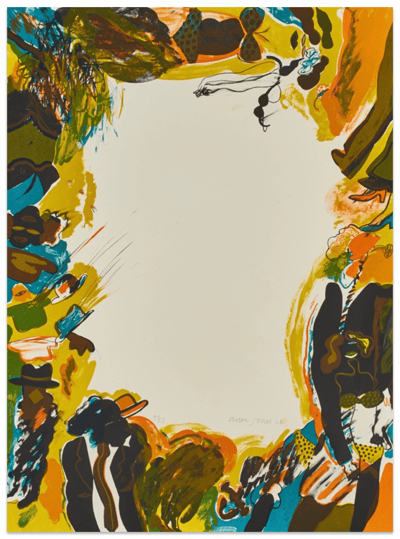
Allen Jones
Untitled from Concerning Marriages series, Plate H, 1964
Limited Edition Print
Lithograph
USD 2,400
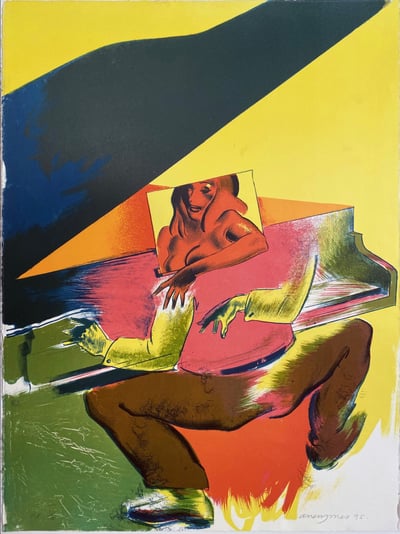
Allen Jones
Playtime, 1995
Limited Edition Print
Lithograph
USD 2,750
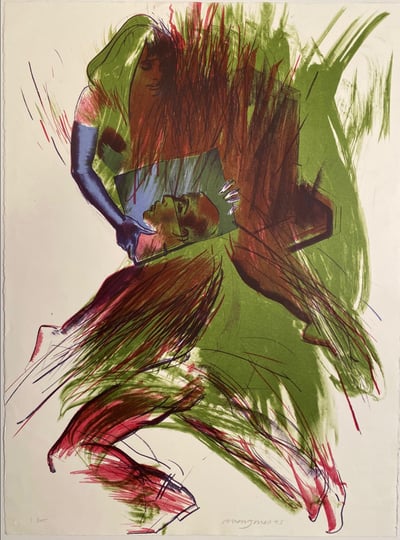
Allen Jones
No Strings, 1995
Limited Edition Print
Lithograph
USD 2,750
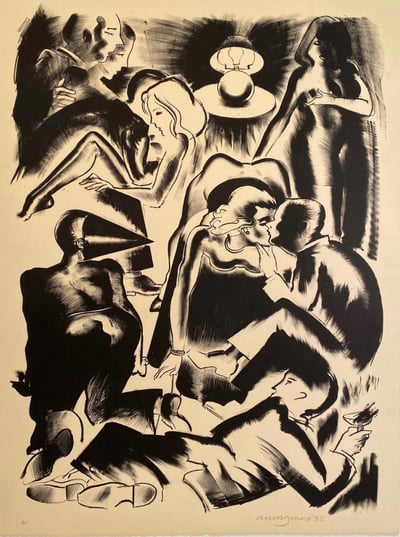
Allen Jones
High Society, 1985
Limited Edition Print
Lithograph
USD 2,250
Allen Jones
Greasepaint, 1988
Limited Edition Print
Lithograph
USD 4,250
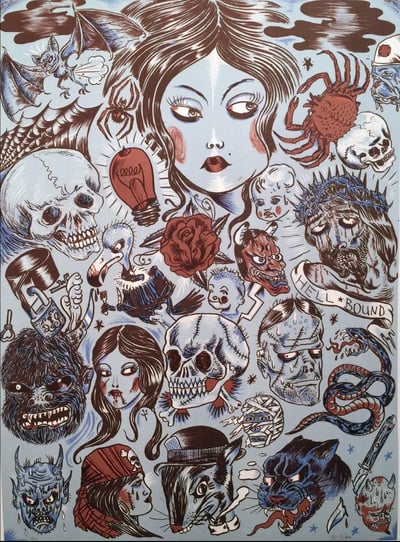
Dr Lakra
Untitled Blue, 2008
Limited Edition Print
Lithograph
USD 2,750
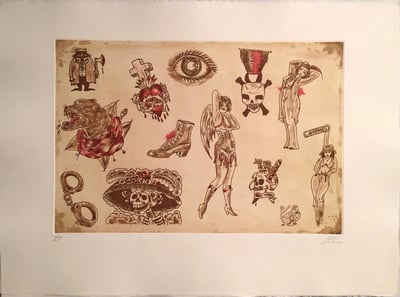
Dr Lakra
Untitled, #3, 2008
Limited Edition Print
Etching
USD 2,500
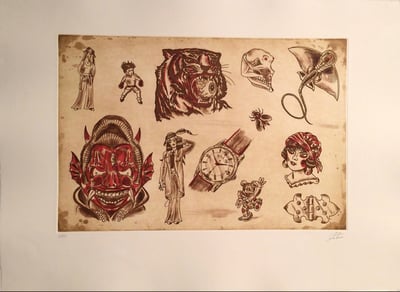
Dr Lakra
Untitled, #6, 2008
Limited Edition Print
Etching
USD 2,500
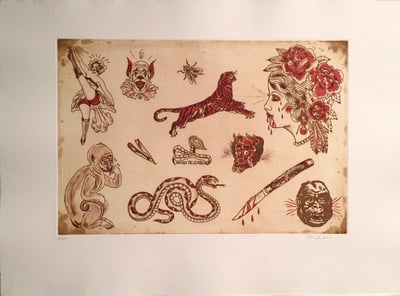
Dr Lakra
Untitled, #7, 2008
Limited Edition Print
Etching
USD 2,500
Related Articles
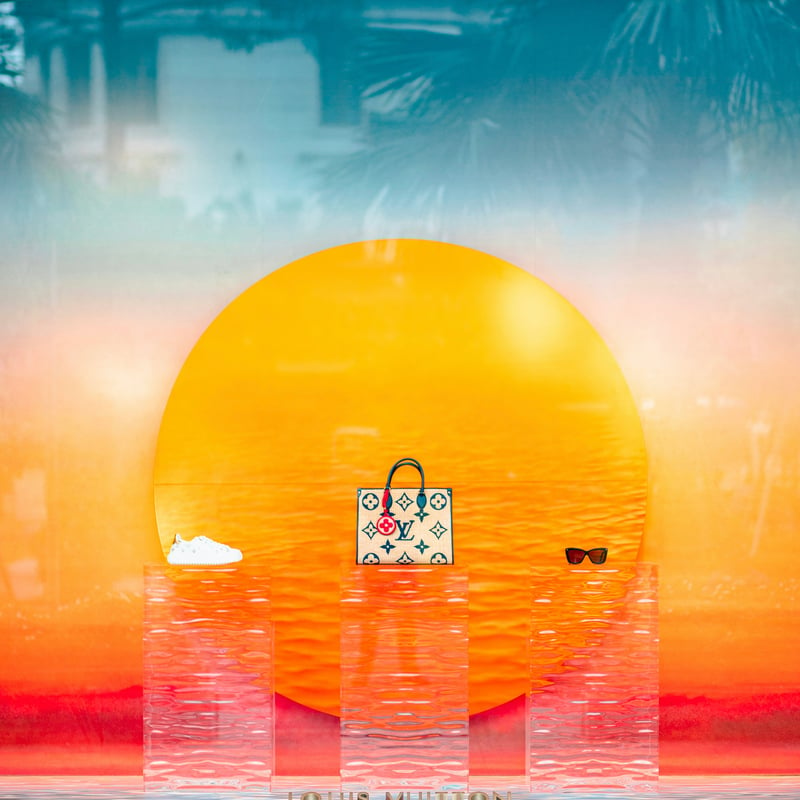
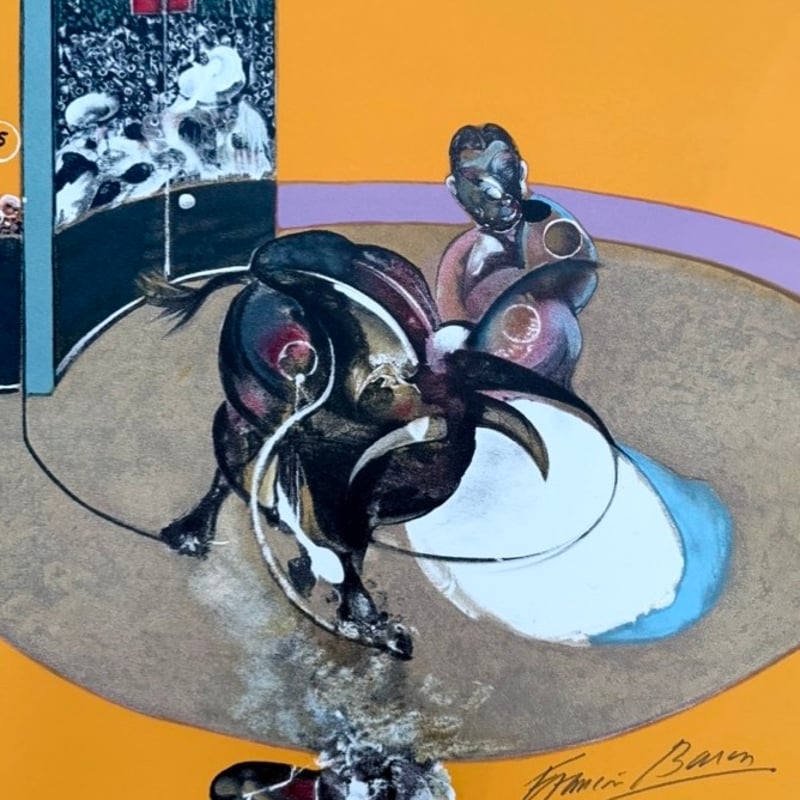
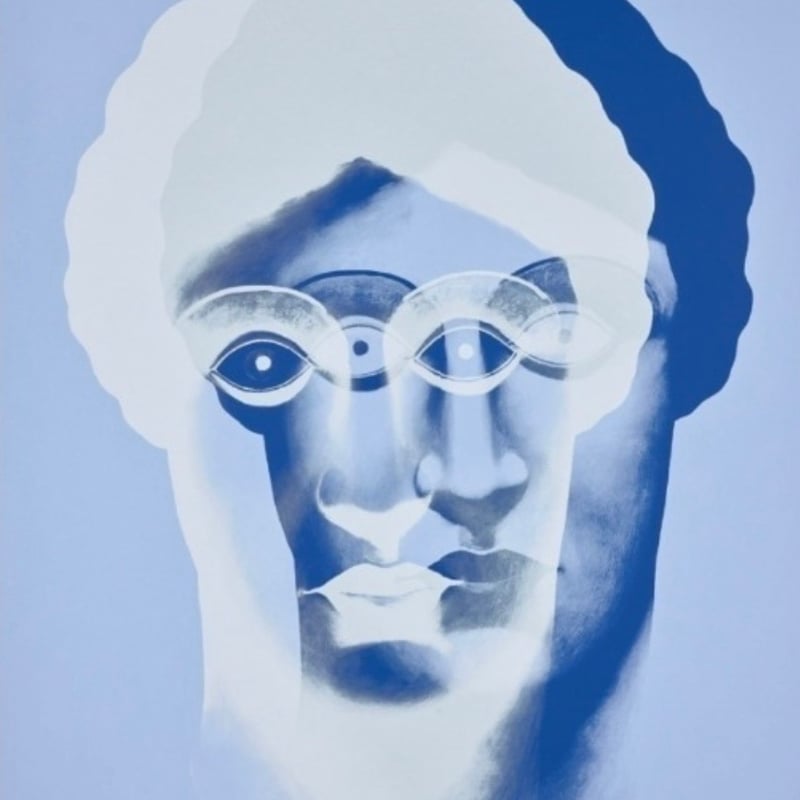
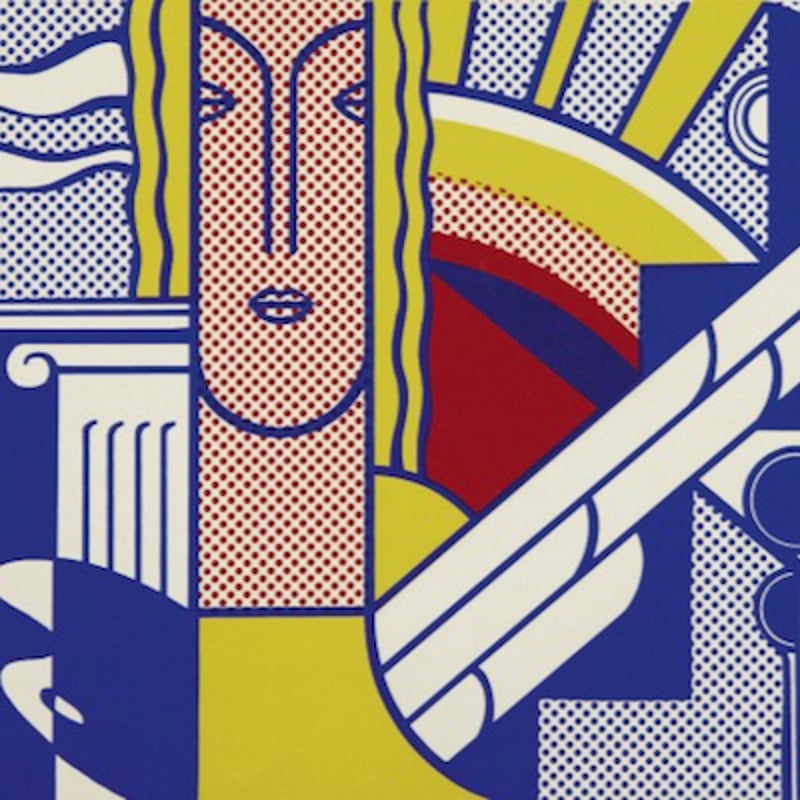
Late Modernism refers to the continuation and evolution of Modernist principles in art, architecture, and literature from the mid-20th century into the late 20th century. This movement maintains a focus on form, abstraction, and the rejection of traditional styles, but it often incorporates more complexity and ambiguity compared to early Modernism. Late Modernism explores themes such as alienation, identity, and the fragmentation of reality, reflecting the social and cultural shifts of the post-war period. It is seen in the works of architects like Louis Kahn and artists like Francis Bacon, who pushed the boundaries of Modernism while responding to the changing world around them.

Transavanguardia is the Italian version of Neo-Expressionism, referring to an art movement that emerged in Italy and other parts of Western Europe during the 1970s and 1980s. The term translates to beyond the avant-garde. Transavanguardia arose as a reaction against the dominance of conceptual art, reintroducing emotion and reviving painting as a primary medium. The movement marked a return to mythic imagery and figurative art, celebrating a rediscovery of traditional forms and themes in a contemporary context.

Montage is a film editing technique where a series of shots are edited into a sequence to condense time, convey information, and manage space within the narrative. While it primarily refers to this method in film, the term can also be used in various other contexts to describe the assembly of disparate elements into a cohesive whole.
Can't find your Answer?
Thank you! Your question has been sent — we'll get back to you shortly.
