
What is Surrealism?
- Show All
- Established
- Discoveries
- Show All
Artworks Related to Surrealism
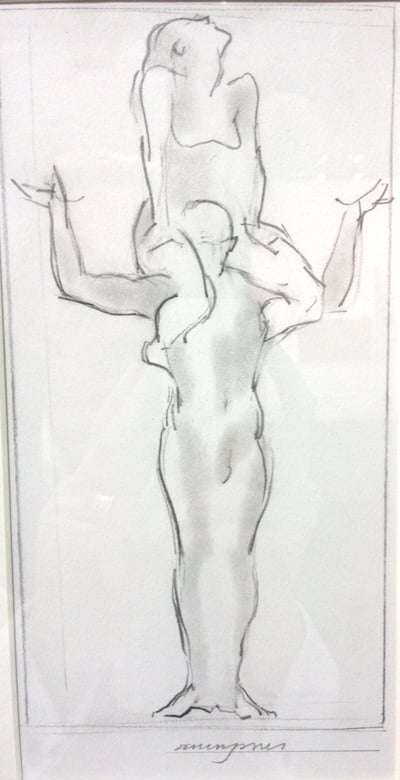
Allen Jones
Cascade, 1999
Drawing / Watercolor
Pencil
EUR 8,500
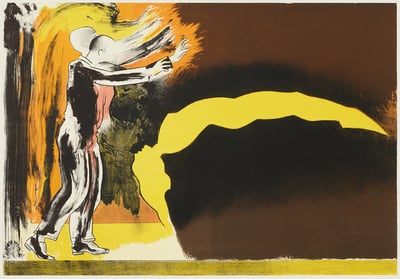
Allen Jones
Just Like That, 2012
Limited Edition Print
Lithograph
EUR 2,500
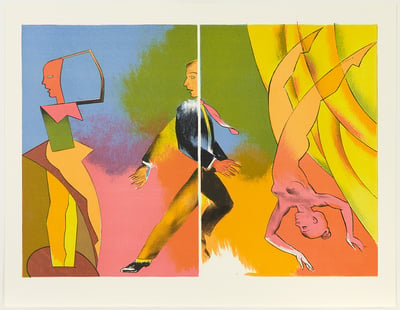
Allen Jones
Split Performance, 2012
Limited Edition Print
Lithograph
EUR 2,500
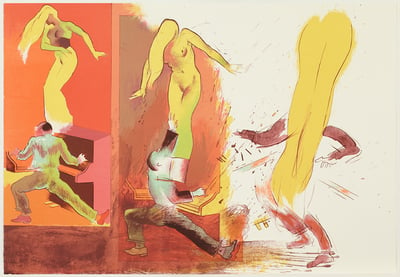
Allen Jones
Second Thought, 2012
Limited Edition Print
Lithograph
EUR 2,500
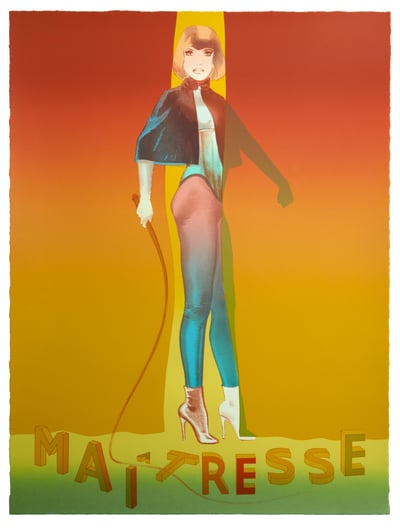
Allen Jones
Maitresse I, 2016
Limited Edition Print
Screen-print
EUR 2,800
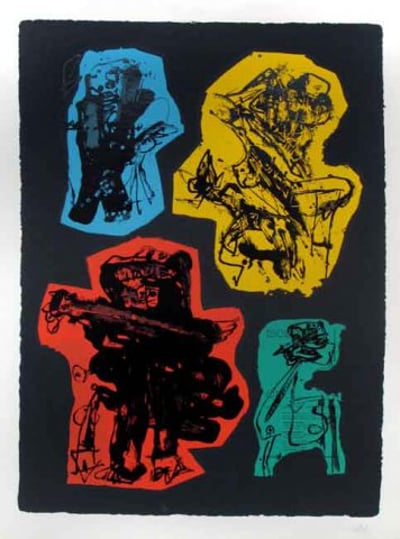
Antonio Saura
Tu Cabello Es Amarillo, 1962
Limited Edition Print
Serigraph
EUR 2,250
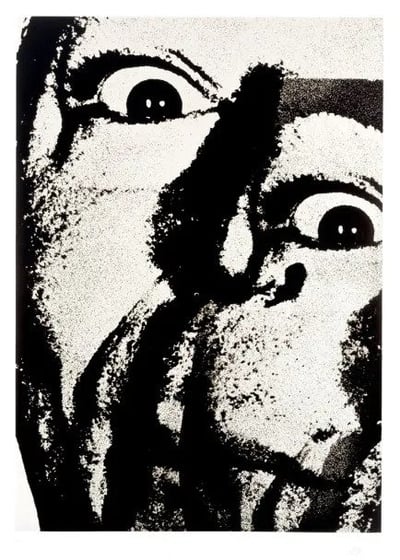
Antonio Saura
7, Moi, Planche 7, 1976
Limited Edition Print
Serigraph
EUR 1,875
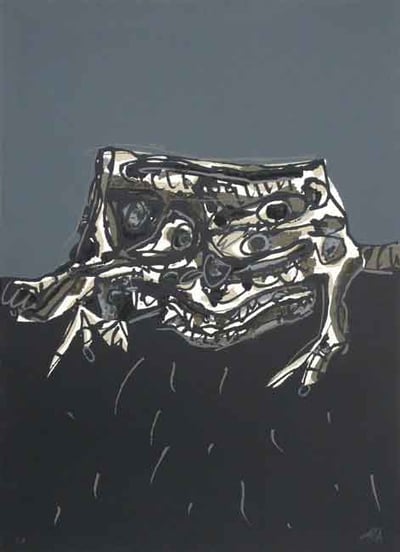
Antonio Saura
El Perro De Goya I, 1972
Limited Edition Print
Serigraph
EUR 1,875
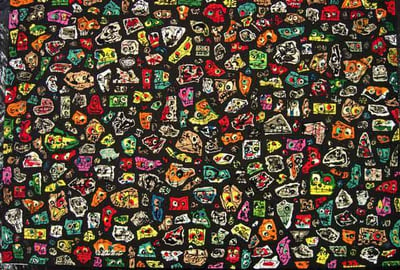
Antonio Saura
Rompecabezas, 1984
Limited Edition Print
Mixed Media
EUR 3,125
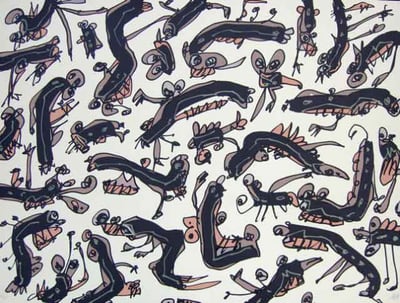
Antonio Saura
L'Envie, 1994
Limited Edition Print
Mixed Media
EUR 1,150
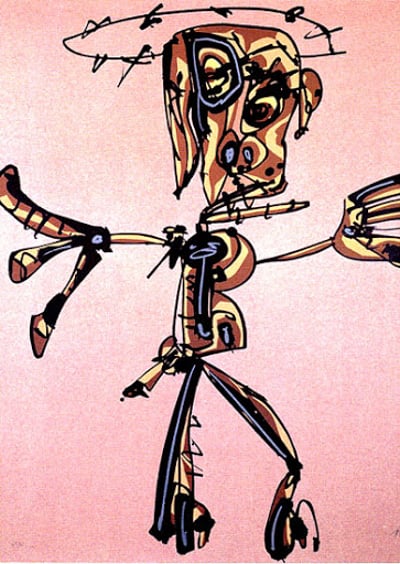
Antonio Saura
1. Crucifixion, 1991
Limited Edition Print
Mixed Media
EUR 1,875
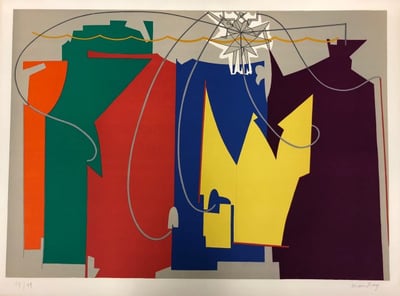
Man Ray
Danza Di Corda, 1972
Limited Edition Print
Lithograph
EUR 3,750
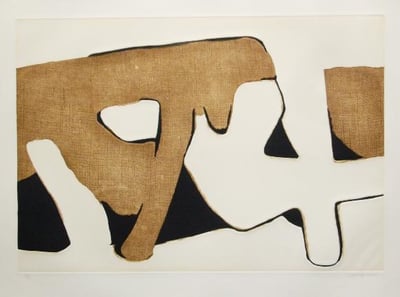
Conrad Marca-Relli
Composition XIV, 1977
Limited Edition Print
Etching and Aquatint
EUR 1,560
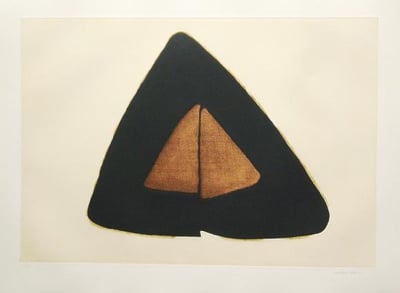
Conrad Marca-Relli
Composition VIII, 1977
Limited Edition Print
Etching and Aquatint
EUR 1,560
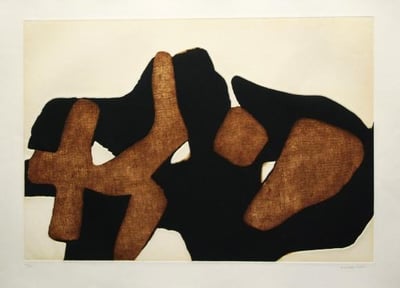
Conrad Marca-Relli
Composition IV, 1977
Limited Edition Print
Etching and Aquatint
EUR 1,560
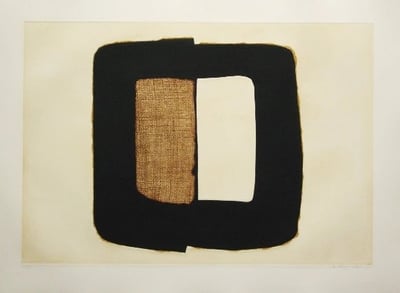
Conrad Marca-Relli
Composition III, 1977
Limited Edition Print
Etching and Aquatint
EUR 1,560
Related Articles
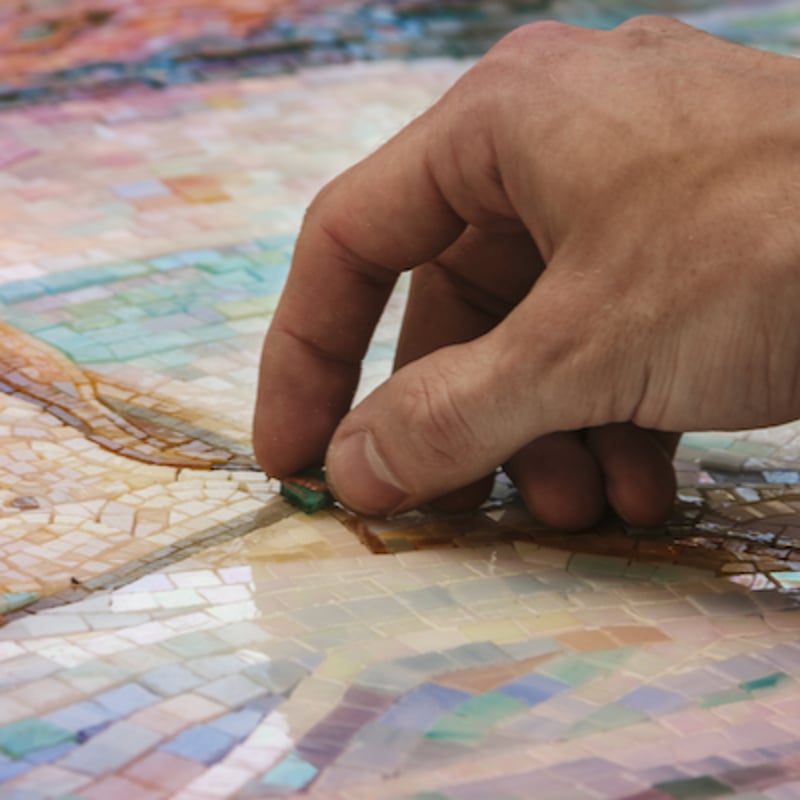
Mosaic is an art form that involves creating images by arranging many small pieces of colored tile, glass, or other materials. These pieces, often numbering in the hundreds, are placed closely together like a puzzle, each piece contributing to the overall picture.

A pigment is a material that changes the color of light by selectively absorbing certain wavelengths and reflecting others. Unlike phosphorescence or fluorescence, where materials emit light, pigments work by altering the light that passes through or is reflected from them. In art, pigments are chosen for their special properties, such as high tinting strength, making them ideal for coloring various materials.
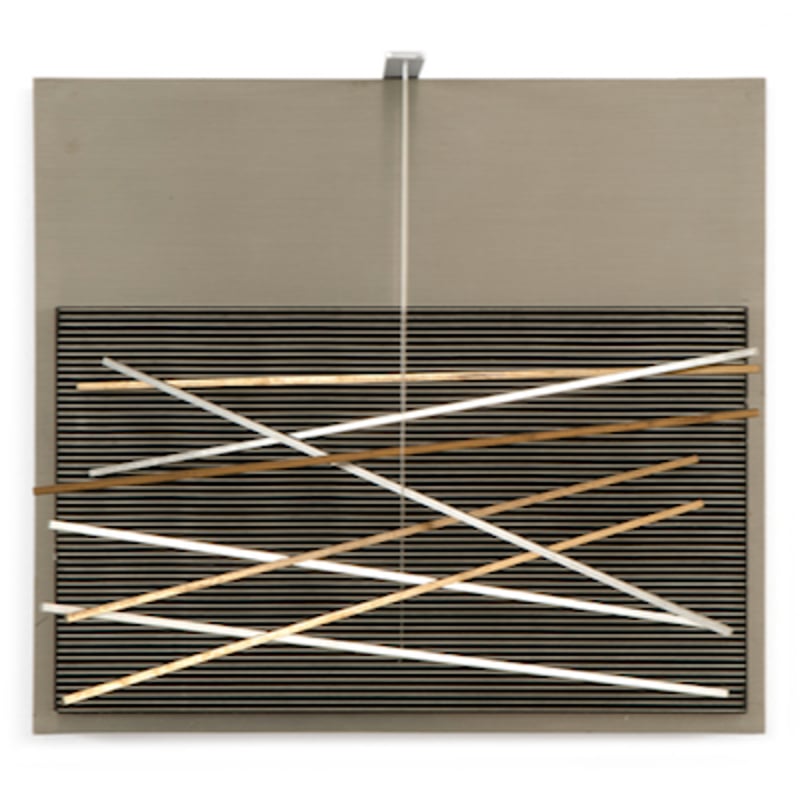
Kinetic art is an international movement that emerged in the 1920s and gained prominence in the 1960s, referring to art that involves both apparent and real motion. It encompasses any medium that includes movement, either relying on actual motion for its effect or being perceived as moving by the viewer. Early examples include canvas paintings designed to create optical illusions of movement. Today, kinetic art often refers to three-dimensional figures and sculptures, such as those operated by machines or those that move naturally. The movement covers a variety of styles and techniques that frequently overlap.
Can't find your Answer?
Thank you! Your question has been sent — we'll get back to you shortly.
