
What is Surrealism?
- Show All
- Established
- Discoveries
- Show All
Artworks Related to Surrealism
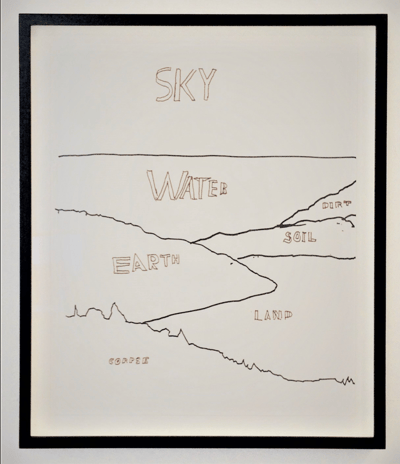
Luchita Hurtado
Untitled, 2019
Limited Edition Print
Aquatint
Currently Not Available
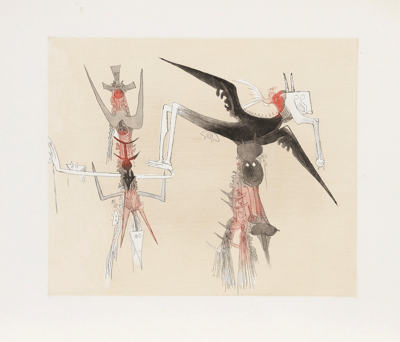
Wifredo Lam
Contre une maison sèche (light), 1977
Limited Edition Print
Etching and Aquatint
USD 1,100
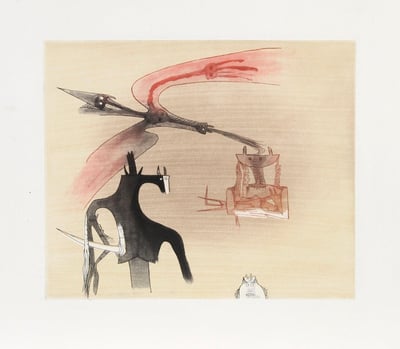
Wifredo Lam
Contre une maison sèche (red), 1977
Limited Edition Print
Etching and Aquatint
USD 1,100
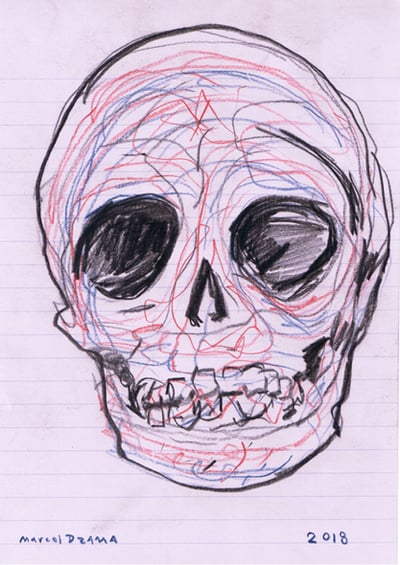
Marcel Dzama
A Blind Man’s Scrap Book (Skull), 2018
Drawing / Watercolor
Coloured pencil
EUR 1,600
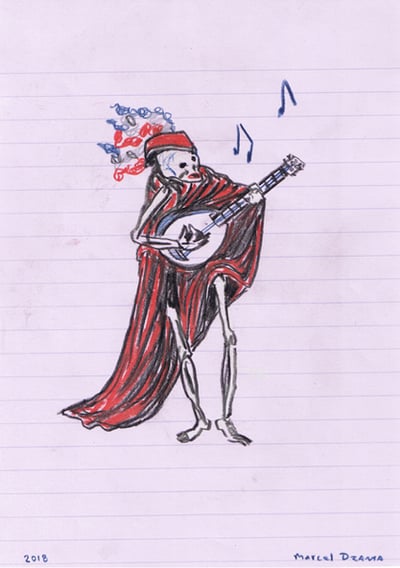
Marcel Dzama
A Blind Man’s Scrap Book (Skeletal Serenade), 2018
Drawing / Watercolor
Coloured pencil
EUR 1,600
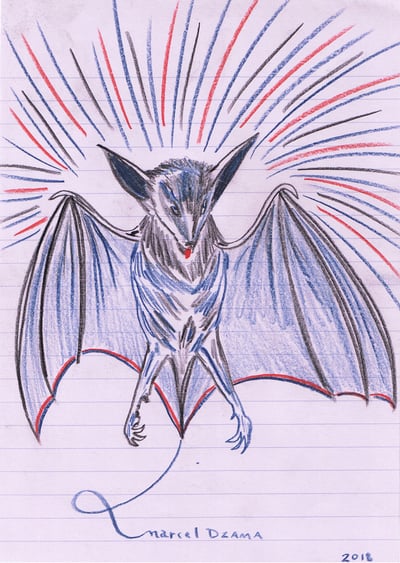
Marcel Dzama
A Blind Man’s Scrap Book (Radiant Bat), 2018
Drawing / Watercolor
Coloured pencil
EUR 1,600
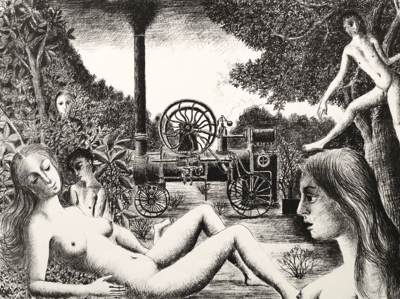
Paul Delvaux
Locomobile, 1970
Limited Edition Print
Lithograph
Currently Not Available
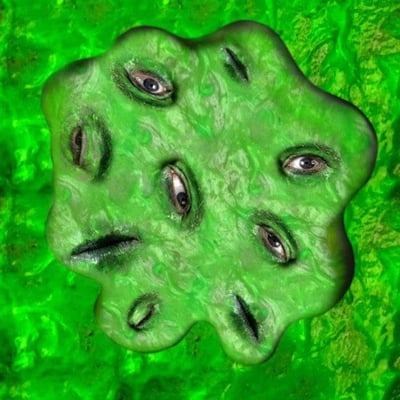
Tony Oursler
“Studio (self-Portrait in Green)”, 2005
Limited Edition Print
Digital Print on paper
Currently Not Available
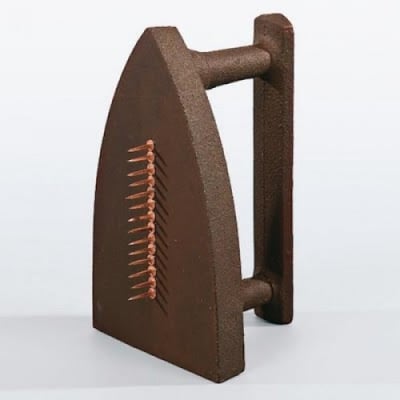
Man Ray
Cadeau, 1921
Sculpture / Object
Mixed Media
USD 1,950
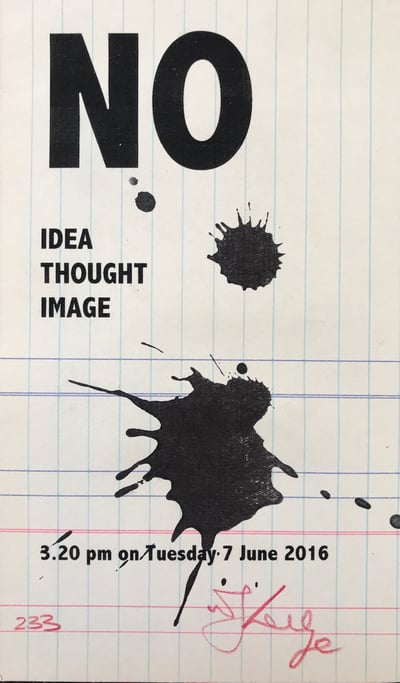
William Kentridge
No Idea Thought Image, 2016
Limited Edition Print
Screen-print
Currently Not Available
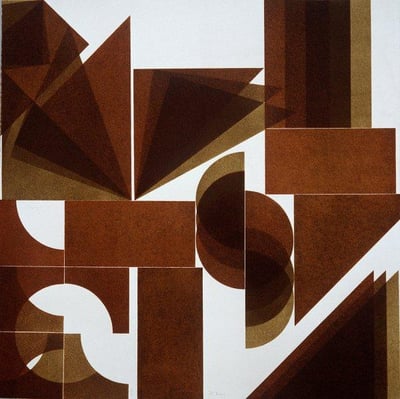
Pol Bury
Presenza grafica, 1973
Limited Edition Print
Etching and Aquatint
Currently Not Available
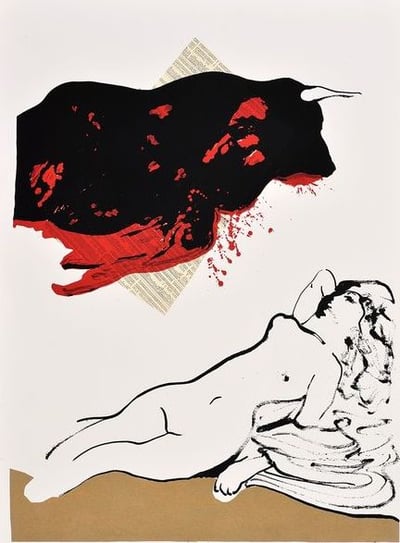
Hugo Claus
Europe and the bull, 1992
Limited Edition Print
Lithograph
Currently Not Available
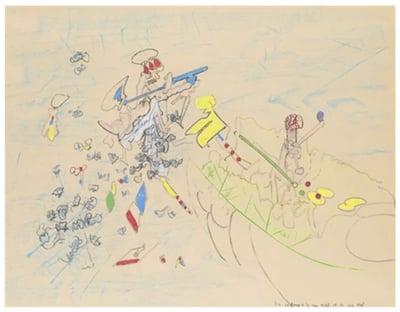
Roberto Matta
Les cadeaux de la mère Noël et du père Noël, 1968–1969
Drawing / Watercolor
Mixed Media
USD 13,000 - 15,000
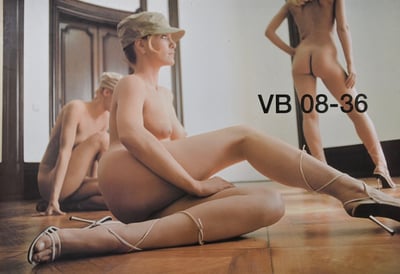
Vanessa Beecroft
Performances, 2000
Limited Edition Print
Offset Print
Currently Not Available
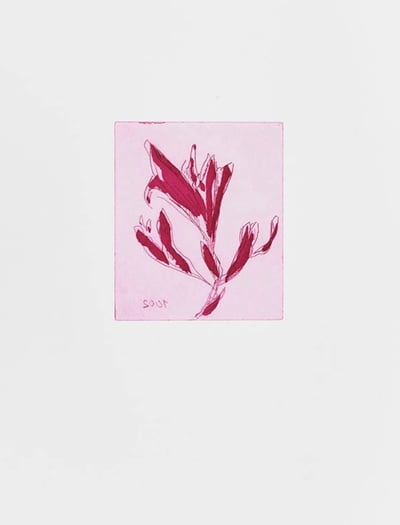
Thomas Schutte
Flowers , 2001
Limited Edition Print
Drypoint
Currently Not Available
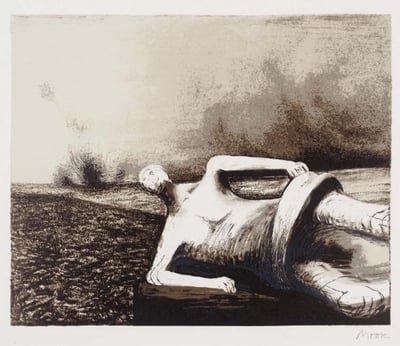
Henry Moore
Male figure in landscape C.470, 1977
Limited Edition Print
Lithograph
USD 5,000
Related Articles
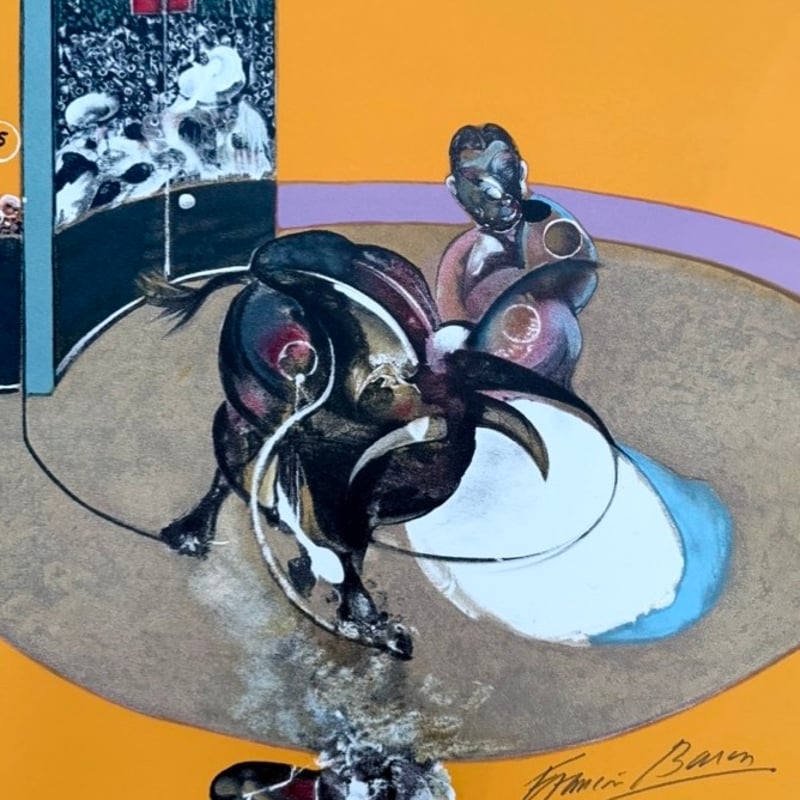
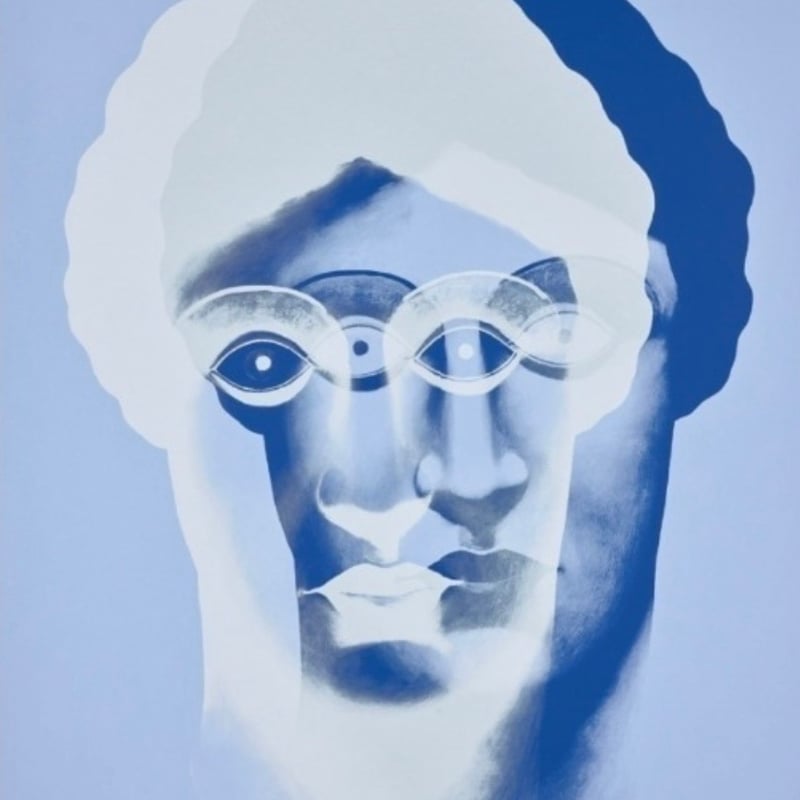

Concrete Art is an art movement founded by the Dutch artist Theo van Doesburg in the 1930s. The movement emphasizes pure abstraction, focusing on geometric shapes and colors without any reference to the natural world or symbolic meaning. Unlike other forms of abstract art, Concrete Art is entirely non-representational and is based on mathematical principles and precise execution. It aims to create universal, timeless works by using simple, clear forms that emphasize objectivity and clarity.

Offset lithography is a printing technique where the inked image is first transferred (offset) from a plate to a rubber blanket and then to the printing surface. This method combines the lithographic process, which relies on the repulsion of water and oil, to keep non-printing areas ink-free by attracting a water-based film. Offset lithography was originally developed to reduce costs in reproducing artwork and is widely used for high-volume printing due to its efficiency and ability to produce sharp, consistent images.
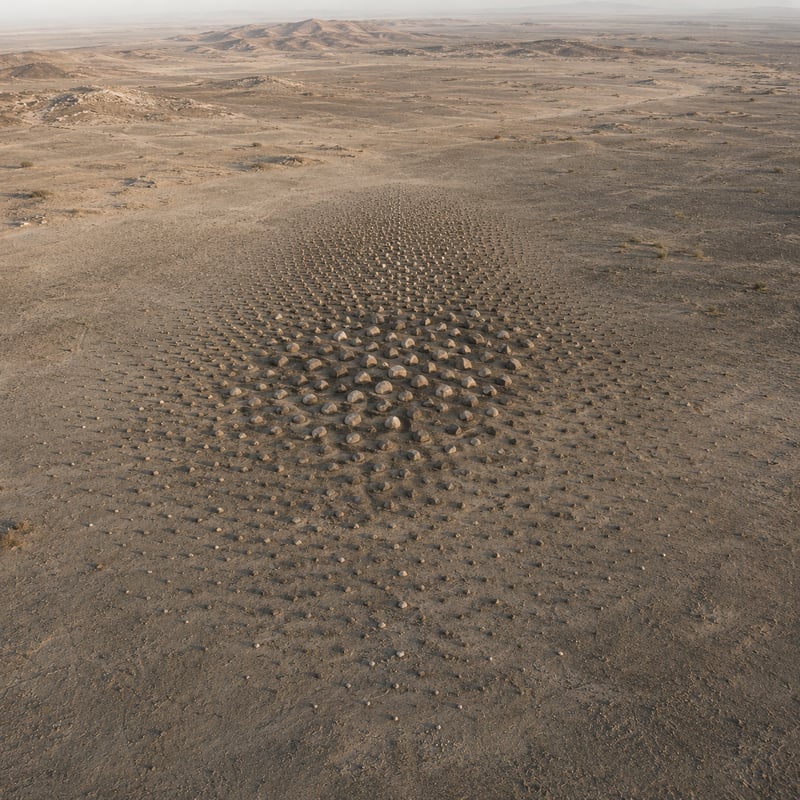
Earth art, also known as Land Art, emerged in the 1960s and 70s as part of the conceptual art movement. It involves creating artworks by sculpting the land or constructing structures in the landscape using natural materials like earth, rocks, or twigs. These works are often large-scale and emphasize the relationship between art and nature.
Can't find your Answer?
Thank you! Your question has been sent — we'll get back to you shortly.
