
What is Surrealism?
- Show All
- Established
- Discoveries
- Show All
Artworks Related to Surrealism
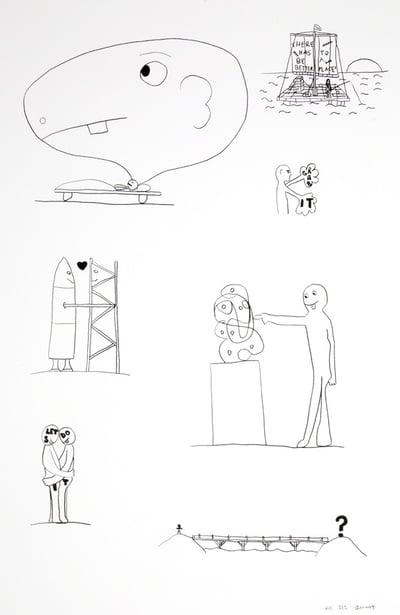
Olaf Breuning
Random thoughts about life 3, 2018
Limited Edition Print
Lithograph
EUR 800
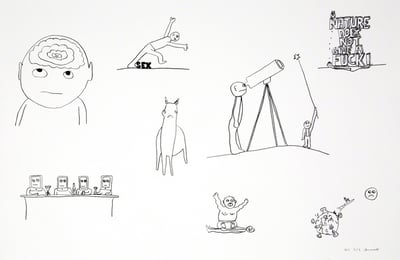
Olaf Breuning
Random thoughts about life 2, 2018
Limited Edition Print
Lithograph
EUR 800
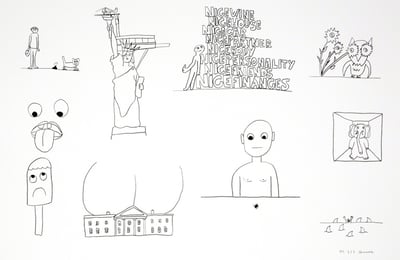
Olaf Breuning
Random thoughts about life 1, 2018
Limited Edition Print
Lithograph
EUR 800
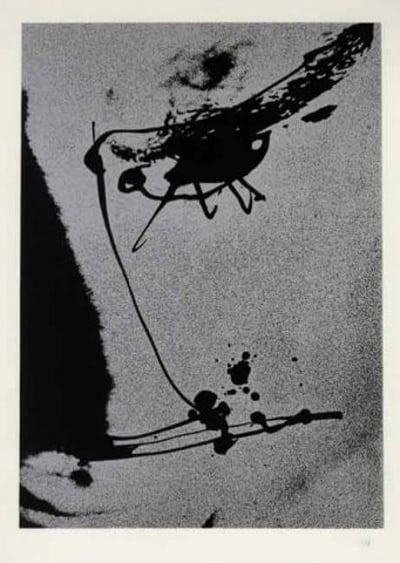
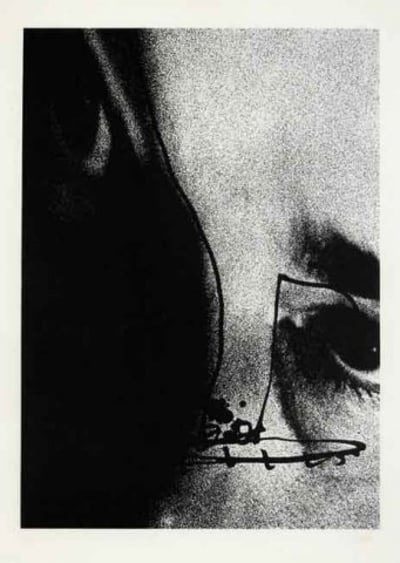
Antonio Saura
Moi, Planche 10, 1976
Limited Edition Print
Serigraph
EUR 1,880
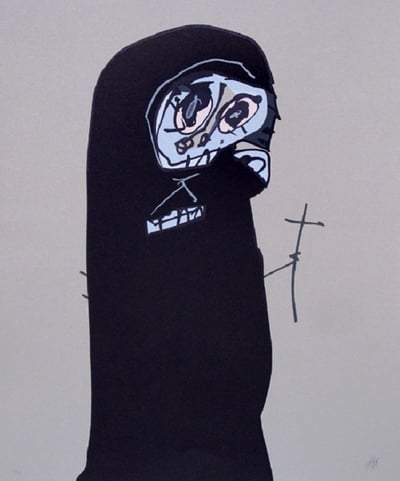
Antonio Saura
Moi, Planche 13, 1976
Limited Edition Print
Serigraph
EUR 1,880
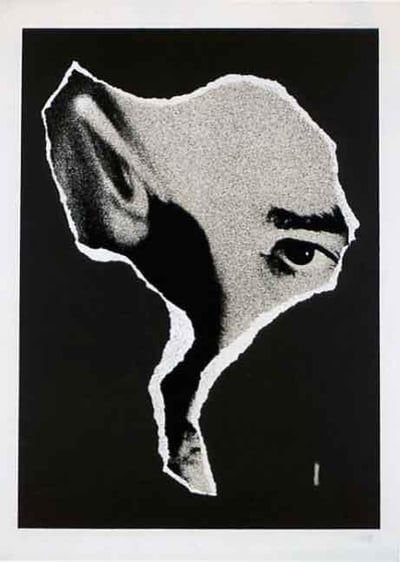
Antonio Saura
Doña Jerónima De La Fuente (Velázquez), 1991
Limited Edition Print
Lithograph
EUR 1,880
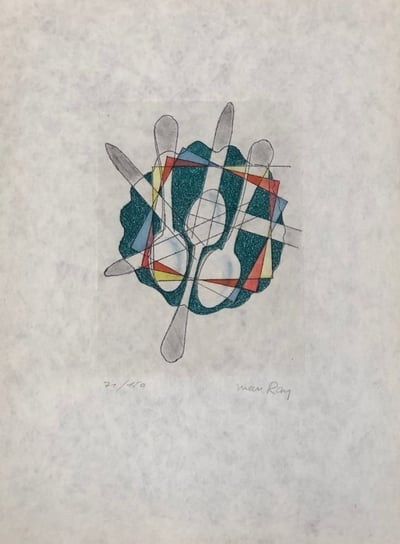
Antonio Saura
Moi, Planche 1, 1976
Limited Edition Print
Serigraph
EUR 1,880
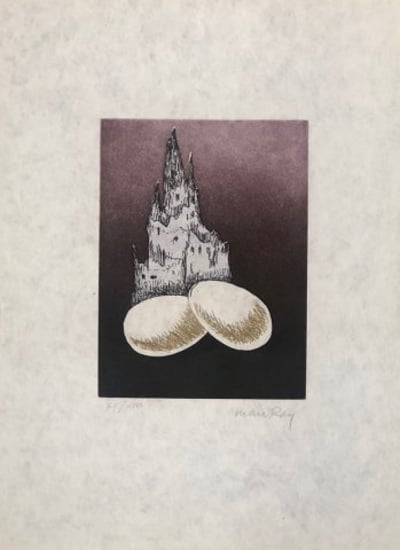
Man Ray
Seria Electro Magie II, 1969
Limited Edition Print
Etching and Aquatint
EUR 1,350
Man Ray
Seria Electro Magie I, 1969
Limited Edition Print
Etching and Aquatint
EUR 1,350
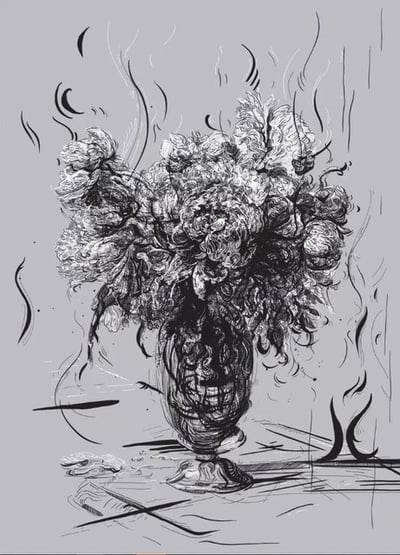
Glenn Brown
There is no place for us (from Joy Divisions de luxe), 2017
Limited Edition Print
Screen-print
GBP 3,300
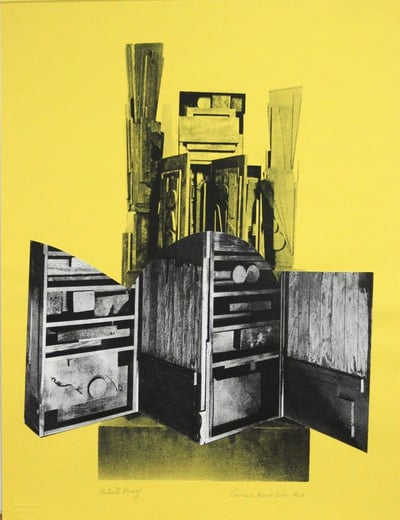
Louise Nevelson
Lullaby for Jumbo, 1966
Limited Edition Print
Serigraph
Currently Not Available
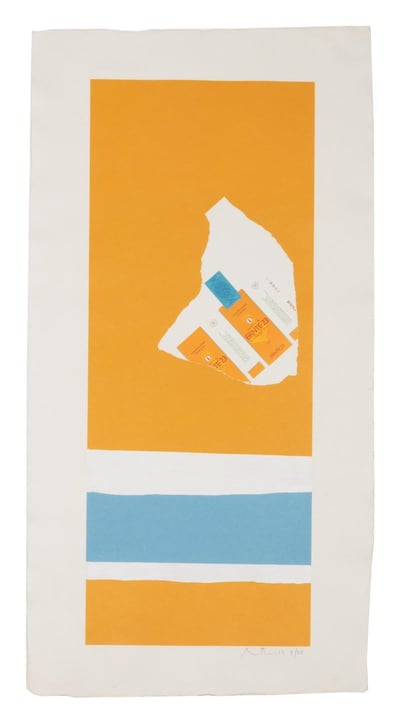
Robert Motherwell
Harvest with two white stripes, 1973
Limited Edition Print
Lithograph
Inquire For Price
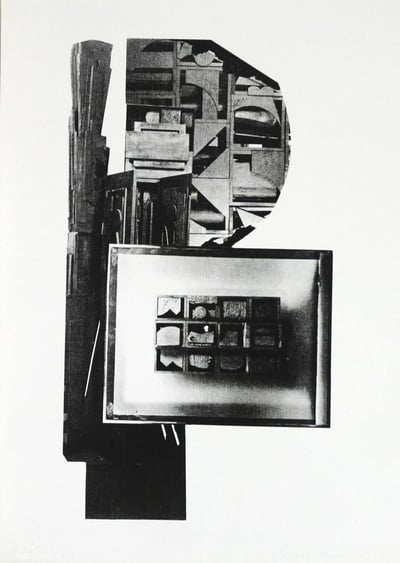
Louise Nevelson
Nursery rhyme, 1966
Limited Edition Print
Serigraph
Inquire For Price
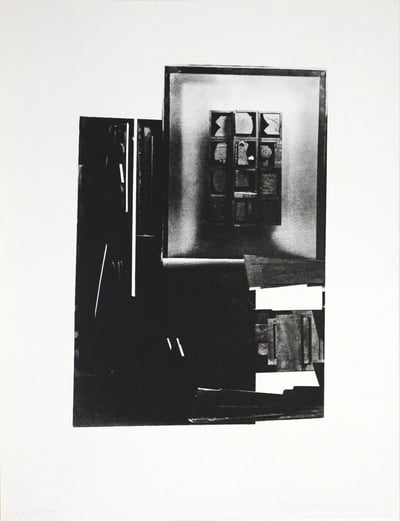
Louise Nevelson
Dark song, 1966
Limited Edition Print
Serigraph
Currently Not Available
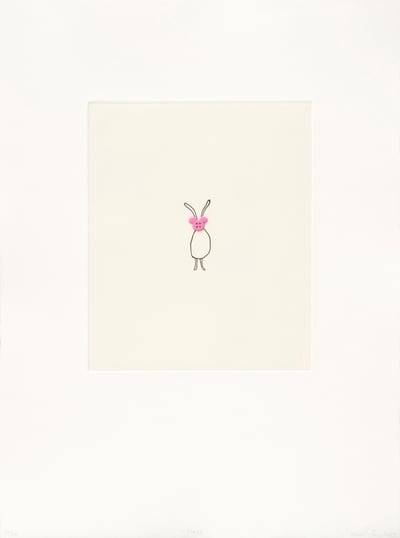
Liliana Porter
Mask, 2019
Limited Edition Print
Etching
EUR 1,800
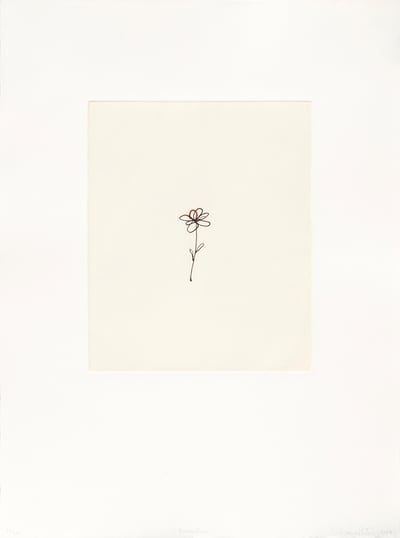
Liliana Porter
Correction, 2019
Limited Edition Print
Etching
EUR 1,800
Related Articles

Concrete Art is an art movement founded by the Dutch artist Theo van Doesburg in the 1930s. The movement emphasizes pure abstraction, focusing on geometric shapes and colors without any reference to the natural world or symbolic meaning. Unlike other forms of abstract art, Concrete Art is entirely non-representational and is based on mathematical principles and precise execution. It aims to create universal, timeless works by using simple, clear forms that emphasize objectivity and clarity.

A silver gelatin print is a type of photographic print made using the silver process. In this process, photographic materials such as black and white films and printing papers are coated with a light-sensitive emulsion of silver salts suspended in gelatin. This emulsion is applied to a support, which could be flexible plastic, glass, resin-coated paper, or baryta paper. The materials are light-sensitive and remain stable under normal storage conditions, making them ideal for long-term preservation.

Readymade is the term coined by French artist Marcel Duchamp to describe artworks created from manufactured objects. Duchamp selected ordinary, functional items that he felt had visual indifference, turning them into art simply by choosing and presenting them in a new context. This concept challenged traditional notions of art and continues to influence artists who adopt similar approaches today.
Can't find your Answer?
Thank you! Your question has been sent — we'll get back to you shortly.
