
What is Surrealism?
- Show All
- Established
- Discoveries
- Show All
Artworks Related to Surrealism

Ellsworth Kelly
Black Variation I, 1973-75
Limited Edition Print
Lithograph
USD 22,000 - 27,000

Joan Miró
Le Lézard aux plumes d'or (book), 1971
Limited Edition Print
Lithograph
EUR 28,000 - 35,000
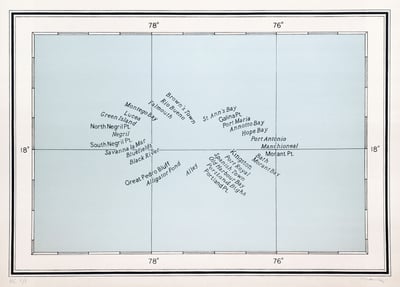
Jorge Macchi
Agua de Jamaica, 2023
Limited Edition Print
Lithograph
EUR 1,200
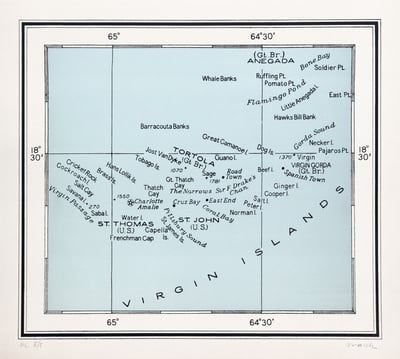
Jorge Macchi
Islas vírgenes, 2023
Limited Edition Print
Lithograph
EUR 1,200
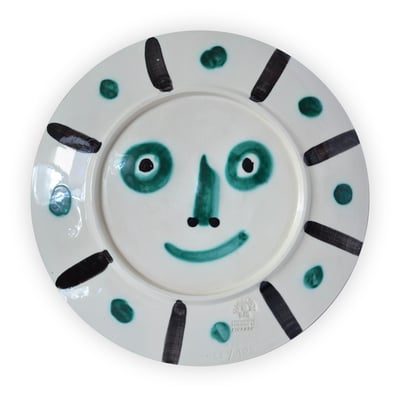
Pablo Picasso
Face with palm-leaves #366, 1956
Ceramics
Plate
USD 17,900
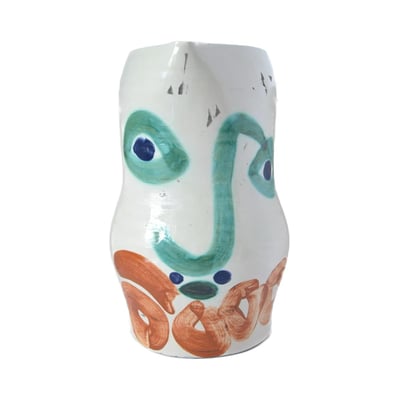
Pablo Picasso
Face With Circles R140, 1969
Ceramics
Ceramic
USD 15,500
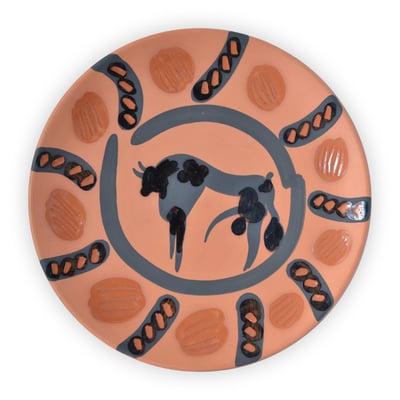
Pablo Picasso
Bull #392 R529, 1957
Ceramics
Plate
USD 15,900
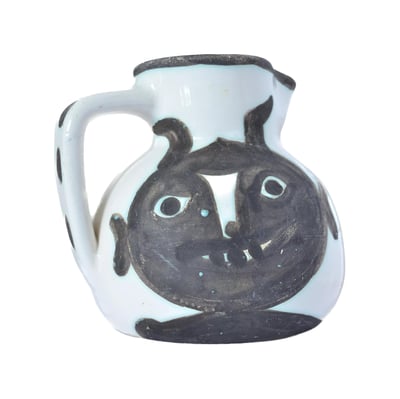
Pablo Picasso
Heads #367 (Ceramic Pitcher), 1956
Ceramics
Ceramic
USD 6,400
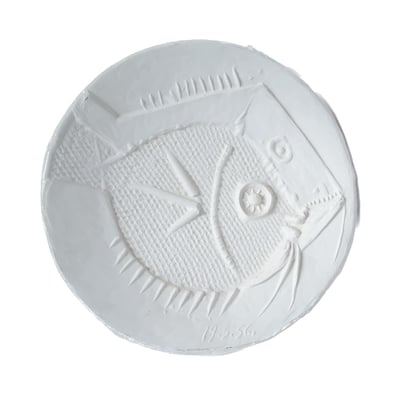
Pablo Picasso
Big Fish #332 B95, 1956
Ceramics
Plate
USD 17,800
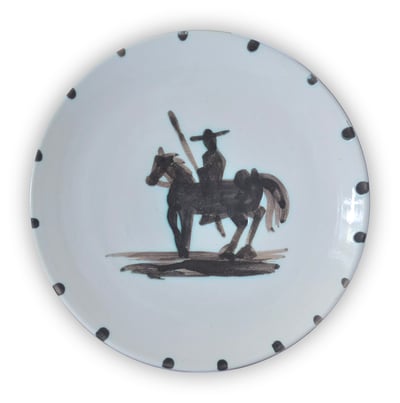
Pablo Picasso
Picador, 1952
Ceramics
Plate
USD 6,700
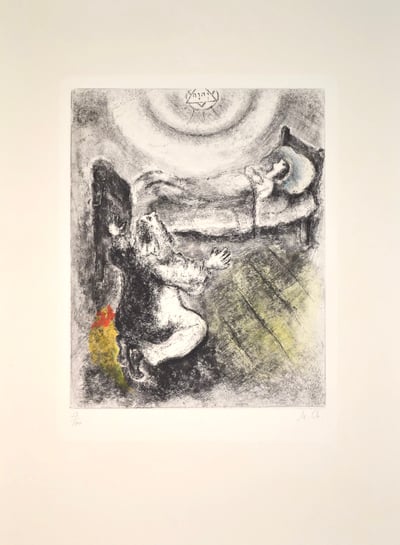
Marc Chagall
The infant being revived by Elijah - MCH84, 1958
Limited Edition Print
Etching
USD 8,600
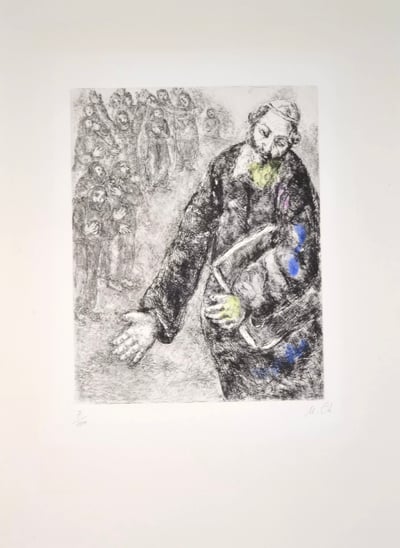
Marc Chagall
Joshua reading The Word Of The Law - MCH47, 1958
Limited Edition Print
Etching
USD 8,600
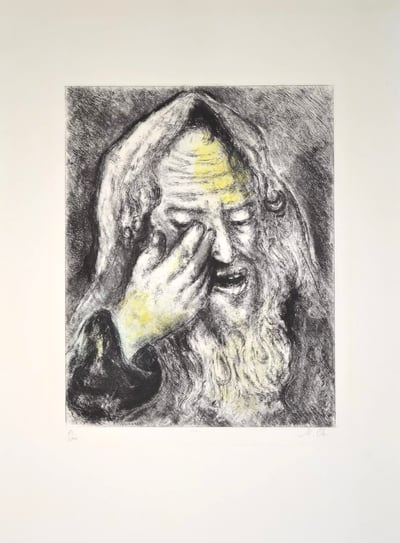
Marc Chagall
The suffering of Jeremiah - MCH103, 1958
Limited Edition Print
Etching
USD 8,600
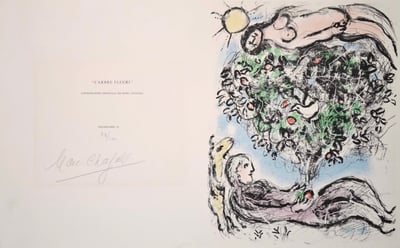
Marc Chagall
L’Abre Fleuri - M915, 1977
Limited Edition Print
Lithograph
USD 11,900
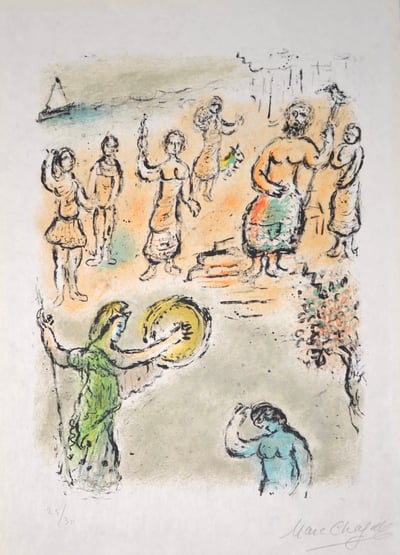
Marc Chagall
Odyssey - M754, 1974
Limited Edition Print
Lithograph
USD 14,250
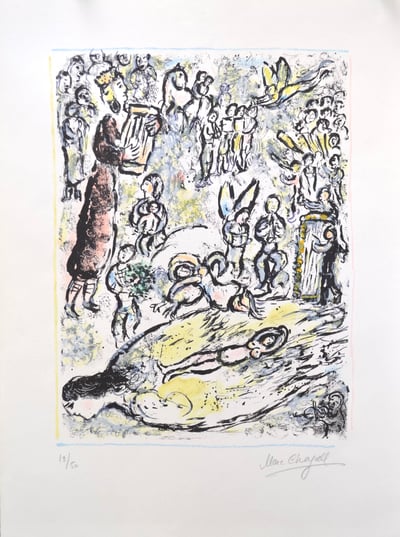
Marc Chagall
Enchanted Flute - M665, 1972
Limited Edition Print
Lithograph
USD 14,500
Related Articles
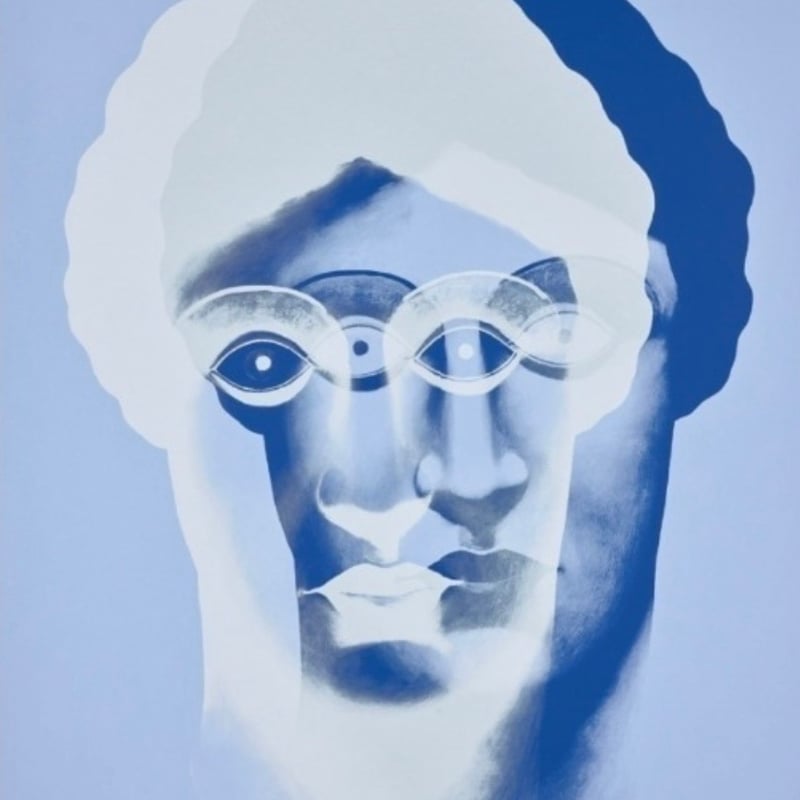
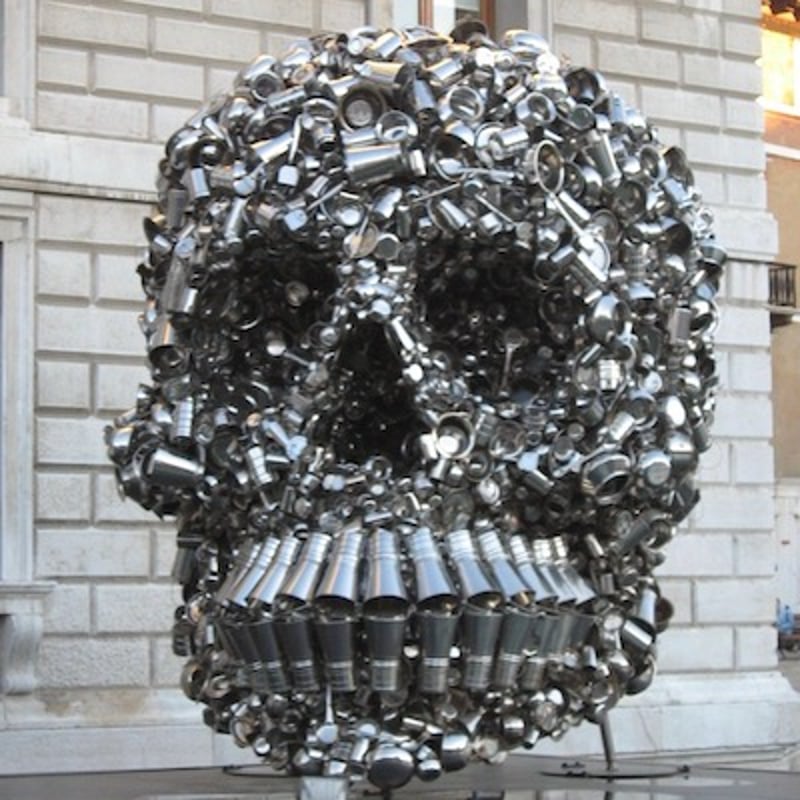
Junk art is a form of art that demonstrates how any material or object can be used to create a wide range of paintings, sculptures, installations, and assemblages. Many Junk Art pieces are made using ordinary materials found in everyday life. By applying artistic knowledge and skills, artists can transform these common objects into remarkable works of art.
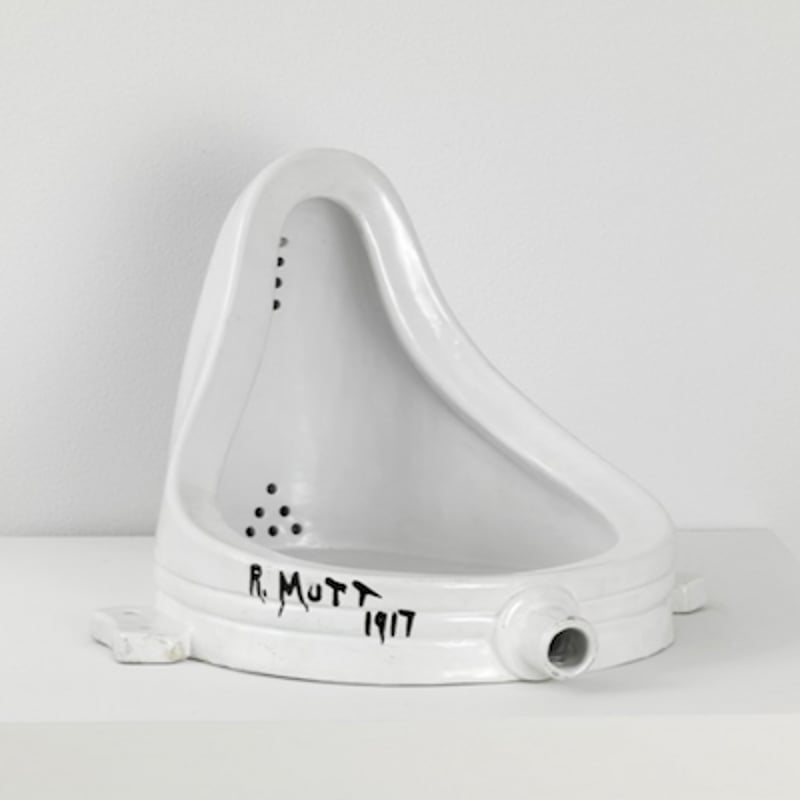
Anti-Art refers to artwork that challenges traditional definitions of art. The term is often attributed to artist Marcel Duchamp, who pioneered the use of readymades—everyday objects presented as art. These works defied conventional expectations that art should adhere to traditional or high art standards.

A Chinese term that describes performance art. This concept is relatively new and may be challenging to articulate unless people understand the intentions behind it. It is a flexible concept that emphasizes everyday, common, and community-focused elements. The art form is heightened, refined, and reflective of how people behave, move, and live.
Can't find your Answer?
Thank you! Your question has been sent — we'll get back to you shortly.
