
What is Surrealism?
- Show All
- Established
- Discoveries
- Show All
Artworks Related to Surrealism
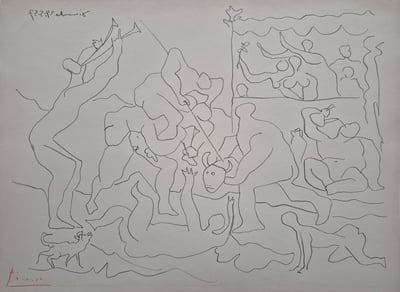
Pablo Picasso
Jeu de corrida, 1957
Limited Edition Print
Etching
EUR 6,000
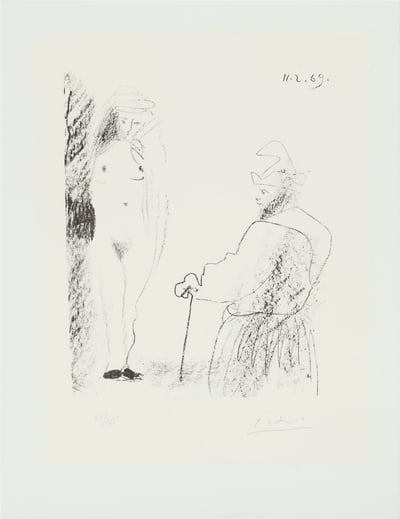
Pablo Picasso
Femme Nue et Homme à la Canne, 1969
Limited Edition Print
Lithograph
USD 4,950
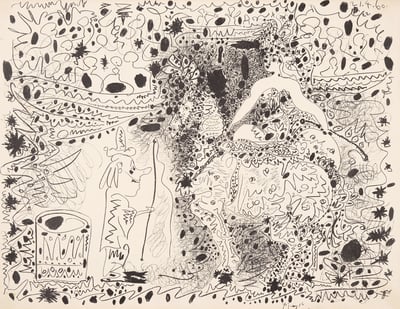
Pablo Picasso
L'Ecuyère, 1960
Limited Edition Print
Lithograph
USD 2,500
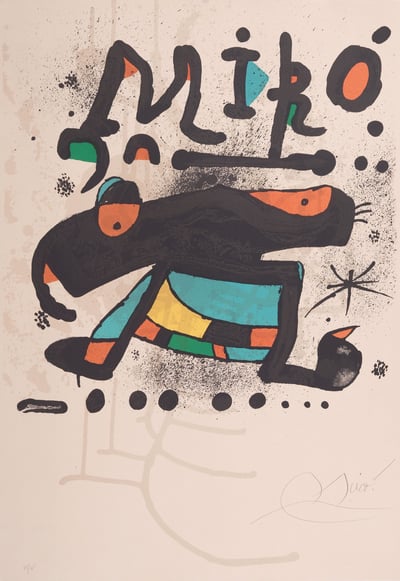
Joan Miró
Poster for the exhibition '100 sculptures', 1978
Limited Edition Print
Lithograph
USD 4,950
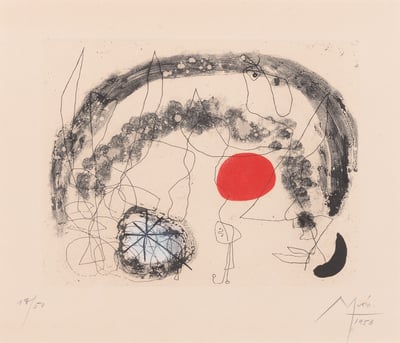
Joan Miró
One plate, from Série III, 1952-53
Limited Edition Print
Etching and Aquatint
USD 4,690
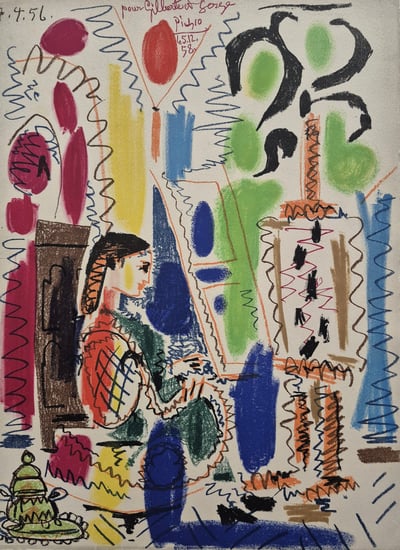
Pablo Picasso
L'Atelier Cannes, 1956/58
Limited Edition Print
Lithograph
EUR 6,000
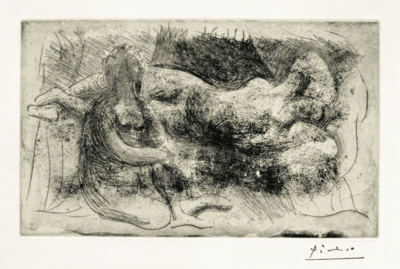
Pablo Picasso
Femme Veillant une Dormeuse, 1932
Limited Edition Print
Etching
USD 7,500
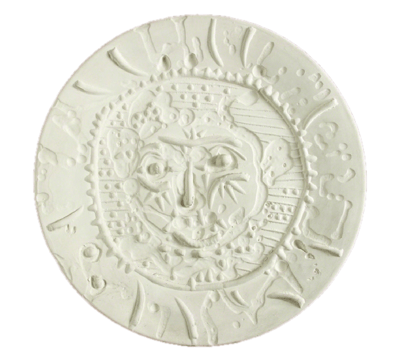
Pablo Picasso
Visage de Faune Tourmente, 1956
Ceramics
Plate
USD 18,000
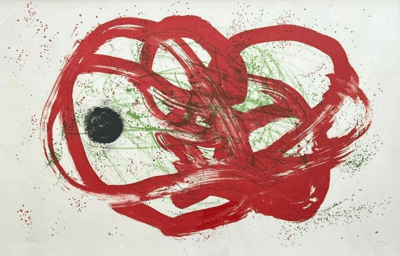
Joan Miró
Series I, vert sur rouge, 1961
Limited Edition Print
Lithograph
USD 12,000
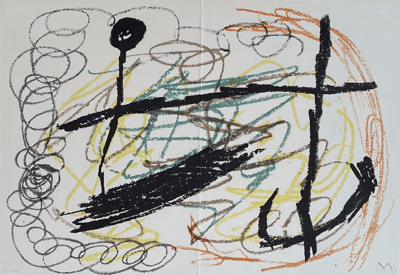
Joan Miró
Obra Inedita Recent (plate IX), 1964
Limited Edition Print
Lithograph
USD 6,000
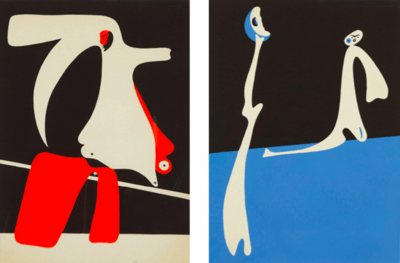
Joan Miró
Cahiers d'Art (Dupin 14-15), 1934
Limited Edition Print
Mixed Media
USD 10,000
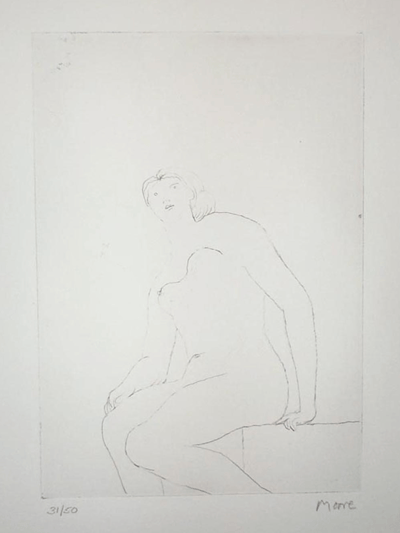
Henry Moore
Seated Nude, 1979
Limited Edition Print
Mixed Media
USD 2,800
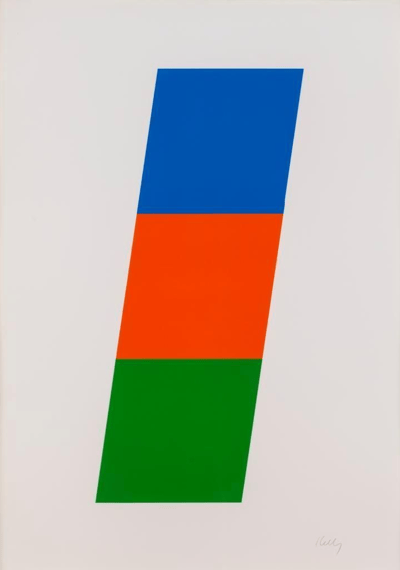
Ellsworth Kelly
Blue, Red-Orange, Green, 1970-1971
Limited Edition Print
Lithograph
USD 23,000
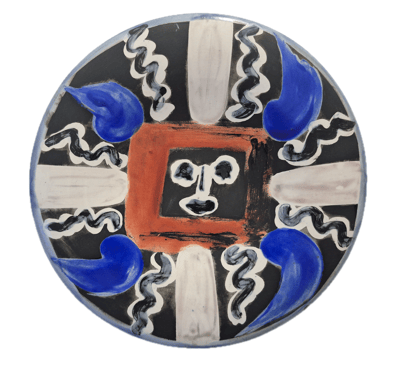
Pablo Picasso
Visage No. 54, 1963
Ceramics
Plate
EUR 9,800
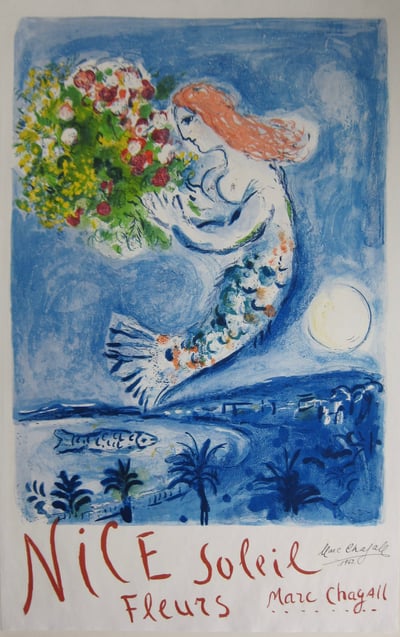
Marc Chagall
The Bay of Angels (La Baie des Anges), 1962
Limited Edition Print
Lithograph
EUR 6,200
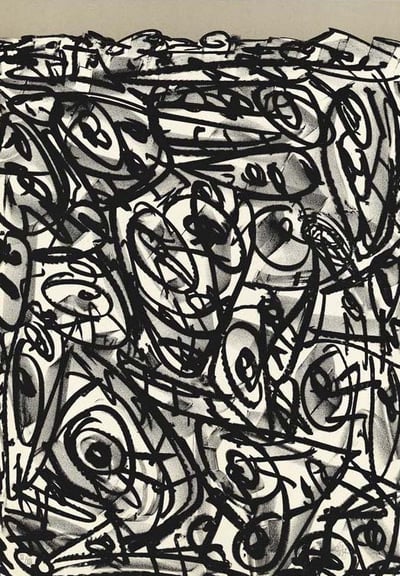
Antonio Saura
Toda persona tiene derecho a la libertad de reunion y de asociacion pacificas, 1984
Limited Edition Print
Lithograph
EUR 1,250
Related Articles
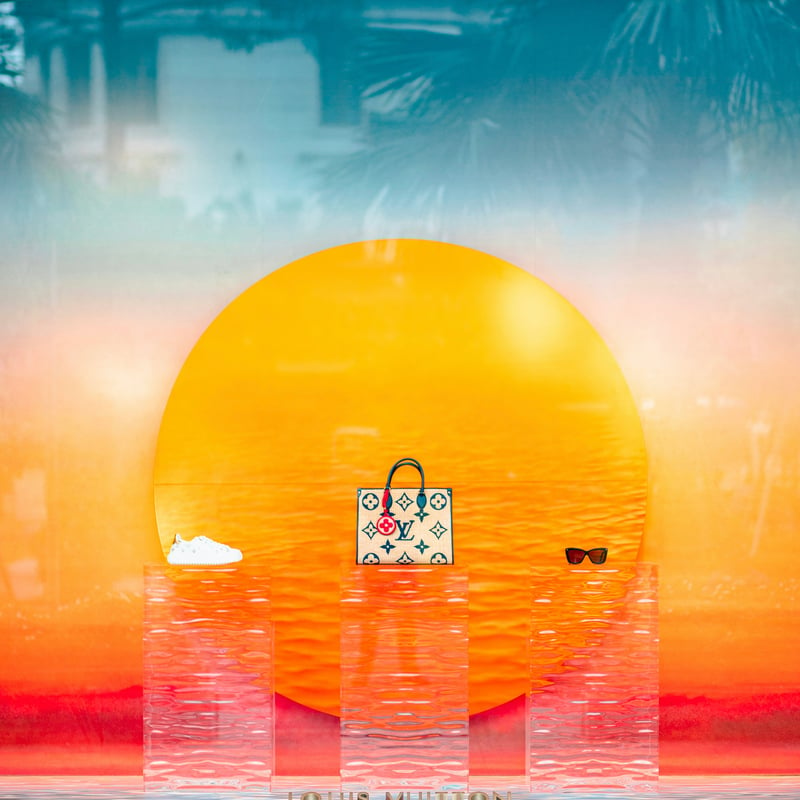
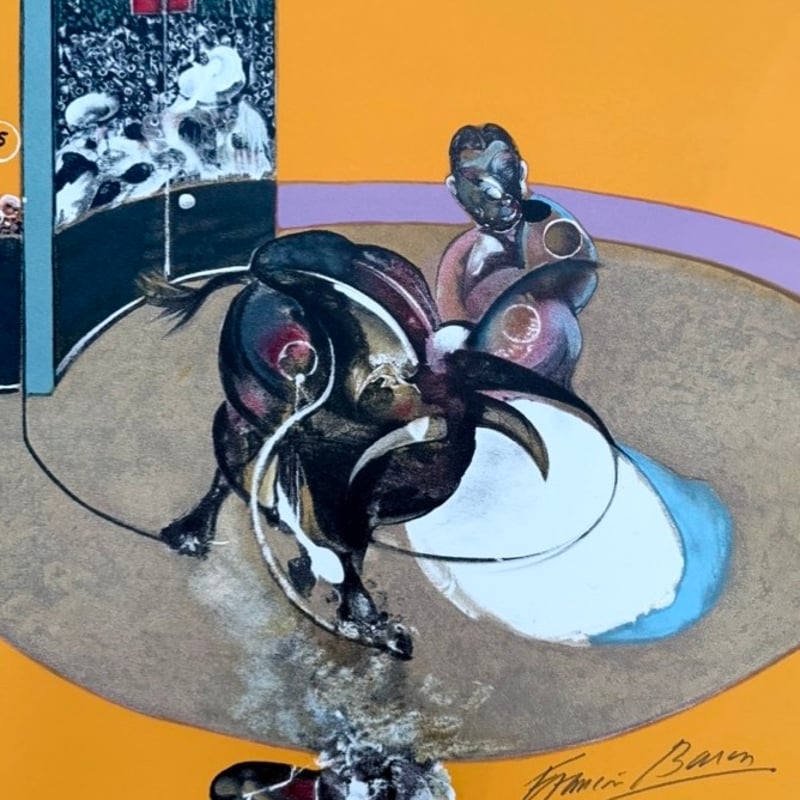
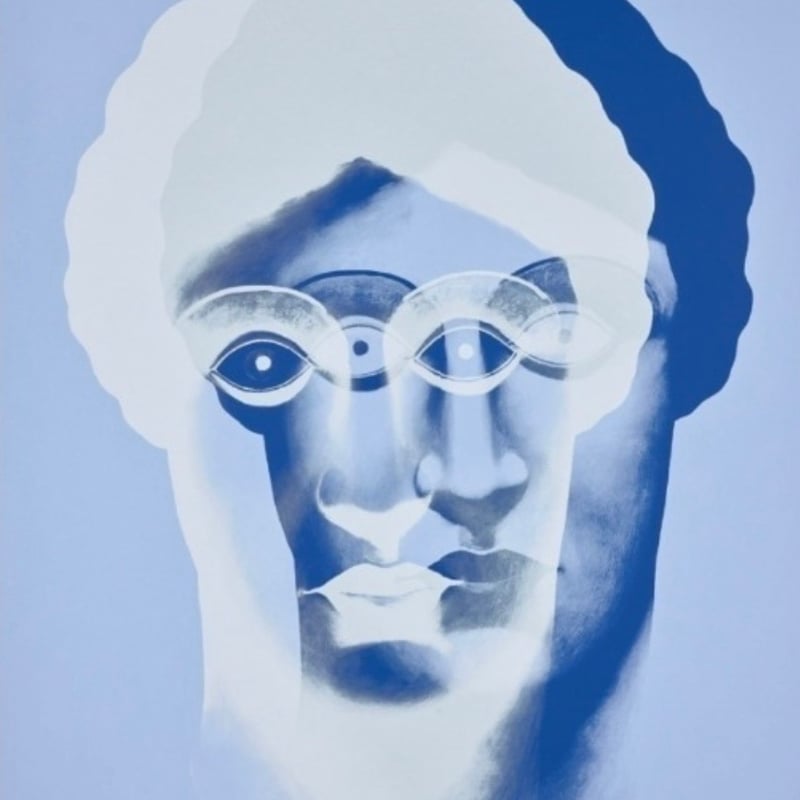

An object in art refers to any tangible thing that exists and can be depicted in a work of art. Sometimes, the object becomes the focal point of a painting, drawing, or sculpture, meaning it is the most important element in the composition. An object can be anything that can be seen or touched, and it is often used to convey meaning or emphasize certain aspects of the artwork.

A pigment is a material that changes the color of light by selectively absorbing certain wavelengths and reflecting others. Unlike phosphorescence or fluorescence, where materials emit light, pigments work by altering the light that passes through or is reflected from them. In art, pigments are chosen for their special properties, such as high tinting strength, making them ideal for coloring various materials.

Pixel Art is a form of digital art created by placing individual pixels, similar to assembling a mosaic where each small piece contributes to a larger image. The style is often associated with nostalgia, as it draws on the techniques used in early video game graphics. Pixel art has seen a resurgence in popularity, both as a nod to retro aesthetics and as a distinct artistic style in modern digital art.
Can't find your Answer?
Thank you! Your question has been sent — we'll get back to you shortly.
