
What is Surrealism?
- Show All
- Established
- Discoveries
- Show All
Artworks Related to Surrealism
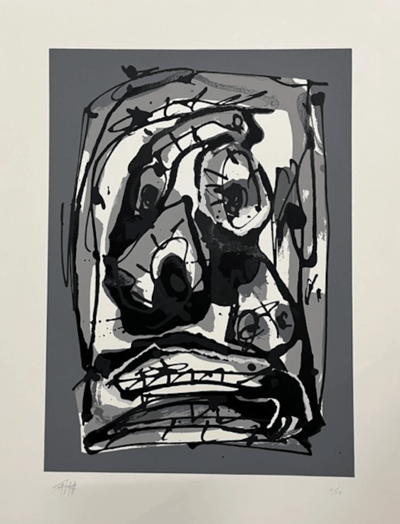
Antonio Saura
Emblemas 3, 1979
Limited Edition Print
Serigraph
EUR 1,350
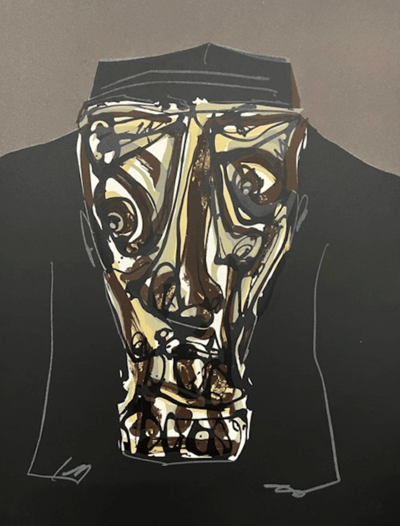
Antonio Saura
Obispo, 1983
Limited Edition Print
Mixed Media
EUR 1,350
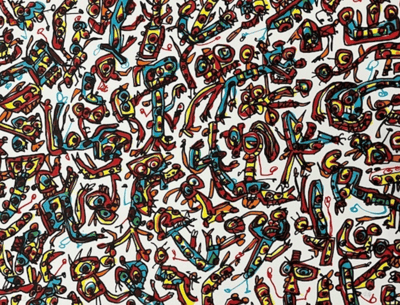
Antonio Saura
Serie Abierta IV, 1989
Limited Edition Print
Lithograph
EUR 1,350
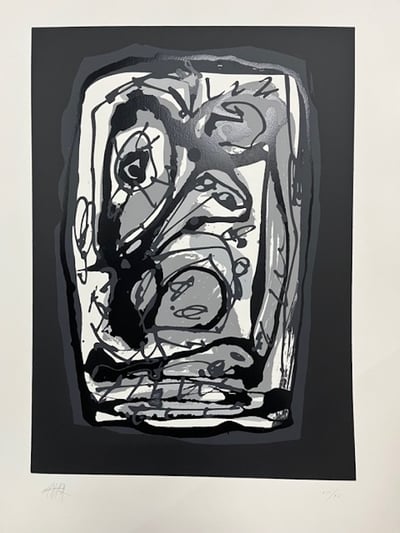
Antonio Saura
Emblemas 5, 1979
Limited Edition Print
Serigraph
EUR 1,350
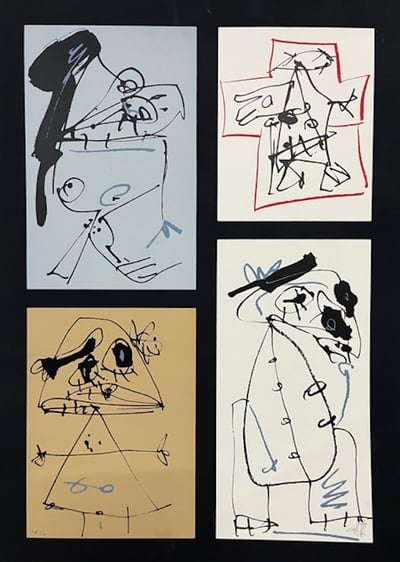
Antonio Saura
Triptico de Amsterdam 2, 1975
Limited Edition Print
Serigraph
EUR 1,350
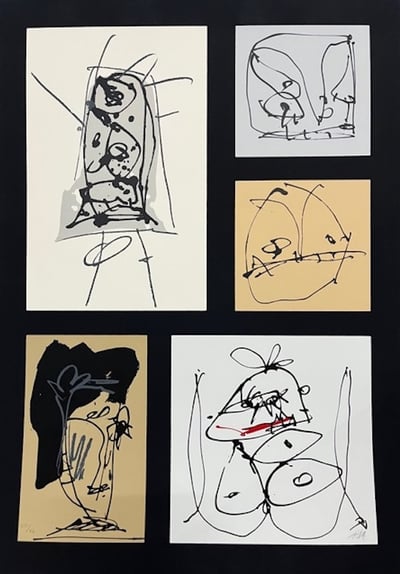
Antonio Saura
Triptico de Amsterdam 3, 1975
Limited Edition Print
Serigraph
EUR 1,350
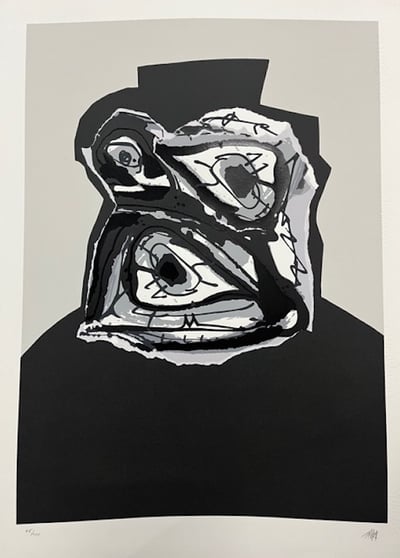
Antonio Saura
Don I, 1984
Limited Edition Print
Serigraph
EUR 1,875
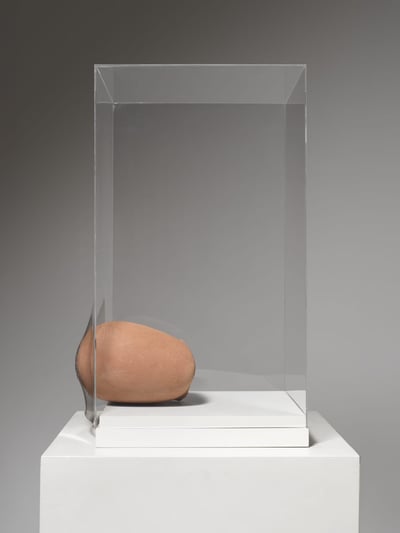
Jordi Alcaraz
Autoretrat somiant, 2026
Sculpture / Object
Mixed Media
EUR 6,500
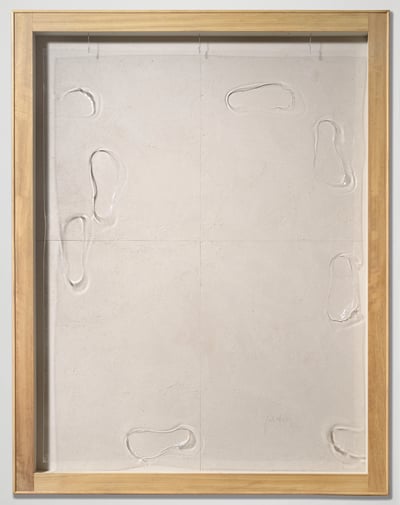
Jordi Alcaraz
Autoretrat caminant, 2026
Sculpture / Object
Mixed Media
EUR 10,000
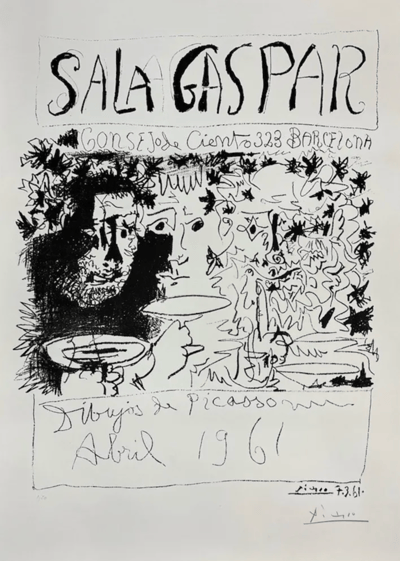
Pablo Picasso
Three drinkers, 1961
Limited Edition Print
Lithograph
EUR 5,000
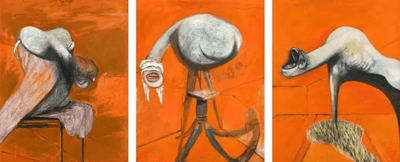
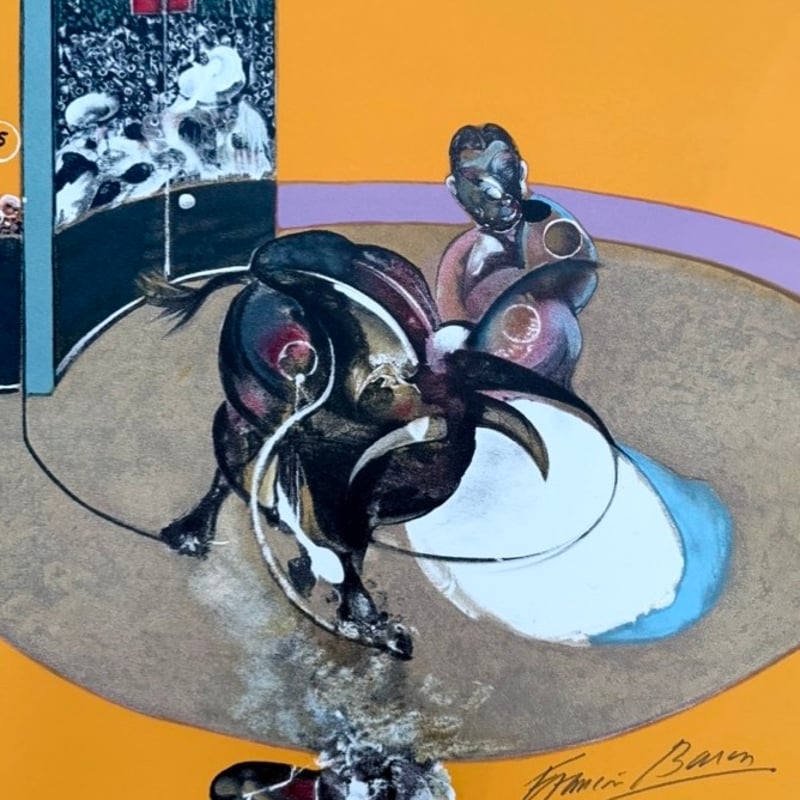
Francis Bacon
Three Studies for Figures at the Base of a Crucifixion, 2005
Limited Edition Print
Giclée printing
GBP 40,000 - 50,000
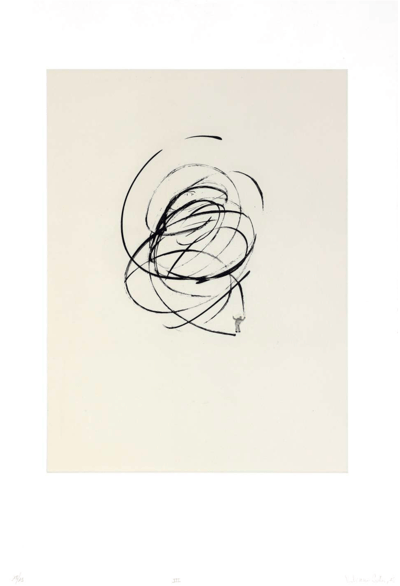
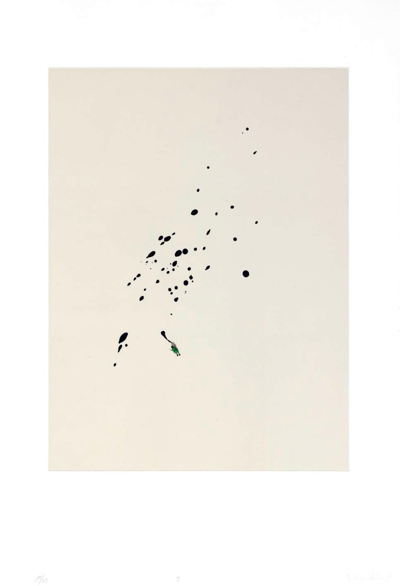
Liliana Porter
Dibujos III, 2025
Limited Edition Print
Collage
EUR 3,000
Liliana Porter
Dibujos I, 2025
Limited Edition Print
Collage
EUR 3,000
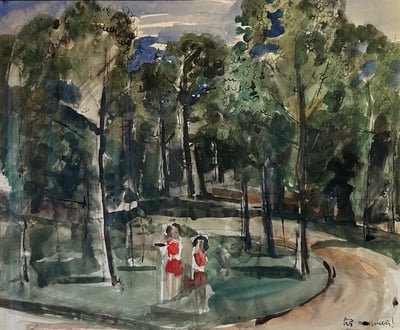
Paul Delvaux
Sans Titre (Paysage à Huy), 1924
Drawing / Watercolor
Watercolor
EUR 8,000
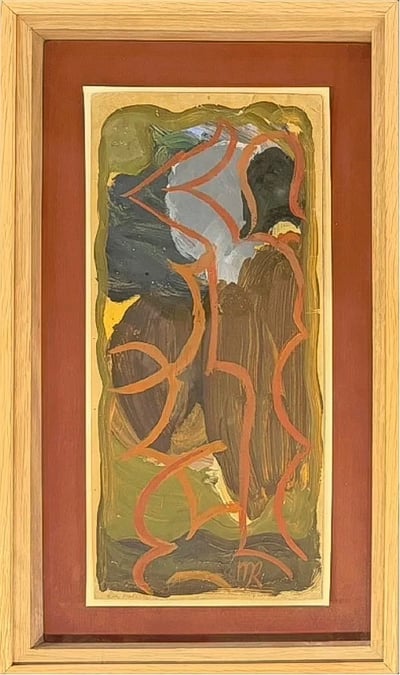
Man Ray
La Palette, 1944
Painting
Oil on paper
Inquire For Price
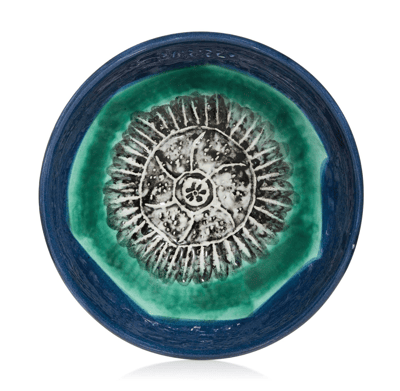
Pablo Picasso
Oursin (A.R. 268), 1955
Sculpture / Object
Plate
USD 7,000 - 9,000
Related Articles
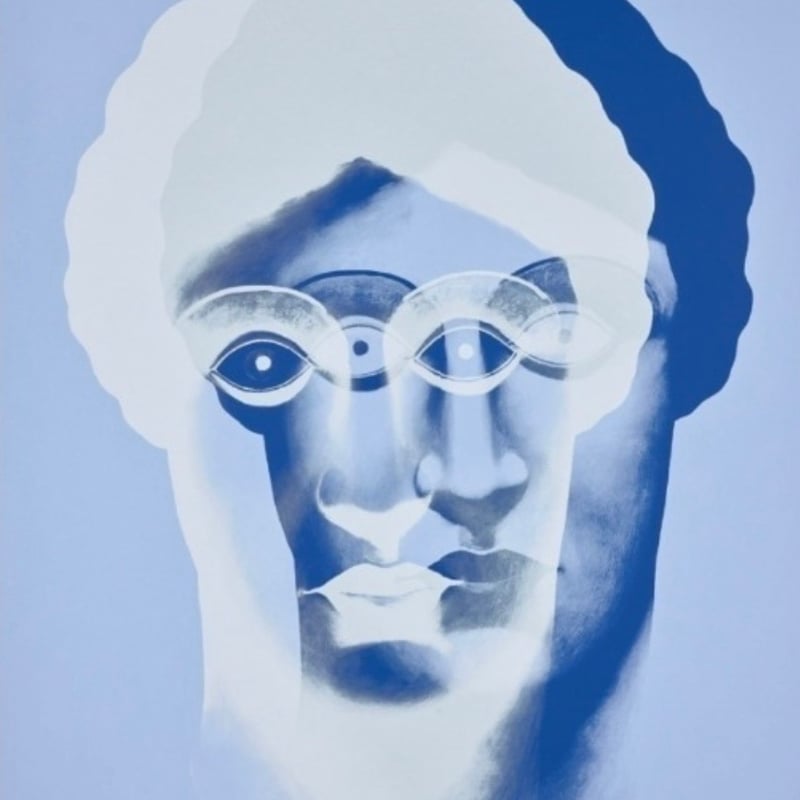

A found object is a term used to describe a man-made or natural object, or a fragment of one, that an artist discovers or purchases and keeps for inspiration or as a work of art. The artist may also modify the object or incorporate it into a collage or assemblage, transforming it into a new piece of art.
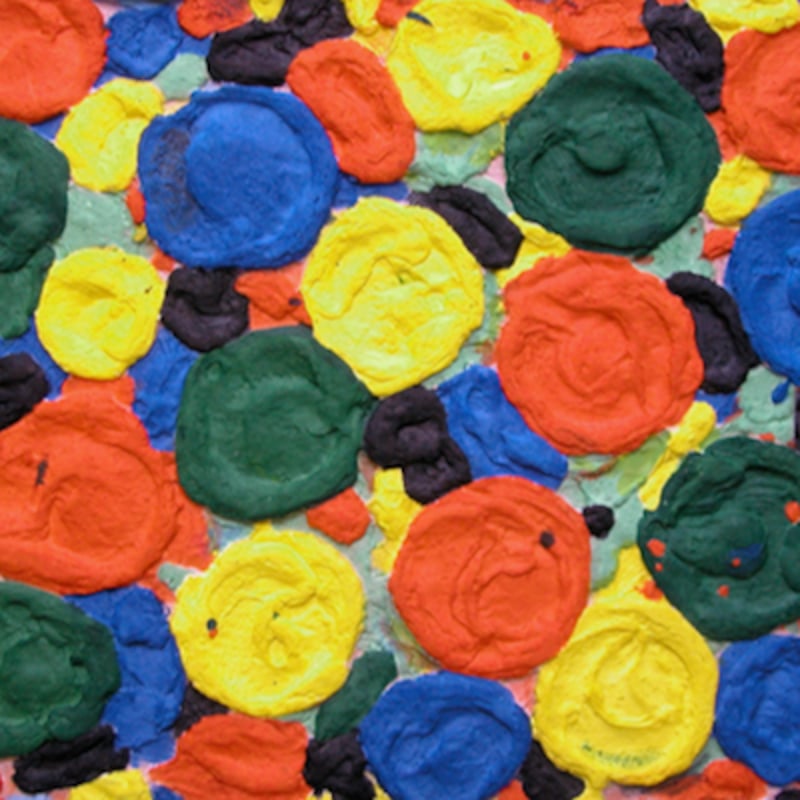
Aquagravure is a technique that combines multiple processes. It involves compressing wet paper pulp in a carved wood mold until the water drains off. The compressed paper is then painted, and ink is added to the mold to print onto the painted paper. The final work is allowed to dry. This method results in a unique textural and visual effect, blending elements of printmaking and papermaking.

New Generation Sculpture was a movement started in the 1960s by a group of British artists. They experimented with unconventional forms, materials, and colors, creating sculptures that did not rely on traditional bases. Their work often featured plastic sheeting, fiberglass, and other industrial materials, which were fastened together and brightly painted.
Can't find your Answer?
Thank you! Your question has been sent — we'll get back to you shortly.
