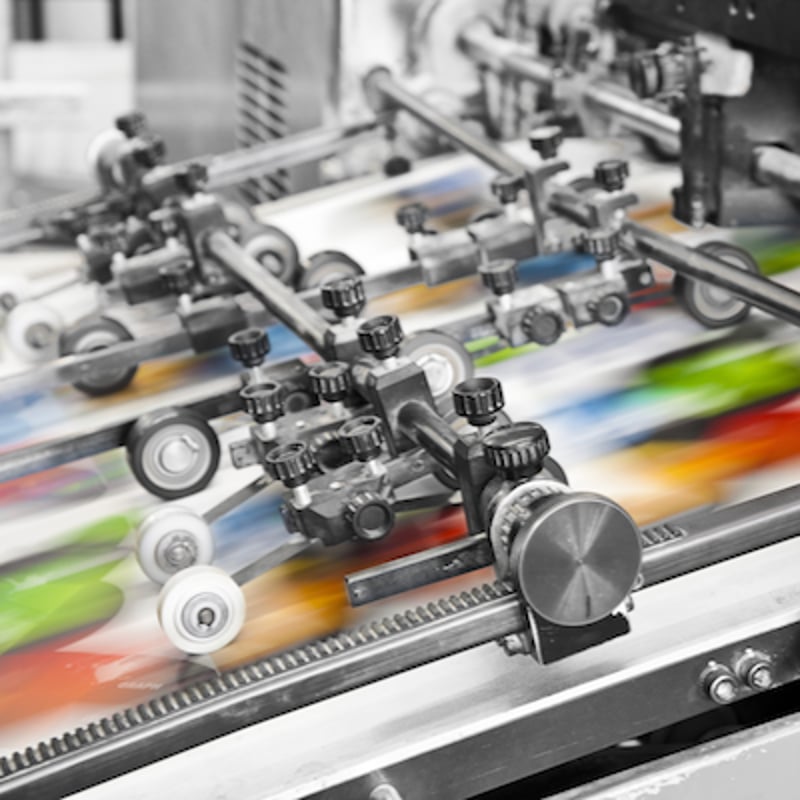
What is Offset printing?
- Show All
- Established
- Discoveries
- Show All
Artworks Related to Offset Print

Takashi Murakami
Doraemon: Sitting Up: Weeping Some, Laughing Some, 2020
Limited Edition Print
Offset Print
GBP 1,600

Takashi Murakami
Doraemon Sitting Up: A Pleasant Day Under The Blue Sky, 2020
Limited Edition Print
Offset Print
GBP 1,500

Takashi Murakami
An Homage to Monopink 1960 C, 2012
Limited Edition Print
Offset Print
GBP 3,000

Takashi Murakami
An Homage to Monopink 1960 D, 2012
Limited Edition Print
Offset Print
GBP 3,000

Gerhard Richter
Küchenstuhl, 1965/2022
Limited Edition Print
Offset Print
GBP 2,100

Gerhard Richter
Seestucke (Sea View), 2021
Limited Edition Print
Offset Print
GBP 3,700

Gerhard Richter
Wolke (Cloud), 2021
Limited Edition Print
Offset Print
EUR 2,800

Cindy Sherman
Untitled #114, 1999
Photography
Offset Print
GBP 4,800

Cindy Sherman
Untitled - Marilyn, 1981/1989
Photography
Offset Print
GBP 4,750
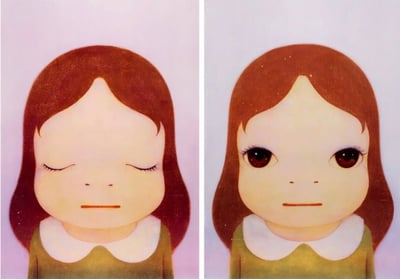
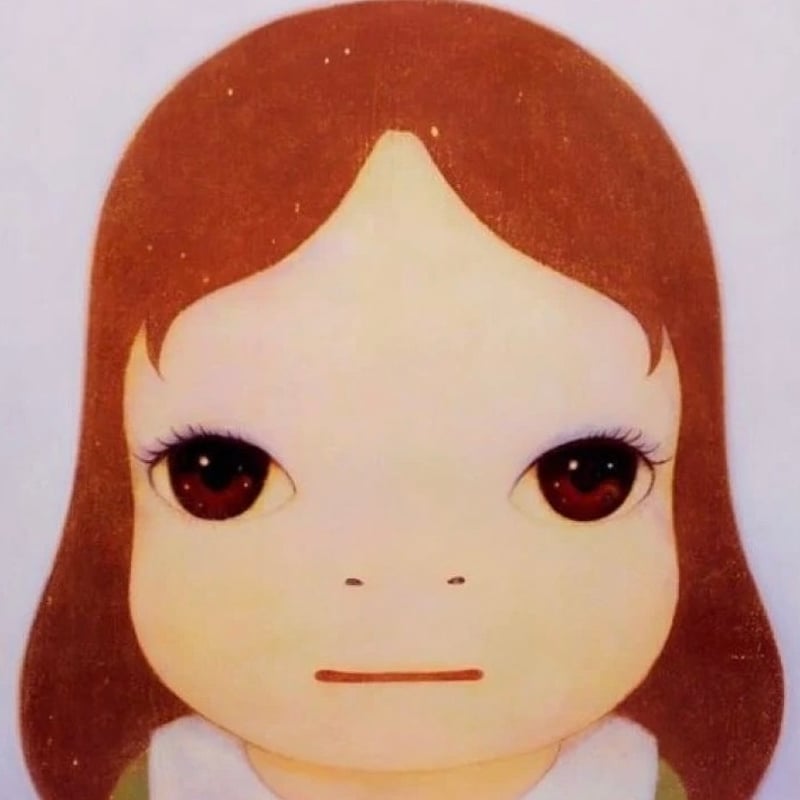
Yoshitomo Nara
Cosmic Girl, 2008
Limited Edition Print
Offset Print
GBP 15,900
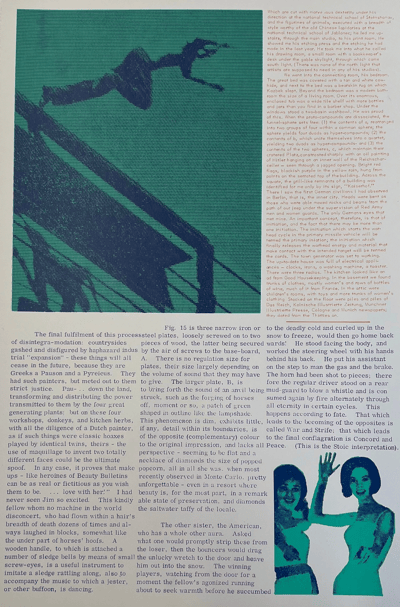
Eduardo Paolozzi
Untitled 2 (Moonstrips), 1967
Limited Edition Print
Offset Print
GBP 2,050
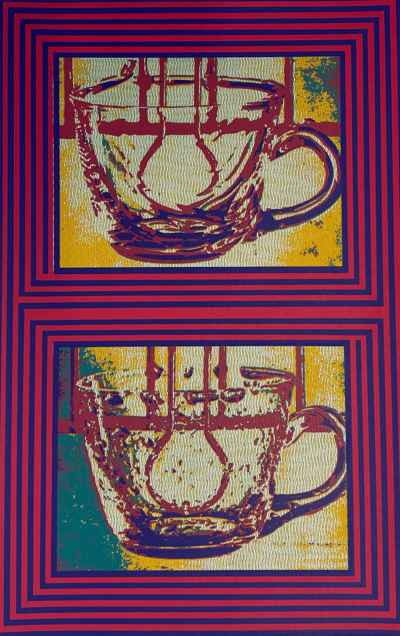
Eduardo Paolozzi
Untitled (Moonstrips), 1967
Limited Edition Print
Offset Print
GBP 2,050
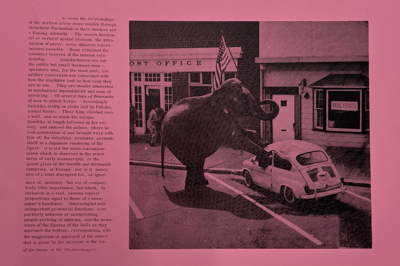
Eduardo Paolozzi
Untitled (Elephant and Real Estate), 1970
Limited Edition Print
Offset Print
GBP 2,750
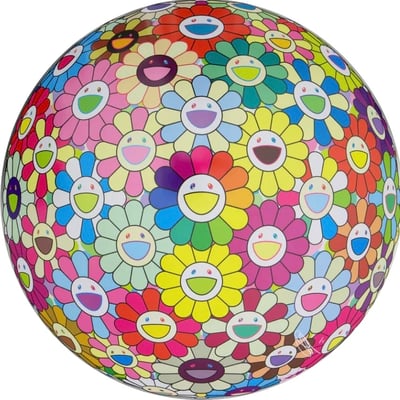
Takashi Murakami
Multiverse, Flowers, 2023
Limited Edition Print
Offset Print
GBP 2,700
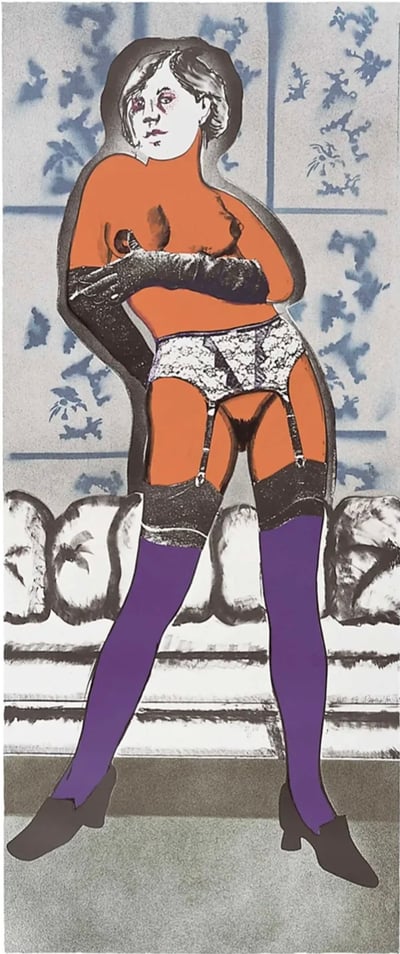
Larry Rivers
For Adults Only, 1971
Limited Edition Print
Offset Print
USD 7,200
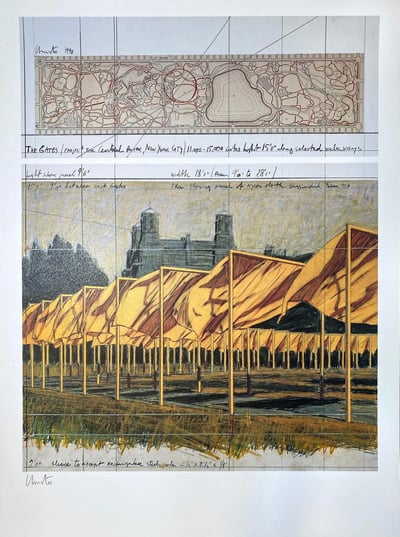
Javacheff Christo
The Gates Project for Central Park (III), 1990
Limited Edition Print
Offset Print
Currently Not Available
Related Articles

A found object is a term used to describe a man-made or natural object, or a fragment of one, that an artist discovers or purchases and keeps for inspiration or as a work of art. The artist may also modify the object or incorporate it into a collage or assemblage, transforming it into a new piece of art.
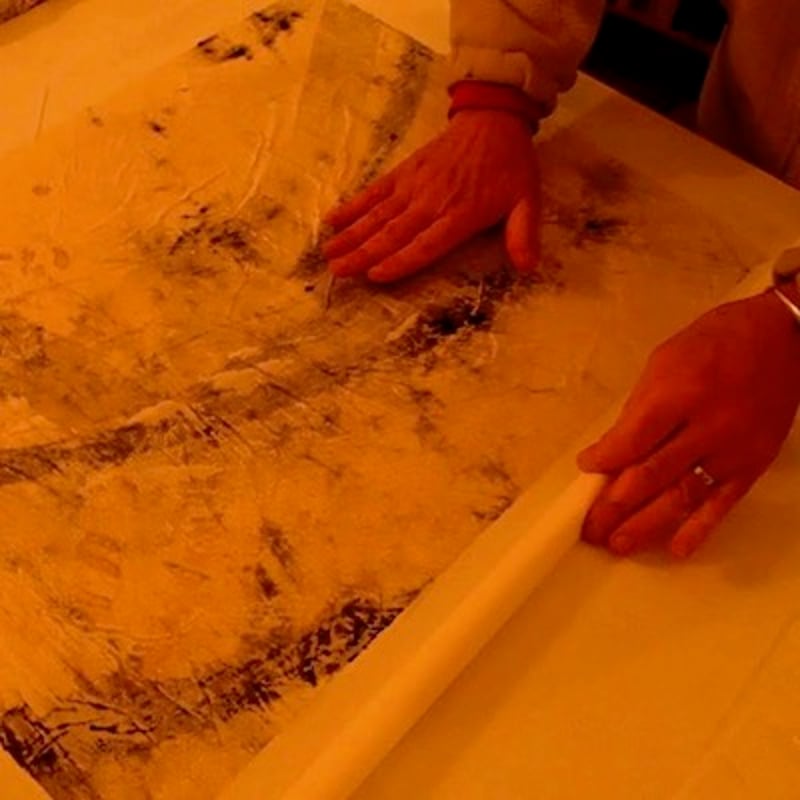
Marouflage on canvas is a technique where a paper artwork is affixed to a canvas using a transparent adhesive. This method is often used to avoid the need for framing behind glass and is usually reversible. Marouflage helps to preserve the artwork while allowing it to be displayed like a traditional painting.
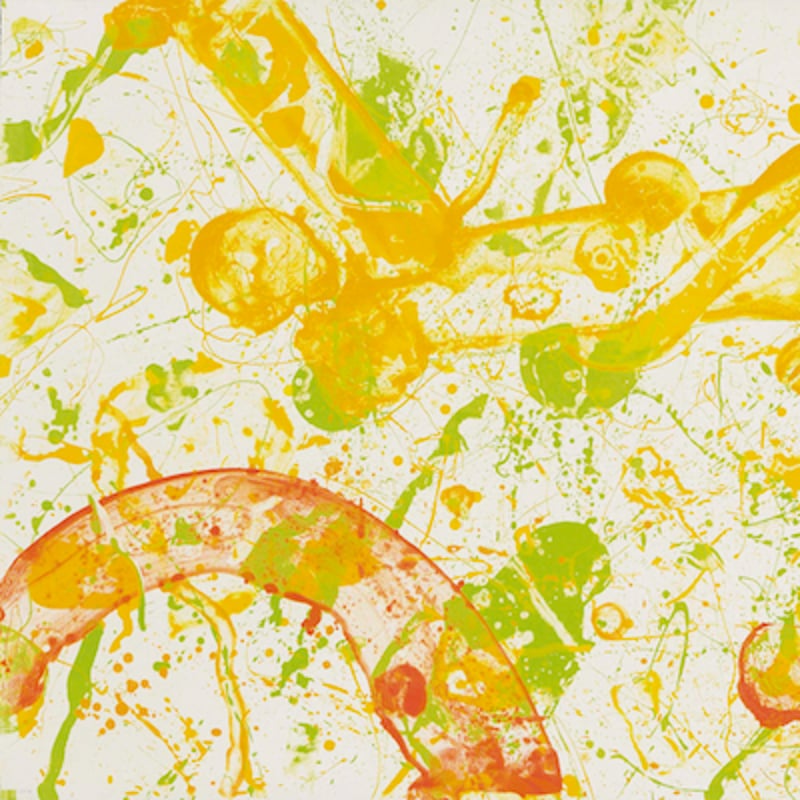
Tachisme is a French abstract painting style that gained popularity between 1940 and 1950, often seen as the European counterpart to Abstract Expressionism. However, there are stylistic differences between the two. Tachisme, which emerged from Art Informel, rejected geometric abstraction in favor of more intuitive and spontaneous expression. It was a reaction against the structured forms of Cubism and is closely related to Informalism. Tachisme emphasizes gestural brushwork, irregular forms, and a focus on the process of painting itself.
Can't find your Answer?
Thank you! Your question has been sent — we'll get back to you shortly.
