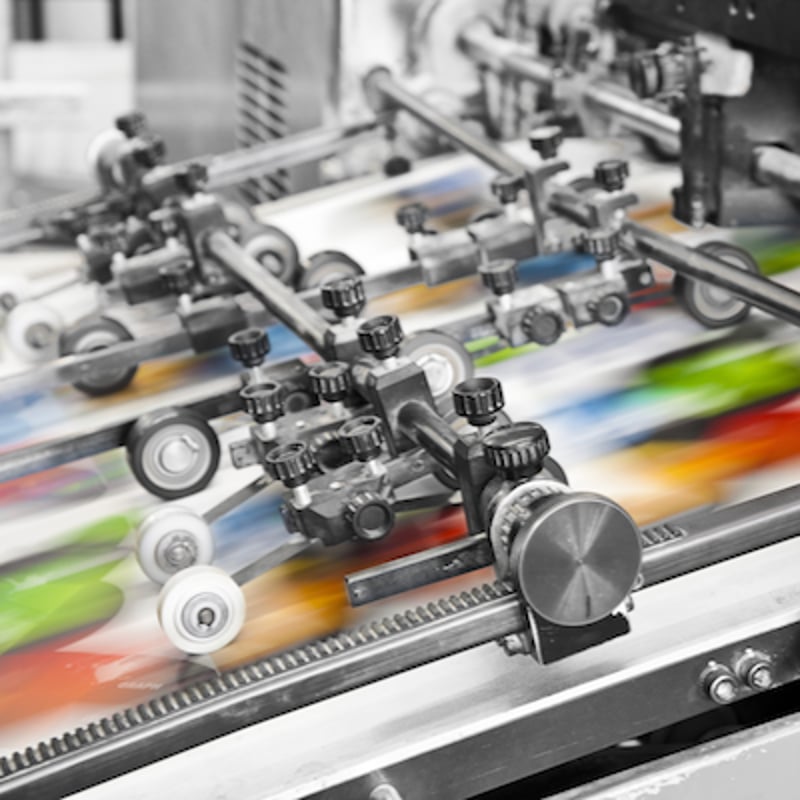
What is Offset printing?
- Show All
- Established
- Discoveries
- Show All
Artworks Related to Offset Print
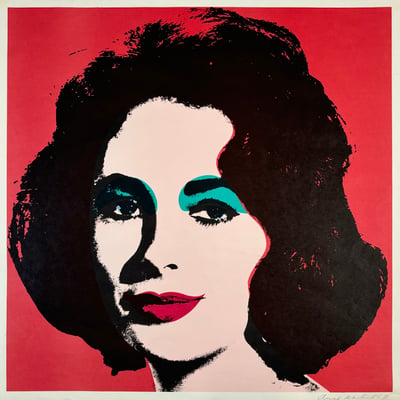
Andy Warhol
Liz, II.7, 1967
Limited Edition Print
Offset Print
Currently Not Available
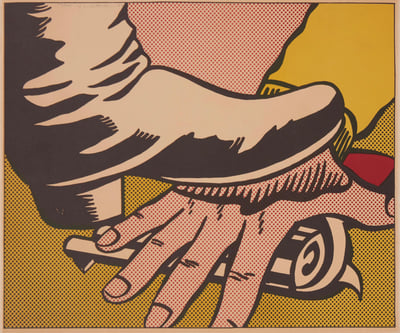
Roy Lichtenstein
Foot and Hand, 1964
Limited Edition Print
Offset Print
Inquire For Price
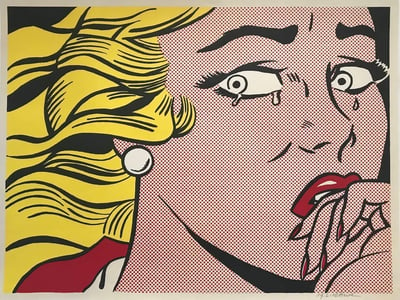
Roy Lichtenstein
Crying Girl, 1963
Limited Edition Print
Offset Print
Currently Not Available
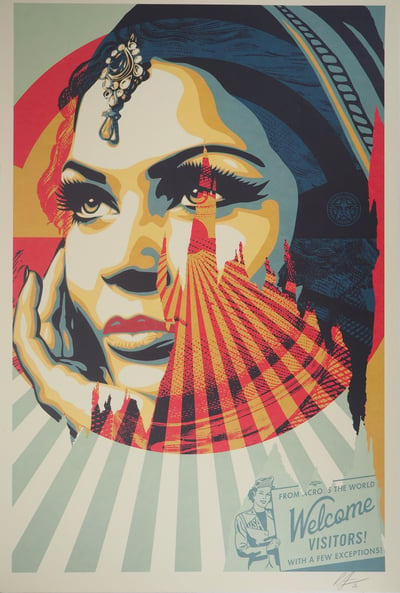
Shepard Fairey
Obey, 1970
Limited Edition Print
Offset Print
EUR 1,000
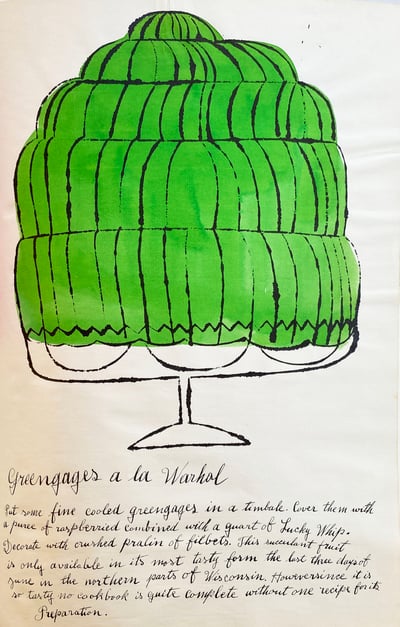
Andy Warhol
Wild Raspberries IV.143A, 1959
Limited Edition Print
Offset Print
Inquire For Price
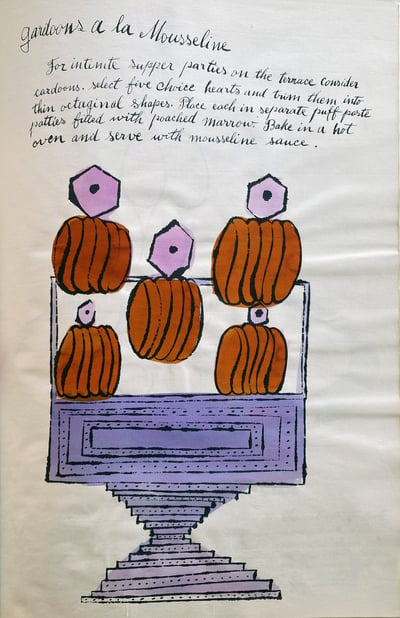
Andy Warhol
Wild Raspberries IV.140A, 1959
Limited Edition Print
Offset Print
USD 8,350
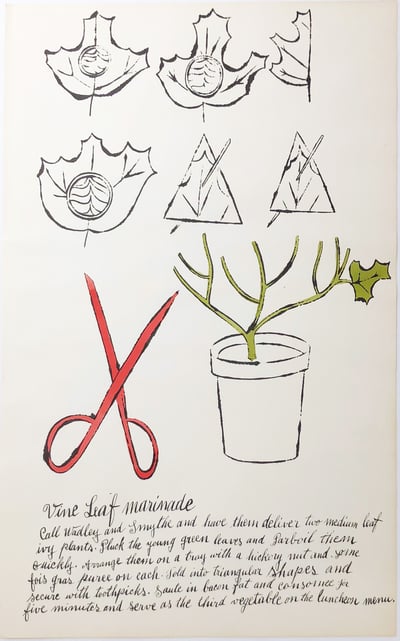
Andy Warhol
Wild Raspberries IV.141A, 1959
Limited Edition Print
Offset Print
USD 4,850

Andy Warhol
Wild Raspberries IV.134A, 1959
Limited Edition Print
Offset Print
USD 50,000 - 60,000
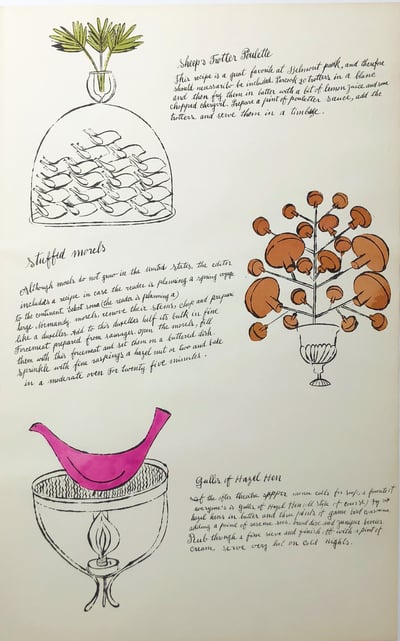
Andy Warhol
Wild Raspberries IV.142A, 1959
Limited Edition Print
Offset Print
USD 8,900
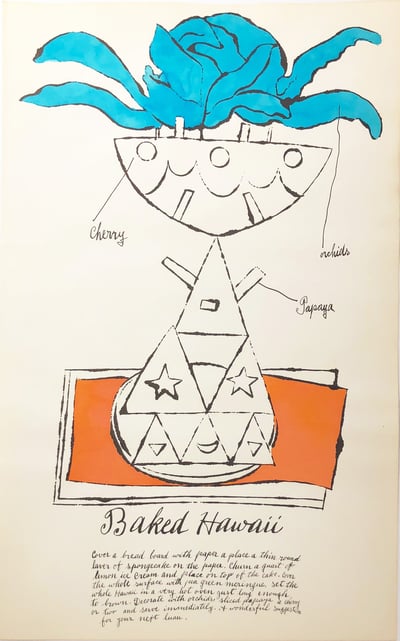
Andy Warhol
Wild Raspberries IV.137A, 1959
Limited Edition Print
Offset Print
USD 8,900
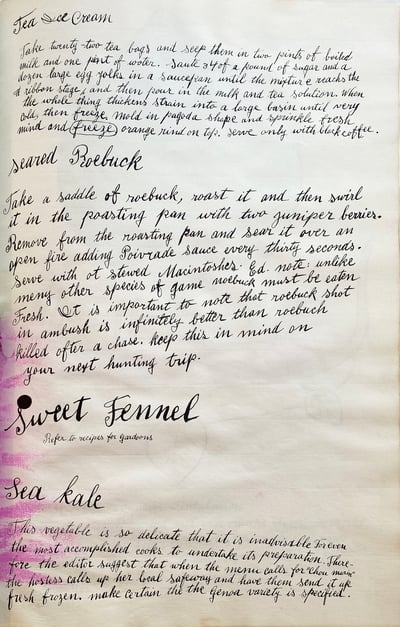
Andy Warhol
Wild Raspberries IV.135A, 1959
Limited Edition Print
Offset Print
Inquire For Price
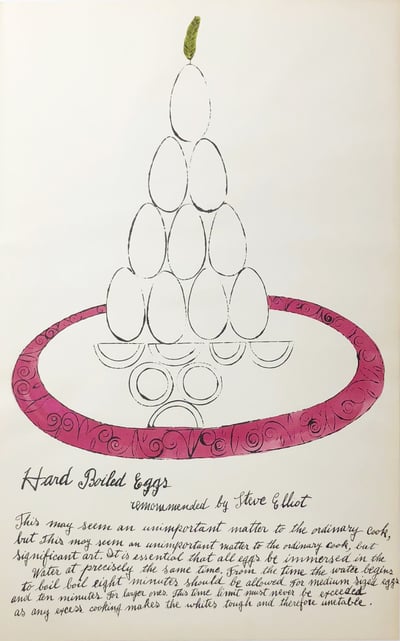
Andy Warhol
Wild Raspberries IV.138A, 1959
Limited Edition Print
Offset Print
USD 4,850
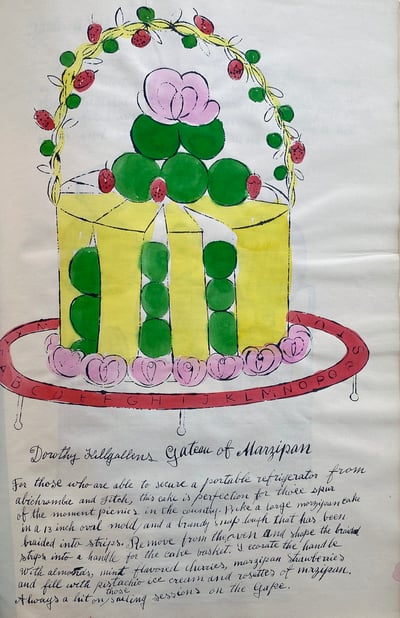
Andy Warhol
Wild Raspberries IV.139A, 1959
Limited Edition Print
Offset Print
USD 8,400

Takashi Murakami
Flower Ball (3-D) Autumn 2004, 2013
Limited Edition Print
Offset Print
USD 3,800

Takashi Murakami
Flowerball (3D) - Papyrus, 2013
Limited Edition Print
Offset Print
USD 4,250
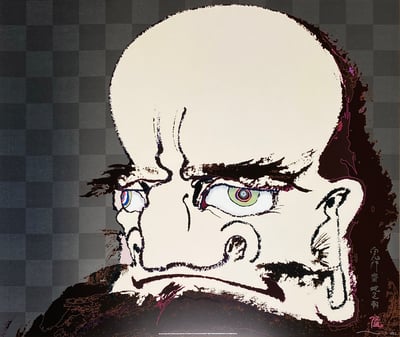
Takashi Murakami
My Arms & Legs Rot off and through my blood rushes forth, the tranquility of my heart shall be prized above, 2007
Limited Edition Print
Offset Print
USD 3,200
Related Articles


Animation is the process of displaying a sequence of static images in rapid succession to create the illusion of movement. Each image, or frame, is slightly altered from the previous one, particularly in the moving parts, so when shown together, they form a continuous motion. Traditionally, illustrators drew each frame by hand to produce this effect.
EAT (Experiments in Art and Technology) was a movement formed to foster collaborations between engineers and artists. It facilitated direct, person-to-person connections between these two groups. The movement was originally launched in 1967 by artists Robert Whitman and Robert Rauschenberg, along with engineers Fred Waldhauer and Billy Klüver. EAT carried out various projects and activities that expanded the role of artists in contemporary society, encouraging the integration of art and technology.

Watercolor refers to both the medium and the resulting artwork created using pigments suspended in a water-soluble vehicle. Watercolors are known for their luminous, transparent appearance because the pigments are applied in pure form with minimal fillers. By adding Chinese white, the watercolor can become opaque, resembling gouache.
Can't find your Answer?
Thank you! Your question has been sent — we'll get back to you shortly.
