What is Nouveau Realism?
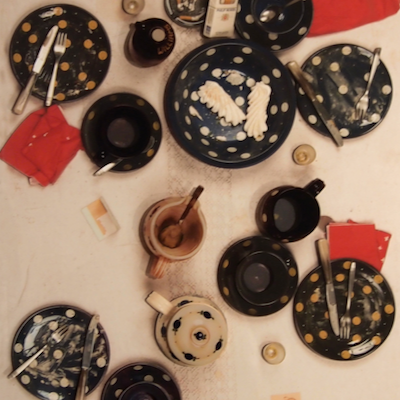
Nouveau Réalisme is an artistic movement founded in 1960 by art critic Pierre Restany and painter Yves Klein during a collective exhibition at a gallery in Milan. Restany wrote the original manifesto in April 1960, proclaiming the movement. In October of that year, nine artists, including Martial Raysse, Yves Klein, Daniel Spoerri, Jean Tinguely, Arman, Pierre Restany, and three Ultra-Lettrists—Jacques de la Villeglé, François Dufrêne, and Raymond Hains—signed the declaration. In 1961, the movement expanded to include Mimmo Rotella, Niki de Saint Phalle, Gérard Deschamps, and César. The movement emphasized a return to reality in art, often incorporating everyday objects and exploring the boundaries between art and life.
- Show All
- Established
- Discoveries
ARTWORKS RELATED TO NOUVEAU REALISM

Gerhard Richter
P2 Haggadah, 2014
Limited Edition Print
Mixed Media
GBP 27,000 - 35,000

Gerhard Richter
Tulpen, 2017
Limited Edition Print
Giclée printing
GBP 17,000 - 25,500

Gerhard Richter
Cage P19-1, 2020
Limited Edition Print
Giclée printing
GBP 17,000 - 22,000

Gerhard Richter
LP Sonic Youth, 2007
Limited Edition Print
Mixed Media
Inquire For Price

Gerhard Richter
Cage P19-4, 2020
Limited Edition Print
Giclée printing
Currently Not Available

Gerhard Richter
Flow P16, 2016
Limited Edition Print
Mixed Media
Inquire For Price

Gerhard Richter
Nine Objects, 1969
Limited Edition Print
Mixed Media
GBP 15,000 - 19,500

Gerhard Richter
Landschaft mit Wolke, 2026
Limited Edition Print
Mixed Media
GBP 900

Gerhard Richter
Vögel, 2026
Limited Edition Print
Mixed Media
GBP 900

Jean Tinguely
Meta – Matic N9, 1960
Drawing / Watercolor
Pen and ink
EUR 500

Gerhard Richter
L 8 (22.1.84), 1984
Painting
Mixed Media
Inquire For Price

Alex Katz
Black Dress (Portfolio of 9), 2015
Limited Edition Print
Silkscreen
Inquire For Price

Javacheff Christo
Wrapped Monumento to Vittorio Emanuele, Piazza del Duomo, 1970
Limited Edition Print
Photograph
EUR 2,400

Niki De Saint Phalle
Jungle I, c.1993
Limited Edition Print
Lithograph
EUR 3,600

Niki De Saint Phalle
Le Monstre, 1995
Limited Edition Print
Lithograph
EUR 3,000

Fernandez Arman
Ofelia, 1996
Sculpture / Object
Bronze
USD 4,950
Related Articles

Popular, Art Movements - May 23, 2022
Viennese Actionism: An unique convergence of shock value and Transcendence
Explore the provocative legacy of Viennese Actionism, blending shock value and transcendence. Discover how its pioneers redefined art with raw, political performance. Read More

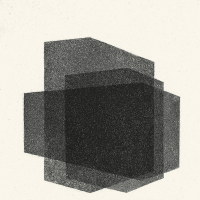
Intaglio is a printmaking technique where the artist creates marks on a metal plate that hold ink or dye. The inked plate is then pressed onto paper, transferring the ink to the sheet. This process can be repeated multiple times depending on the technique. Intaglio methods, such as etching, often involve applying a mordant (acid) to the metal plate to create the design. Intaglio encompasses various techniques, including engraving, etching, and drypoint.
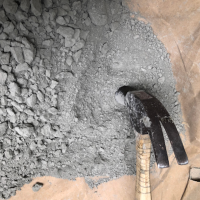
Cement refers to a variety of mixtures, typically made from clay, limestone, water, sand, and gravel, which form concrete used in construction. The term to cement also means to join or unite materials. In art, cement can refer to the process of securely gluing or bonding elements together, often used in sculptural work or mixed media.