What is a Serigraph?
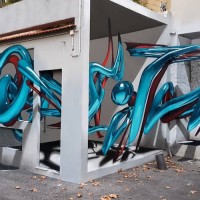
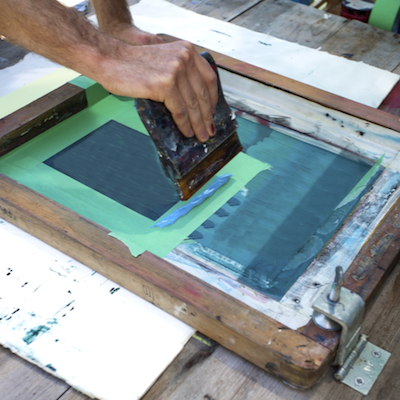
Serigraph is a printmaking process that uses silk screen techniques to create an image. The image is digitally separated into individual colors, each of which is assigned to a separate silk screen. These screens are then used to apply each color by hand, layer by layer, to replicate the original artwork, often based on an oil painting.
- Show All
- Established
- Discoveries
ARTWORKS RELATED TO SERIGRAPH

Andy Warhol
Paloma Picasso, 1975
Limited Edition Print
Serigraph
Inquire For Price

Antonio Saura
Felipe II, 1971
Limited Edition Print
Serigraph
EUR 3,000

Antonio Saura
Remembrandt, 1973
Limited Edition Print
Serigraph
EUR 1,350

Antonio Saura
Aphorismen V, 1973
Limited Edition Print
Serigraph
EUR 1,350

Antonio Saura
Emblemas 3, 1979
Limited Edition Print
Serigraph
EUR 1,350

Antonio Saura
Emblemas 5, 1979
Limited Edition Print
Serigraph
EUR 1,350

Antonio Saura
Triptico de Amsterdam 2, 1975
Limited Edition Print
Serigraph
EUR 1,350

Antonio Saura
Triptico de Amsterdam 3, 1975
Limited Edition Print
Serigraph
EUR 1,350

Antonio Saura
Don I, 1984
Limited Edition Print
Serigraph
EUR 1,875
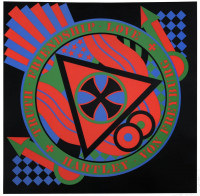
Robert Indiana
KvF VIII (from Berlin Series), 1990
Limited Edition Print
Serigraph
Inquire For Price

Julian Schnabel
Best Buddies, 1992
Limited Edition Print
Serigraph
USD 4,000 - 6,000
Howard Hodgkin
Tropical Fruit, 1981
Limited Edition Print
Serigraph
USD 5,000 - 7,000
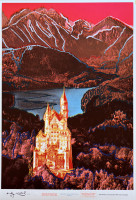
Andy Warhol
Neuschwanstein (Poster), 1987
Limited Edition Print
Serigraph
EUR 4,800

Javier Calleja
Si, 2024
Limited Edition Print
Serigraph
USD 6,600

Eduardo Chillida
Placard Jabes, 1975
Limited Edition Print
Serigraph
EUR 3,750

Antonio Saura
Dama en tecnicolor II, 1970
Limited Edition Print
Serigraph
EUR 2,125
Related Articles

Collecting - October 11, 2023
Edition Numbers Unveiled: Is Lower Really Better?
Uncover the truth about edition numbers in print art. Learn how modern techniques ensure quality and why the myth of lower numbers holds less weight today. Read More

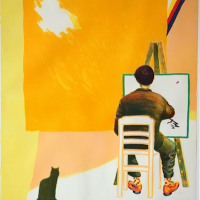
Neo-Figurative Art is a collective term that refers to the revival of figurative art in America and Europe during the 1960s, following a period dominated by abstraction. Michel Ragon, a French art critic, argued that this resurgence of figuration occurred during a critical time of social and political upheaval in both regions.
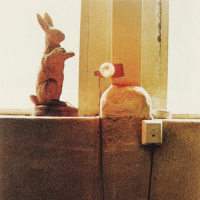
Derived from the Latin word meaning flow, Fluxus is an international movement of designers, composers, and artists known for blending various artistic disciplines and media during the 1960s. The movement remains active in visual art, performance, design, architecture, urban planning, and other creative fields. Fluxus is sometimes referred to as nter-media and continues to play a pivotal role in expanding the definitions of what art can be.