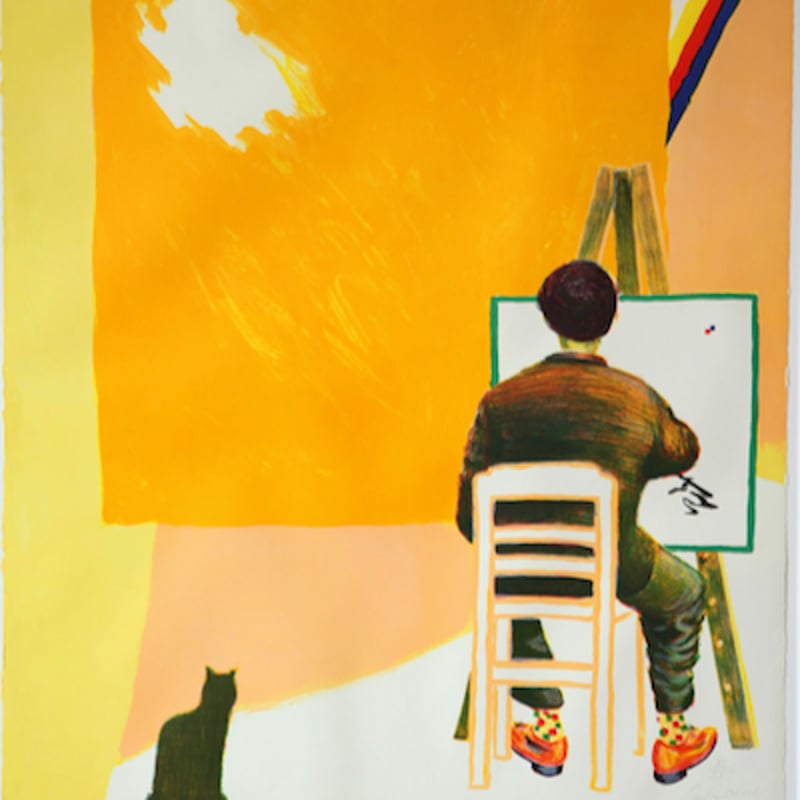
What is new figuration?
- Show All
- Established
- Discoveries
- Show All
Artworks Related to New Figuration
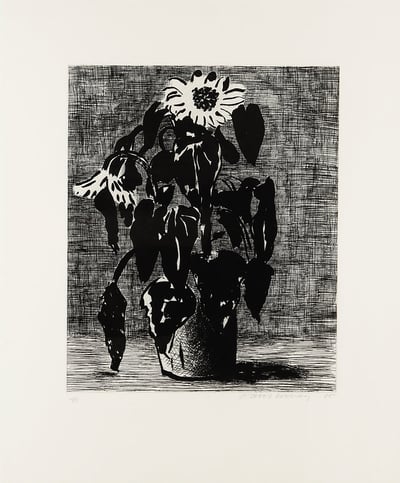
David Hockney
Sunflower I, 1995
Limited Edition Print
Etching and Aquatint
GBP 29,000 - 35,000
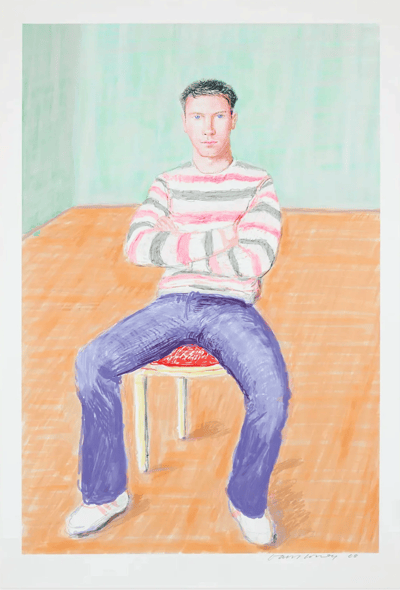
David Hockney
Jamie McHale 1, 2008
Limited Edition Print
Inkjet print
Inquire For Price
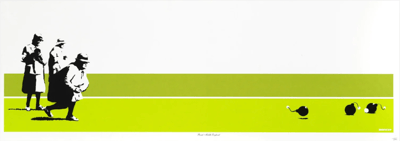
Banksy
Bomb Middle England (Unsigned), 2002
Limited Edition Print
Screen-print
GBP 15,000 - 20,000
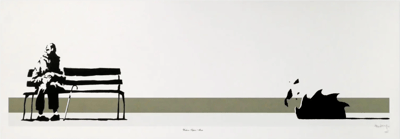
Banksy
Western Super Mare, 2003
Limited Edition Print
Screen-print
GBP 15,000 - 20,000
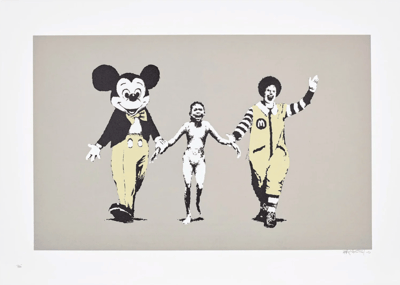
Banksy
Napalm, 2004
Limited Edition Print
Screen-print
GBP 32,000 - 38,000
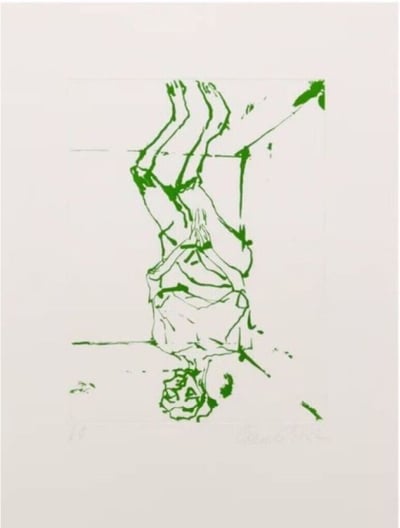
Georg Baselitz
Serpentine - green, 2022
Limited Edition Print
Etching and Aquatint
Inquire For Price
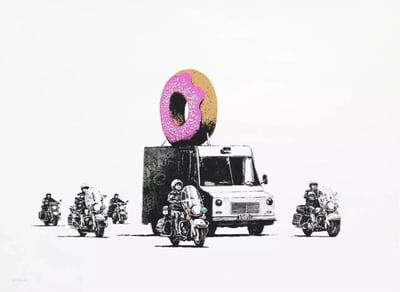
Banksy
Donuts - Strawberry, 2009
Limited Edition Print
Screen-print
Inquire For Price
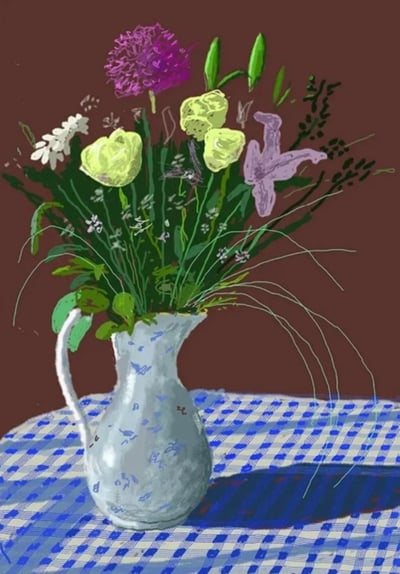
David Hockney
20th February 2021, Jug With Flowers, 2021
Limited Edition Print
Mixed Media
Inquire For Price
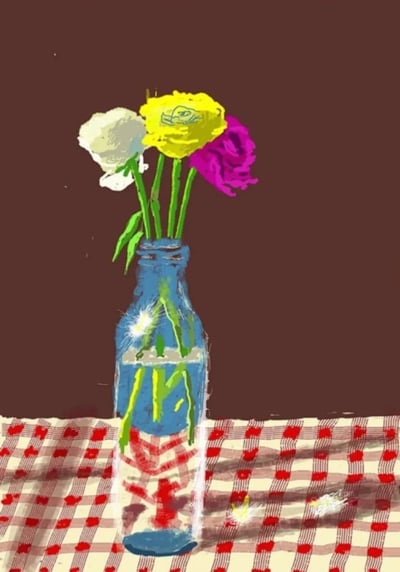
David Hockney
23rd March 2021, Flowers in a Milk Bottle, 2021
Limited Edition Print
Mixed Media
GBP 120,000 - 140,000
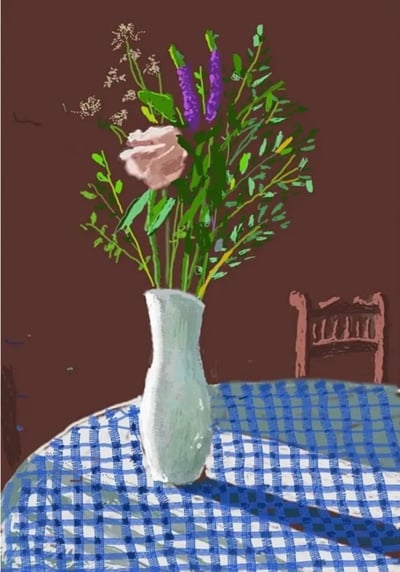
David Hockney
4th February 2021, Flowers in a White Vase with Chair, 2021
Limited Edition Print
Mixed Media
Inquire For Price
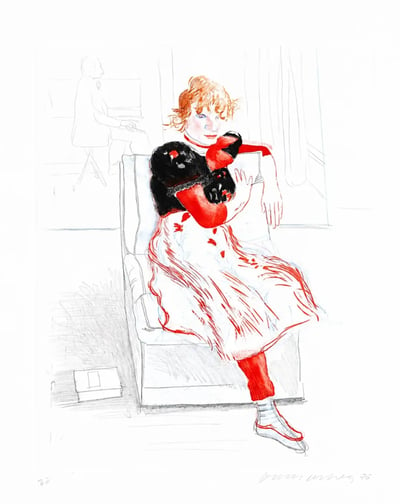
David Hockney
Celia Observing, 1976
Limited Edition Print
Etching and Aquatint
GBP 33,000 - 40,000
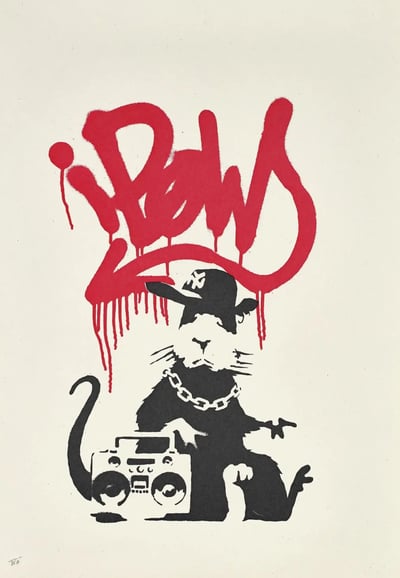
Banksy
Gangsta Rat (Unsigned), 2004
Limited Edition Print
Screen-print
GBP 18,000 - 23,000
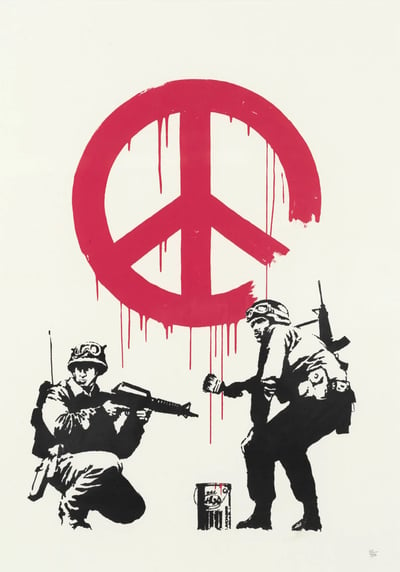
Banksy
CND Soldiers (Unsigned), 2005
Limited Edition Print
Screen-print
GBP 14,000 - 18,200
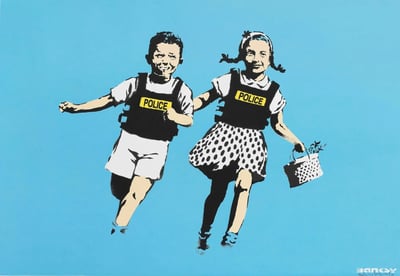
Banksy
Jack & Jill, 2005
Limited Edition Print
Screen-print
GBP 33,000 - 40,000
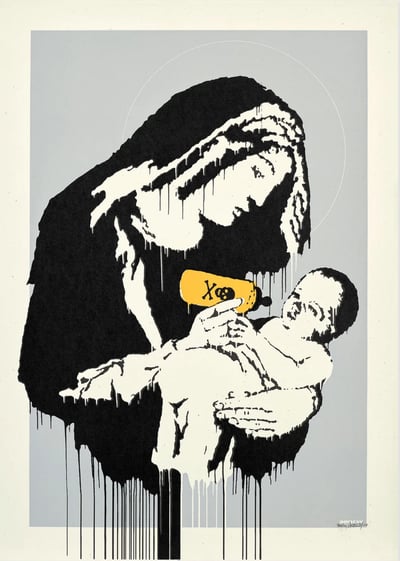
Banksy
Toxic Mary, 2003
Limited Edition Print
Screen-print
GBP 34,000 - 42,000
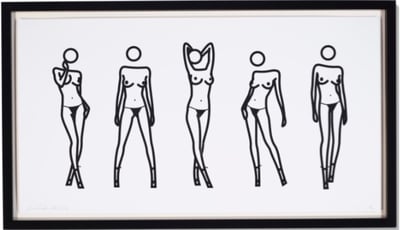
Julian Opie
Bijou Gets Undressed 7 (Cristea 56), 2004
Limited Edition Print
Screen-print
USD 11,000
Related Articles
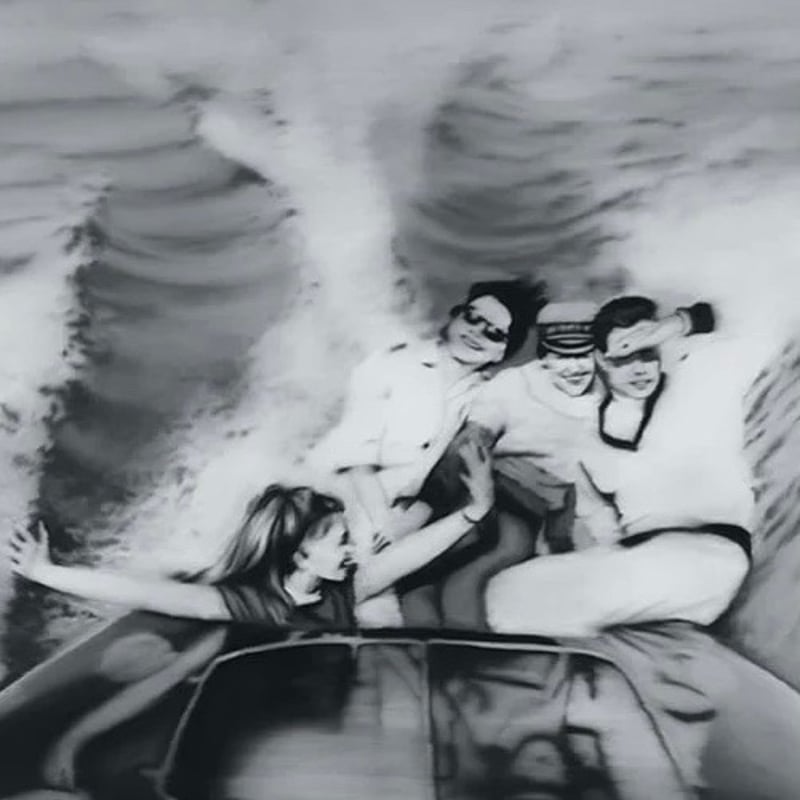
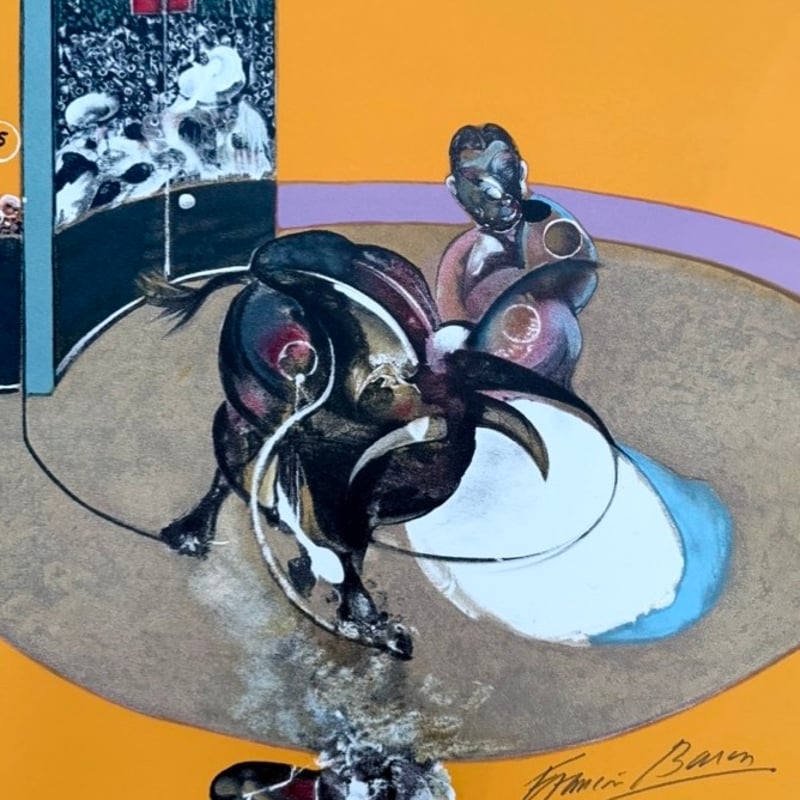
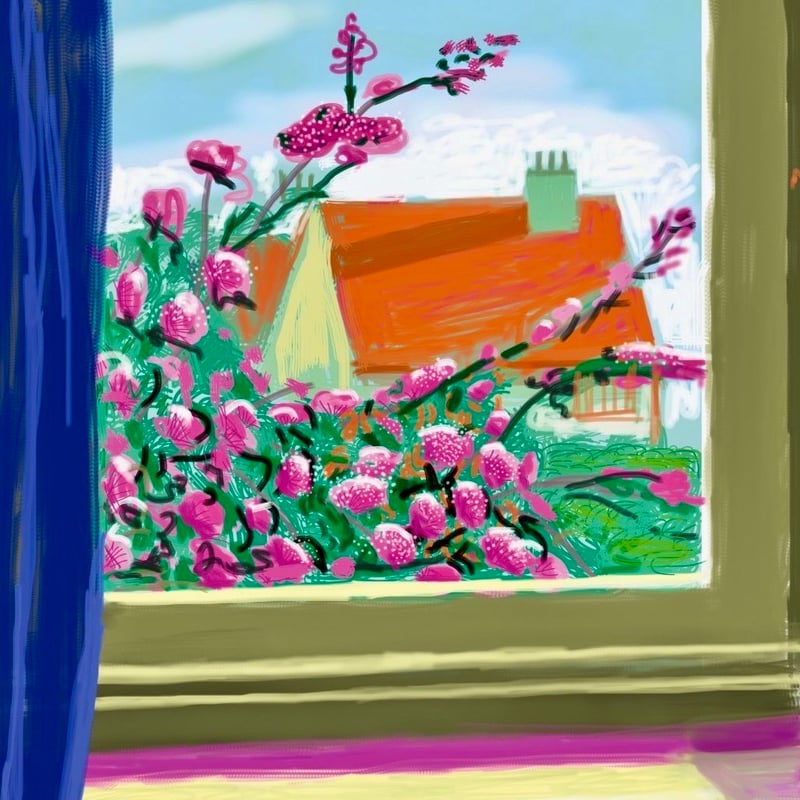

Massurrealism is a portmanteau word coined by American artist James Seehafer in 1992. He observed a trend among postmodern artists who blended themes and aesthetic styles with mass media, including elements of pop art. Massurrealism is a development of surrealism that emphasizes the technological effects on the imagery of contemporary surrealism. The key difference between massurrealism and surrealism is that the latter was founded in Europe at the beginning of the 20th century, while massurrealism is rooted in the influence of modern technology and media.
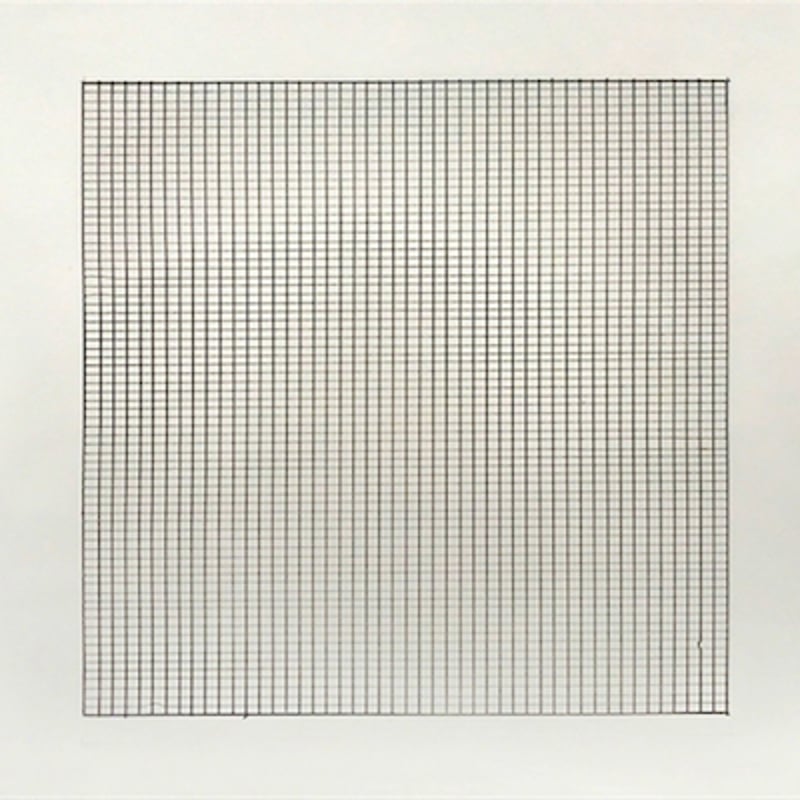
Minimalism is a style in music and visual arts characterized by pared-down designs and simplicity. It began in Western art after World War II, gaining prominence particularly in American visual arts. Minimalism draws heavily on aspects of modernism and is often viewed as a reaction against Abstract Expressionism, as well as a precursor to post-minimal art practices. Prominent minimalist artists include Agnes Martin, Donald Judd, Robert Morris, Frank Stella, and Dan Flavin.
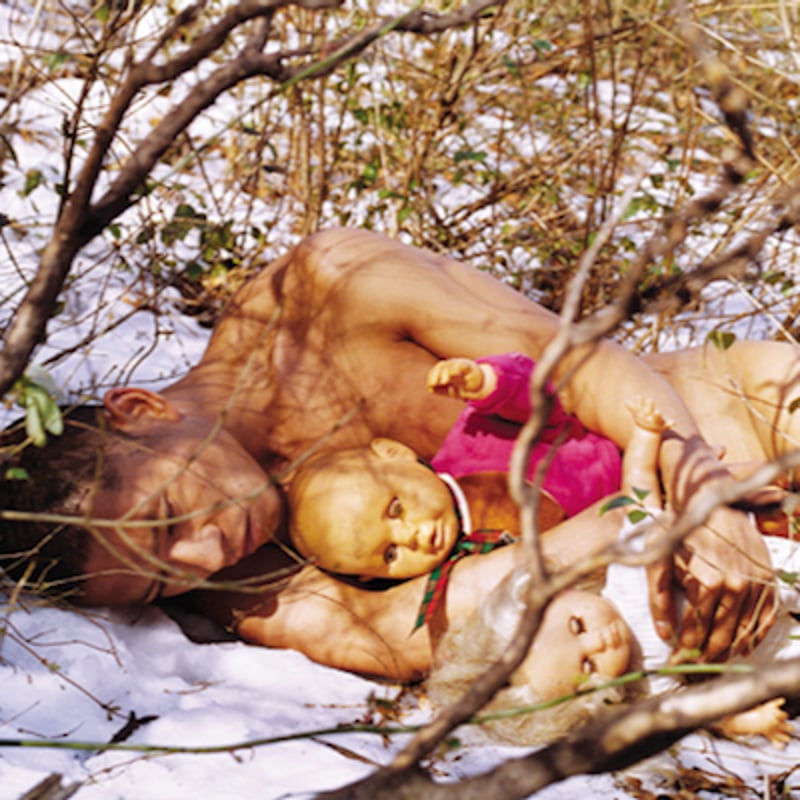
Live art is a form of performance that began in the 1960s and is generally exploratory and innovative. It involves a single artist or an artist group presenting the work before a live audience. The performances can include humans, animals, and living plants, often blurring the boundaries between art and life, and encouraging interaction with the audience.
Can't find your Answer?
Thank you! Your question has been sent — we'll get back to you shortly.
