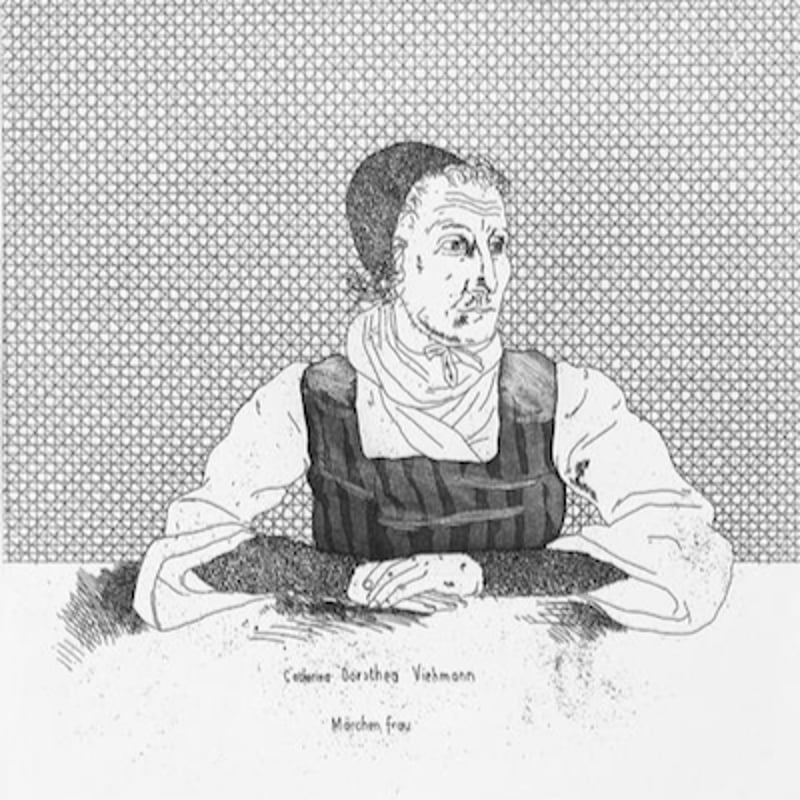
What is Modern Realism?
- Show All
- Established
- Discoveries
- Show All
Artworks Related to Modern Realism
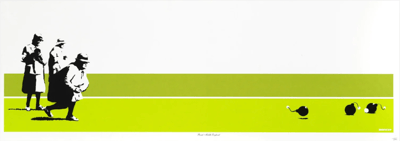
Banksy
Bomb Middle England (Unsigned), 2002
Limited Edition Print
Screen-print
GBP 15,000 - 20,000
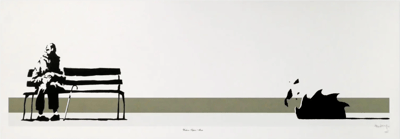
Banksy
Western Super Mare, 2003
Limited Edition Print
Screen-print
GBP 15,000 - 20,000
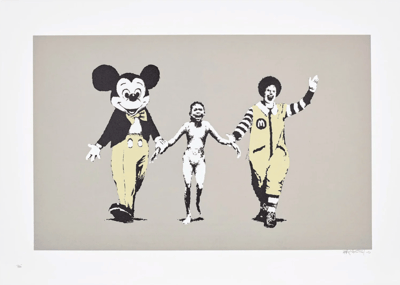
Banksy
Napalm, 2004
Limited Edition Print
Screen-print
GBP 32,000 - 38,000
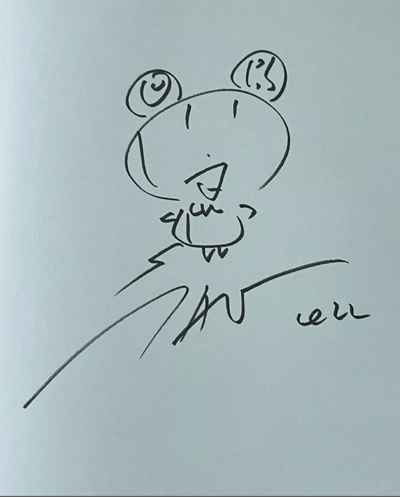
Takashi Murakami
Mr DOB, 2022
Drawing / Watercolor
Ink
GBP 15,000 - 19,500
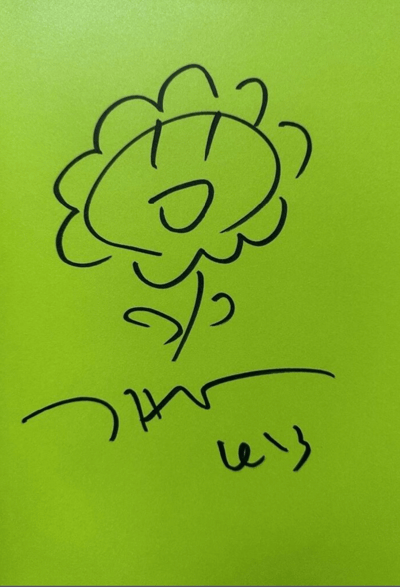
Takashi Murakami
Untitiled (Mr DOB), 2023
Drawing / Watercolor
Ink
GBP 17,500 - 22,700
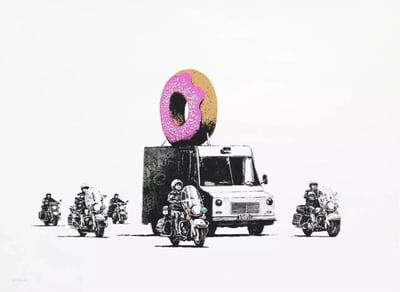
Banksy
Donuts - Strawberry, 2009
Limited Edition Print
Screen-print
Inquire For Price
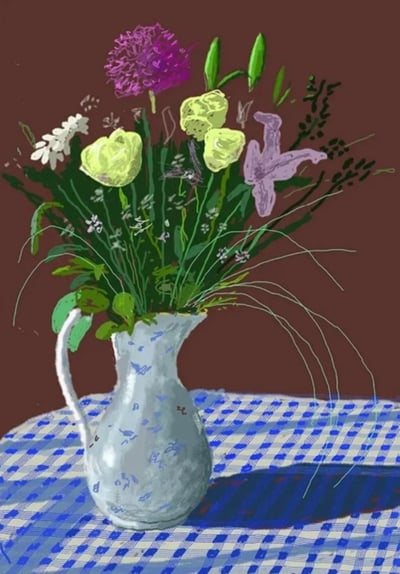
David Hockney
20th February 2021, Jug With Flowers, 2021
Limited Edition Print
Mixed Media
Inquire For Price
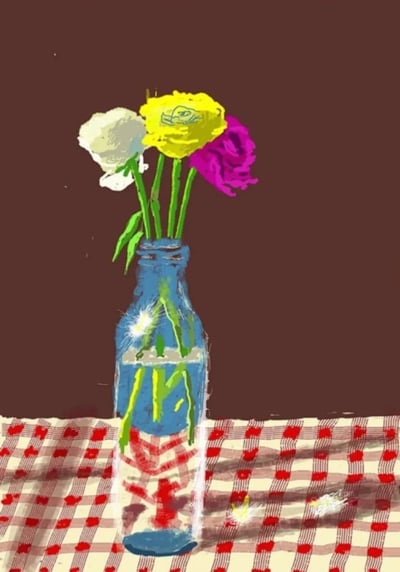
David Hockney
23rd March 2021, Flowers in a Milk Bottle, 2021
Limited Edition Print
Mixed Media
GBP 120,000 - 140,000
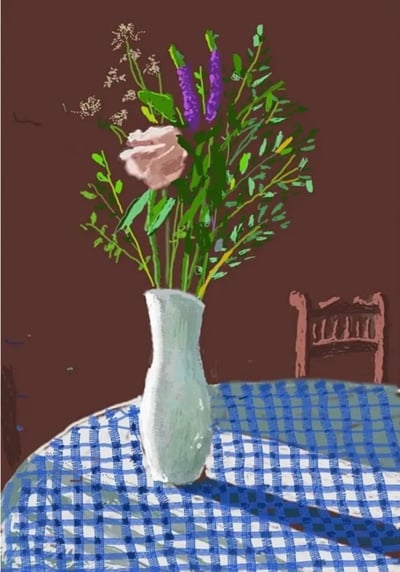
David Hockney
4th February 2021, Flowers in a White Vase with Chair, 2021
Limited Edition Print
Mixed Media
Inquire For Price
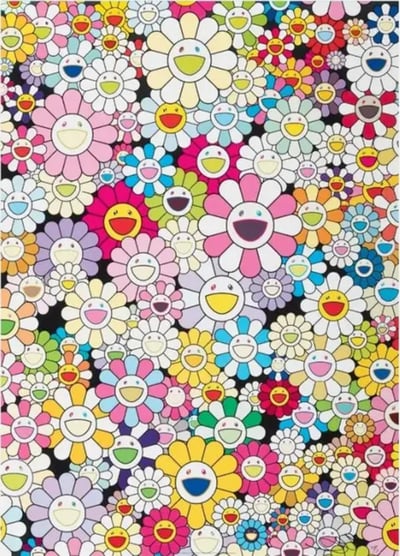
Takashi Murakami
Homage to Yves Klein, Multicolor A, 2012
Limited Edition Print
Offset Print
GBP 2,750 - 3,500
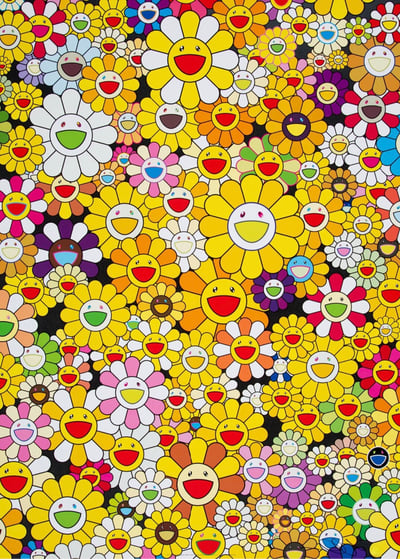
Takashi Murakami
An Homage to Monogold, 1960 A, 2012
Limited Edition Print
Offset Print
GBP 2,250 - 2,900
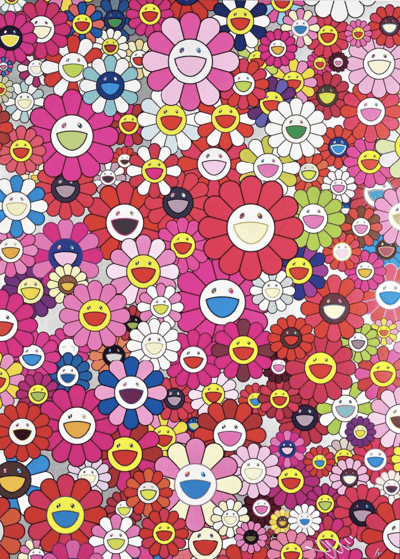
Takashi Murakami
Homage to Monopink, 1960 A, 2012
Limited Edition Print
Offset Print
GBP 2,250 - 2,900
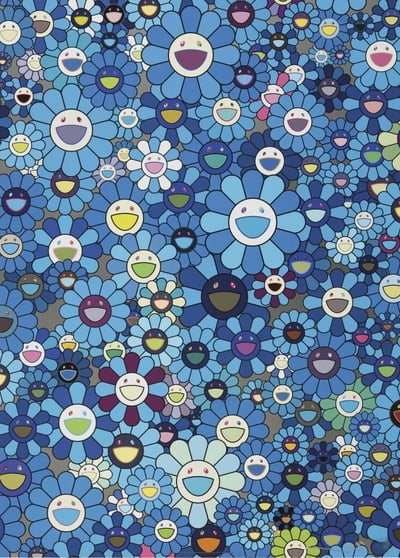
Takashi Murakami
An Homage to IKB, 1957 A, 2012
Limited Edition Print
Offset Print
GBP 2,500 - 3,200
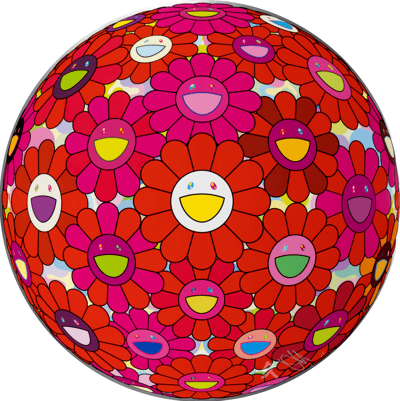
Takashi Murakami
Flowers of Gratitude, 2022
Limited Edition Print
Lithograph
GBP 1,800
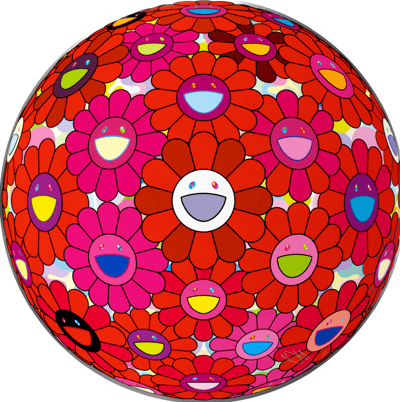
Takashi Murakami
Inside the Soul, 2022
Limited Edition Print
Offset Print
GBP 1,800
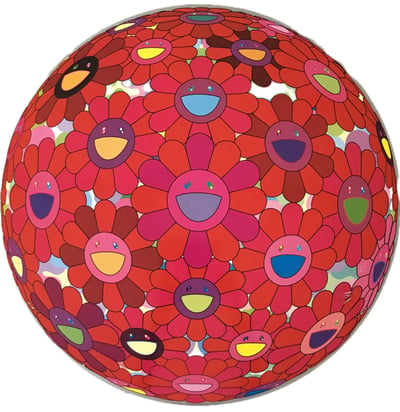
Takashi Murakami
Let Us Devote Our Hearts, 2022
Limited Edition Print
Offset Print
GBP 1,700
Related Articles

Cubism is an art movement that aimed to depict multiple perspectives of objects or figures within a single picture. Artists Georges Braque and Pablo Picasso pioneered this style around 1907. The name Cubism emerged from their use of geometric shapes and outlines that often resembled cubes, breaking objects down into abstracted forms.
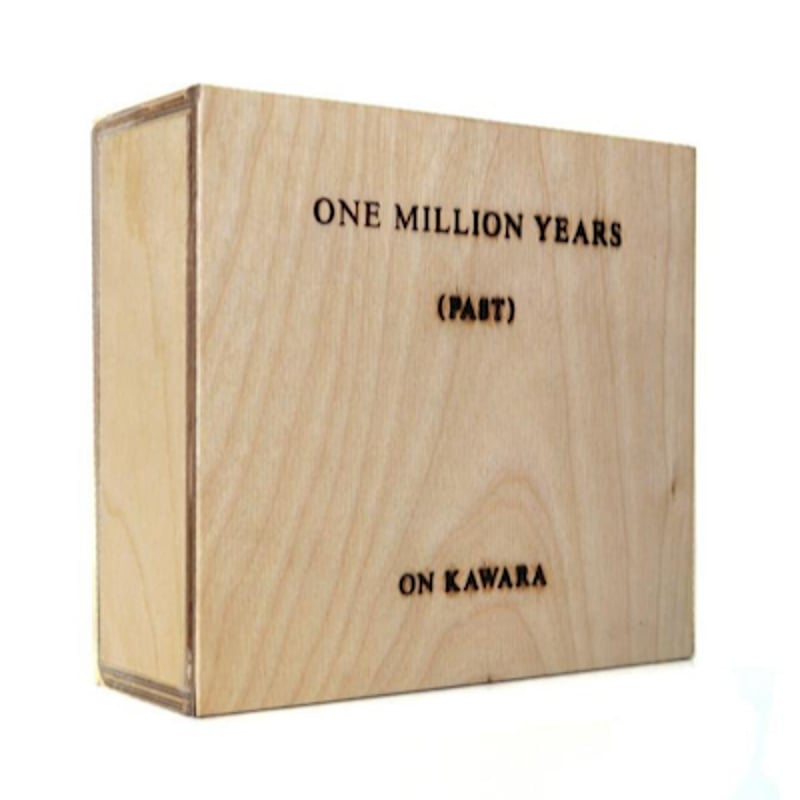
Mail Art is a populist art movement centered on the creation and exchange of small-scale artworks through the postal service. It developed out of the Fluxus movement in the 1950s and 1960s and has since evolved into a global art movement. Ray Johnson is recognized as the first mail artist, and his New York School is considered the first network of mail artists. Mail artists rely heavily on a network to exchange their works, often creating a community of artists connected through the postal system.
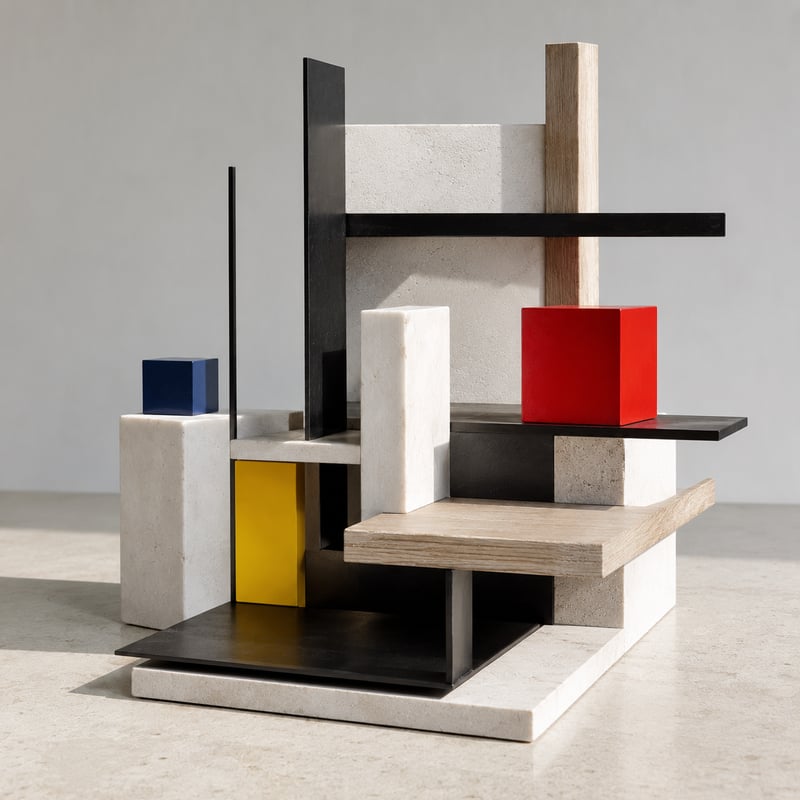
De Stijl, meaning The Style, was a group of Dutch artists who created abstract art based on strict adherence to vertical and horizontal geometry. The group was founded by Piet Mondrian and Theo van Doesburg in 1917. Mondrian eventually left De Stijl when Van Doesburg began incorporating diagonal geometry into his work, which Mondrian felt deviated from the group's principles.
Can't find your Answer?
Thank you! Your question has been sent — we'll get back to you shortly.
