What is kinetic art?
- Show All
- Established
- Discoveries
- Show All
Artworks Related to Kinetic art
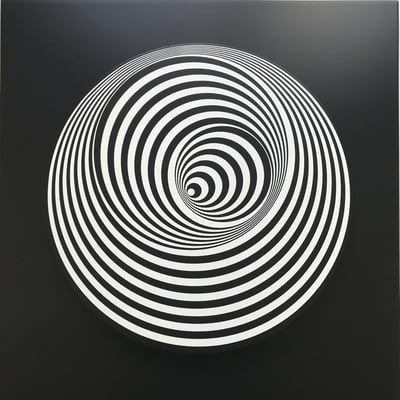
Marina Apollonio
Dinamica Circolare 6B Ruotato, 1968-2020
Sculpture / Object
Wood
Currently Not Available
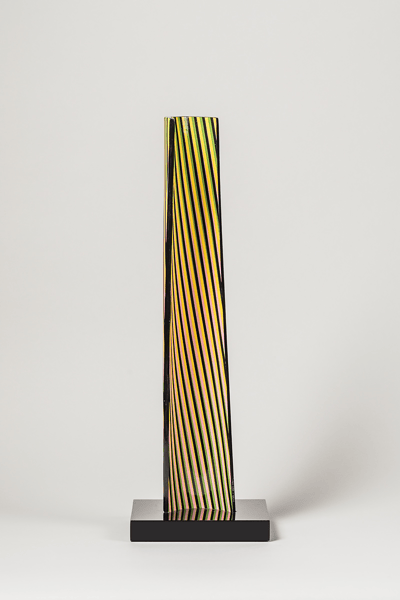
Carlos Cruz-Diez
Cromovela 17, 2018
Ceramics
Ceramic
EUR 8,000
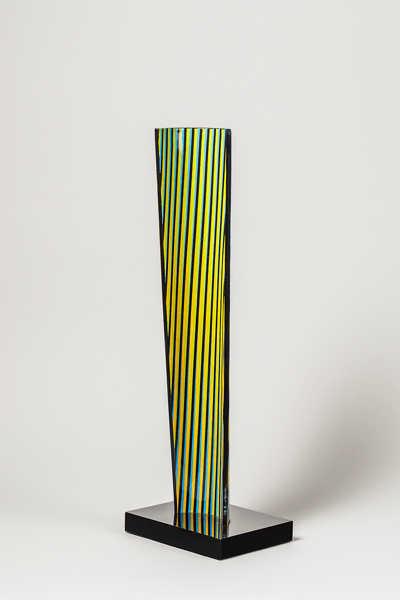
Carlos Cruz-Diez
Cromovela 19, 2018
Ceramics
Ceramic
EUR 8,000
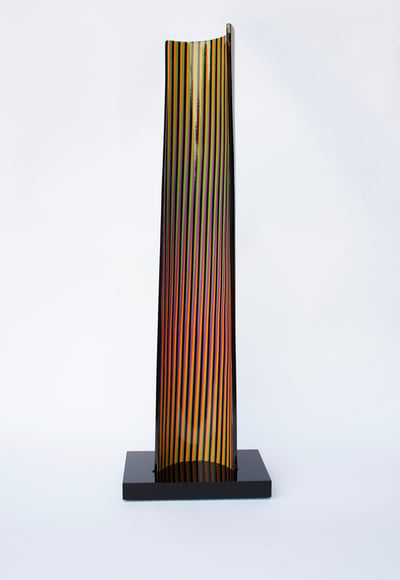
Carlos Cruz-Diez
Cromovela 11 (Big), 2009
Ceramics
Ceramic
EUR 12,000
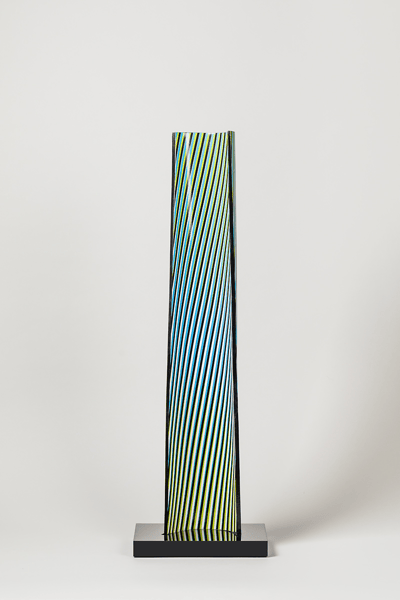
Carlos Cruz-Diez
Cromovela 21 (Big), 2018
Ceramics
Ceramic
EUR 12,000
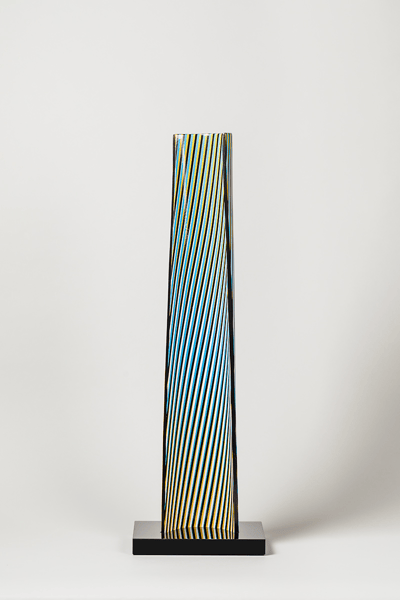
Carlos Cruz-Diez
Cromovela 22 (Big), 2018
Ceramics
Ceramic
EUR 12,000
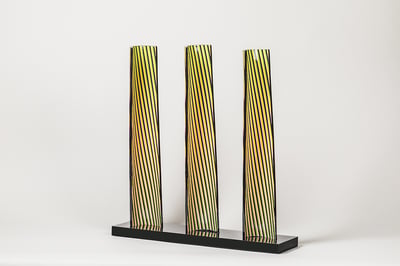
Carlos Cruz-Diez
Cromovela Tryptich 18, 2018
Ceramics
Ceramic
EUR 18,000
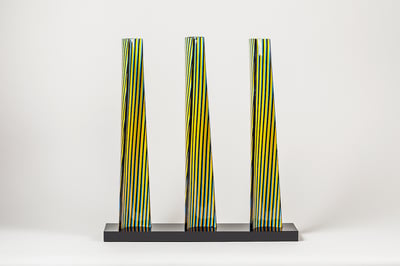
Carlos Cruz-Diez
Cromovela Tryptich 20, 2018
Ceramics
Ceramic
EUR 18,000
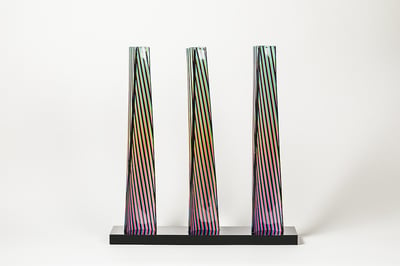
Carlos Cruz-Diez
Cromovela Tryptich 13, 2009
Ceramics
Ceramic
EUR 18,000
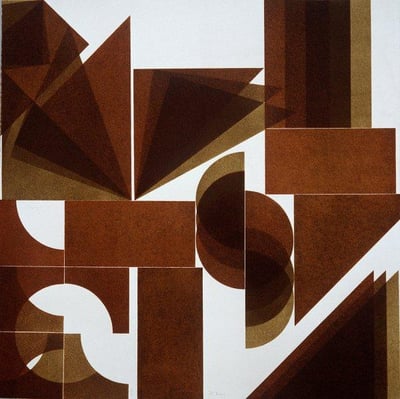
Pol Bury
Presenza grafica, 1973
Limited Edition Print
Etching and Aquatint
Currently Not Available
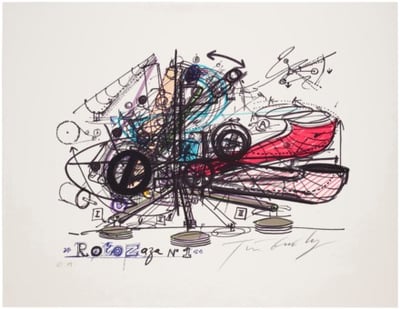
Jean Tinguely
Roto Zaza No. 1, 1975
Limited Edition Print
Screen-print
Currently Not Available
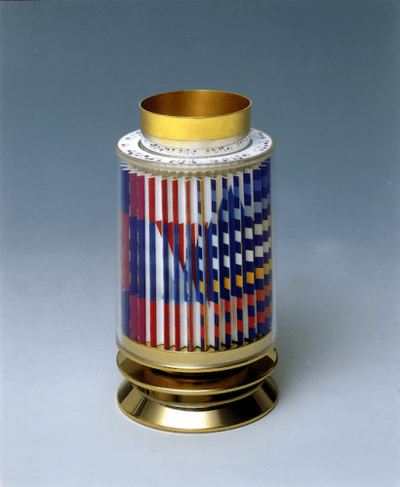
Yaacov Agam
Kiddush Cup, 1993
Sculpture / Object
Mixed Media
USD 1,350
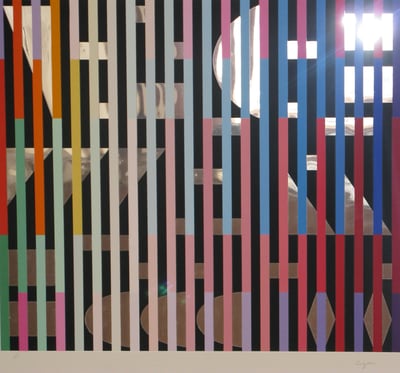
Yaacov Agam
Silver, 1982
Limited Edition Print
Silkscreen
USD 1,400
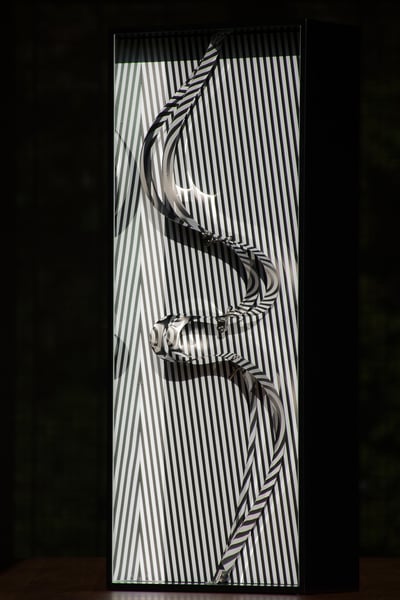
Julio Le Parc
Formes en Contorsions , 1967 - 2018
Sculpture / Object
Mixed Media
EUR 12,000
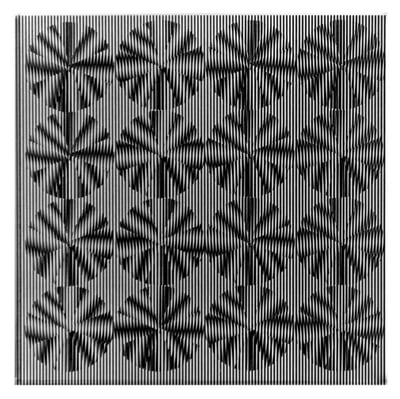
Ludwig Wilding
SBST 2827, 1993
Sculpture / Object
Object
EUR 1,500
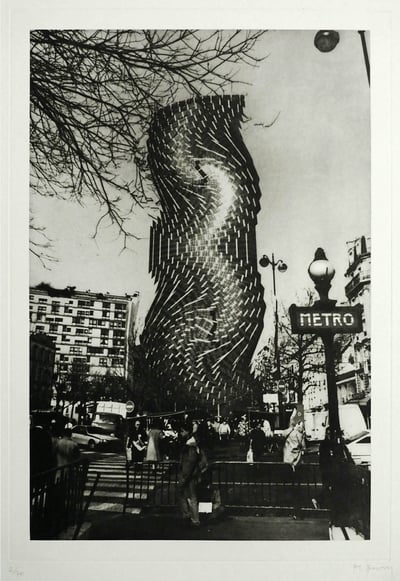
Pol Bury
Tour Montparnasse, 1990
Limited Edition Print
Etching
Currently Not Available
Related Articles

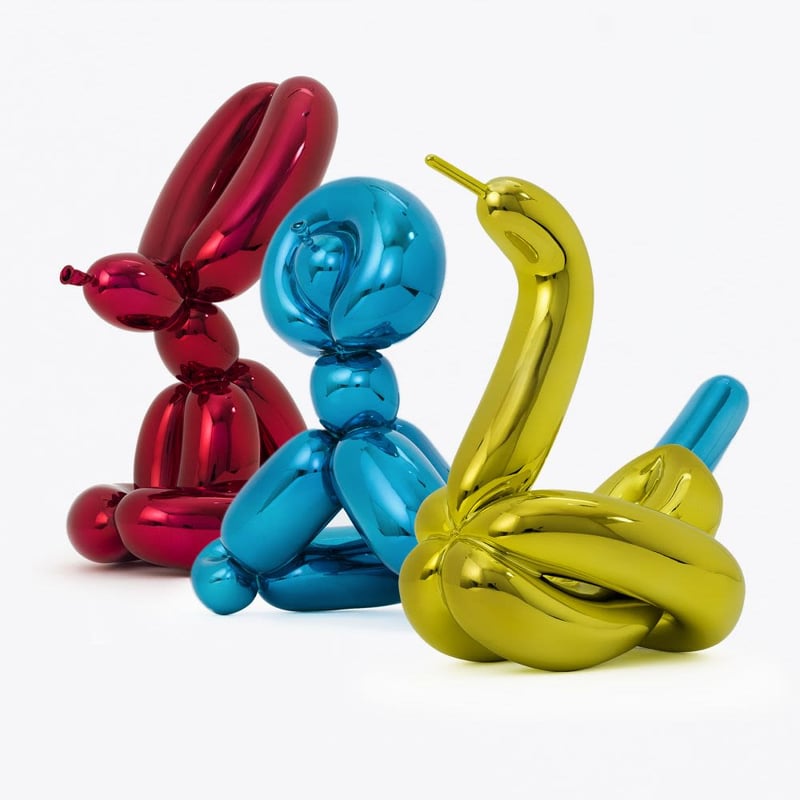
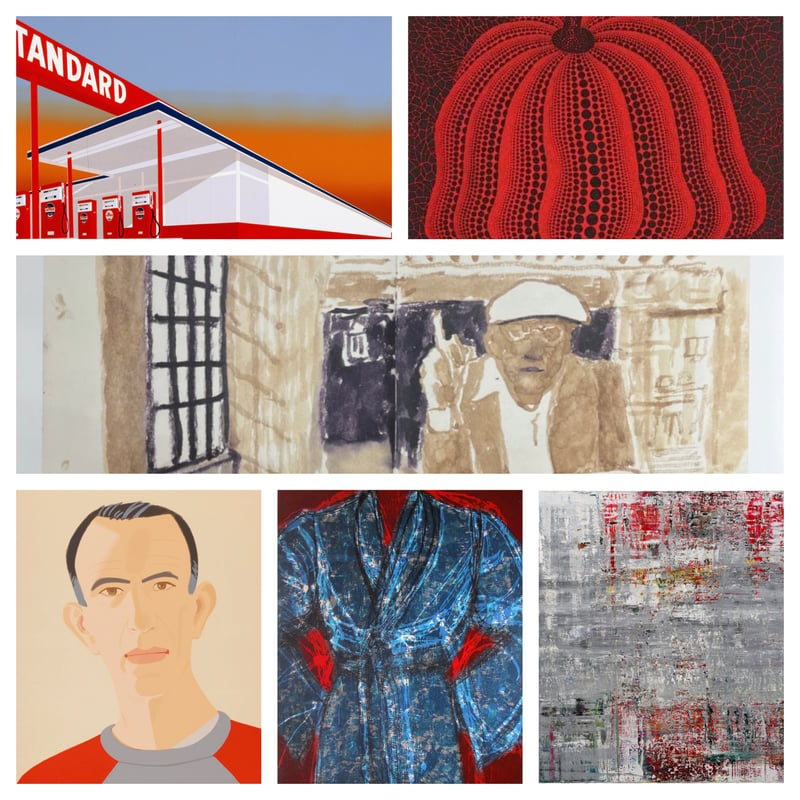

A photograph is an image captured with a camera. Traditionally, photographs were made by exposing film and then developing the image on light-sensitive paper using chemicals. Today, photographs can also be captured digitally and printed or displayed electronically. The process requires a camera, whether film or digital, and a photographer.
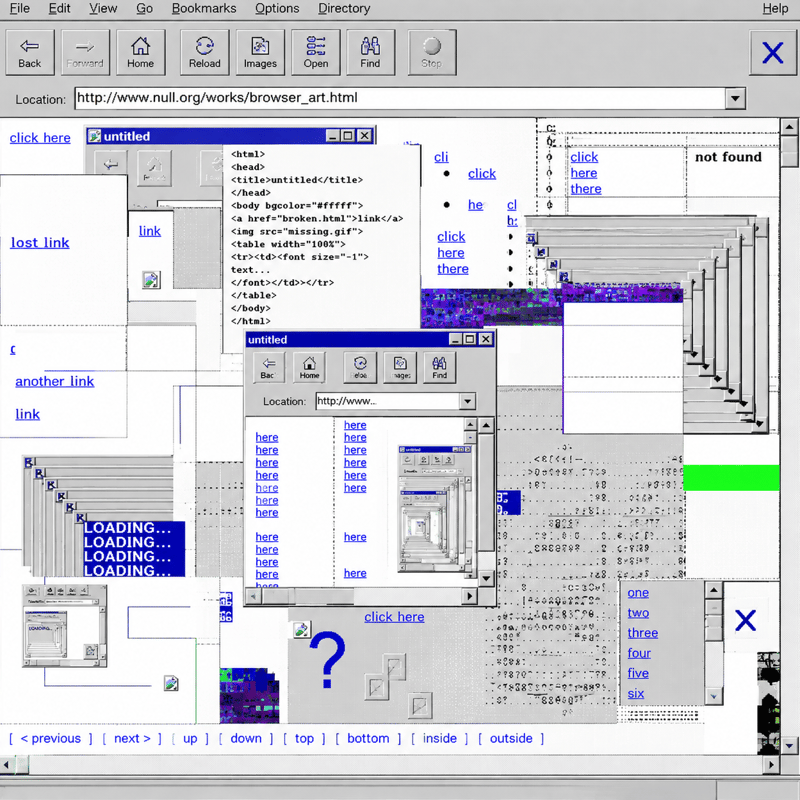
Browser art is a form of renegade art where artists use computers to transform code, website structures, and server links into visual material. These artists, often called net artists or net writers, manipulate computer code to create artworks that transform web pages into entirely different images or experiences.
Attribute can function as both a noun and a verb. As a noun, it refers to an object, symbol, or animal commonly associated with a specific person, often used in art to identify figures, such as a lion with St. Mark. As a verb, it means to assign a work of art to a particular artist, usually based on stylistic analysis or other evidence, such as attributing a painting to an artist based on its technique and composition.
Can't find your Answer?
Thank you! Your question has been sent — we'll get back to you shortly.
