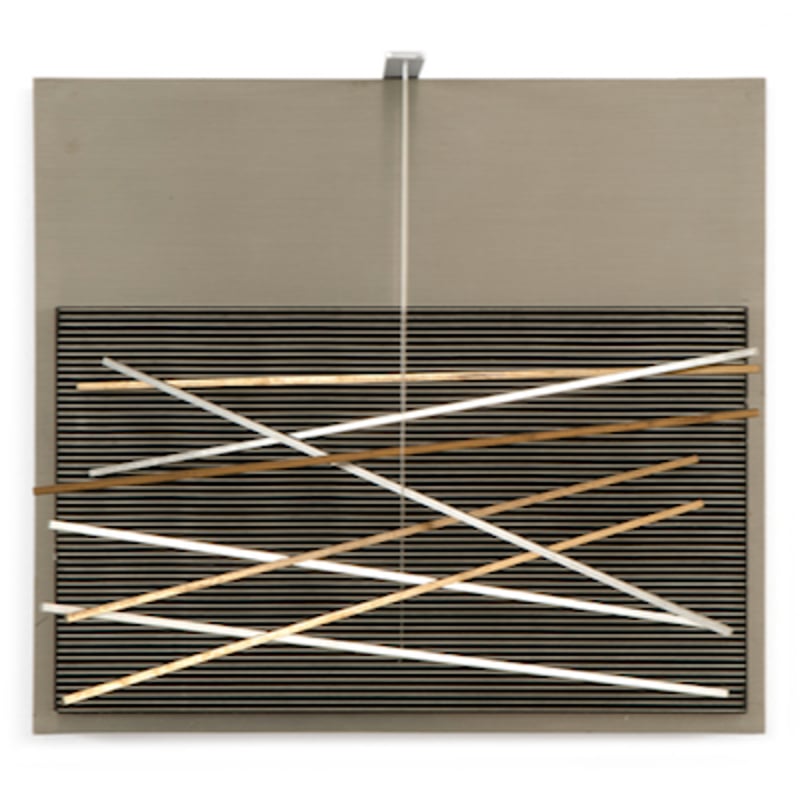
What is kinetic art?
- Show All
- Established
- Discoveries
- Show All
Artworks Related to Kinetic art
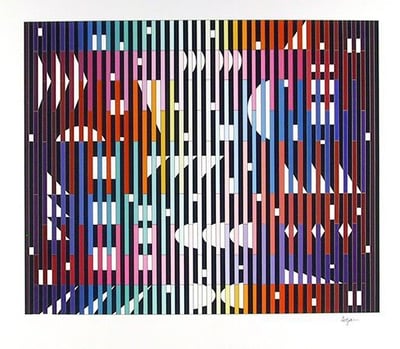
Yaacov Agam
Night rainbow (large), 1982
Limited Edition Print
Silkscreen
Artwork On Hold
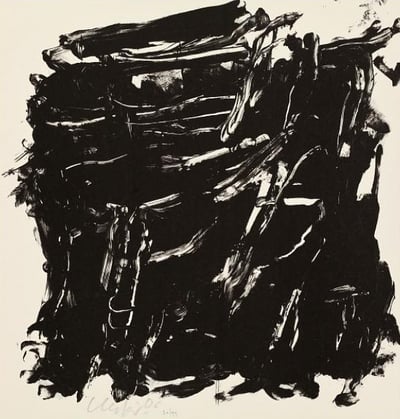
Gunther Uecker
Hiob Seite 16
Limited Edition Print
Silkscreen
EUR 1,800
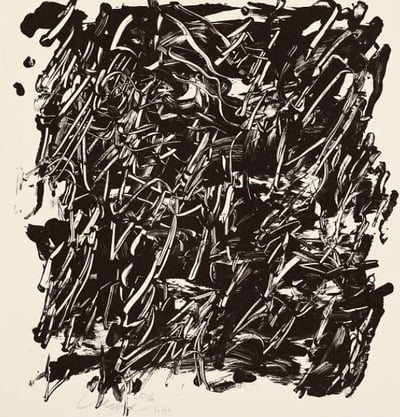
Gunther Uecker
Hiob Seite 25
Limited Edition Print
Silkscreen
Currently Not Available
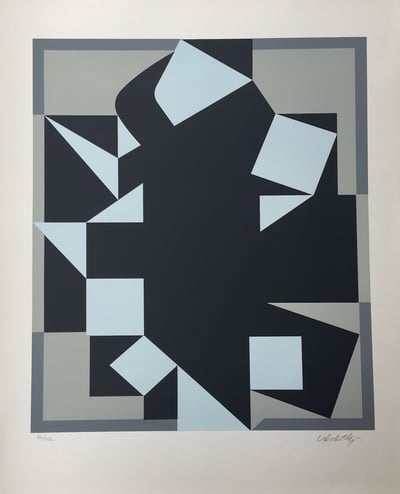
Victor Vasarely
Orgovan, 1984
Limited Edition Print
Screen-print
EUR 1,250
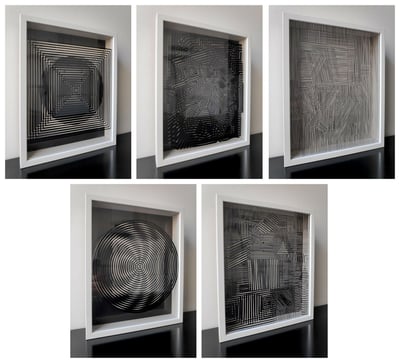
Victor Vasarely
Cinetiques portfolio, 1973
Limited Edition Print
Serigraph
EUR 1,300
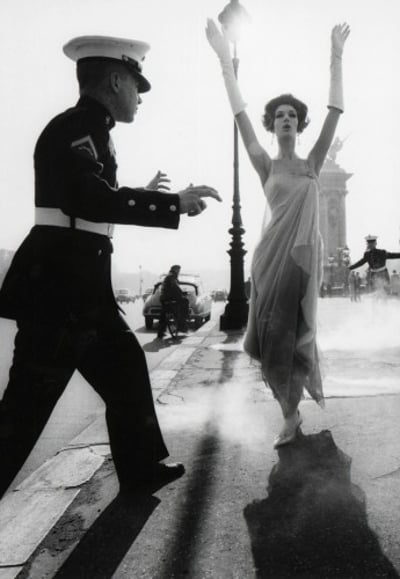
William Klein
Simone + Marines, 1960
Photography
Photograph
Currently Not Available
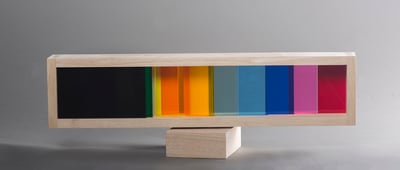
Yaacov Agam
Infinity transparency #3, 2017
Sculpture / Object
Mixed Media
EUR 3,700
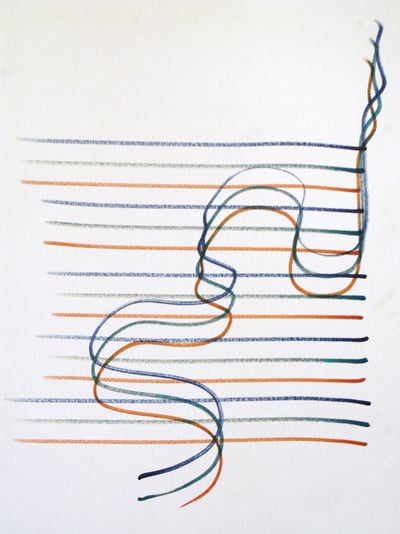
Yaacov Agam
Sketch #1b
Drawing / Watercolor
Pen and ink
USD 1,280
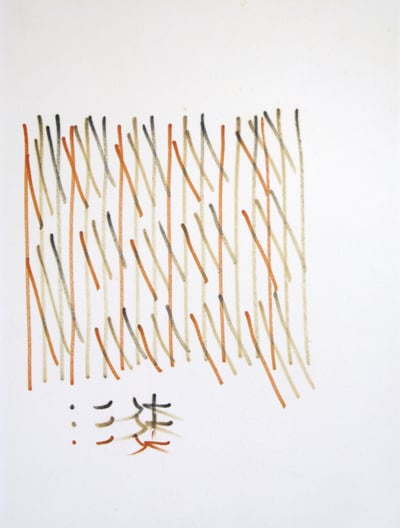
Yaacov Agam
Sketch #1
Drawing / Watercolor
Pen and ink
USD 1,280
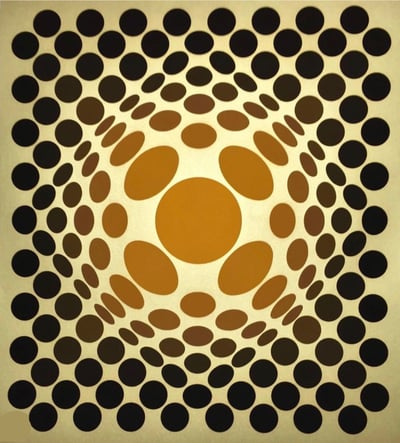
Victor Vasarely
Tewek, 1978
Limited Edition Print
Silkscreen
USD 1,850
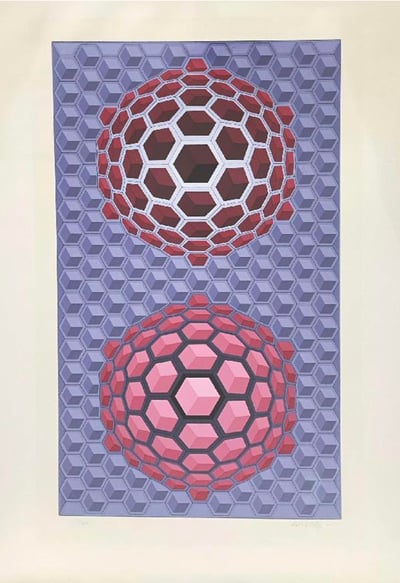
Victor Vasarely
Purple long, 1977
Limited Edition Print
Silkscreen
USD 1,700
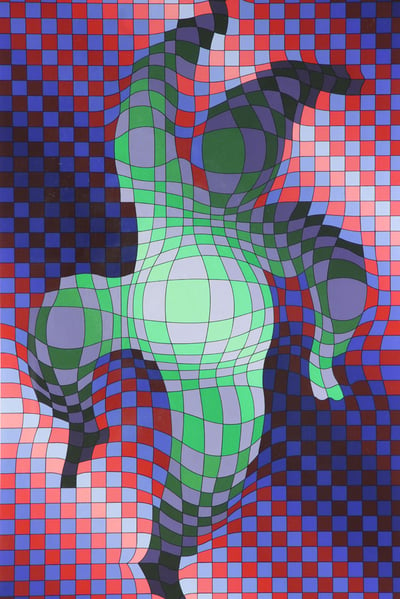
Victor Vasarely
Harlequin
Limited Edition Print
Silkscreen
USD 2,300
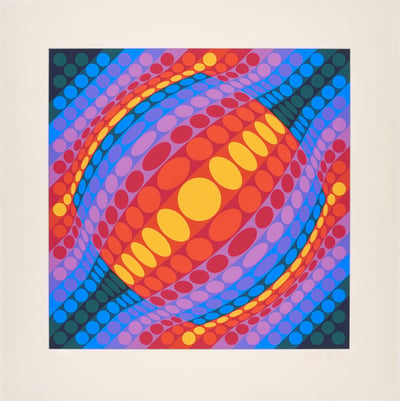
Victor Vasarely
Planeta, 1972
Limited Edition Print
Silkscreen
USD 1,900
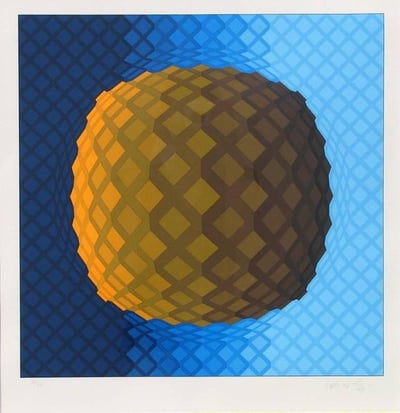
Victor Vasarely
Koskota, 1976
Limited Edition Print
Silkscreen
USD 1,550
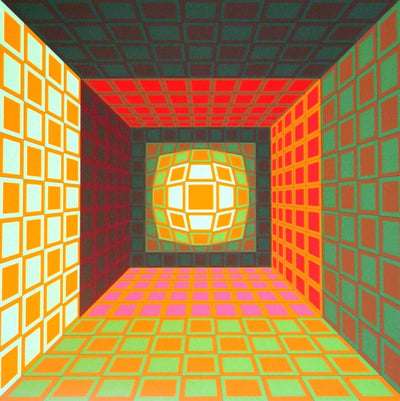
Victor Vasarely
Kaldor, 1980
Limited Edition Print
Silkscreen
USD 1,900
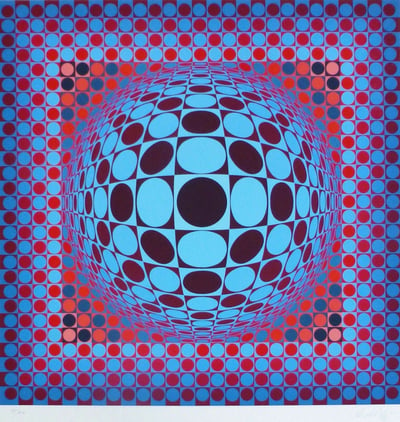
Victor Vasarely
Hang, 1979
Limited Edition Print
Silkscreen
USD 1,550
Related Articles

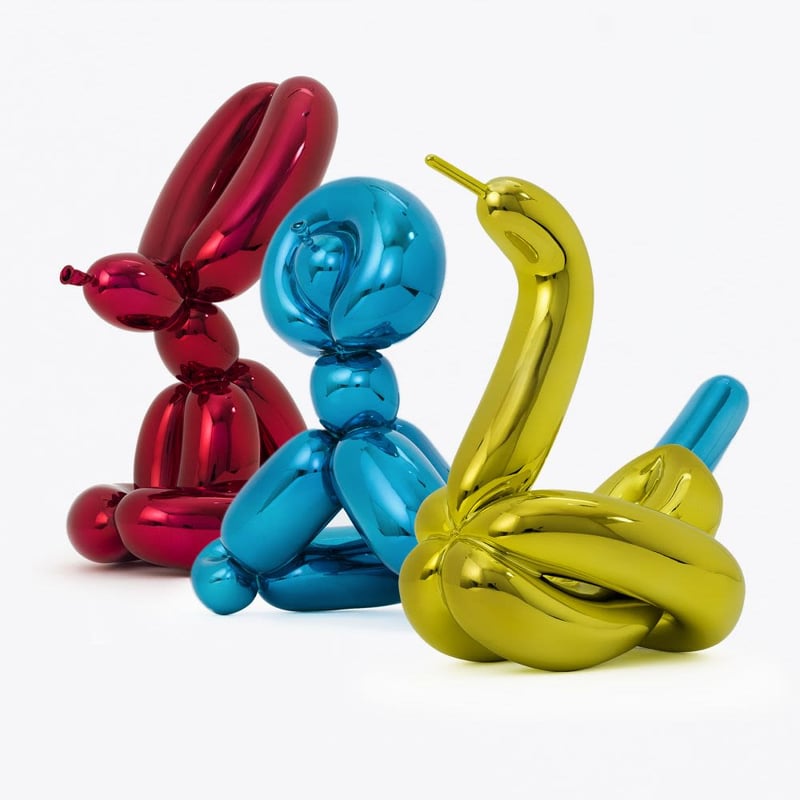
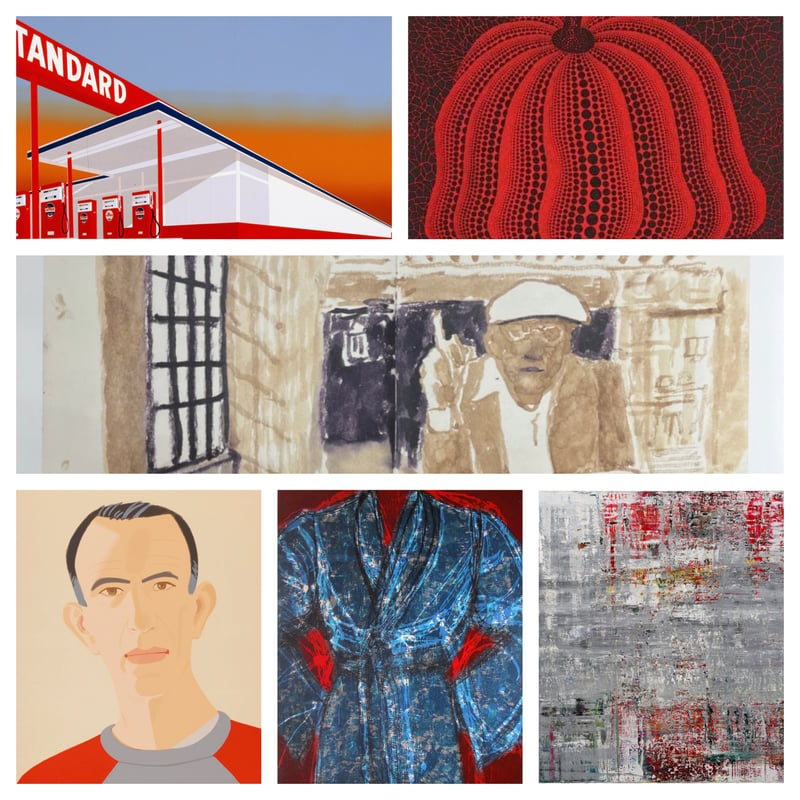

Contemporary art refers to avant-garde or innovative art created in the recent past or present day. The exact starting point of contemporary art varies depending on the institution, often tied to the founding year of museums or galleries that showcase the style. Contemporary art is characterized by its focus on current ideas, diverse media, and the exploration of new concepts and techniques.
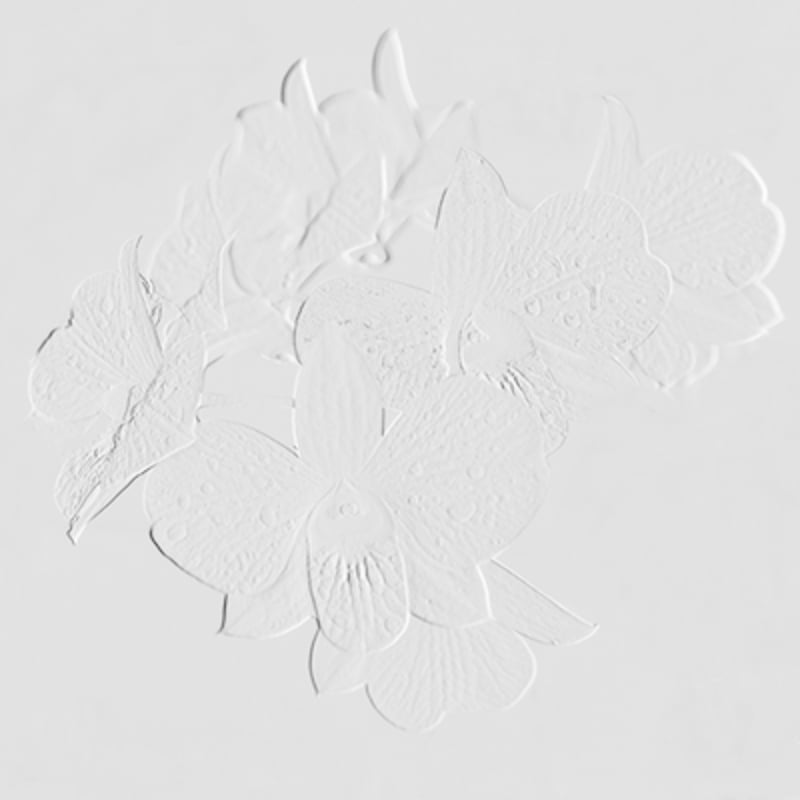
Embossing is a technique used to create raised designs or images on a surface, typically paper. Artists achieve this effect by altering the shape of the paper, often by pressing it from the reverse side using a template and a tool like a sanded dowel. The result is a design with multiple levels of depth, giving a three-dimensional appearance.

Appropriation in art involves using pre-existing images or objects with little or no modification. This technique has played a significant role across various art forms, including visual arts, music, performance, and literature. In visual arts, appropriation refers to the practice of adopting, sampling, recycling, or borrowing elements—or even entire forms—of existing visual culture, integrating them into new works to create meaning or critique.
Can't find your Answer?
Thank you! Your question has been sent — we'll get back to you shortly.
