
What is Hard Edge Art?
- Show All
- Established
- Discoveries
- Show All
Artworks Related to Hard Edge art

Donald Sultan
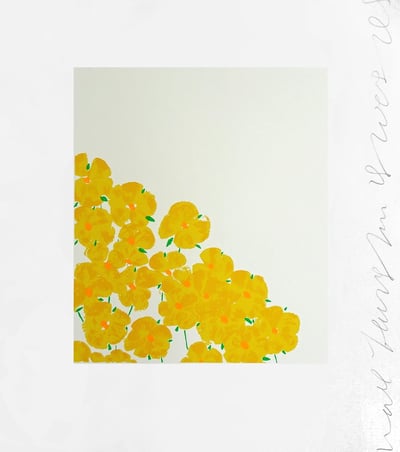
Wall flower 8, 2008
Limited Edition Print
Screen-print
USD 2,000
Donald Sultan
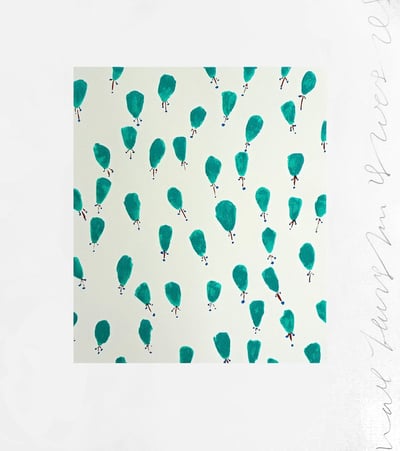
Wall flower 7, 2008
Limited Edition Print
Screen-print
USD 2,000
Donald Sultan
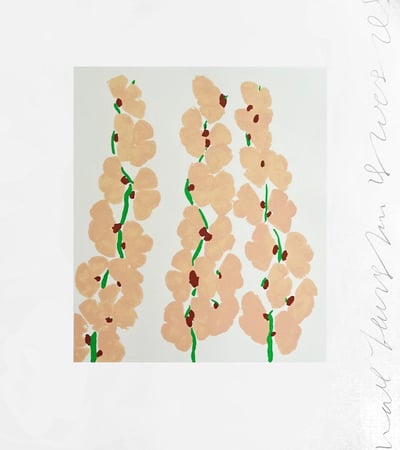
Wall flower 4, 2008
Limited Edition Print
Screen-print
USD 2,000
Donald Sultan
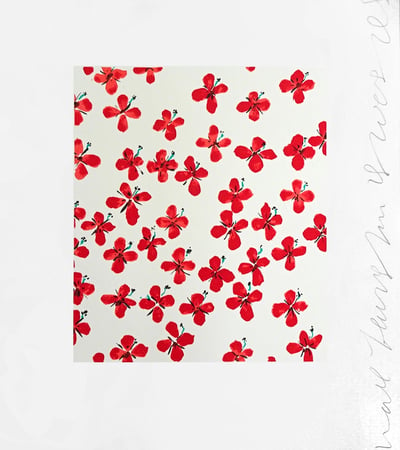
Wall flower 3, 2008
Limited Edition Print
Screen-print
USD 2,000
Donald Sultan
Wall flower 2, 2008
Limited Edition Print
Screen-print
USD 2,000

Donald Sultan
Wall flower 1, 2008
Limited Edition Print
Screen-print
USD 2,000
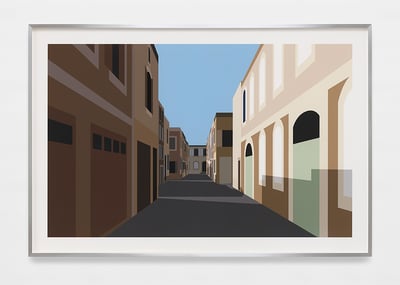
Julian Opie
French Village 3, 2021
Limited Edition Print
Inkjet print
USD 12,000
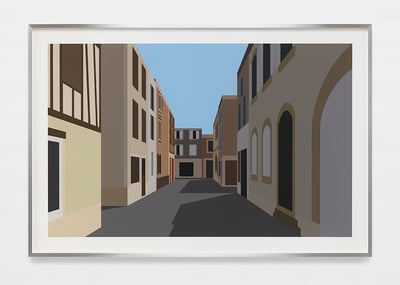
Julian Opie
French Village 2, 2021
Limited Edition Print
Inkjet print
USD 12,000

Donald Sultan
Five Lemons a Pear and an Egg, 1994
Limited Edition Print
Serigraph
USD 1,400

KAWS
Separated, 2021
Limited Edition Print
Lithograph
USD 9,200

Donald Sultan
Two Pears A Lemon and an Egg, 1994
Limited Edition Print
Serigraph
USD 900
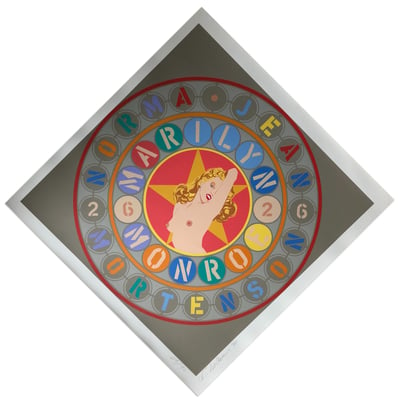
Robert Indiana
Metamorphosis of Norma Jean, 1998
Limited Edition Print
Screen-print
USD 10,150

Frank Stella
Double grey scramble (AXSOM 93), 1973
Limited Edition Print
Screen-print
Currently Not Available
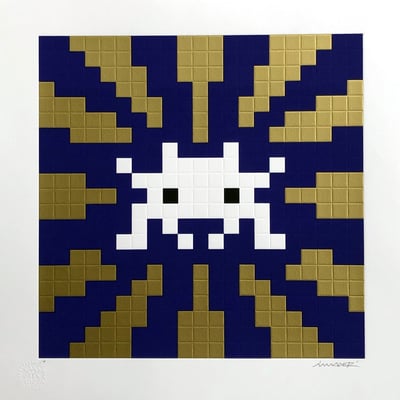
Invader
Sunset (Gold & Blue), 2018
Limited Edition Print
Screen-print
Currently Not Available

Kara Walker
Snared, 2013
Limited Edition Print
Lithograph
Currently Not Available
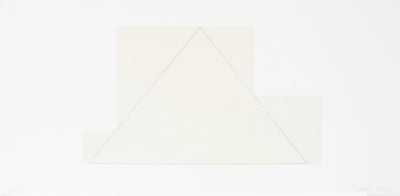
Robert Mangold
Untitled 2 ( from A Book of Silk Screen Prints), 1992
Limited Edition Print
Serigraph
USD 1,100
Related Articles

CoBrA stands for Copenhagen, Brussels, and Amsterdam; the group was formed with a desire to break away from the existing art movements of the time. Their critique of Western society led them to experiment and evolve into a significant international movement. CoBrA was founded on November 8, 1948, at the Notre Dame Café in Paris, where its manifesto was signed by Karel Appel, Joseph Noiret, Corneille, Christian Dotremont, Constant, and Asger Jorn. The group was united by a shared commitment to freedom in both form and color, and their work emphasized experimentation and spontaneity.
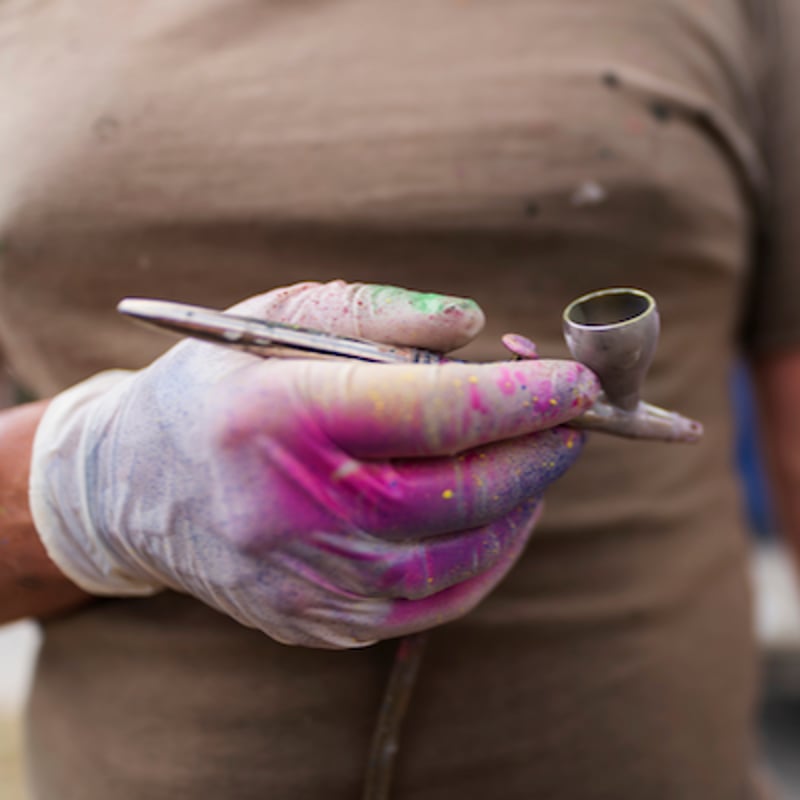
An airbrush is a device that sprays various media, including paint and ink, using compressed air. Artists use airbrushes to create a smooth, even application of color, often achieving effects that are not possible with traditional brushes. James Rosenquist, an American Pop artist, regularly used an airbrush in his work. Before gaining fame with pieces like the iconic F-111 (1965), he worked as a commercial and industrial painter, where he honed his airbrush skills.
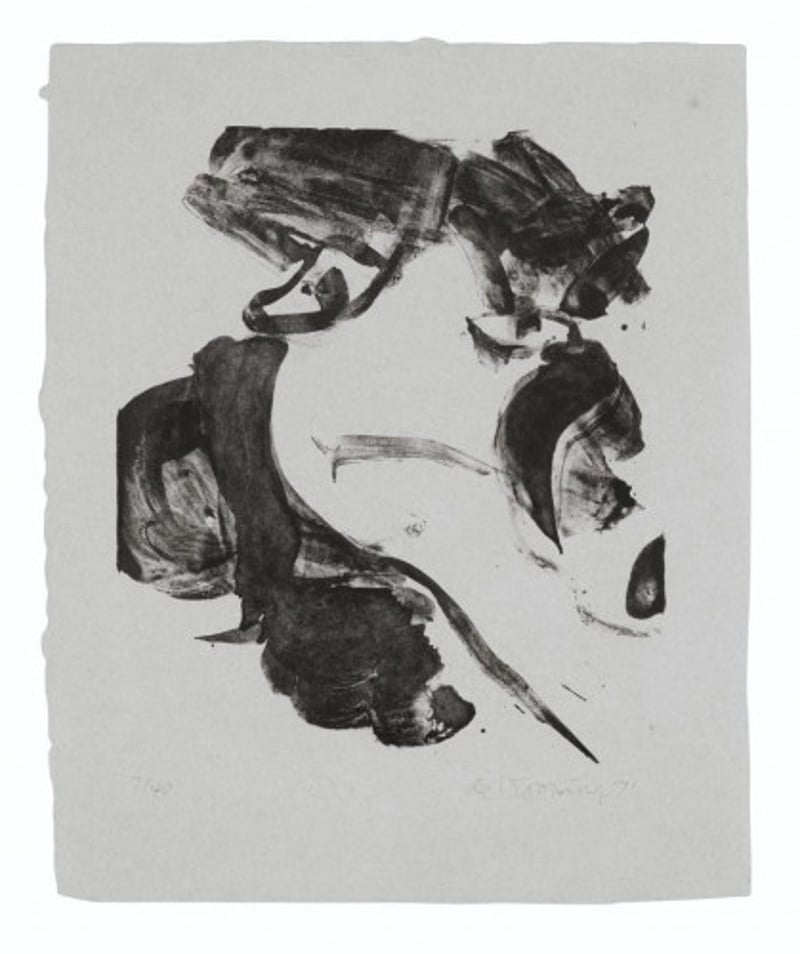
Gestural art is a term that describes painting with freely sweeping brushstrokes. The primary goal of gestural art is to allow the artist to physically express emotional impulses. The varied, yet expressive paint marks are intended to convey the artist's inner thoughts and emotions, which viewers are believed to understand through the dynamic and spontaneous application of paint.
Can't find your Answer?
Thank you! Your question has been sent — we'll get back to you shortly.
