
What is Comic Strip Art?
- Show All
- Established
- Discoveries
- Show All
Artworks Related to Comic Strip art
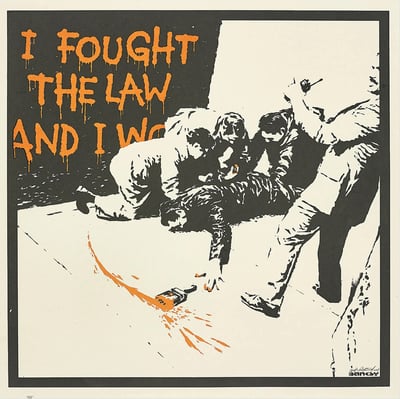
Banksy
I Fought The Law, 2004
Limited Edition Print
Screen-print
Inquire For Price
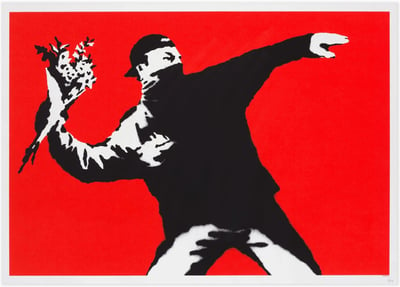
Banksy
Love Is In The Air (Unsigned), 2003
Limited Edition Print
Screen-print
Inquire For Price
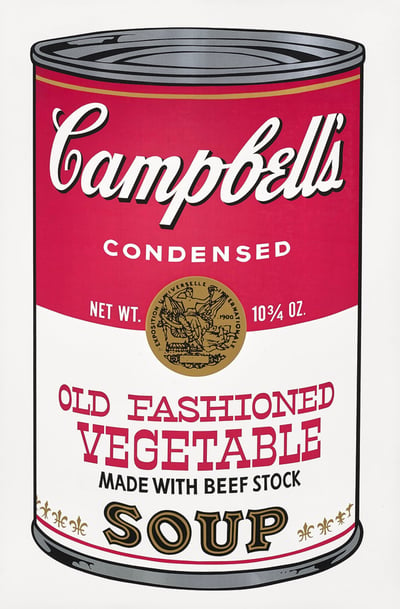
Andy Warhol
Old Fashioned Vegetable from Campbell's Soup II (F.&S.54), 1969
Limited Edition Print
Screen-print
GBP 60,000 - 70,000
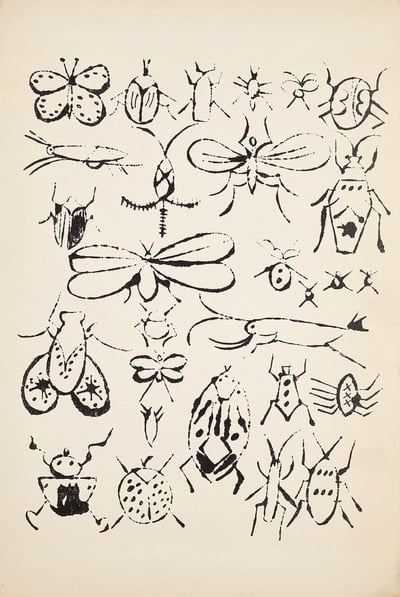
Andy Warhol
Happy Bug Day, 1955
Limited Edition Print
Lithograph
GBP 6,500 - 8,400
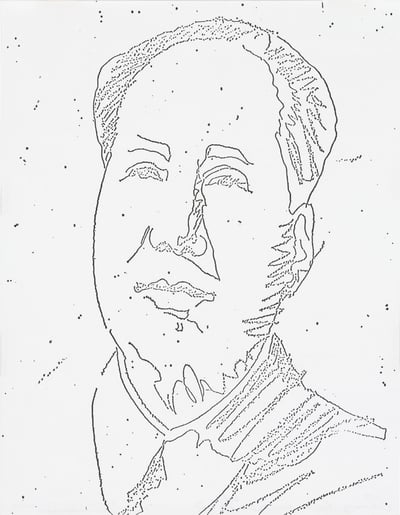
Andy Warhol
Untitled (Mao) from The New York Collection for Stockholm, 1973
Limited Edition Print
Mixed Media
GBP 20,000 - 26,000
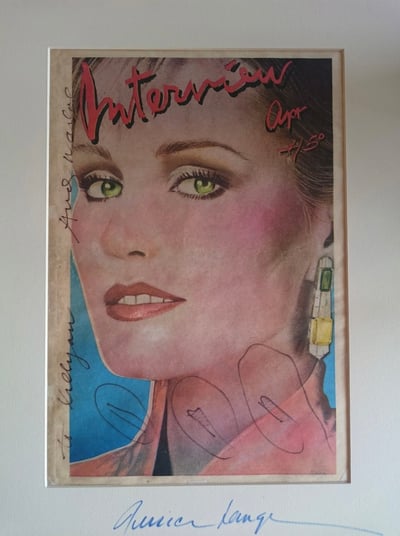
Andy Warhol
Jessica Lange, 1979
Drawing / Watercolor
Mixed Media
EUR 15,000
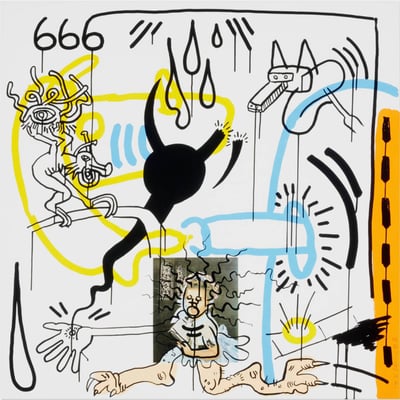
Keith Haring
Apocalypse VIII, 1988
Limited Edition Print
Silkscreen
EUR 22,350
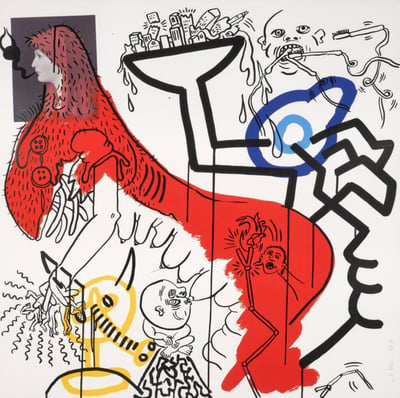
Keith Haring
Apocalypse IV, 1988
Limited Edition Print
Silkscreen
EUR 22,350
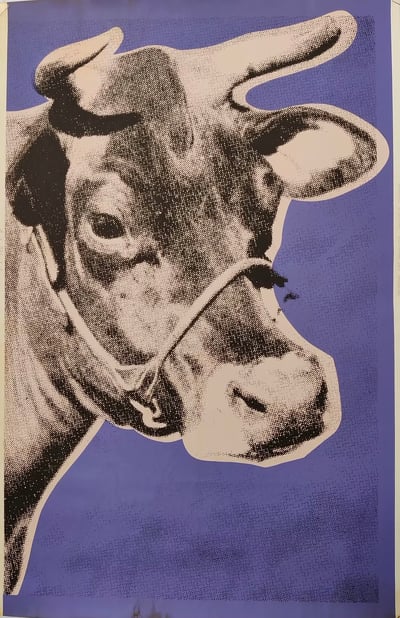
Andy Warhol
Cow, II.12A, 1971
Limited Edition Print
Silkscreen
USD 9,350
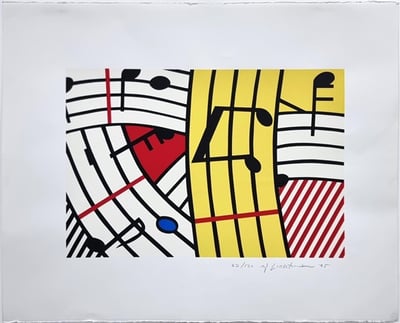
Roy Lichtenstein
Composition IV, 1995
Limited Edition Print
Screen-print
Inquire For Price
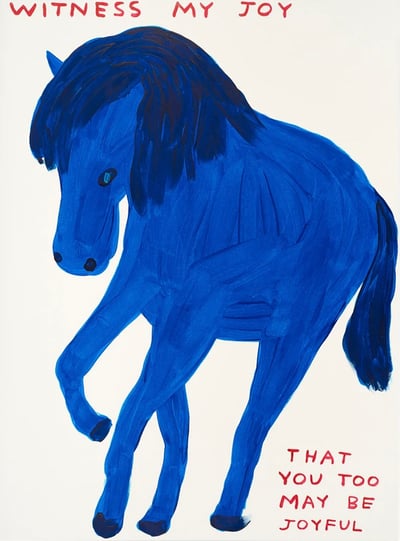
David Shrigley
Witness My Joy, 2022
Limited Edition Print
Screen-print
USD 3,800
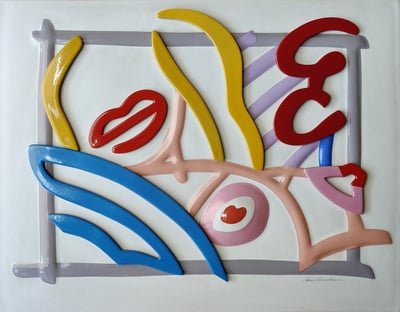
Tom Wesselmann
Bedroom Blonde, 1987
Sculpture / Object
Porcelain
USD 18,900
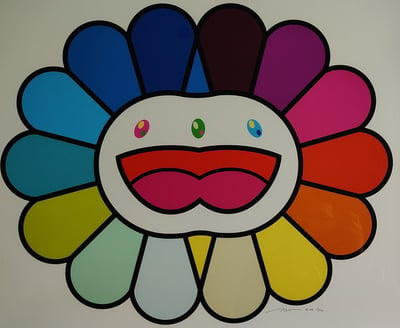
Takashi Murakami
Multicolor Double Face: White, 2020
Limited Edition Print
Silkscreen
USD 2,250
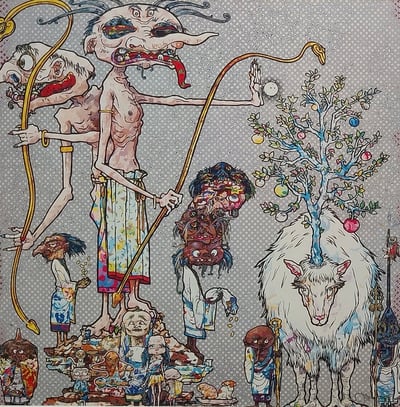
Takashi Murakami
Assignation of a Spirit, 2015
Limited Edition Print
Offset Print
USD 2,250
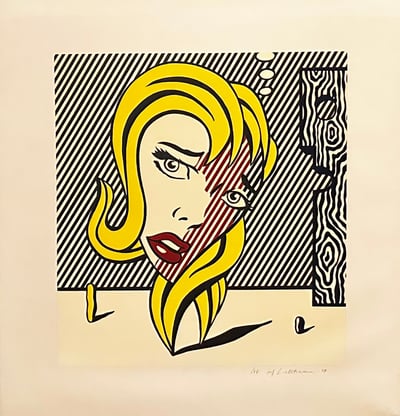
Roy Lichtenstein
Blonde, 1978
Limited Edition Print
Lithograph
USD 70,000 - 80,000
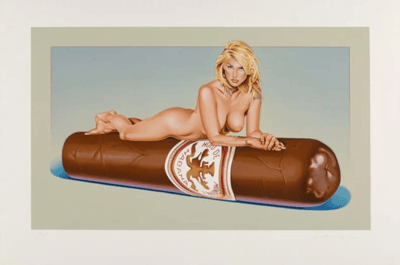
Mel Ramos
Hav a Havanna #7, 2008
Limited Edition Print
Lithograph
Inquire For Price
Related Articles
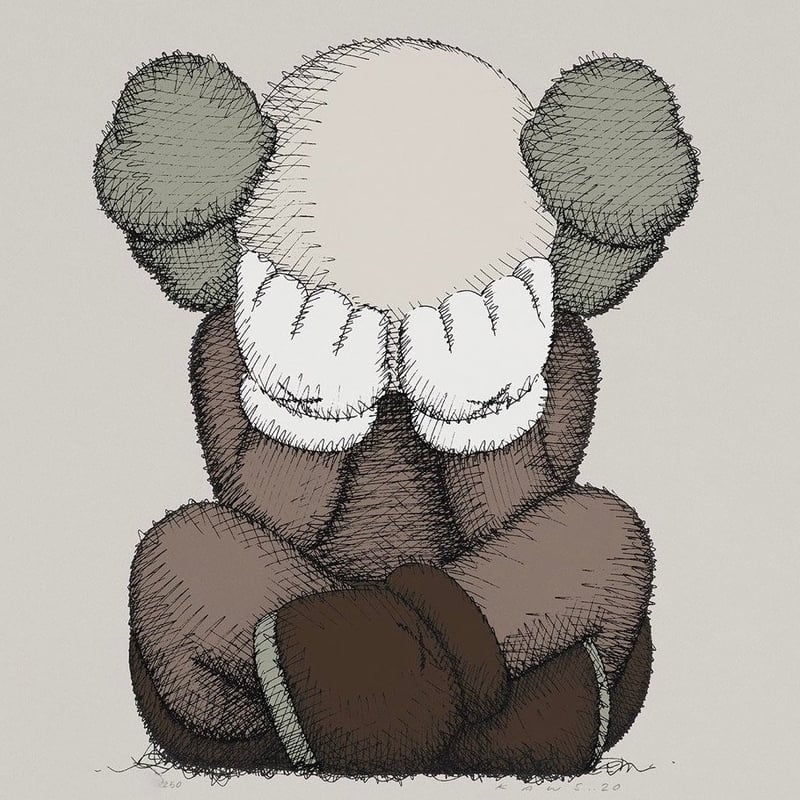
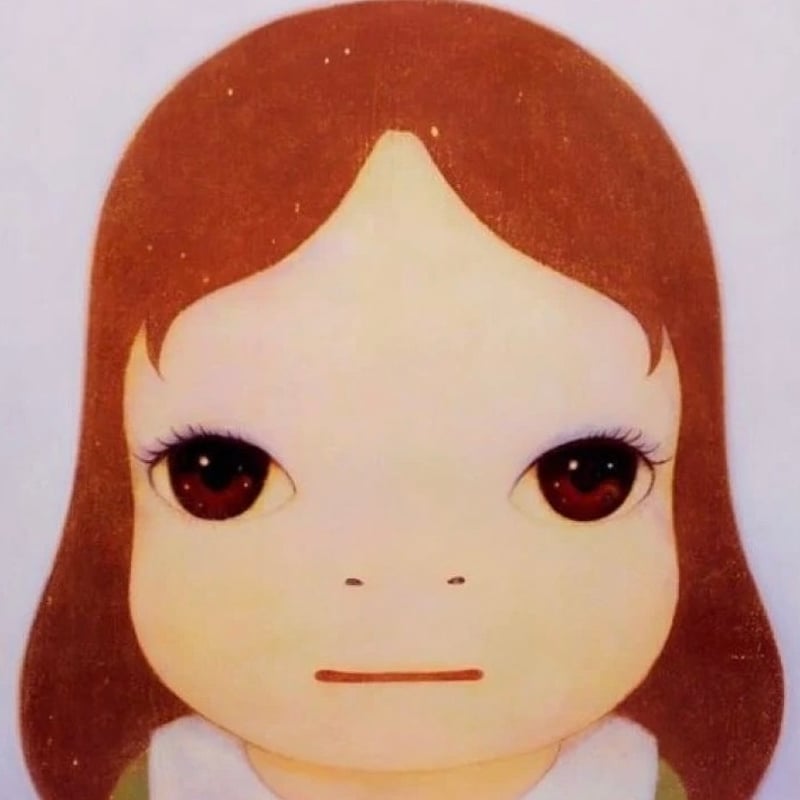

A curator is a professional responsible for managing and overseeing a collection of art pieces or artifacts. Employed by a gallery or museum, curators use their expertise to acquire, develop, display, and care for the collection. They also organize exhibitions and ensure that the collection is accessible to the public.
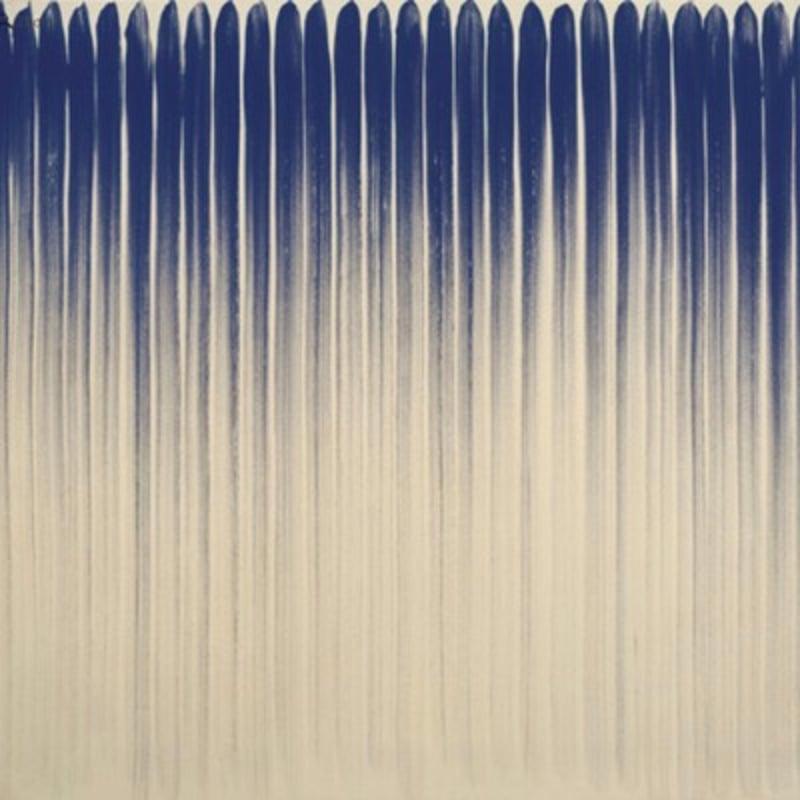
Meaning School of Things, Mono-ha originated in Tokyo in the mid-1960s. Instead of creating traditional artwork, the artists of Mono-ha used different materials and their natural properties to express dismay at the industrialization taking place in Japan at the time. The movement gained international attention and is now a widely respected form of art, known for its emphasis on the relationship between materials and their environment.
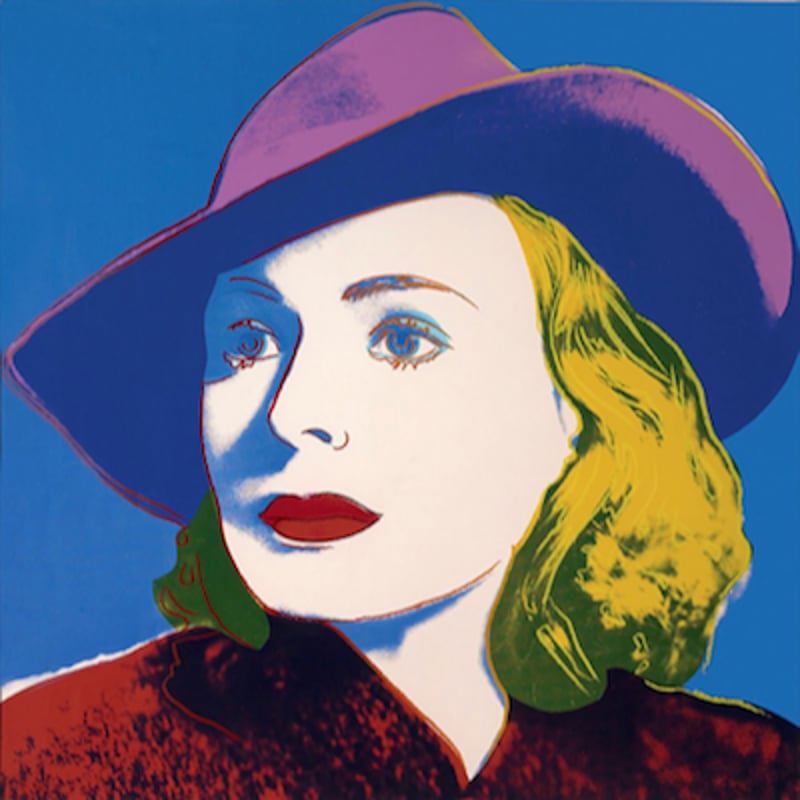
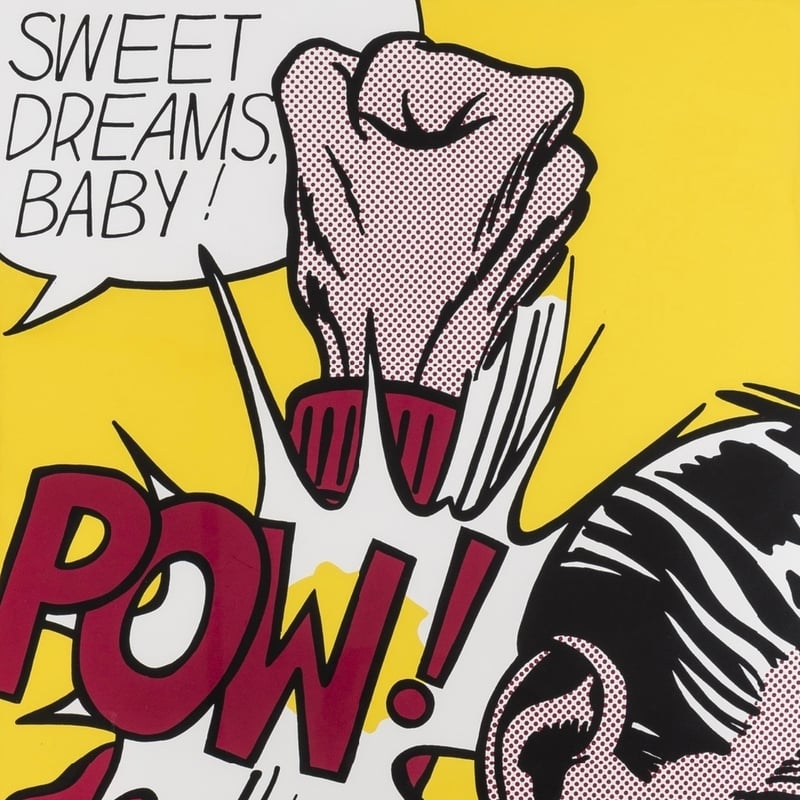
Pop Art is an art movement that began in Britain in 1955 and in the late 1950s in the U.S. It challenged traditional fine arts by incorporating imagery from popular culture, such as news, advertising, and comic books. Pop Art often isolates and recontextualizes materials, combining them with unrelated elements. The movement is more about the attitudes and ideas that inspired it than the specific art itself. Pop Art is seen as a reaction against the dominant ideas of Abstract Expressionism, bringing everyday consumer culture into the realm of fine art.
Can't find your Answer?
Thank you! Your question has been sent — we'll get back to you shortly.
