
What is Comic Strip Art?
- Show All
- Established
- Discoveries
- Show All
Artworks Related to Comic Strip art
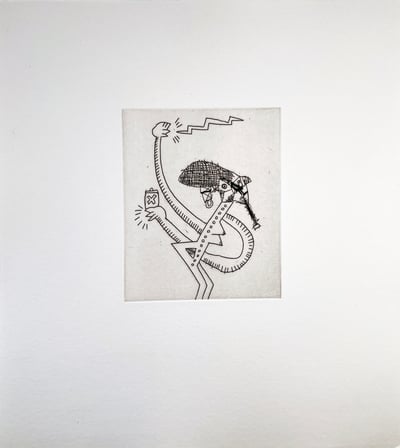
Keith Haring
Untitled (w/ Sean Kalish) #9, 1989
Limited Edition Print
Etching
USD 3,600
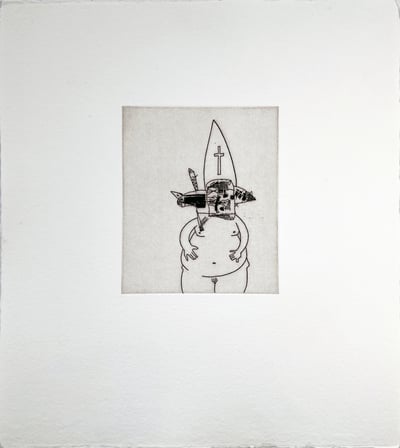
Keith Haring
Untitled (w/ Sean Kalish) #7, 1989
Limited Edition Print
Etching
USD 3,600
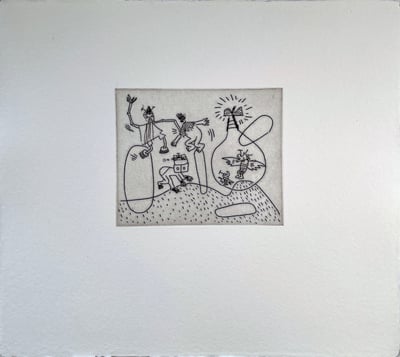
Keith Haring
Untitled (w/ Sean Kalish) #11, 1989
Limited Edition Print
Etching
USD 3,600
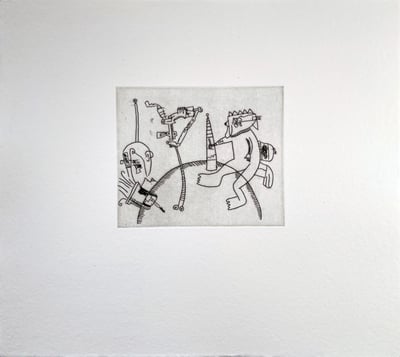
Keith Haring
Untitled (w/ Sean Kalish) #10, 1989
Limited Edition Print
Etching
USD 3,600
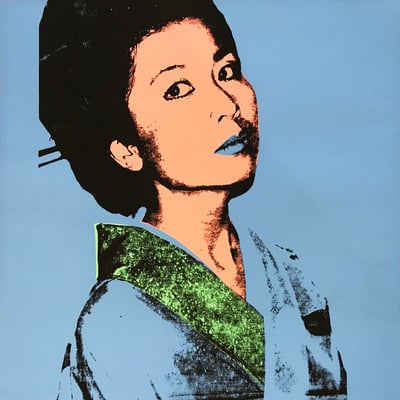
Andy Warhol
Kimiko, II.237, 1981
Limited Edition Print
Screen-print
Inquire For Price

Andy Warhol
Orchids, 1983
Limited Edition Print
Screen-print
Inquire For Price
Andy Warhol
Private Listing
Limited Edition Print
Andy Warhol
Private Listing
Limited Edition Print
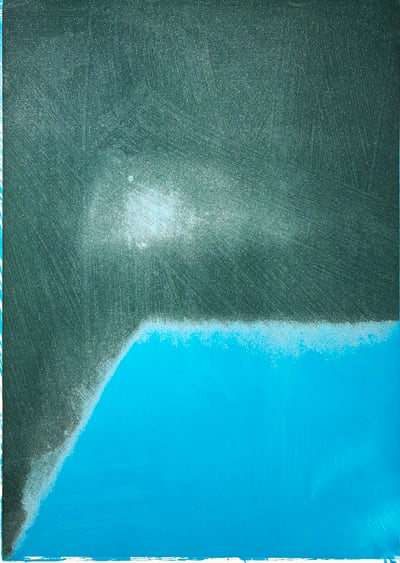
Andy Warhol
Shadows I, II.208 , 1979
Limited Edition Print
Screen-print
Inquire For Price
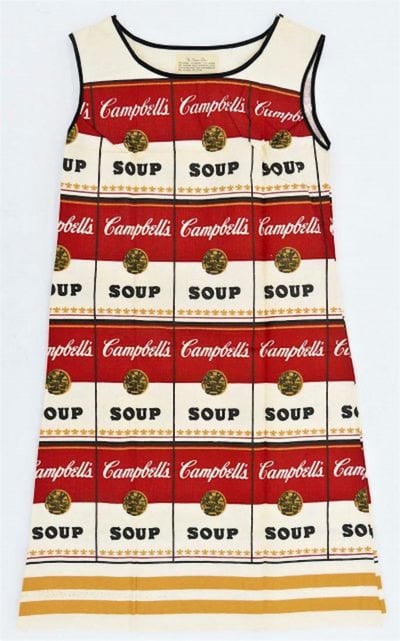
Andy Warhol
The Souper Dress, 1965
Limited Edition Print
Silkscreen
EUR 4,800
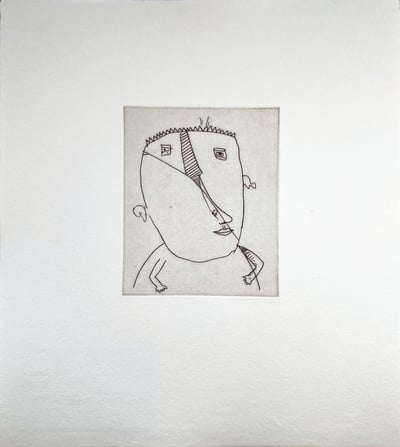
Keith Haring
Untitled (w/ Sean Kalish) #6, 1989
Limited Edition Print
Etching
USD 3,600
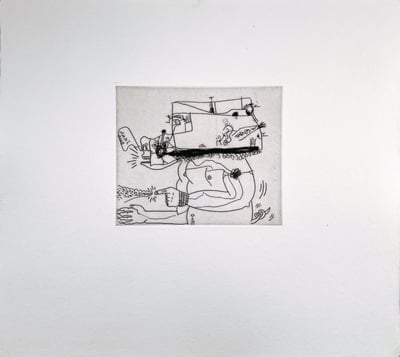
Keith Haring
Untitled (w/ Sean Kalish) #5, 1989
Limited Edition Print
Etching
USD 3,600
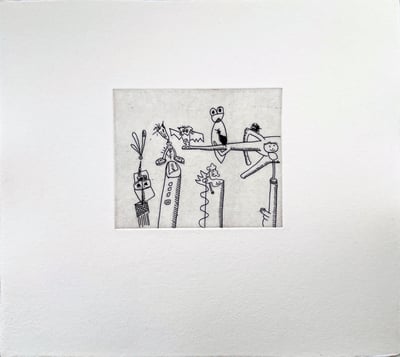
Keith Haring
Untitled (w/ Sean Kalish) #4, 1989
Limited Edition Print
Etching
USD 3,600
Andy Warhol
Private Listing
Limited Edition Print
Andy Warhol
Private Listing
Drawing / Watercolor
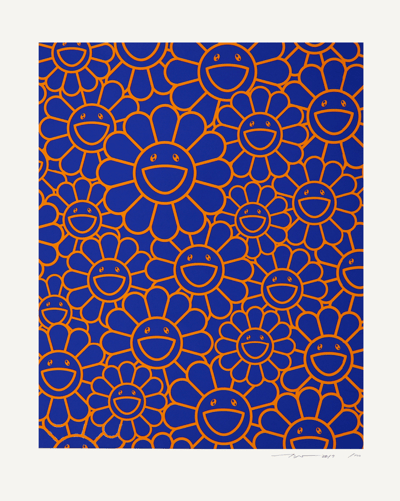
Takashi Murakami
August Joy Silkscreen (Orange Blue Flowers), 2019
Limited Edition Print
Silkscreen
USD 3,000
Related Articles
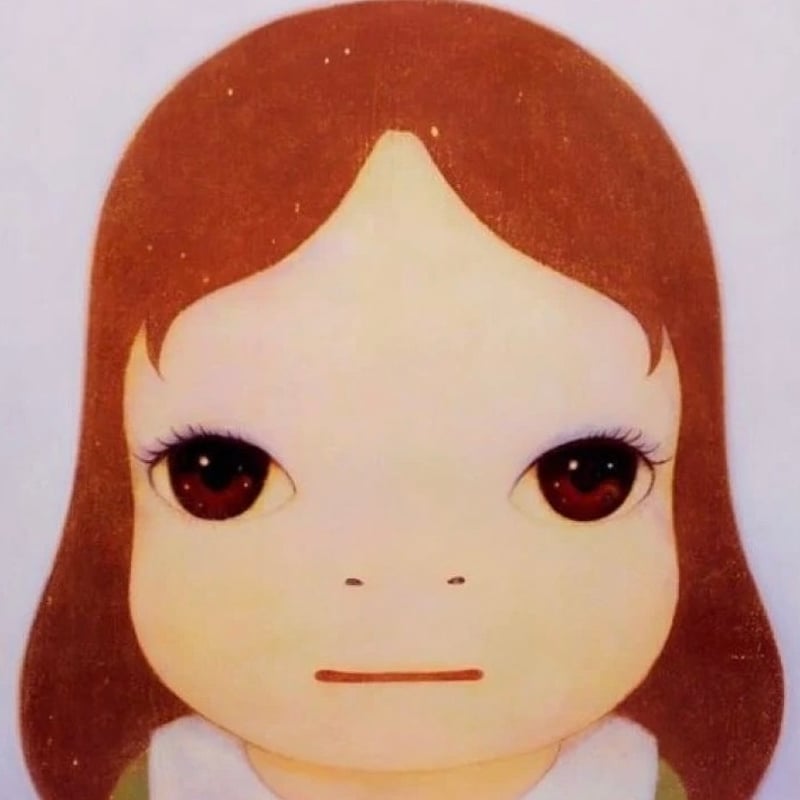
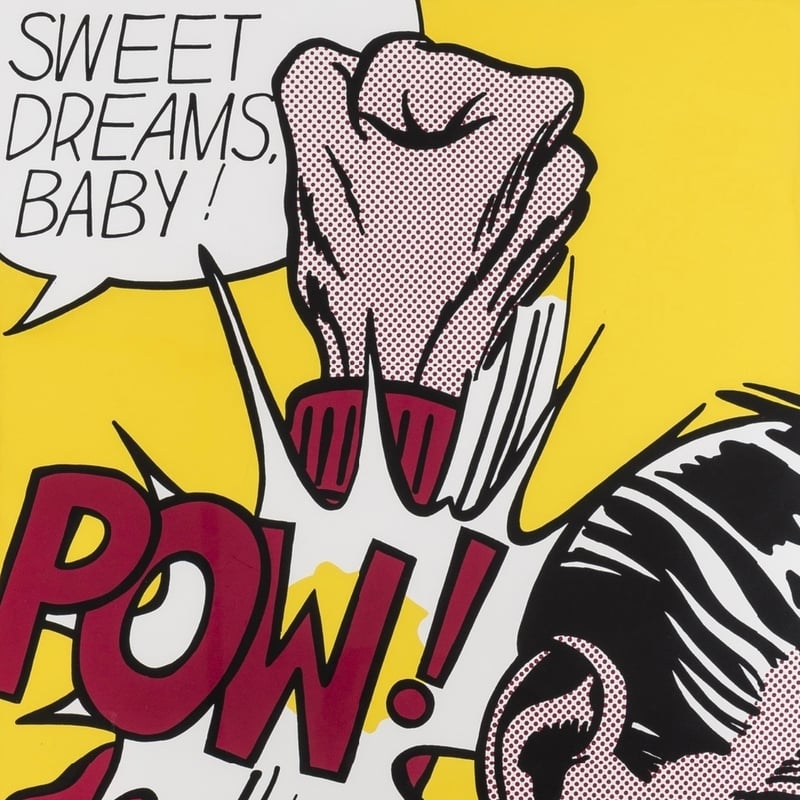
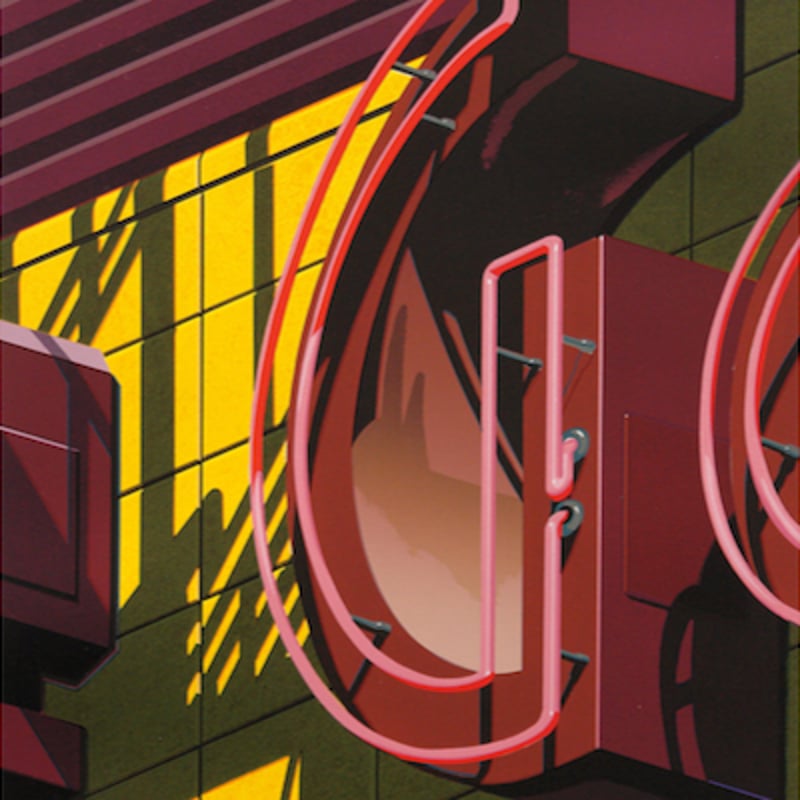
Hyperrealism is a genre of sculpture and painting that closely resembles high-resolution photographs. It is an evolution of Photorealism and is often applied to an independent art style or movement that became prominent in Europe and the United States in the early 2000s. Hyperrealist artists focus on extreme detail and precision, creating works that are often indistinguishable from real-life images.
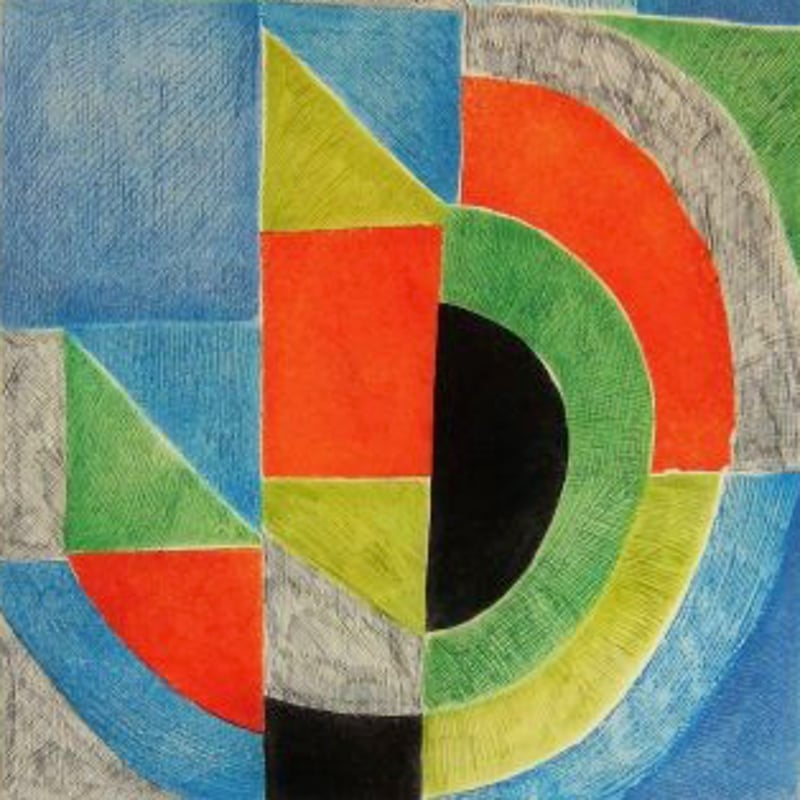
Réalités Nouvelles means new realities and refers to an exhibiting society founded in 1939 in Paris by Sonia Delaunay. The Salon des Réalités Nouvelles was dedicated to promoting abstract art, which it considered to be a new reality because it does not imitate the existing physical world. The movement emphasized that abstract art creates its own reality, independent of the external world, and played a significant role in the development and recognition of abstract art in the mid-20th century.
EAT (Experiments in Art and Technology) was a movement formed to foster collaborations between engineers and artists. It facilitated direct, person-to-person connections between these two groups. The movement was originally launched in 1967 by artists Robert Whitman and Robert Rauschenberg, along with engineers Fred Waldhauer and Billy Klüver. EAT carried out various projects and activities that expanded the role of artists in contemporary society, encouraging the integration of art and technology.
Can't find your Answer?
Thank you! Your question has been sent — we'll get back to you shortly.
