
What is Comic Strip Art?
- Show All
- Established
- Discoveries
- Show All
Artworks Related to Comic Strip art
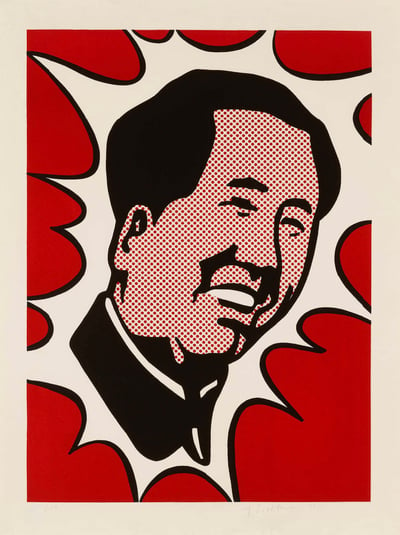
Roy Lichtenstein
Mao, 1971
Limited Edition Print
Lithograph
Artwork On Hold
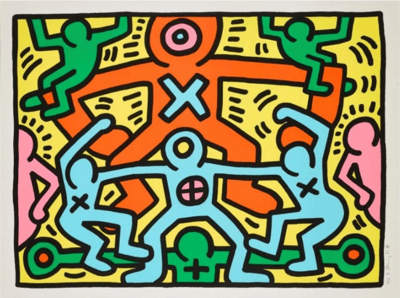
Keith Haring
Untitled (Littmann p. 50), 1985
Limited Edition Print
Screen-print
Inquire For Price
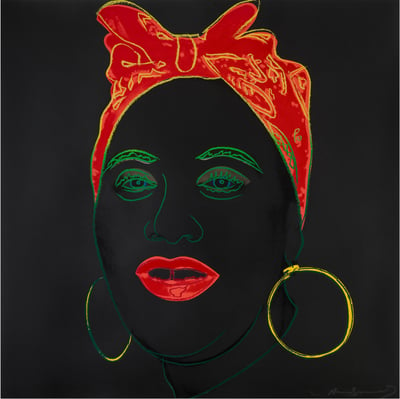
Andy Warhol
Myths: Mammy, II.262, 1981
Limited Edition Print
Screen-print
USD 35,000 - 40,000
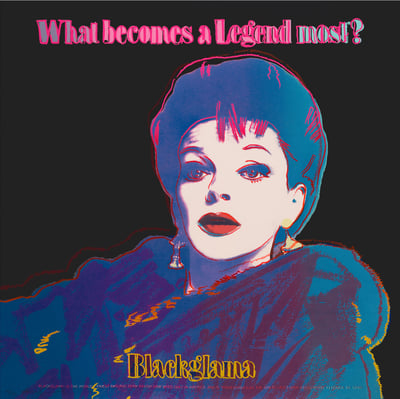
Andy Warhol
Blackglama (Judy Garland), 1985
Limited Edition Print
Screen-print
USD 35,000 - 40,000
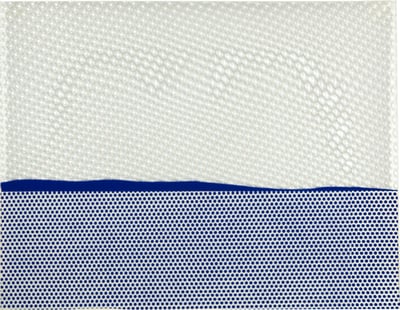
Roy Lichtenstein
Seascape No 1, 1964
Limited Edition Print
Screen-print
USD 42,000
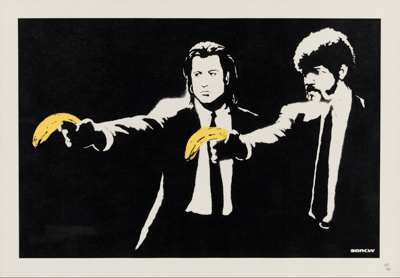
Banksy
Pulp Fiction, 2004
Limited Edition Print
Screen-print
Inquire For Price
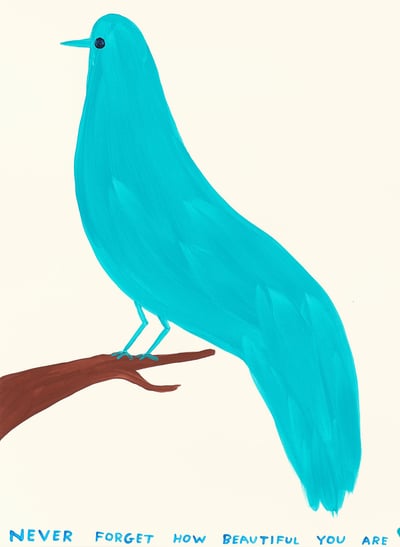
David Shrigley
Never Forget How Beautiful You Are, 2025
Drawing / Watercolor
Acrylic on paper
GBP 5,500 - 7,100
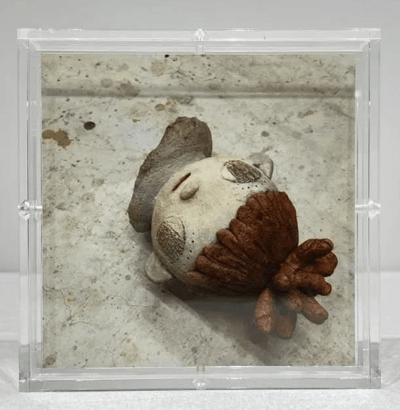
Yoshitomo Nara
Days 2014-2018: Sixteen springs and sixteen summers gone-Take your time, it won’t be long now, 2018
Sculpture / Object
Mixed Media
EUR 3,500 - 5,000
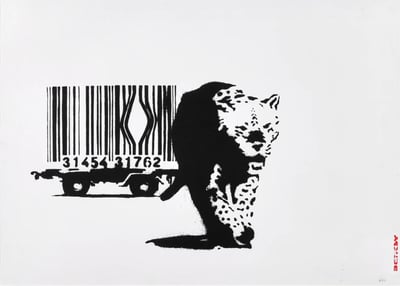
Banksy
Barcode (unsigned), 2004
Limited Edition Print
Screen-print
EUR 25,000 - 30,000
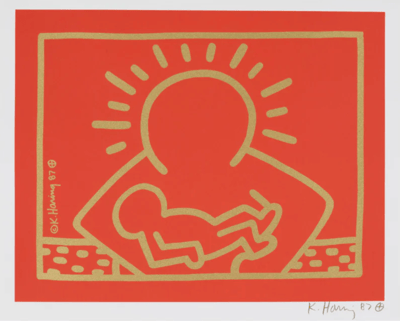
Keith Haring
A Very Special Christmas, 1987
Limited Edition Print
Screen-print
EUR 15,000 - 18,000

KAWS
BFF Blue (MoMA Exclusive), 2017
Sculpture / Object
Mixed Media
EUR 1,350
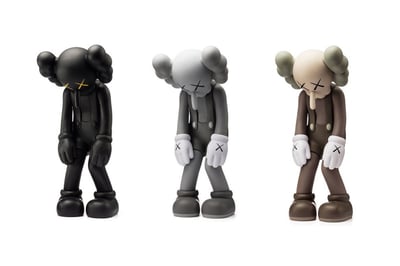
KAWS
Small Lies, 2017
Sculpture / Object
Mixed Media
EUR 2,400
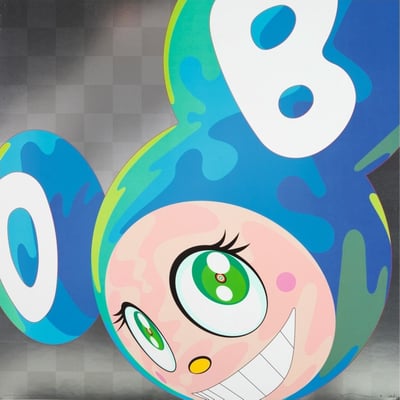
Takashi Murakami
Melting DOB (A), 2008
Limited Edition Print
Offset Print
EUR 3,000
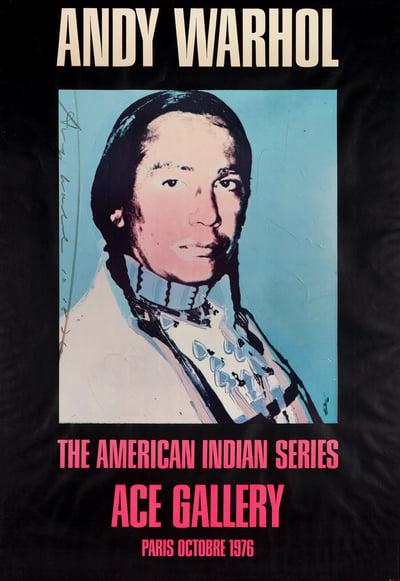
Andy Warhol
American Indian (Black), 1976
Limited Edition Print
Offset Print
USD 2,400
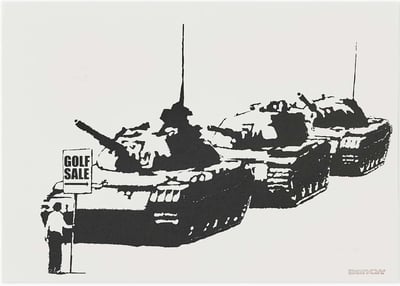
Banksy
Golf Sale (Unsigned), 2003
Limited Edition Print
Screen-print
GBP 14,300
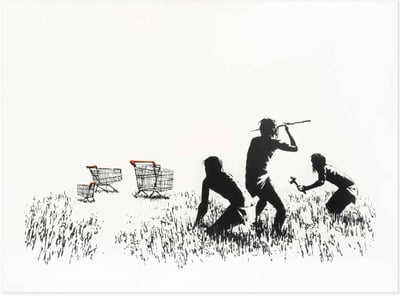
Banksy
Trolleys (Black & White Unsigned), 2007
Limited Edition Print
Screen-print
GBP 14,870
Related Articles

Also known as Dadaism, Dada was a literary and artistic movement that began in 1916 in Zurich, Switzerland. It emerged as a rejection of rationalism and nationalism, which were seen as contributing factors to World War I. The movement had political undertones and was strongly anti-war. Dada activities included demonstrations, gatherings, and the publication of literary and art journals that explored cultural and political topics.

Readymade is the term coined by French artist Marcel Duchamp to describe artworks created from manufactured objects. Duchamp selected ordinary, functional items that he felt had visual indifference, turning them into art simply by choosing and presenting them in a new context. This concept challenged traditional notions of art and continues to influence artists who adopt similar approaches today.
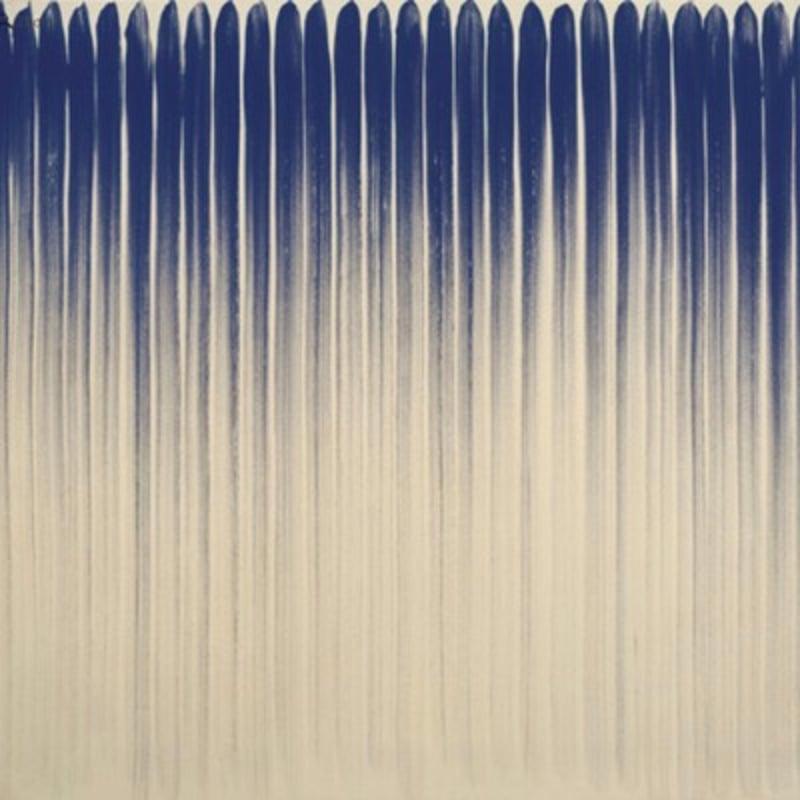
Meaning School of Things, Mono-ha originated in Tokyo in the mid-1960s. Instead of creating traditional artwork, the artists of Mono-ha used different materials and their natural properties to express dismay at the industrialization taking place in Japan at the time. The movement gained international attention and is now a widely respected form of art, known for its emphasis on the relationship between materials and their environment.
Can't find your Answer?
Thank you! Your question has been sent — we'll get back to you shortly.
