
What is Comic Strip Art?
- Show All
- Established
- Discoveries
- Show All
Artworks Related to Comic Strip art
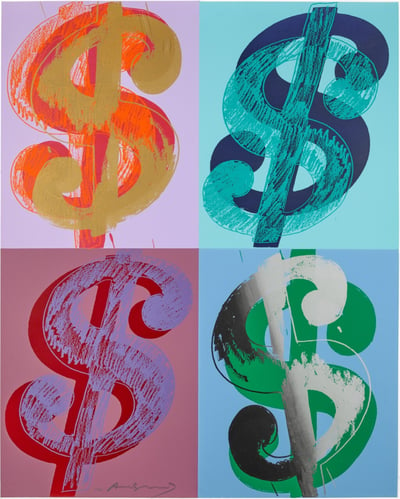
Andy Warhol
$ (Quadrant), II.283, 1982
Limited Edition Print
Screen-print
Inquire For Price
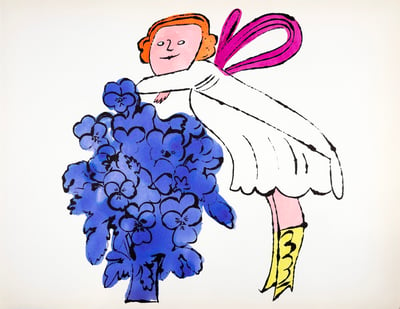
Andy Warhol
In The Bottom of my Garden IV.98A, CA.1956
Limited Edition Print
Lithograph
Inquire For Price
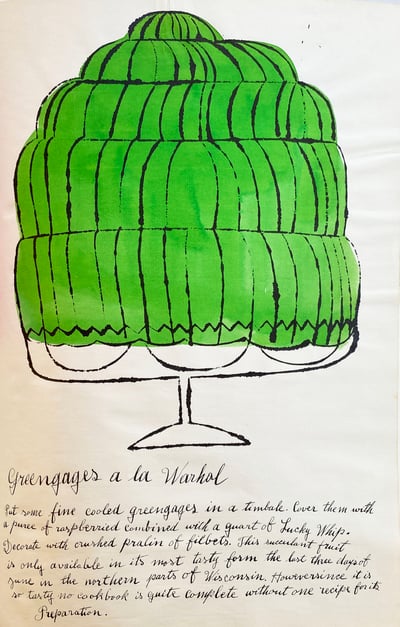
Andy Warhol
Wild Raspberries IV.143A, 1959
Limited Edition Print
Offset Print
Inquire For Price
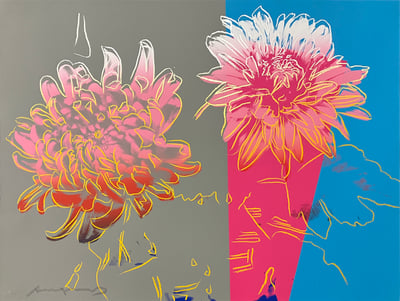
Andy Warhol
Kiku, II.308, 1983
Limited Edition Print
Screen-print
USD 40,000 - 50,000
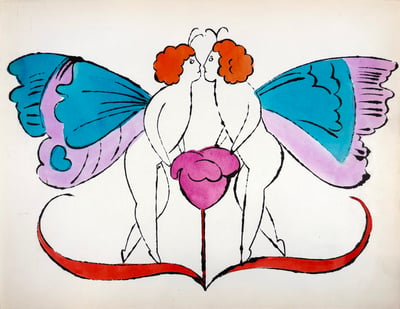
Andy Warhol
In The Bottom of my Garden IV.92A, CA. 1956
Limited Edition Print
Lithograph
Inquire For Price
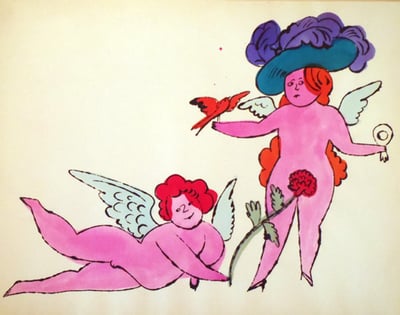
Andy Warhol
In The Bottom of my Garden IV.94A, CA. 1956
Limited Edition Print
Lithograph
Inquire For Price
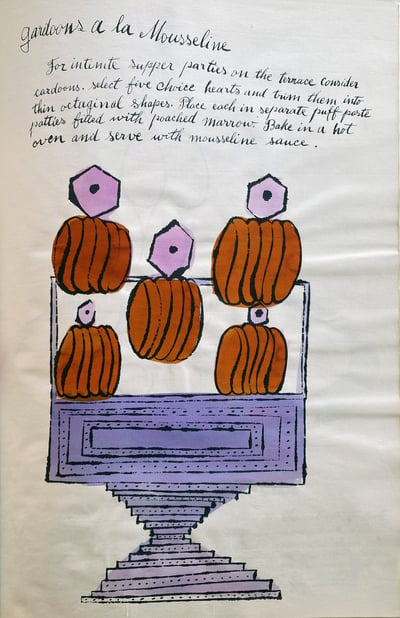
Andy Warhol
Wild Raspberries IV.140A, 1959
Limited Edition Print
Offset Print
USD 8,350
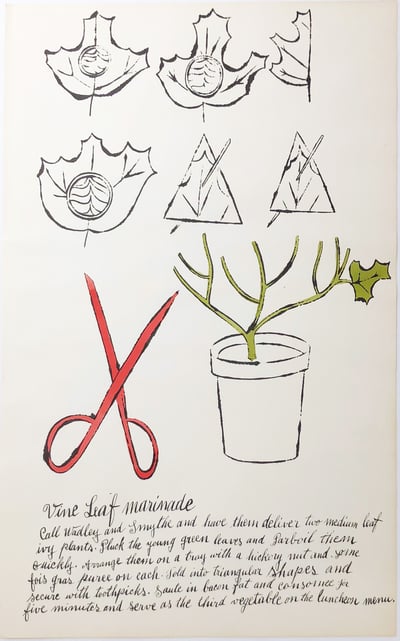
Andy Warhol
Wild Raspberries IV.141A, 1959
Limited Edition Print
Offset Print
USD 4,850
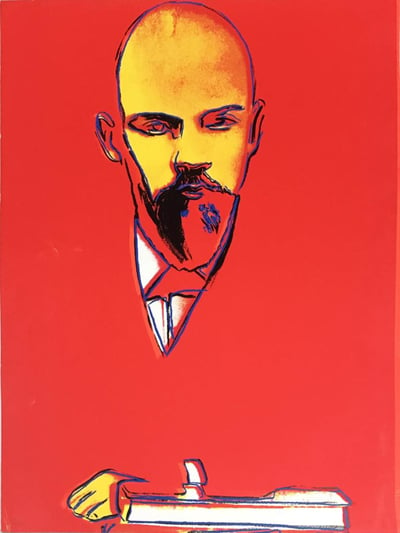
Andy Warhol
Lenin (Red) II.403, 1987
Limited Edition Print
Screen-print
USD 50,000 - 60,000

Andy Warhol
Wild Raspberries IV.134A, 1959
Limited Edition Print
Offset Print
USD 50,000 - 60,000
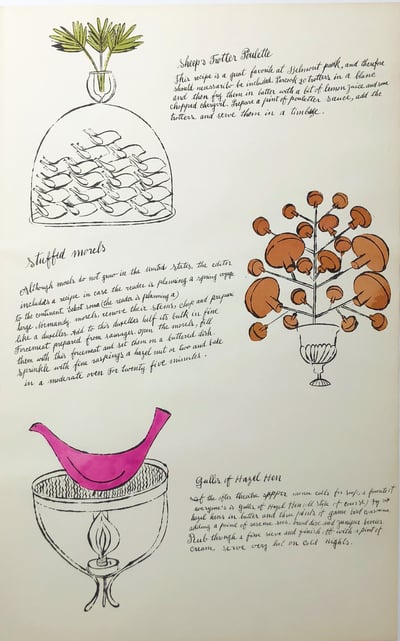
Andy Warhol
Wild Raspberries IV.142A, 1959
Limited Edition Print
Offset Print
USD 8,900
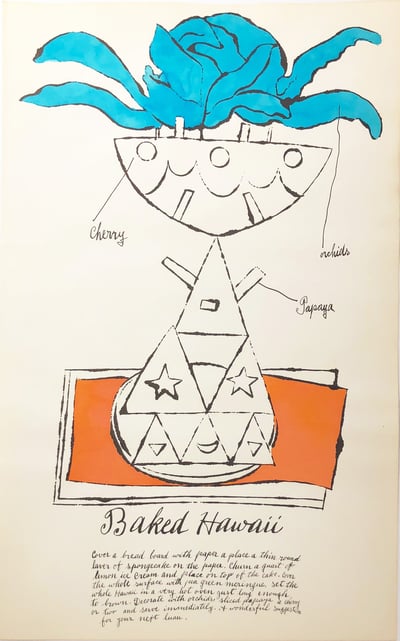
Andy Warhol
Wild Raspberries IV.137A, 1959
Limited Edition Print
Offset Print
USD 8,900
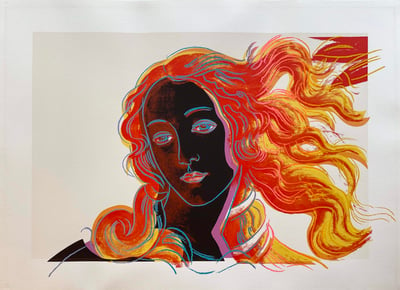
Andy Warhol
Details of Renaissance Paintings (Sandro Botticelli, Birth of Venus, 1482), II.318, 1984
Limited Edition Print
Screen-print
Inquire For Price
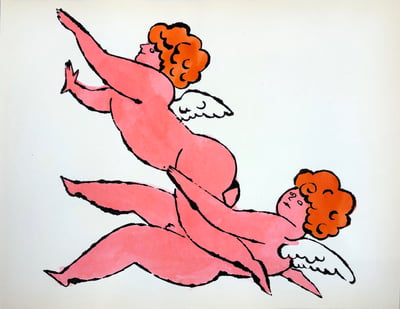
Andy Warhol
In The Bottom of my Garden IV.90A, CA. 1956
Limited Edition Print
Lithograph
Inquire For Price
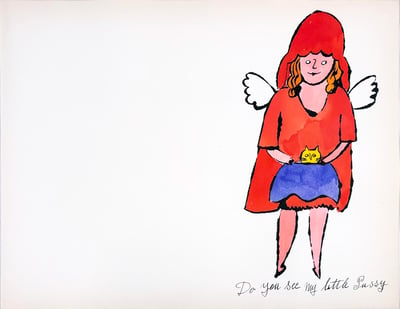
Andy Warhol
In The Bottom of my Garden IV.104A, CA. 1956
Limited Edition Print
Lithograph
USD 4,800
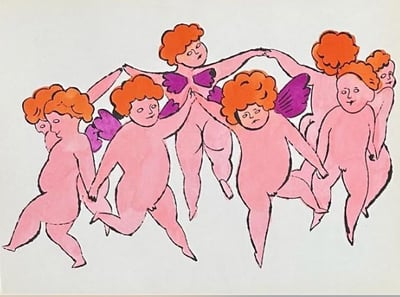
Andy Warhol
In The Bottom of my Garden IV.97A, CA.1956
Limited Edition Print
Lithograph
Inquire For Price
Related Articles
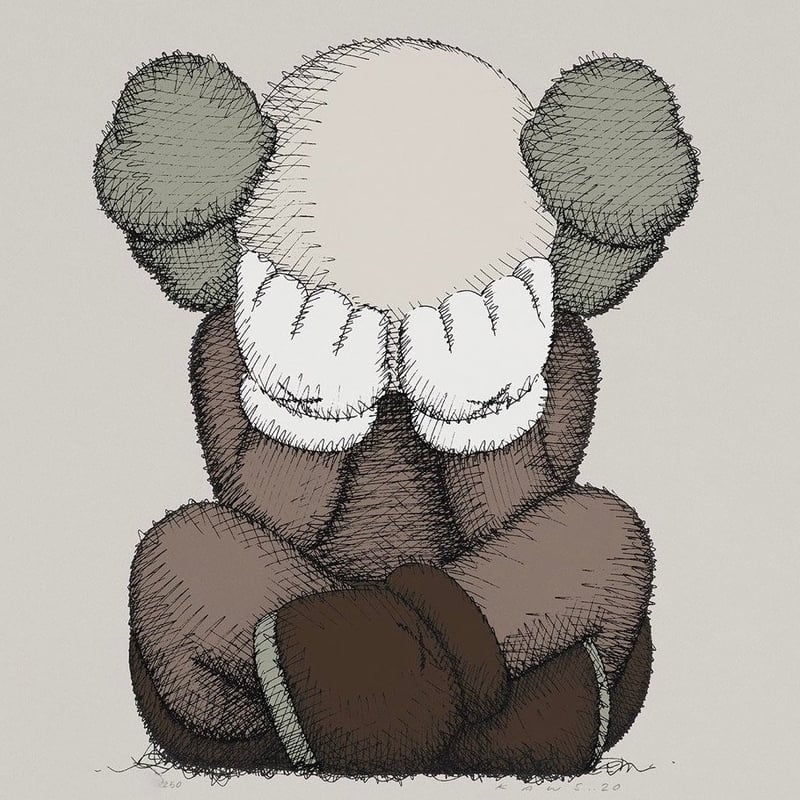
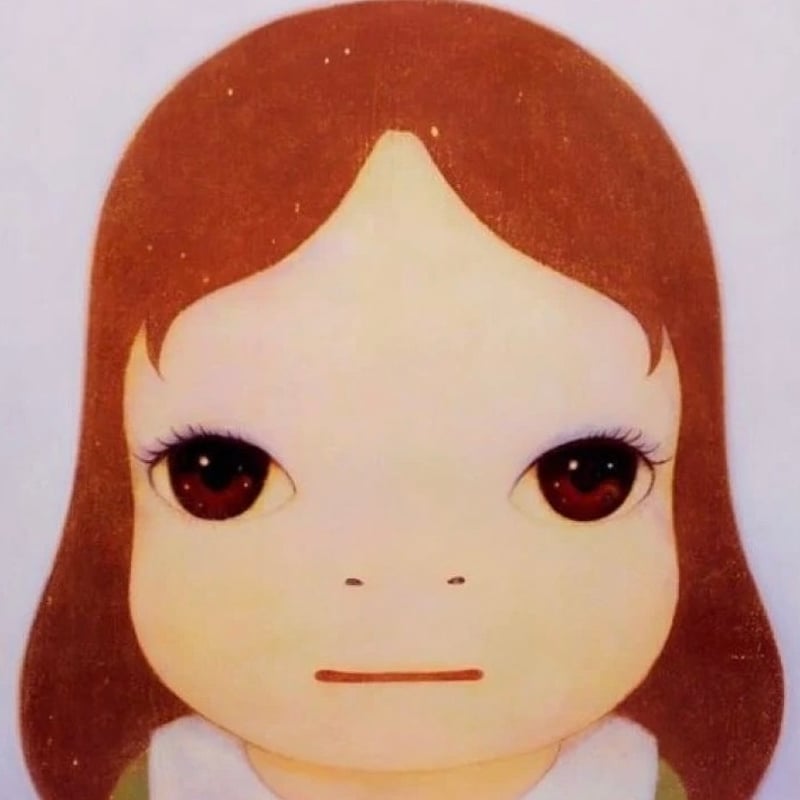
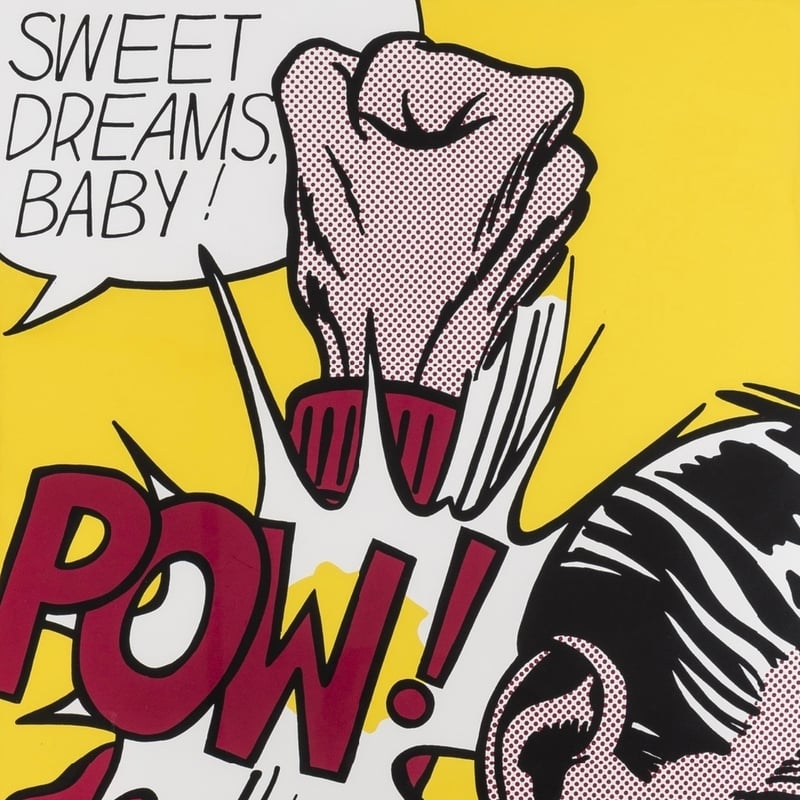

Épreuve d'Artist refers to the artist's proofs in a limited edition of prints. These are a small number of prints reserved by the artist for personal use and are typically marked with the abbreviation E.A. (épreuve d'artist) or AP (artist's proof). Artist’s proofs are usually identical to the regular edition but are often considered more valuable due to their limited quantity.

A pigment is a material that changes the color of light by selectively absorbing certain wavelengths and reflecting others. Unlike phosphorescence or fluorescence, where materials emit light, pigments work by altering the light that passes through or is reflected from them. In art, pigments are chosen for their special properties, such as high tinting strength, making them ideal for coloring various materials.
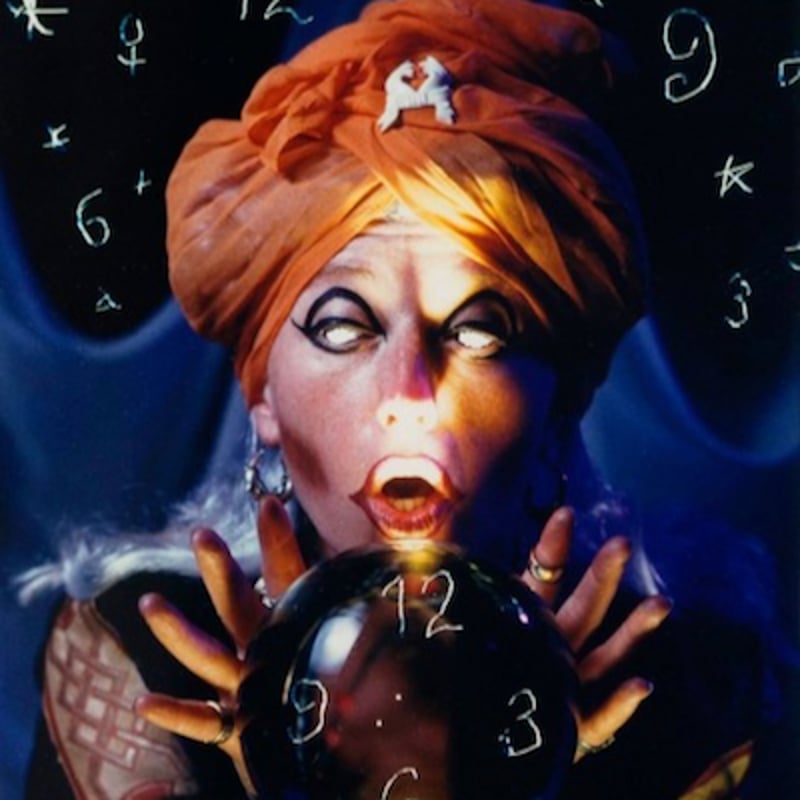
The Uncanny is a concept described by psychologist Sigmund Freud as the eerie or unsettling feeling that arises when something familiar is presented in a strange or unfamiliar way. Surrealist artists, who aimed to reveal the subconscious and merge it with reality, often utilized this concept by combining familiar objects in unexpected and bizarre ways. This approach created a sense of discomfort or unease, challenging the viewer's perception of reality.
Can't find your Answer?
Thank you! Your question has been sent — we'll get back to you shortly.
