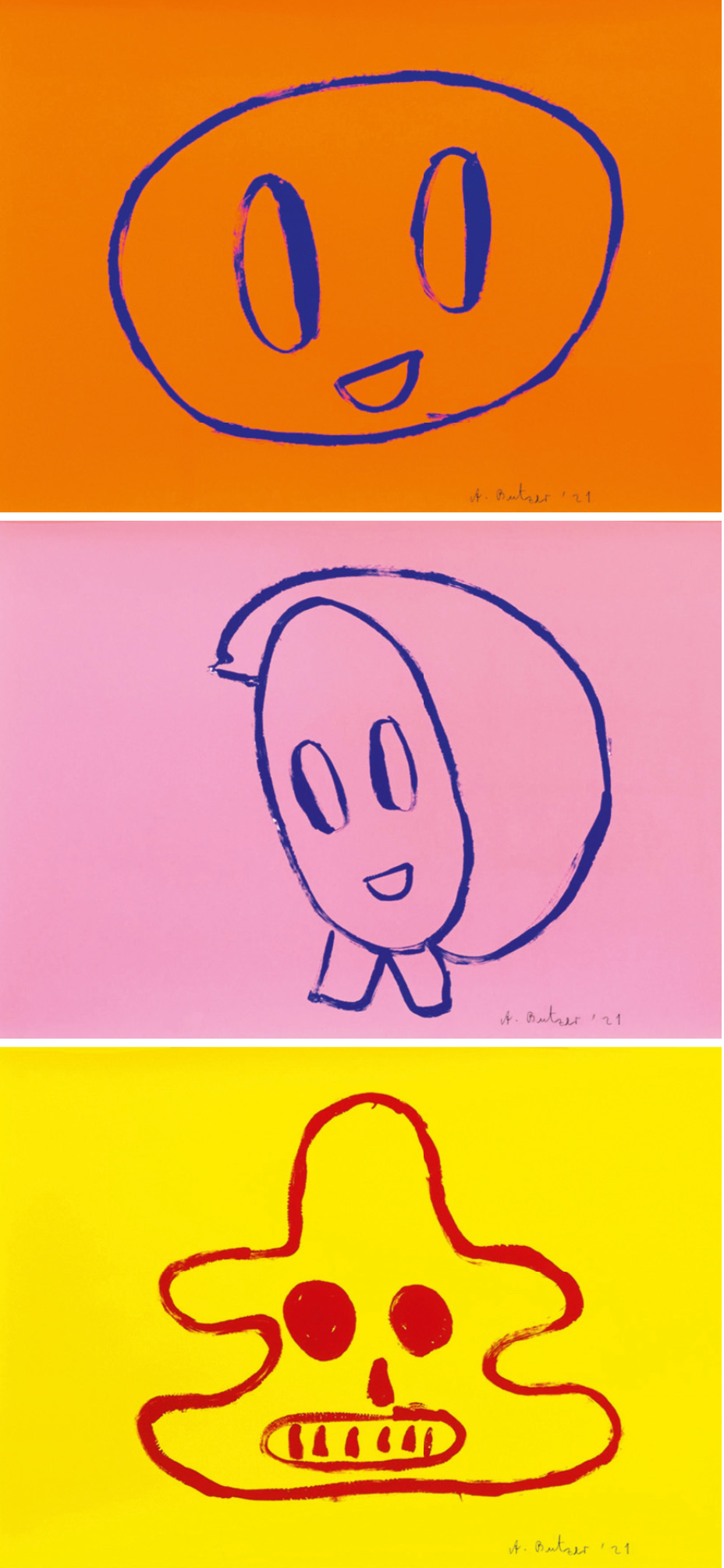
Three, two-color screen prints on handmade Hahnemühle paper (300 g/m²).
Each hand signed, numbered and dated in pencil.
Untitled 1–3 (2021) by André Butzer is a suite of three screenprints that encapsulates his vibrant, gestural approach to figuration. Each print features bold, cartoon-like characters rendered in two-color palettes against striking backgrounds—orange, pink, and yellow. Butzer’s simplified forms and expressive outlines evoke childlike spontaneity, but with unsettling undertones, particularly in the skeletal figure of the third work. Printed on handmade Hahnemühle paper, these compositions merge Pop sensibilities with raw emotion. The edition is limited to 75, emphasizing the work’s blend of accessibility and rarity.
Artwork Copyright © André ButzerAndré Butzer (German, 1973) blends Expressionism with Pop Art, creating vivid, often chaotic compositions. His work features recurring characters and symbolic color use, particularly his striking “NASAheim” series. Butzer’s distinctive style bridges cartoonish figuration with deep emotional intensity, making his paintings and prints both visually bold and conceptually rich.
Artwork Copyright © André ButzerUntitled 1–3 (Suite of 3), 2021
Form
Medium
Size
- Inches
- Centimeters
Edition
Price
- USD
- EUR
- GBP
- CHF
- Authenticity Guaranteed
- Insured Shipping
- Online Since 2005
●Inventory 15912
●Signed
●Comes with gallery invoice and certificate
●Sell Us a Similar Artwork. Learn more.
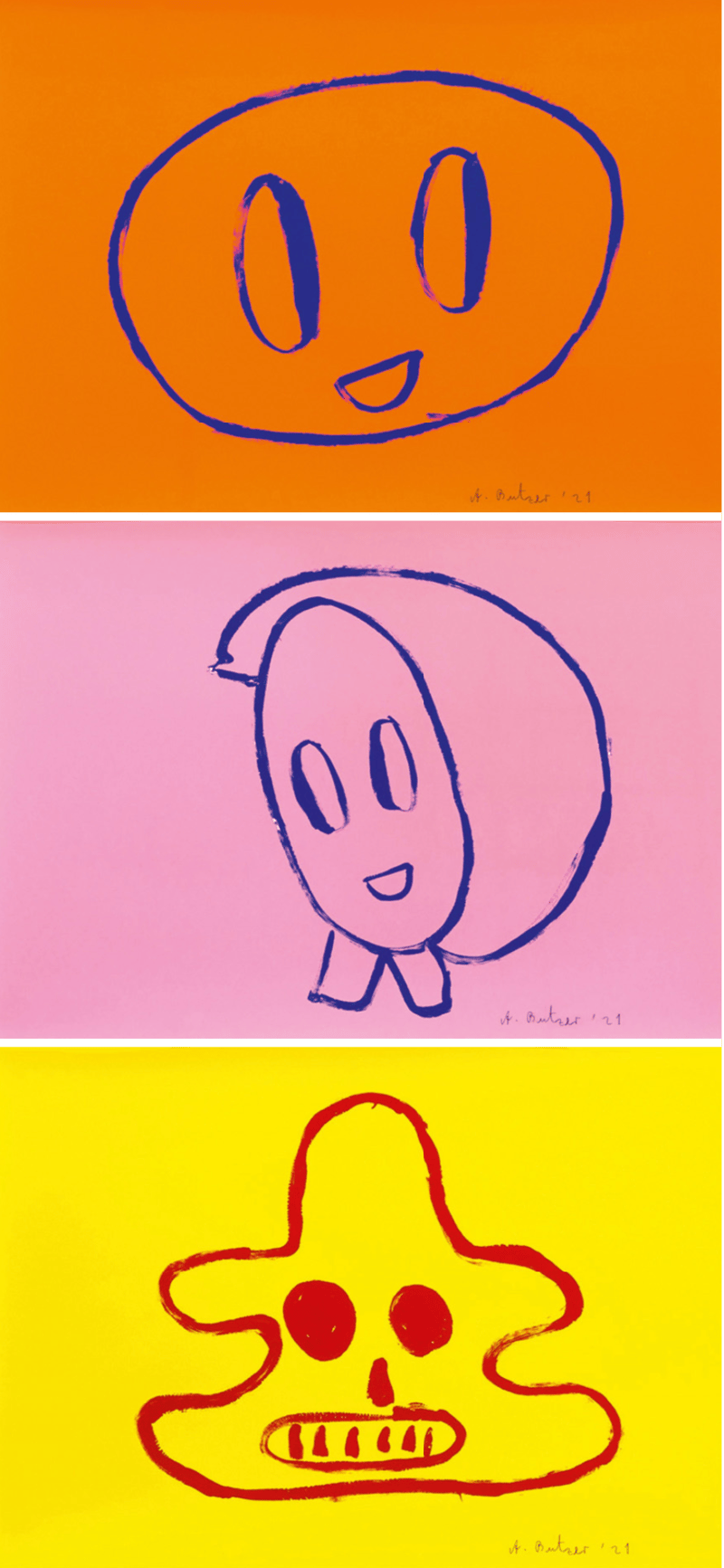
Three, two-color screen prints on handmade Hahnemühle paper (300 g/m²).
Each hand signed, numbered and dated in pencil.
Untitled 1–3 (2021) by André Butzer is a suite of three screenprints that encapsulates his vibrant, gestural approach to figuration. Each print features bold, cartoon-like characters rendered in two-color palettes against striking backgrounds—orange, pink, and yellow. Butzer’s simplified forms and expressive outlines evoke childlike spontaneity, but with unsettling undertones, particularly in the skeletal figure of the third work. Printed on handmade Hahnemühle paper, these compositions merge Pop sensibilities with raw emotion. The edition is limited to 75, emphasizing the work’s blend of accessibility and rarity.
Artwork Copyright © André ButzerAndré Butzer (German, 1973) blends Expressionism with Pop Art, creating vivid, often chaotic compositions. His work features recurring characters and symbolic color use, particularly his striking “NASAheim” series. Butzer’s distinctive style bridges cartoonish figuration with deep emotional intensity, making his paintings and prints both visually bold and conceptually rich.
Artwork Copyright © André Butzer- Recently Added
- Price (Low-High)
- Price (High-Low)
- Year (Low-High)
- Year (High-Low)
André Butzer
Untitled 1–3 (Suite of 3), 2021
Limited Edition Print
Screen-print
USD 10,800
André Butzer
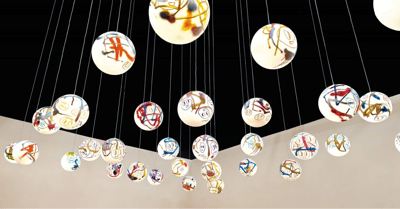
Pendant Light, 2021
Sculpture / Object
Mixed Media
USD 10,000 – 12,000
Related Artists


Related Articles
Popular, Artists, Collecting - July 22, 2025
Investing in Emerging Artists: A Guide for Collectors
Learn how to invest wisely in emerging artists—spot talent early, manage risk, and build a meaningful, future-focused art collection.Read More
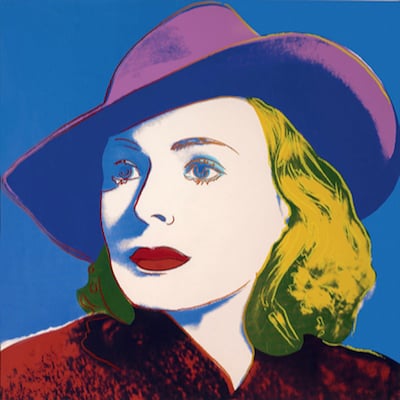
Artwork by Andy Warhol
What is pop-art?
Pop Art is an art movement that began in Britain in 1955 and in the late 1950s in the U.S. It challenged traditional fine arts by incorporating imagery from popular culture, such as news, advertising, and comic books. Pop Art often isolates and recontextualizes materials, combining them with unrelated elements. The movement is more about the attitudes and ideas that inspired it than the specific art itself. Pop Art is seen as a reaction against the dominant ideas of Abstract Expressionism, bringing everyday consumer culture into the realm of fine art.