
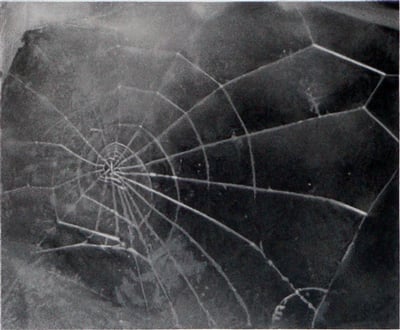
Spider-web by Vija Celmins is a screen-print from 2009, meticulously capturing the delicate intricacy of a spider’s web. Rendered in grayscale, this artwork emphasizes the fragile beauty of natural structures through precise lines and subtle tonal variations. Celmins’ attention to detail reveals the web’s geometric patterns, with each thread visible against a dark, softly textured background. The piece evokes a sense of stillness and transience, as the fine, nearly translucent strands appear both vulnerable and resilient. Known for her contemplative approach to natural subjects, Celmins invites viewers to observe the beauty in ephemeral forms, drawing attention to details often overlooked.
Artwork Copyright © Vija CelminsVija Celmins (Latvia/USA, 1938) is a celebrated artist known for her meticulous drawings and paintings of natural phenomena, such as ocean waves, starry skies, and desert landscapes. Using graphite and oil, she achieves stunning realism while evoking timelessness and stillness. Her works are highly influential in contemporary art.
Artwork Copyright © Vija CelminsSpider-web, 2009
Form
Medium
Size
- Inches
- Centimeters
Edition
Price
- USD
- EUR
- GBP
- CHF
- Authenticity Guaranteed
- Insured Shipping
- Online Since 2005
●Inventory 6035
●Signed
●Comes with gallery invoice and certificate
●Sell Us a Similar Artwork. Learn more.
Spider-web by Vija Celmins is a screen-print from 2009, meticulously capturing the delicate intricacy of a spider’s web. Rendered in grayscale, this artwork emphasizes the fragile beauty of natural structures through precise lines and subtle tonal variations. Celmins’ attention to detail reveals the web’s geometric patterns, with each thread visible against a dark, softly textured background. The piece evokes a sense of stillness and transience, as the fine, nearly translucent strands appear both vulnerable and resilient. Known for her contemplative approach to natural subjects, Celmins invites viewers to observe the beauty in ephemeral forms, drawing attention to details often overlooked.
Artwork Copyright © Vija CelminsVija Celmins (Latvia/USA, 1938) is a celebrated artist known for her meticulous drawings and paintings of natural phenomena, such as ocean waves, starry skies, and desert landscapes. Using graphite and oil, she achieves stunning realism while evoking timelessness and stillness. Her works are highly influential in contemporary art.
Artwork Copyright © Vija Celmins- Recently Added
- Price (Low-High)
- Price (High-Low)
- Year (Low-High)
- Year (High-Low)
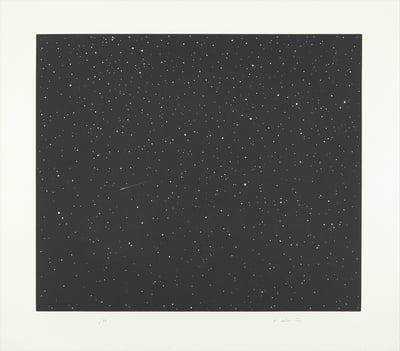
Vija Celmins
Comet, 1992
Limited Edition Print
Linocut
USD 32,500
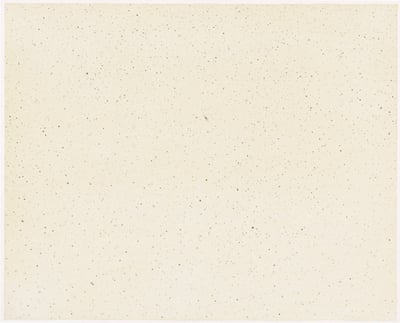
Vija Celmins
Night Sky 1 ( Reversed ), 2002
Limited Edition Print
Mixed Media
USD 21,900
Vija Celmins
Spider-web, 2009
Limited Edition Print
Screen-print
USD 6,500
Related Artists
Related Articles

Artists - November 11, 2024
25 Living Icons: A Generation of Artists Defying Time
Celebrate 25 living legends redefining art! From Kusama to Hockney, explore their enduring creativity and groundbreaking contributions to modern art.Read More


Artwork by Robert Longo
What is photorealism?
Photorealism is a genre of art or artistic movement that involves drawing, painting, and other graphic media in which the artist carefully studies a photograph and attempts to reproduce it as realistically as possible in another medium. While the term can broadly describe any artwork created in this manner, it specifically refers to a group of painters and paintings in the U.S. art movement that emerged in the late 1960s and early 1970s.

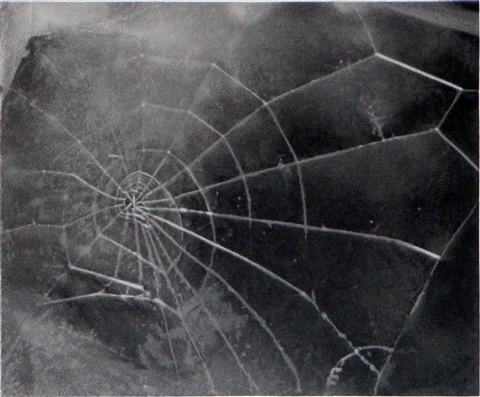
Vija Celmins
Spider-web, 2009
44.5 x 48.3 cm


