
Latvia
Latvia's contemporary art scene is a fascinating blend of historical influences and innovative expressions. Institutions such as the Latvian National Museum of Art in Riga showcase inspiring exhibitions. Latvian artists like Mark Rothko and Vija Celmins contribute significantly to the global contemporary art landscape. Latvia's dynamic art scene is also celebrated at events like the Riga International Biennial of Contemporary Art. Unearth the intriguing depth of Latvian contemporary art on Composition Gallery's website.
Artworks Related to Latvia
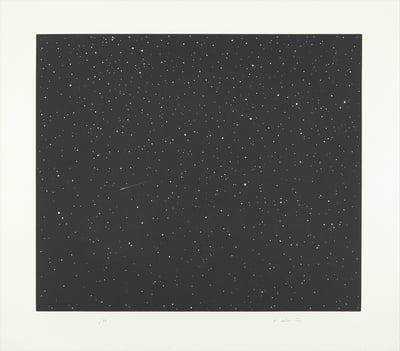
Vija Celmins
Comet, 1992
Limited Edition Print
Linocut
USD 32,500
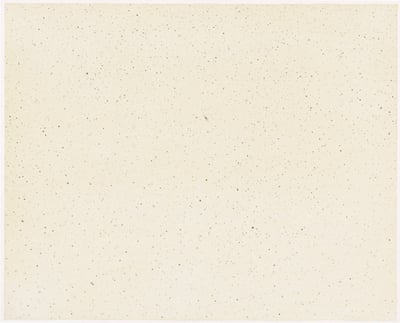
Vija Celmins
Night Sky 1 ( Reversed ), 2002
Limited Edition Print
Mixed Media
USD 21,900
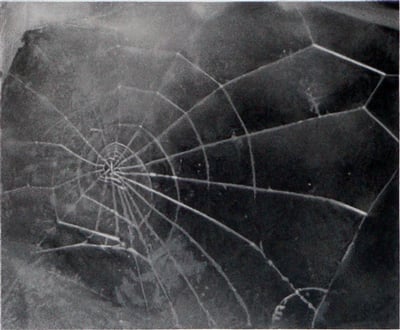
Vija Celmins
Spider-web, 2009
Limited Edition Print
Screen-print
USD 6,500
Related Articles
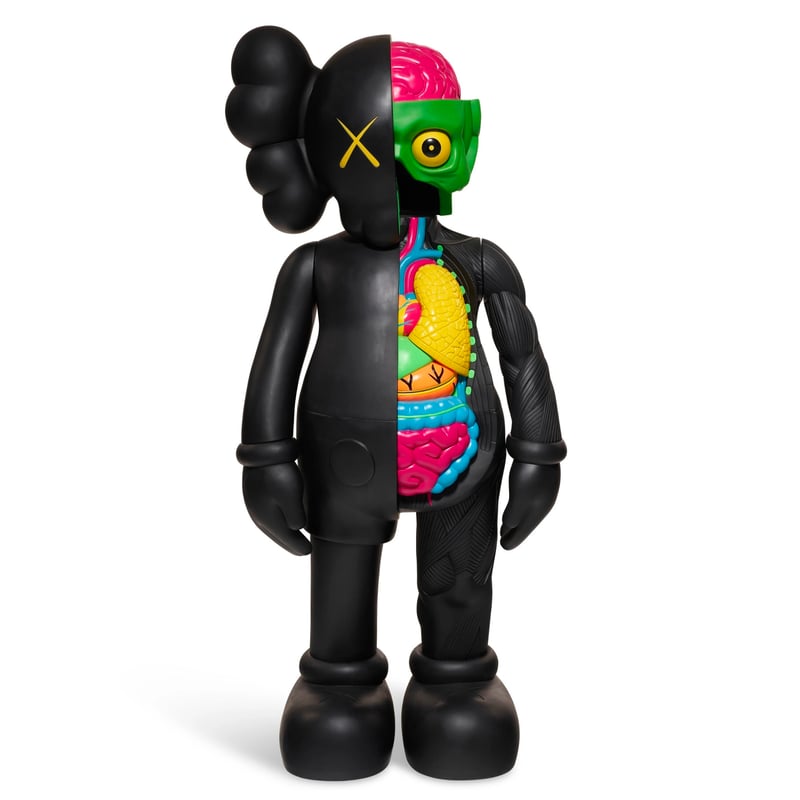
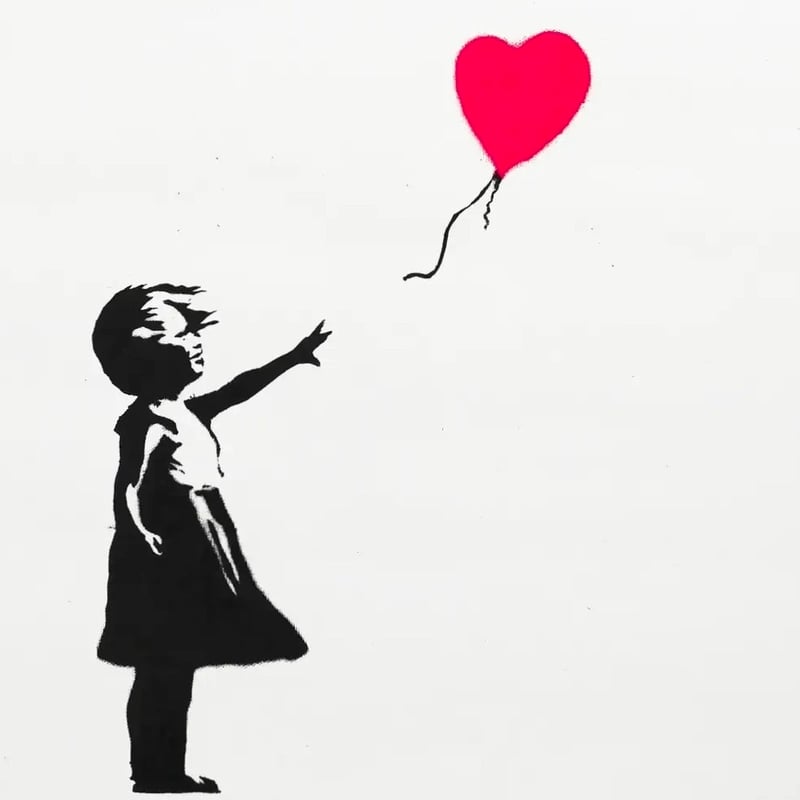

Tempera is a paint traditionally made by mixing colored pigments with egg yolk. It dries quickly and is highly durable, with some examples dating back to 100 AD still in existence. Modern tempera paint often uses glue size as a binder instead of egg yolk. Tempera is known for its bright colors and fine, detailed application, making it popular for panel paintings and icons.
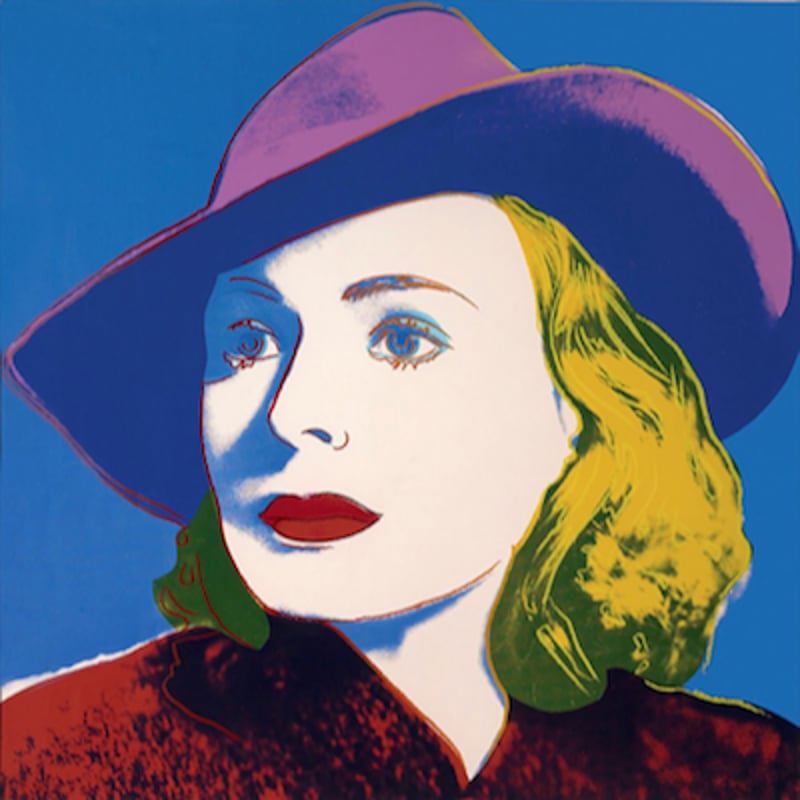
Pop Art is an art movement that began in Britain in 1955 and in the late 1950s in the U.S. It challenged traditional fine arts by incorporating imagery from popular culture, such as news, advertising, and comic books. Pop Art often isolates and recontextualizes materials, combining them with unrelated elements. The movement is more about the attitudes and ideas that inspired it than the specific art itself. Pop Art is seen as a reaction against the dominant ideas of Abstract Expressionism, bringing everyday consumer culture into the realm of fine art.
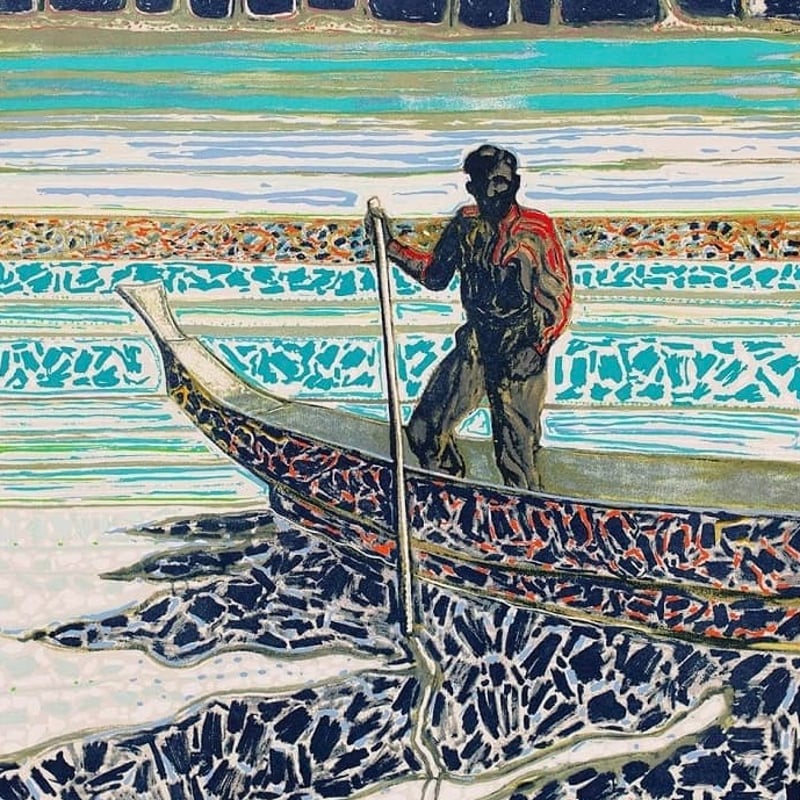
Stuckism is an art movement that promotes figurative painting over conceptual art. It was founded in 1999 by Charles Thomson and Billy Childish with an initial group of 13 artists in Britain. The movement has since expanded to 52 countries with 233 groups worldwide. Several manifestos, issued by Thomson and Childish, advocate for the spirit of modernism and the creation of spiritual art, regardless of medium, subject matter, or style. Stuckism emphasizes the importance of genuine expression and rejects the dominance of conceptual art in the contemporary art scene.
Can't find your Answer?
Thank you! Your question has been sent — we'll get back to you shortly.
