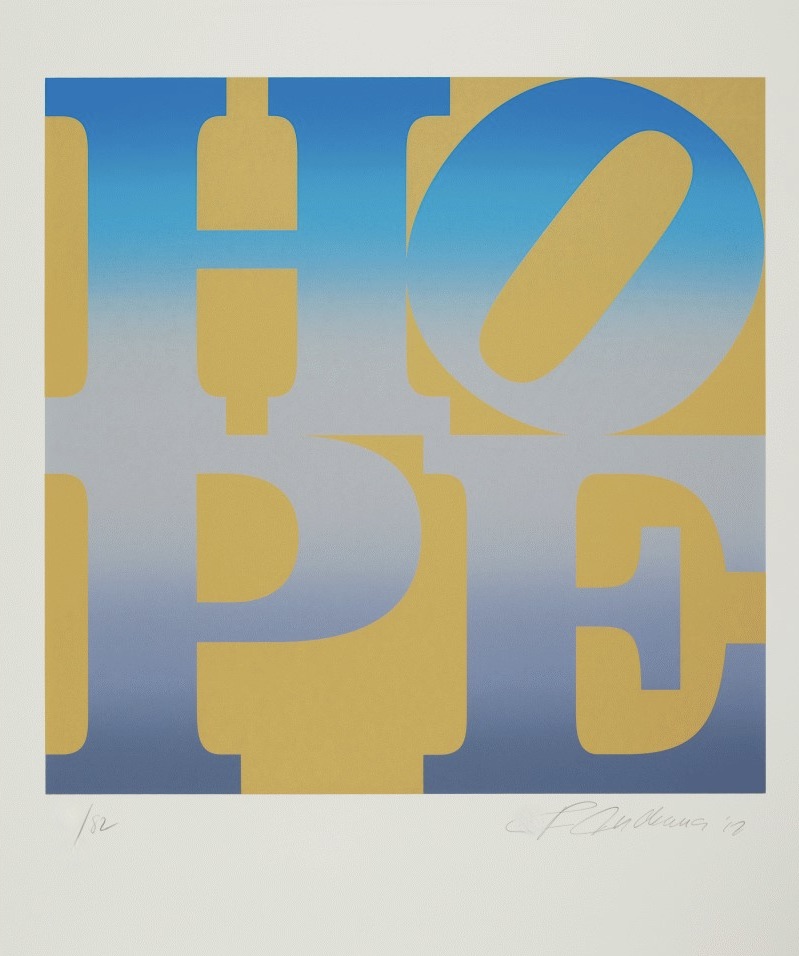
Screenprint in colors on Coventry Rag paper.
Signed, numbered & dated.
Published by American Image Art, New York.
Image: 25.8 by 26 in. (65.8 by 66 cm.)
Sheet: 35 by 29.5 in. (89.2 by 74.9 cm.)
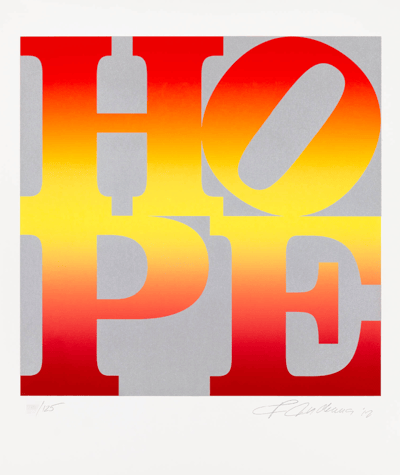
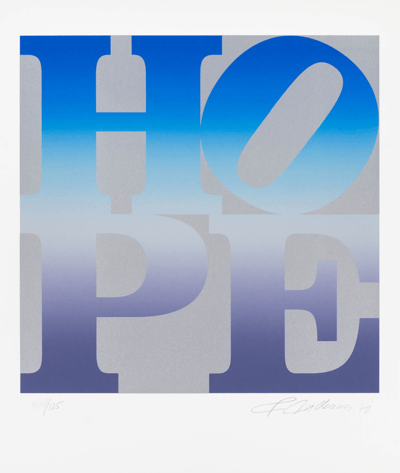
'Four Seasons of Hope: Winter (Gold)' by Robert Indiana is a screen-print in which the word HOPE fills the entire pictorial field in oversized, slab-serif capitals. The letters are rendered in soft gold against a graduated background that shifts from a deep cobalt at the top through pale grey-blue toward the centre — a colour pairing Indiana used across the four-print 'Four Seasons of Hope' series to distinguish each seasonal variant. The work is hand-signed and from a numbered edition. Indiana, whose 'LOVE' image became one of the most reproduced works in American pop art after its adoption as a US Postal Service stamp in 1973, consistently used single words as vehicles for what he called 'protest paintings' — works that traded overt imagery for declarative language. The bold, commercial letterforms of 'HOPE' carry that same directness: political in register, immediately legible, and resistant to ornament.
Four Seasons of Hope: Winter (Gold), 2012
Form
Medium
Size
- Inches
- Centimeters
Edition
Price
- USD
- EUR
- GBP
- CHF
- Authenticity Guaranteed
- Insured Shipping
- Online Since 2005
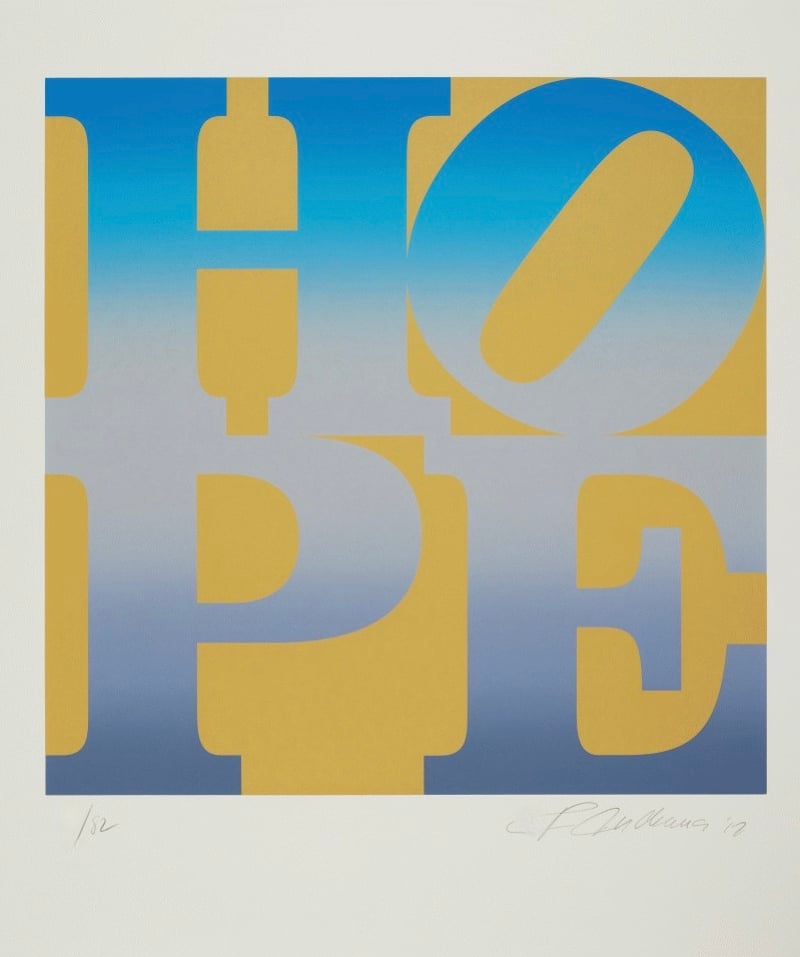
Screenprint in colors on Coventry Rag paper.
Signed, numbered & dated.
Published by American Image Art, New York.
Image: 25.8 by 26 in. (65.8 by 66 cm.)
Sheet: 35 by 29.5 in. (89.2 by 74.9 cm.)
'Four Seasons of Hope: Winter (Gold)' by Robert Indiana is a screen-print in which the word HOPE fills the entire pictorial field in oversized, slab-serif capitals. The letters are rendered in soft gold against a graduated background that shifts from a deep cobalt at the top through pale grey-blue toward the centre — a colour pairing Indiana used across the four-print 'Four Seasons of Hope' series to distinguish each seasonal variant. The work is hand-signed and from a numbered edition. Indiana, whose 'LOVE' image became one of the most reproduced works in American pop art after its adoption as a US Postal Service stamp in 1973, consistently used single words as vehicles for what he called 'protest paintings' — works that traded overt imagery for declarative language. The bold, commercial letterforms of 'HOPE' carry that same directness: political in register, immediately legible, and resistant to ornament.
Robert Indiana
Four Seasons of Hope: Summer (Gold), 2012
Limited Edition Print
Screen-print
USD 7,800
Robert Indiana
Four Seasons of Hope: Spring (Gold), 2012
Limited Edition Print
Screen-print
USD 7,800
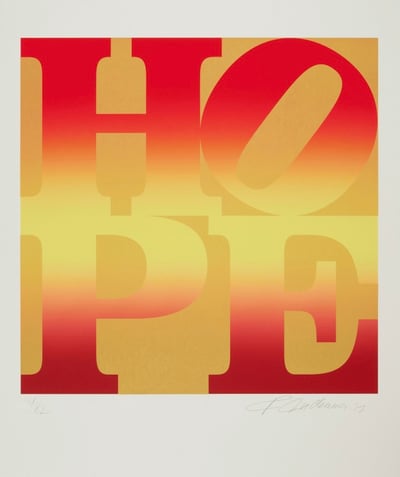
Robert Indiana
Four Seasons of Hope: Autumn (Gold), 2012
Limited Edition Print
Screen-print
USD 7,800
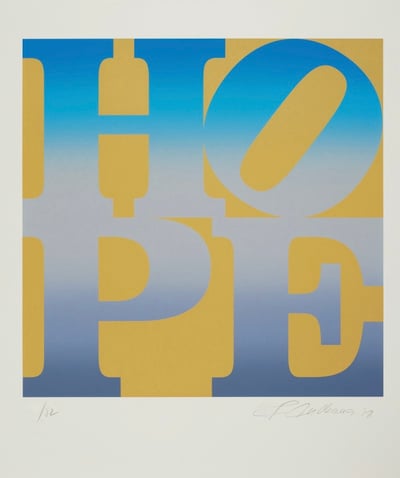
Robert Indiana
Four Seasons of Hope: Winter (Gold), 2012
Limited Edition Print
Screen-print
USD 7,800

Robert Indiana
The American Four, 1970
Limited Edition Print
Screen-print
EUR 7,200
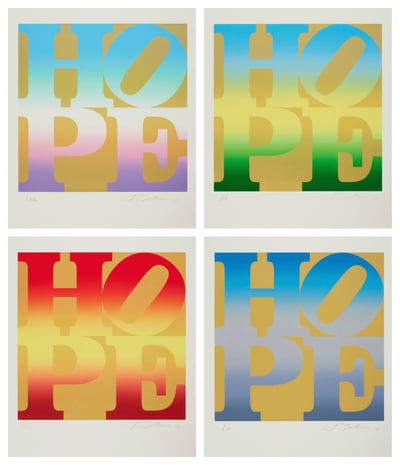
Robert Indiana
Four Seasons of Hope (Gold), 2012
Limited Edition Print
Screen-print
USD 28,000
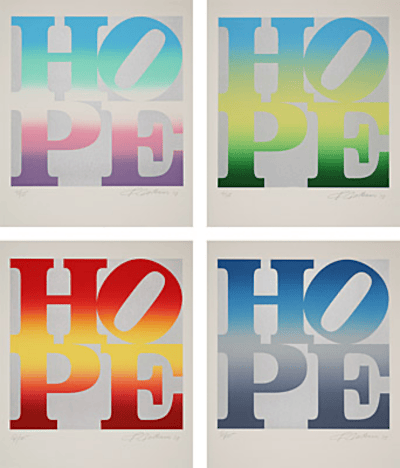
Robert Indiana
Four Seasons of Hope (Silver), 2012
Limited Edition Print
Screen-print
USD 28,000
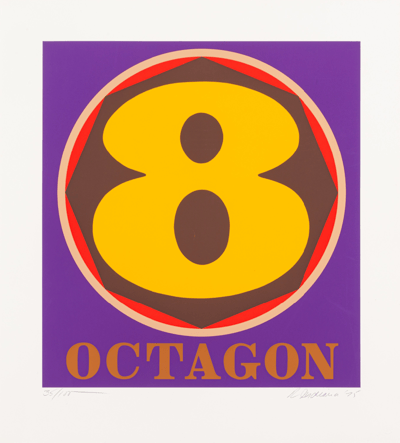
Robert Indiana
Octagon, 1975
Limited Edition Print
Silkscreen
EUR 7,500
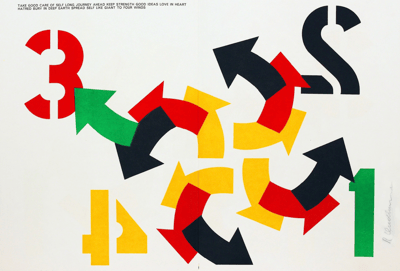
Robert Indiana
Four Winds, 1964
Limited Edition Print
Lithograph
EUR 3,500
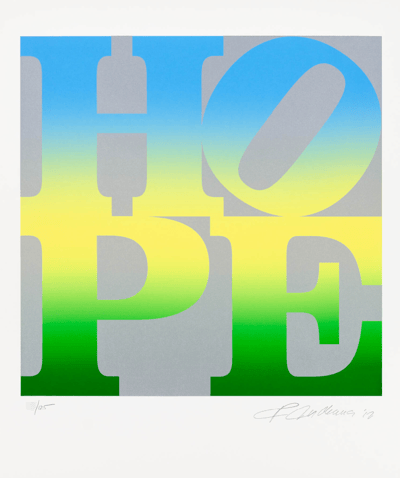
Robert Indiana
Four Seasons of Hope: Summer (Silver), 2012
Limited Edition Print
Screen-print
USD 7,800
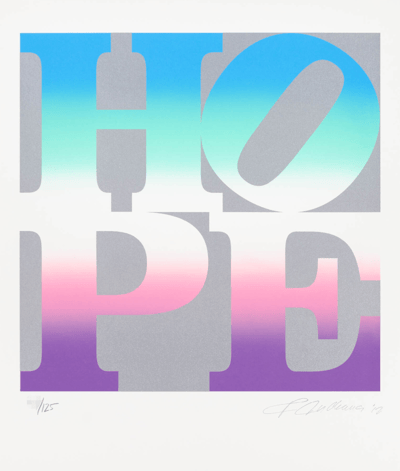
Robert Indiana
Four Seasons of Hope: Spring (Silver), 2012
Limited Edition Print
Screen-print
USD 7,800
Robert Indiana
Four Seasons of Hope: Autumn (Silver), 2012
Limited Edition Print
Screen-print
USD 7,800
Robert Indiana
Four Seasons of Hope: Winter (Silver), 2012
Limited Edition Print
Screen-print
USD 7,800

Robert Indiana
Collection of 6 Hand-Woven Love Tapestries, 2006
Tapestry
Mixed Media
GBP 3,360
Robert Indiana
KvF VIII (from Berlin Series), 1990
Limited Edition Print
Serigraph
Inquire For Price

Robert Indiana
AMOR, 1994
Limited Edition Print
Etching and Aquatint
USD 21,000
Robert Indiana
The Diamond One, 1983
Limited Edition Print
Serigraph
Inquire For Price

Robert Indiana
President's Beloved Norma Jean, 2008
Limited Edition Print
Silkscreen
USD 3,200

Robert Indiana
The American Dream (One Indiana Square), 1996
Limited Edition Print
Silkscreen
USD 3,700
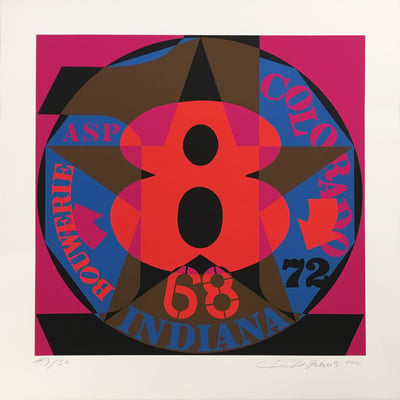
Robert Indiana
Decade Autoportrait '68, 2001
Limited Edition Print
Silkscreen
USD 5,500
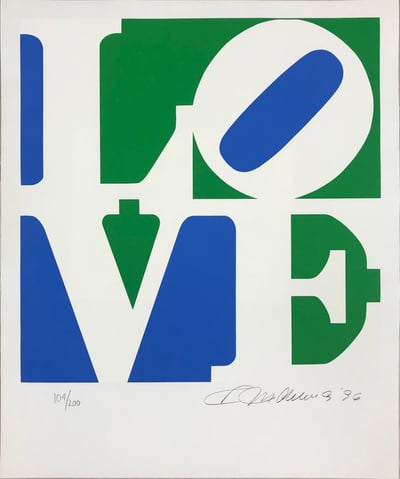
Robert Indiana
The Book of Love 8, 1996
Limited Edition Print
Screen-print
USD 15,900
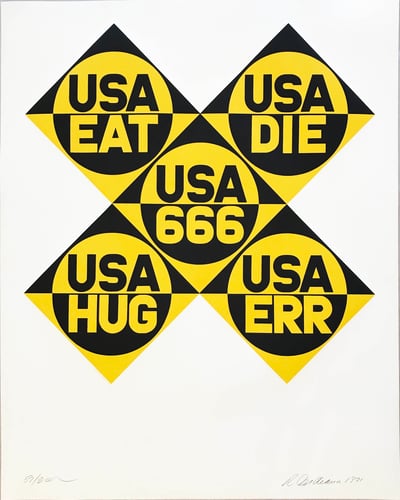
Robert Indiana
Decade (USA 666), 1971
Limited Edition Print
Screen-print
USD 3,850
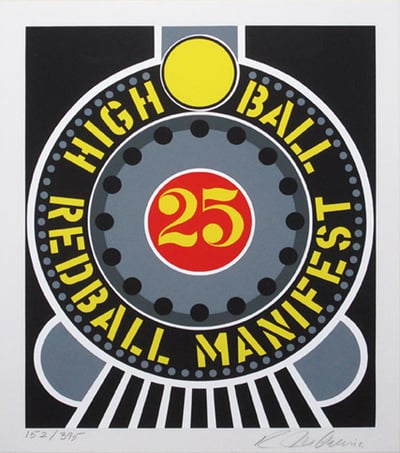
Robert Indiana
The American Dream (High Ball Redball Manifest), 1996
Limited Edition Print
Silkscreen
USD 3,700

Robert Indiana
Decade (The Figure 5), 1971
Limited Edition Print
Screen-print
USD 4,500
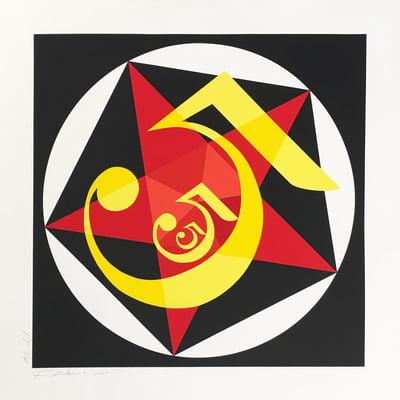
Robert Indiana
The Small Diamond Demuth Five, 1963/2001
Limited Edition Print
Silkscreen
USD 7,200

Robert Indiana
The American Dream (Metamorphosis of Norma Jean Mortenson), 1996
Limited Edition Print
Silkscreen
USD 3,750
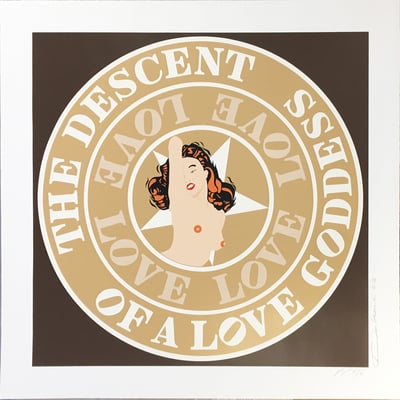
Robert Indiana
(Marilyn) Descent of a Love Goddess, 2008
Limited Edition Print
Silkscreen
USD 6,250
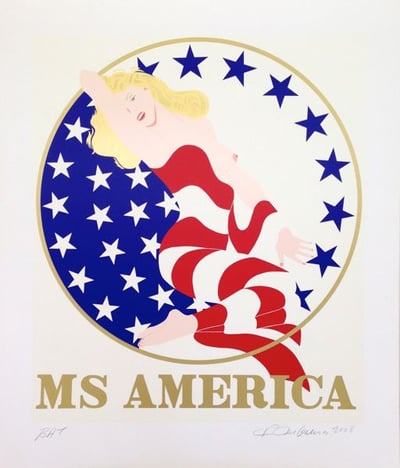
Robert Indiana
Marilyn Ms. America, 2008
Limited Edition Print
Silkscreen
USD 4,800
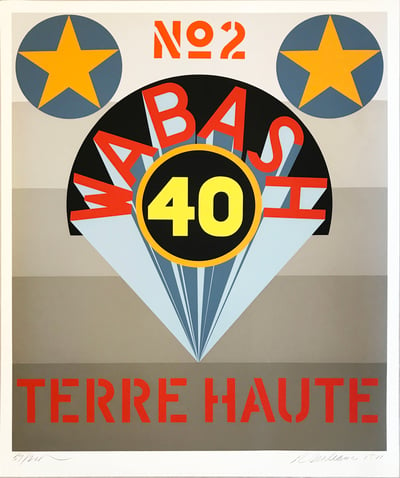
Robert Indiana
Decade (Terre Haute No. 2), 1971
Limited Edition Print
Screen-print
USD 3,200
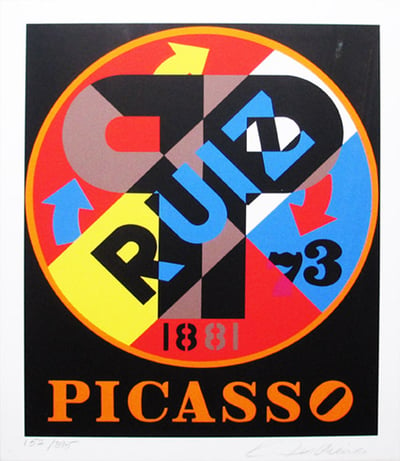
Robert Indiana
The American Dream (Picasso), 1996
Limited Edition Print
Silkscreen
USD 3,900
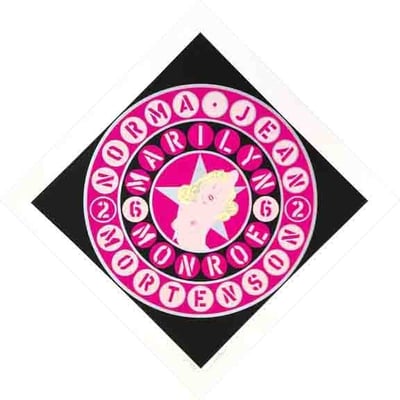
Robert Indiana
Marilyn '67, 2008
Limited Edition Print
Silkscreen
USD 4,800
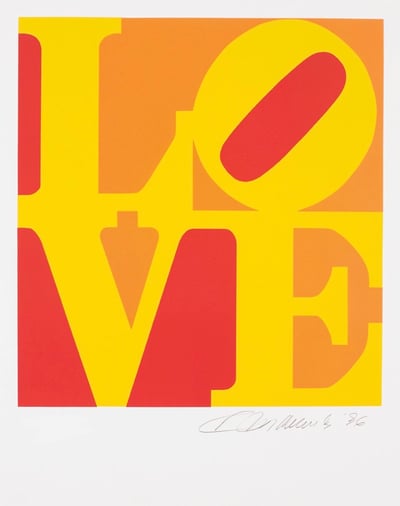
Robert Indiana
The Book of Love 10, 1996
Limited Edition Print
Screen-print
USD 17,500
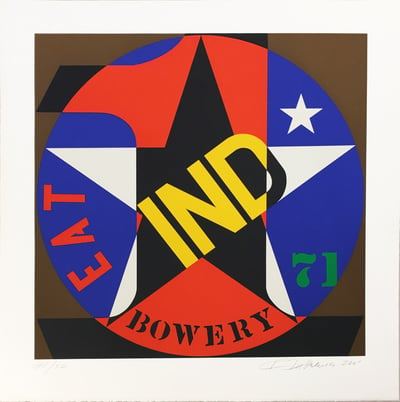
Robert Indiana
Decade Autoportrait '61, 2001
Limited Edition Print
Silkscreen
USD 5,850
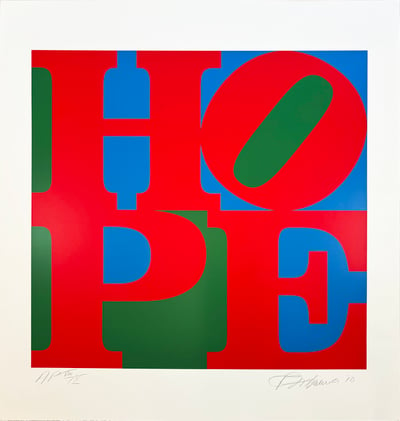
Robert Indiana
Hope, 2010
Limited Edition Print
Screen-print
USD 14,250

Robert Indiana
The Hartley Elegies: The Berlin Series - KvF 5, 1990
Limited Edition Print
Serigraph
USD 7,900
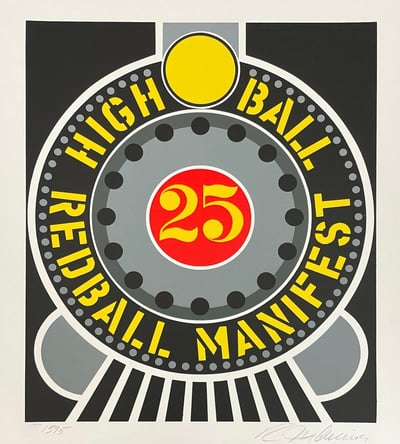
Robert Indiana
High Ball Redball Manifest, 1968
Limited Edition Print
Serigraph
Inquire For Price
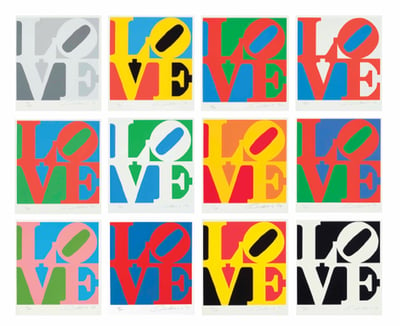
Robert Indiana
Book of Love portfolio, 1996
Limited Edition Print
Silkscreen
USD 170,000 – 200,000

Robert Indiana
The German LOVE, 1997
Limited Edition Print
Serigraph
USD 1,885

Robert Indiana
First Love, 1991
Limited Edition Print
Aquatint
USD 3,575
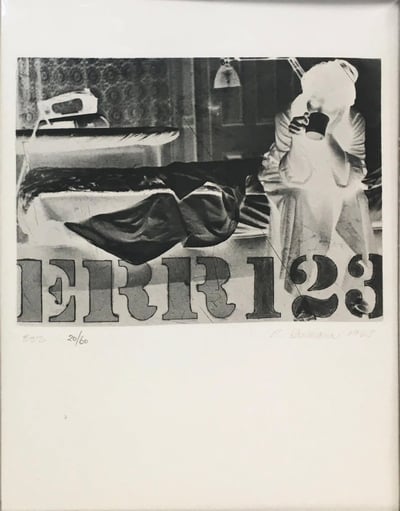
Robert Indiana
Err123, 1962
Limited Edition Print
Photogravure
Inquire For Price
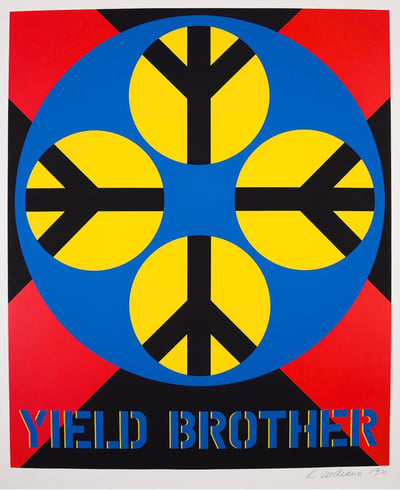
Robert Indiana
Yield Brother, 1971
Limited Edition Print
Screen-print
USD 2,500
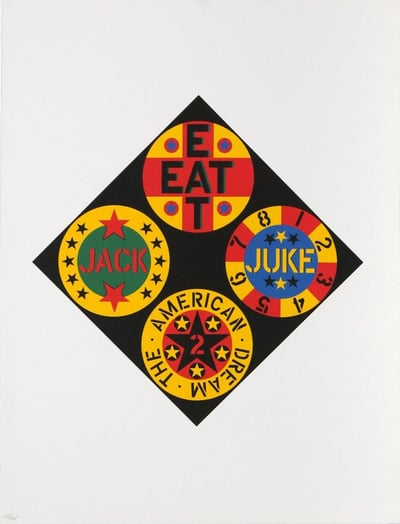
Robert Indiana
Black Diamond, 1997
Limited Edition Print
Serigraph
USD 2,100
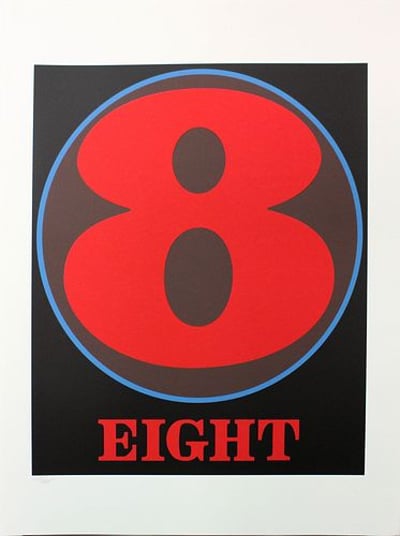
Robert Indiana
Number Eight, 1997
Limited Edition Print
Serigraph
Inquire For Price
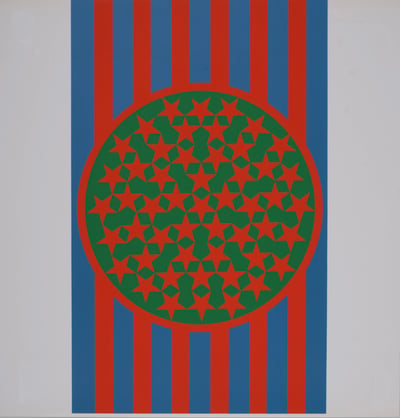
Robert Indiana
Flag, 1968
Limited Edition Print
Silkscreen
USD 900
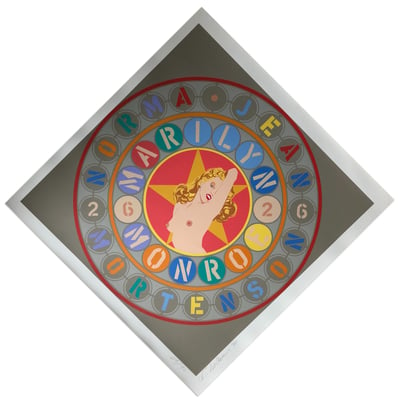
Robert Indiana
Metamorphosis of Norma Jean, 1998
Limited Edition Print
Screen-print
USD 10,150

Robert Indiana
Love (BlueBlack Yellow Red), 1996
Limited Edition Print
Silkscreen
USD 12,125

Robert Indiana
Love Is God, 2014
Limited Edition Print
Silkscreen
USD 17,800
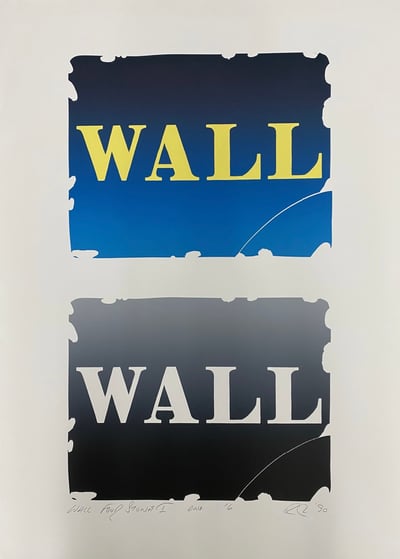
Robert Indiana
Wall: Four Stones I - One, 1990
Limited Edition Print
Lithograph
Inquire For Price
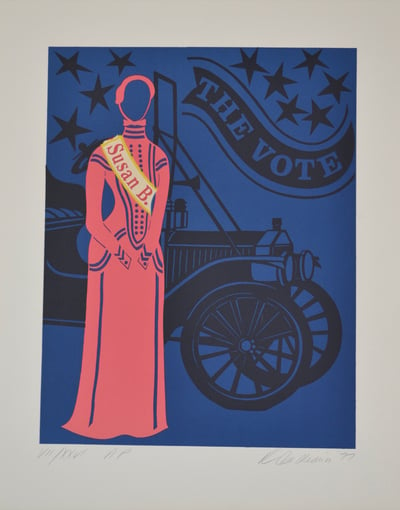
Robert Indiana
Susan B. Anthony - Mother of us all portfolio, 1977
Limited Edition Print
Lithograph
USD 1,350
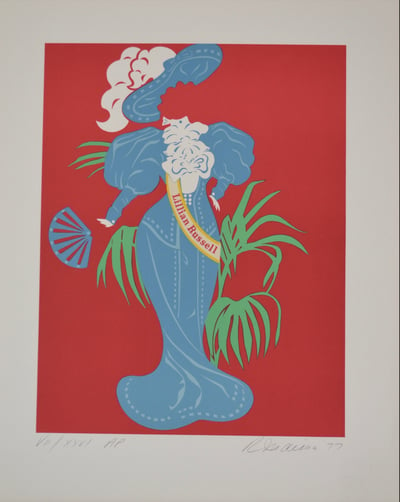
Robert Indiana
Lilian Russell - Mother of us all portfolio, 1977
Limited Edition Print
Lithograph
USD 1,350
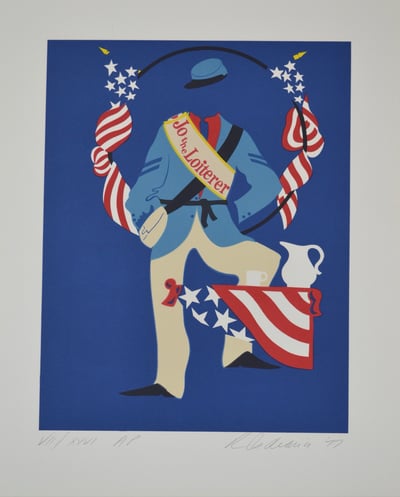
Robert Indiana
Jo the Loiterer - Mother of us all portfolio, 1977
Limited Edition Print
Lithograph
USD 1,350
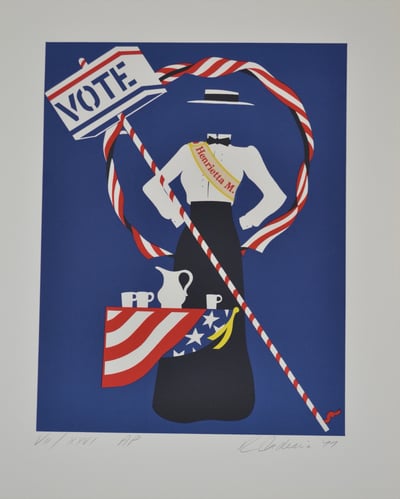
Robert Indiana
Henrietta M. - Mother of us all portfolio, 1977
Limited Edition Print
Lithograph
USD 1,350
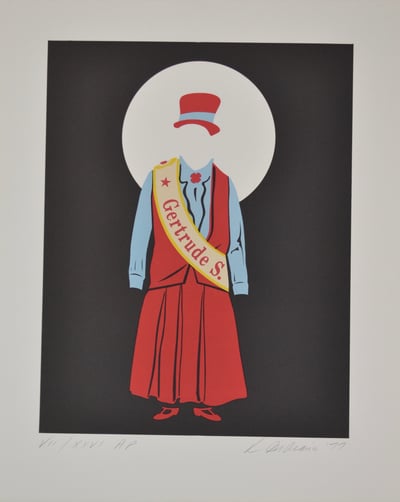
Robert Indiana
Gertrude Stein - Mother of us all portfolio, 1977
Limited Edition Print
Lithograph
USD 1,350
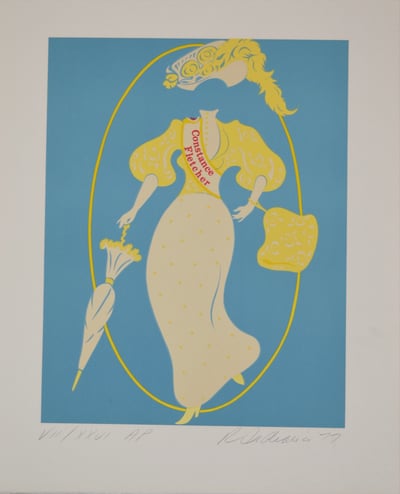
Robert Indiana
Constance Fletcher - Mother of us all portfolio , 1977
Limited Edition Print
Lithograph
USD 1,350
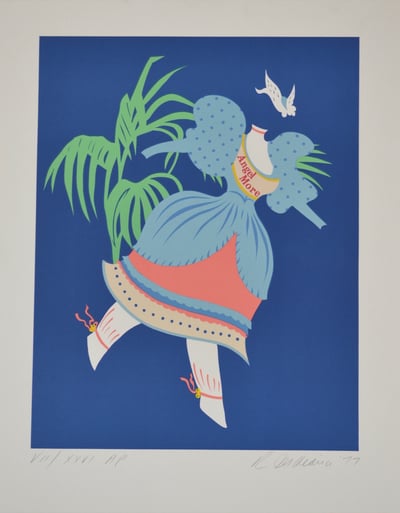
Robert Indiana
Angel More - Mother of us all portfolio , 1977
Limited Edition Print
Lithograph
USD 1,350
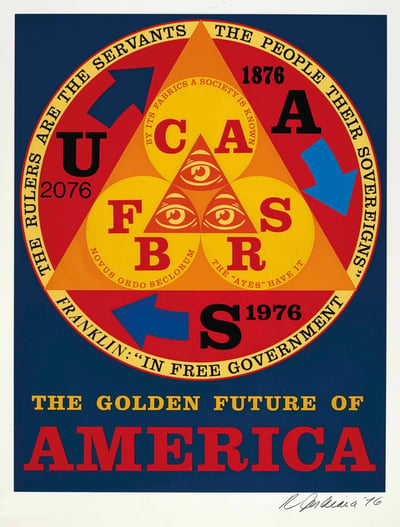
Robert Indiana
Golden age of the future , 1976
Limited Edition Print
Silkscreen
USD 1,350

Robert Indiana
The American dream, 1997
Limited Edition Print
Screen-print
USD 1,650
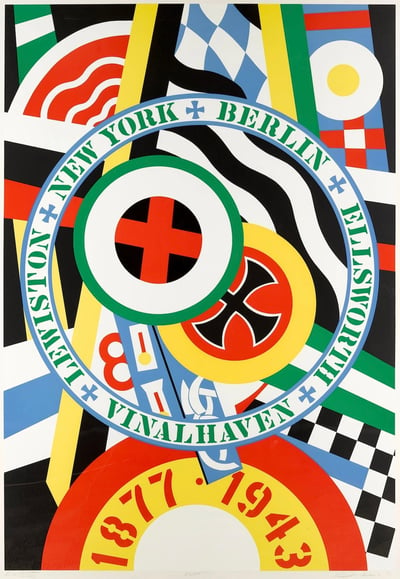
Robert Indiana
The Hartley Elegies: The Berlin Series- KvF IV, 1990
Limited Edition Print
Serigraph
USD 7,900

Robert Indiana
The Hartley Elegies: The Berlin Series - KvF III, 1990
Limited Edition Print
Serigraph
USD 7,900
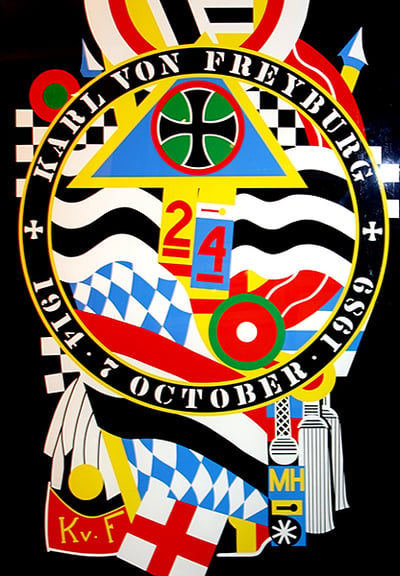
Robert Indiana
The Hartley Elegies: The Berlin Series - KvF I, 1990
Limited Edition Print
Serigraph
USD 7,900
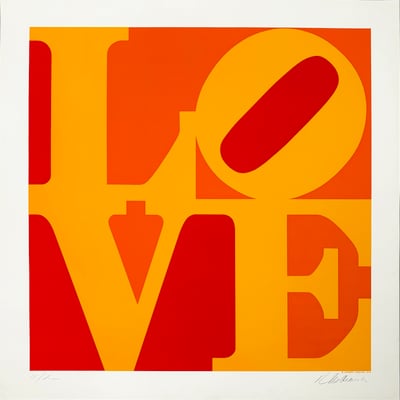
Robert Indiana
Golden Love, 1973
Limited Edition Print
Screen-print
Currently Not Available

Robert Indiana
Love, 1996
Limited Edition Print
Screen-print
Currently Not Available
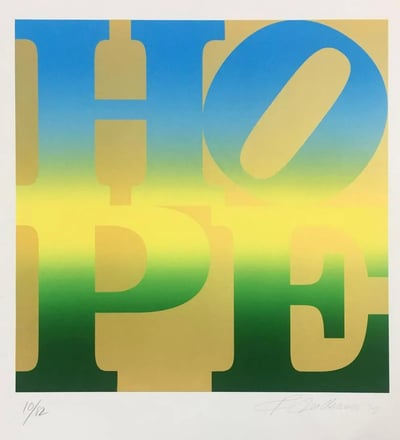
Robert Indiana
Summer (Four Seasons of Hope), 2012
Limited Edition Print
Screen-print
Currently Not Available
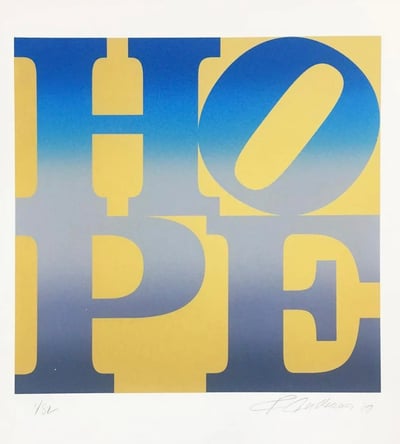
Robert Indiana
Winter (Four Seasons of Hope), 2012
Limited Edition Print
Screen-print
Currently Not Available

Robert Indiana
Love (monument), 1966 - 1999
Sculpture / Object
Mixed Media
Currently Not Available
Related Artists

Related Articles
Art Movements - March 28, 2024
Lettrism: The Alphabet as Art
Discover Lettrism, the art of the alphabet! Explore how artists like Isidore Isou redefined letters as visual art, blending poetry, design, and modern expression.Read More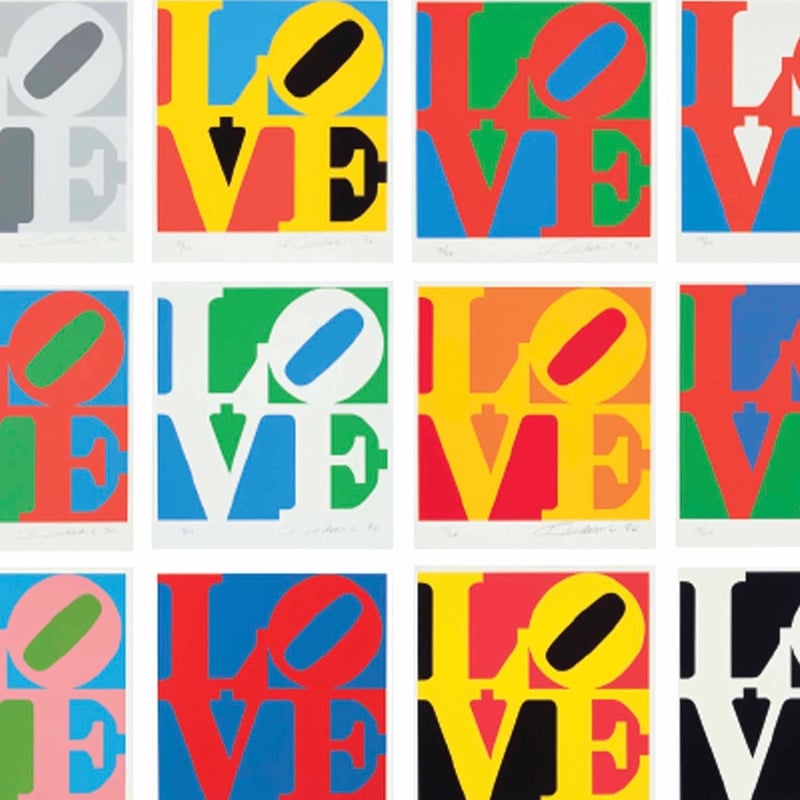


What is pop-art?
Pop Art is an art movement that began in Britain in 1955 and in the late 1950s in the U.S. It challenged traditional fine arts by incorporating imagery from popular culture, such as news, advertising, and comic books. Pop Art often isolates and recontextualizes materials, combining them with unrelated elements. The movement is more about the attitudes and ideas that inspired it than the specific art itself. Pop Art is seen as a reaction against the dominant ideas of Abstract Expressionism, bringing everyday consumer culture into the realm of fine art.