From the NOBEL PRIZE portfolio
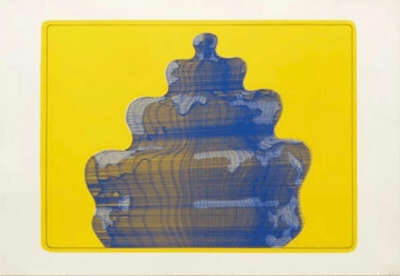
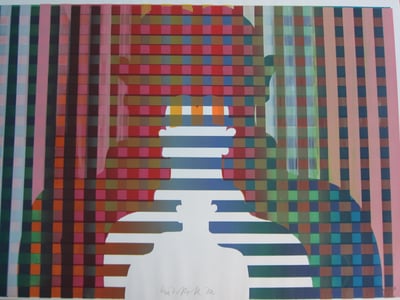
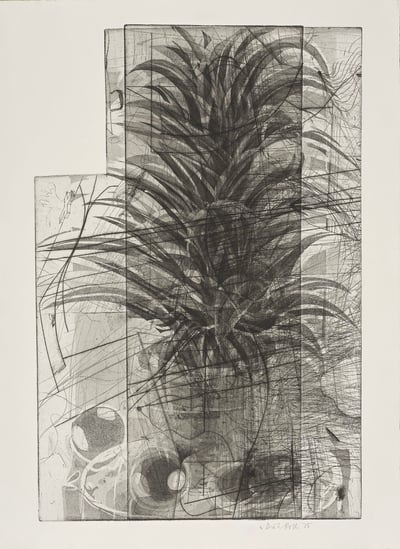
- Aquatint and drypoint from 2 copper plates - dobke 323
- Signed in pencil
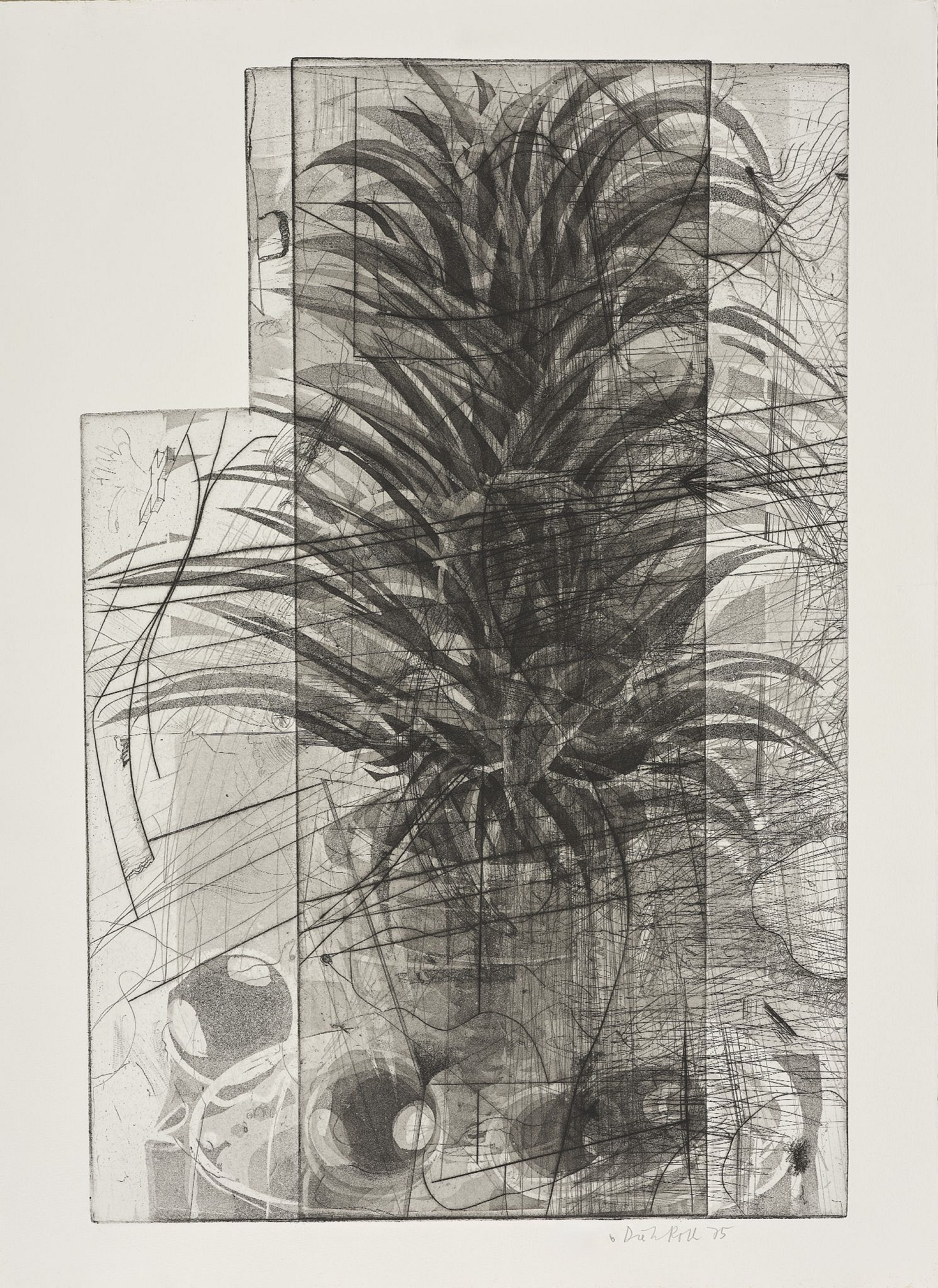
Steep Potplant by Dieter Roth, created in 1975, is a drypoint print that displays Roth's experimental approach to printmaking. Part of the Nobel Prize portfolio, this work combines aquatint and drypoint techniques on two copper plates, resulting in a complex layering effect. The central image is a densely drawn potted plant, with overlapping lines and textures that create a dynamic sense of movement within the composition. The monochromatic palette and intricate line work imbue the plant with a somewhat abstracted quality, as if capturing the vitality and growth of nature through an intense, almost chaotic structure. Roth’s signature and the unique qualities of drypoint etching lend this limited-edition print an exclusive and organic character.
Dieter Roth (Switzerland, 1930–1998) was a multifaceted artist known for his innovative use of materials, including decaying food, in sculptures and installations. His work often explored themes of transformation and impermanence, challenging traditional art boundaries. Roth's contributions significantly influenced contemporary art practices.
DrypointDrypoint is an intaglio printmaking technique where an image is incised onto a plate using a sharp, pointed tool, typically a needle made of metal or diamond. Traditionally, copper plates were used, but today zinc, plexiglass, or acetate are also common. Drypoint is easier for drawing artists to master compared to engraving, as the needle technique resembles drawing with a pencil rather than the more complex burin used in engraving.
From the NOBEL PRIZE portfolio
- Aquatint and drypoint from 2 copper plates - dobke 323
- Signed in pencil
Steep Potplant by Dieter Roth, created in 1975, is a drypoint print that displays Roth's experimental approach to printmaking. Part of the Nobel Prize portfolio, this work combines aquatint and drypoint techniques on two copper plates, resulting in a complex layering effect. The central image is a densely drawn potted plant, with overlapping lines and textures that create a dynamic sense of movement within the composition. The monochromatic palette and intricate line work imbue the plant with a somewhat abstracted quality, as if capturing the vitality and growth of nature through an intense, almost chaotic structure. Roth’s signature and the unique qualities of drypoint etching lend this limited-edition print an exclusive and organic character.
Dieter Roth (Switzerland, 1930–1998) was a multifaceted artist known for his innovative use of materials, including decaying food, in sculptures and installations. His work often explored themes of transformation and impermanence, challenging traditional art boundaries. Roth's contributions significantly influenced contemporary art practices.
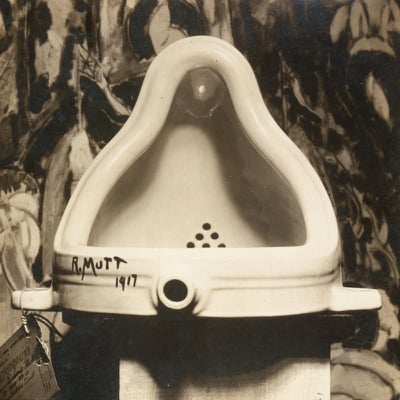
An eyewitness account is evidence that an artist has proposed a work of art.
- Dieter Roth
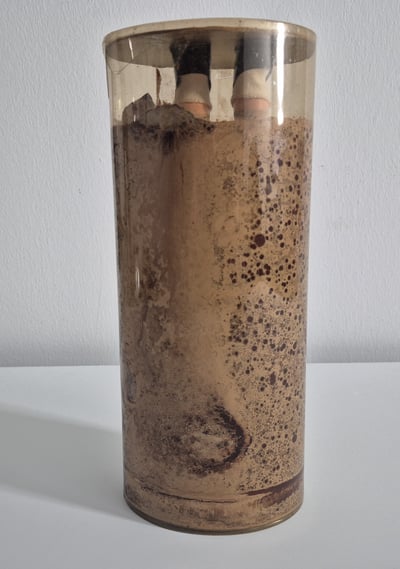
Dieter Roth, also known as Dieter Rot and Diter Rot, was a German-born Icelandic artist most known for his artist’s books, sculptures, and installations, although he worked in drawing and painting as well. He worked with the Concrete, Fluxus, Op, and Maximalism art movements, though he was not fully committed to any specific movement. Much of Dieter Roth's early career was spent in Iceland, which was isolated from most of the European modernist movements, so Dieter Roth had the opportunity to develop a unique aesthetic. Dieter Roth’s work used a wide variety of unconventional mediums, including found material, biodegradable material, and food. Sculpture material included chocolate, banana, cheese, and rabbit excrement. Dieter Roth’s major contribution was creating the modern artist’s book. A key work is Literaturwurst (Literature Sausage, 1961 – 1964), which was made by processing and binding published text as sausage, and affixing the cover of the book to the sausage wrapper. These sausage books were the forerunner to later pieces that used food as the medium, often rotting food. The most well-known was the Staple Cheese (A Chase) exhibition, a series featuring suitcases filled with cheese along with cheese mounted on the gallery walls. The cheese would rot and degrade over time. Dieter Roth focused on large installations in the 1980s and 90s. His most famous work of this period was Gartenskulptor (Garden Sculpture), which was a constantly evolving installation featuring various diverse art pieces mounted on trellises. The installation was assembled and re-assembled in various gardens, and later indoors.
A found object is a term used to describe a man-made or natural object, or a fragment of one, that an artist discovers or purchases and keeps for inspiration or as a work of art. The artist may also modify the object or incorporate it into a collage or assemblage, transforming it into a new piece of art.