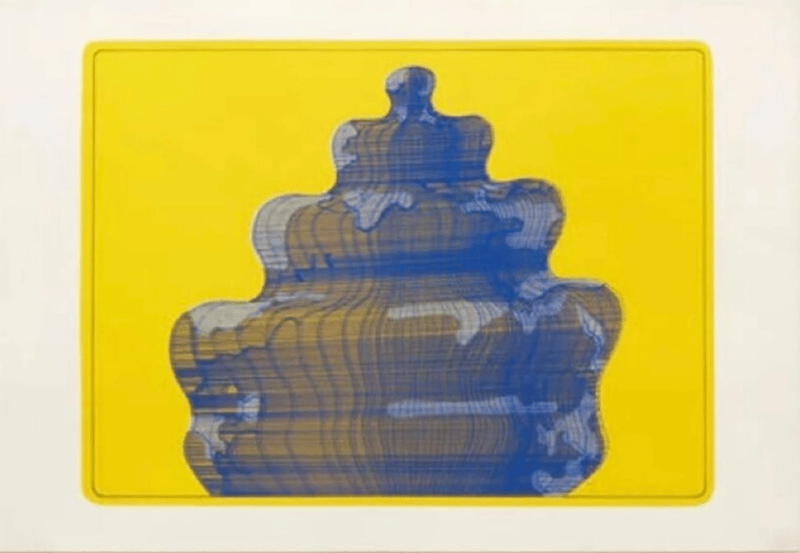
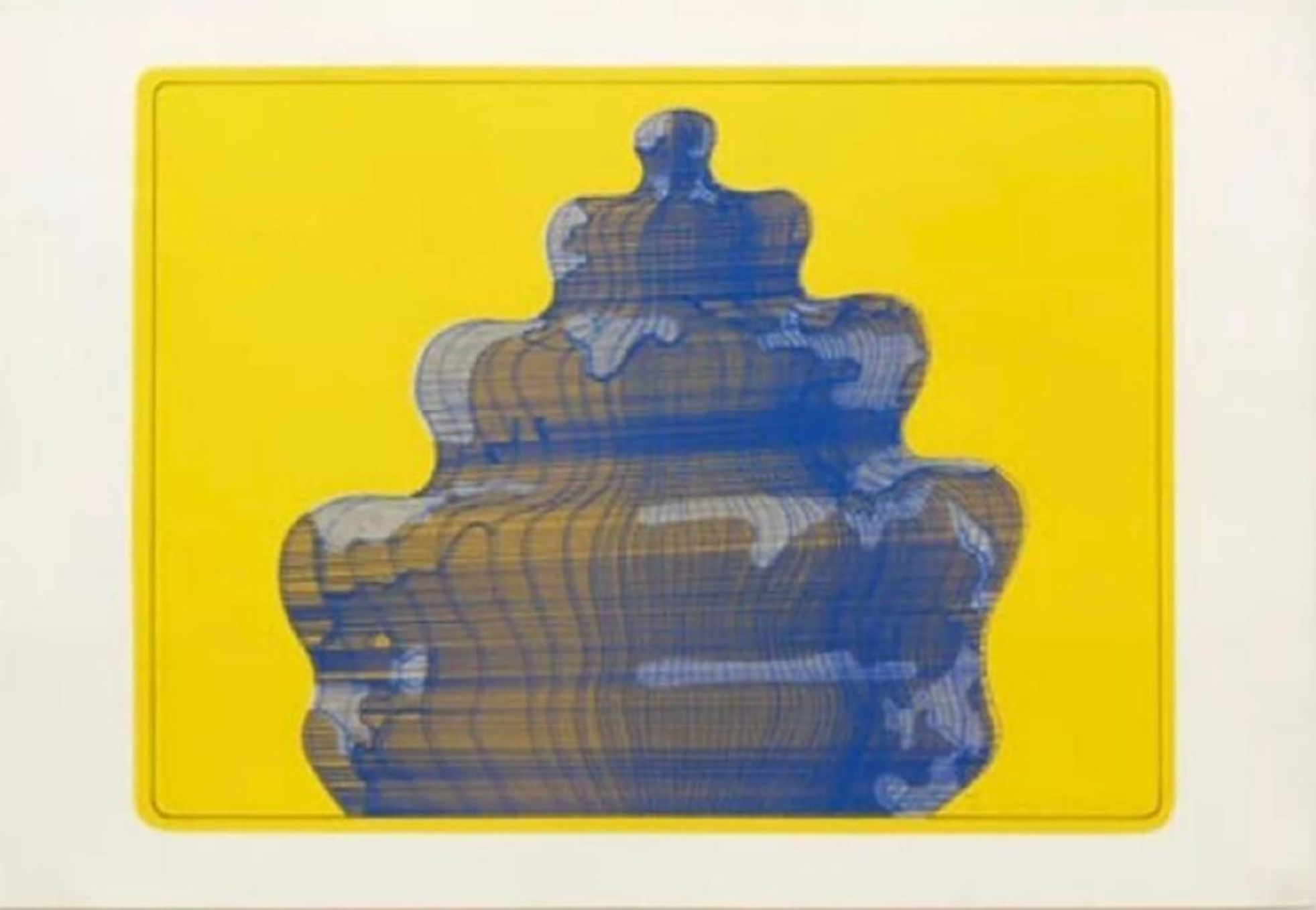
Torte in der Sonne (Fancy-Cake in the Sun), 1970
Form
Medium
Size
- Inches
- Centimeters
Edition
Price
- USD
- EUR
- GBP
- CHF
- Authenticity Guaranteed
- Insured Shipping
- Online Since 2005
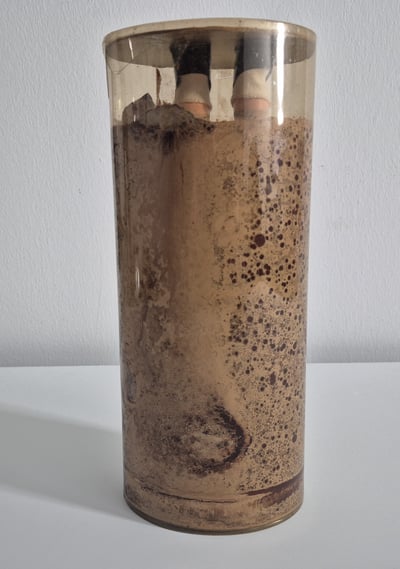
Dieter Roth
Untitled (Puppe in Schokolade), 1969
Sculpture / Object
Mixed Media
EUR 3,600
Dieter Roth
Torte in der Sonne (Fancy-Cake in the Sun), 1970
Limited Edition Print
Screen-print
GBP 4,200
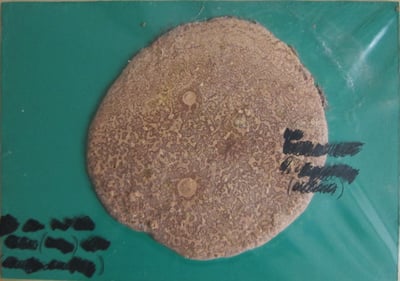
Dieter Roth
Self-portrait, 1969
Limited Edition Print
Mixed Media
EUR 3,000
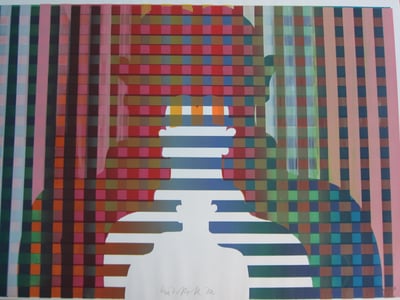
Dieter Roth
Selbstbildnis als Loch, 1972
Limited Edition Print
Screen-print
EUR 3,100
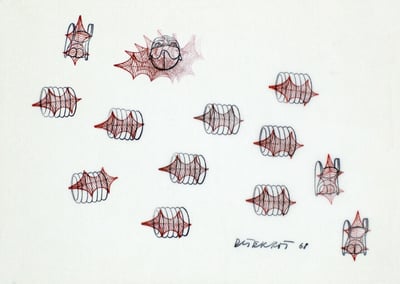
Dieter Roth
Stamp images, 1968
Limited Edition Print
Mixed Media
EUR 1,350
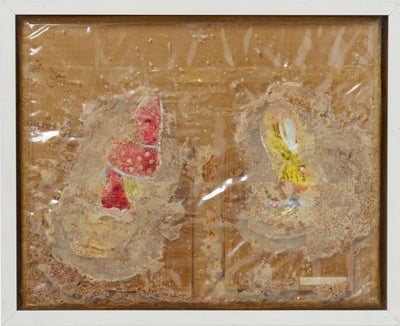
Dieter Roth
Lauf der Welt, 1970
Limited Edition Print
Mixed Media
EUR 3,000
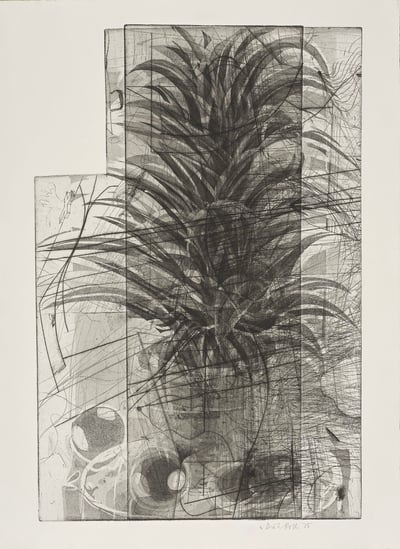
Dieter Roth
Steep Potplant, 1975
Limited Edition Print
Drypoint
USD 2,200
Related Artists
Related Articles

Popular, News, Artists - February 27, 2026
The Sovereign Self: Tracey Emin’s A Second Life at Tate Modern (2026) and the Evolution of a Global Market
Tracey Emin’s A Second Life at Tate Modern (2026) redefines her legacy, signaling institutional canonisation and a maturing global market.Read More

What is Performance Art?
Performance Art is a genre of fine art that is traditionally interdisciplinary, involving various art forms. It can be scripted or unscripted, random or carefully orchestrated, spontaneous, or meticulously planned, with or without audience participation. Performance Art can be presented live or through media, with the artist either present or absent. It typically involves four basic elements: space, the performer’s body or presence through a medium, time, and the relationship between performer and audience. The artwork consists of actions performed by an individual or group in a specific time and space.

Dieter Roth
Torte in der Sonne (Fancy-Cake in the Sun), 1970
62.5 x 90 cm


