
Intervals 3 (Green/Purple), 2021
Form
Medium
Size
- Inches
- Centimeters
Edition
Price
- Authenticity Guaranteed
- Insured Shipping
- Online Since 2005

Bridget Riley
Magenta and Green, 2002
Limited Edition Print
Screen-print
GBP 18,500 – 23,000

Bridget Riley
Carnival, 2000
Limited Edition Print
Screen-print
GBP 16,000 – 19,500

Bridget Riley
June, 1992
Limited Edition Print
Screen-print
GBP 38,000 – 47,500

Bridget Riley
Green Dominance, Blue Dominance, Red Dominance (set of 3), 1077
Limited Edition Print
Screen-print
Inquire For Price

Bridget Riley
Cherub, 2020
Limited Edition Print
Screen-print
GBP 7,000 – 9,100

Bridget Riley
Elapse, 1982
Limited Edition Print
Screen-print
GBP 18,000 – 23,000

Bridget Riley
Untitled (Rothko Portfolio), 1973
Limited Edition Print
Screen-print
GBP 16,000 – 20,000

Bridget Riley
Serpentine, 1999
Limited Edition Print
Screen-print
GBP 12,000 – 15,600

Bridget Riley
Brouillard, 1981-2003
Limited Edition Print
Screen-print
Inquire For Price

Bridget Riley
Around, 2011
Limited Edition Print
Screen-print
GBP 12,500 – 16,200

Bridget Riley
Echo, 1998
Limited Edition Print
Screen-print
GBP 16,000 – 20,800
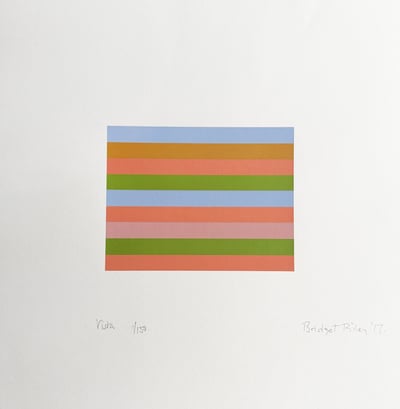
Bridget Riley
Vista, 2017
Limited Edition Print
Screen-print
GBP 10,500 – 13,000
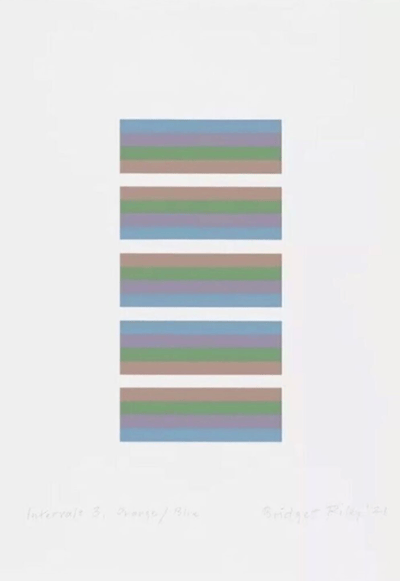
Bridget Riley
Intervals 3 - Orange / Blue, 2021
Limited Edition Print
Screen-print
GBP 10,800
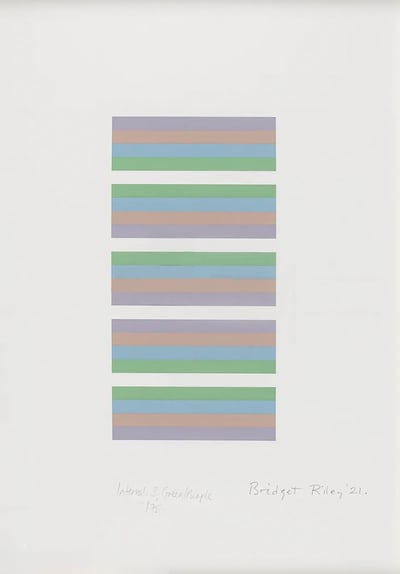
Bridget Riley
Intervals 3 (Green/Purple), 2021
Limited Edition Print
Screen-print
GBP 7,000 – 10,000

Bridget Riley
About Lilac, 2007
Limited Edition Print
Screen-print
GBP 9,000 – 12,000

Bridget Riley
Two Blues, 2003
Limited Edition Print
Screen-print
USD 14,000 – 16,000

Bridget Riley
Coloured Greys (2), 1972
Limited Edition Print
Screen-print
GBP 12,000 – 15,000
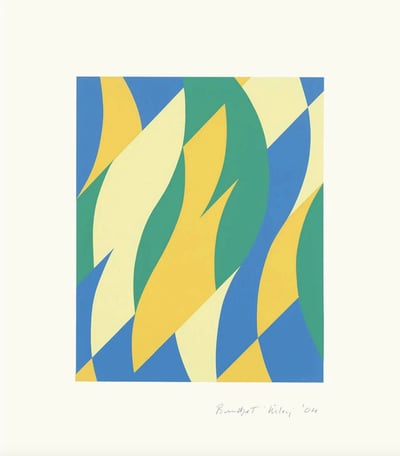
Bridget Riley
Fold, 2004
Limited Edition Print
Screen-print
GBP 21,000
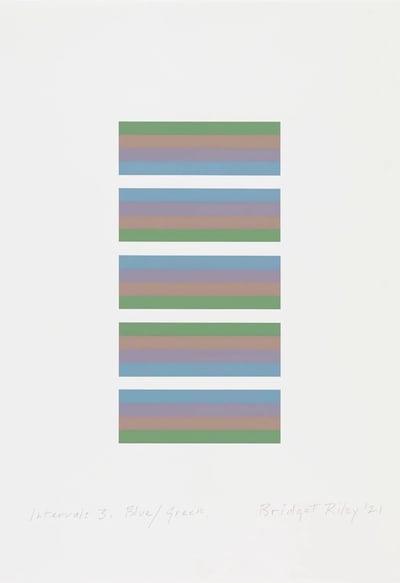
Bridget Riley
Intervals 3, Blue / Green, 2021
Limited Edition Print
Screen-print
GBP 8,900
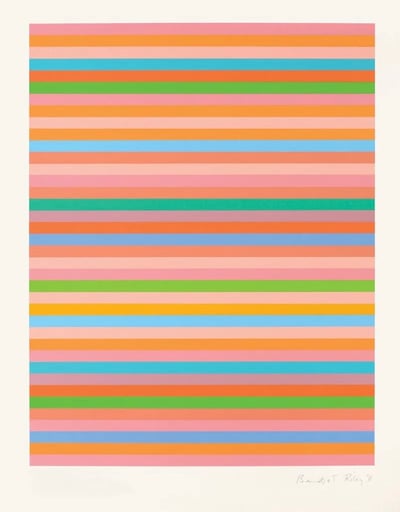
Bridget Riley
Rose Rose, 2011
Limited Edition Print
Screen-print
GBP 17,500
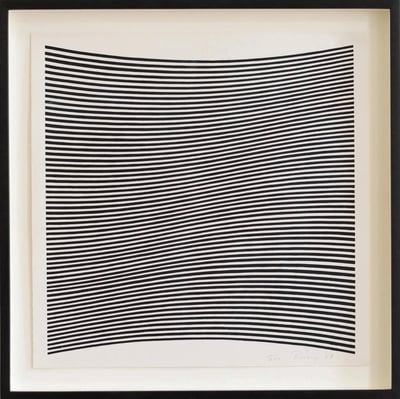
Bridget Riley
La Lune, 1965
Limited Edition Print
Screen-print
GBP 20,000 – 25,000
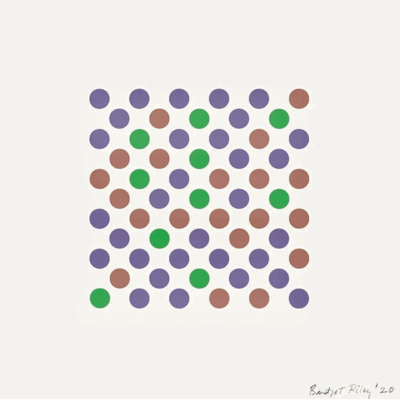
Bridget Riley
Measure For Measure, 2020
Limited Edition Print
Screen-print
GBP 9,000
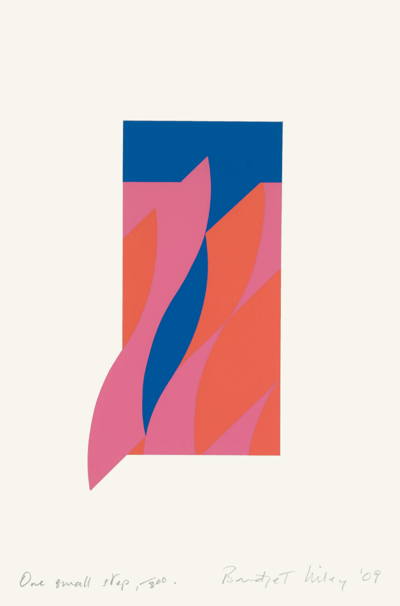
Bridget Riley
One small step, 2009
Limited Edition Print
Screen-print
GBP 10,500

Bridget Riley
Print for Chicago 8, 1971
Limited Edition Print
Screen-print
Currently Not Available

Bridget Riley
Going Across, 2001
Limited Edition Print
Silkscreen
Currently Not Available
Related Artists
Related Articles
Popular, Artists - January 27, 2025
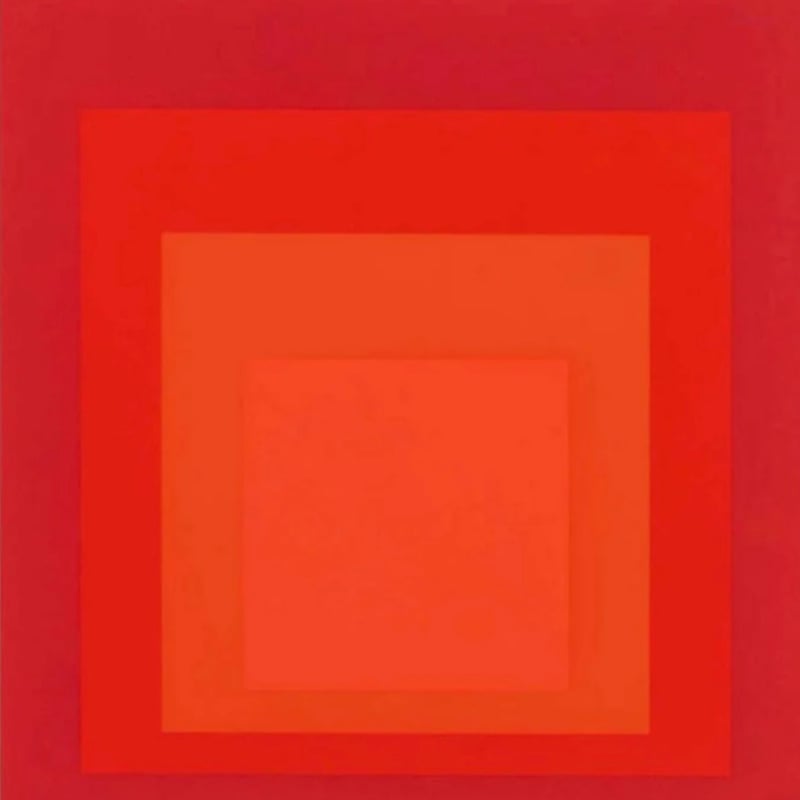
Josef Albers: Master of Color Interaction and Perception
Explore Josef Albers' groundbreaking work in color theory and perception. Discover how 'Homage to the Square' redefined art and continues to inspire today.Read More
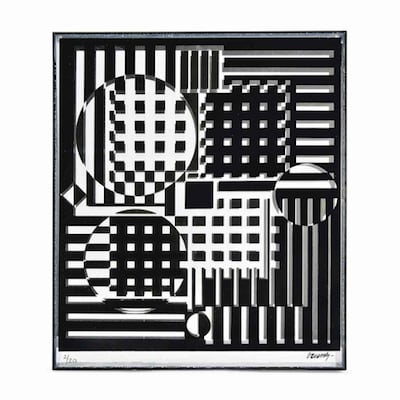
What is Op Art?
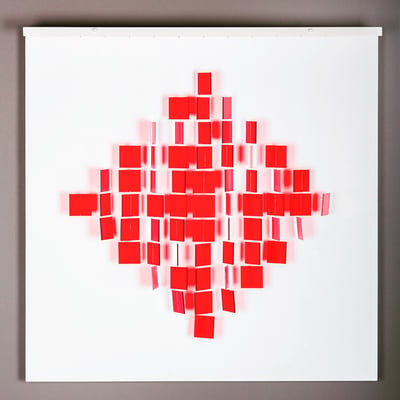
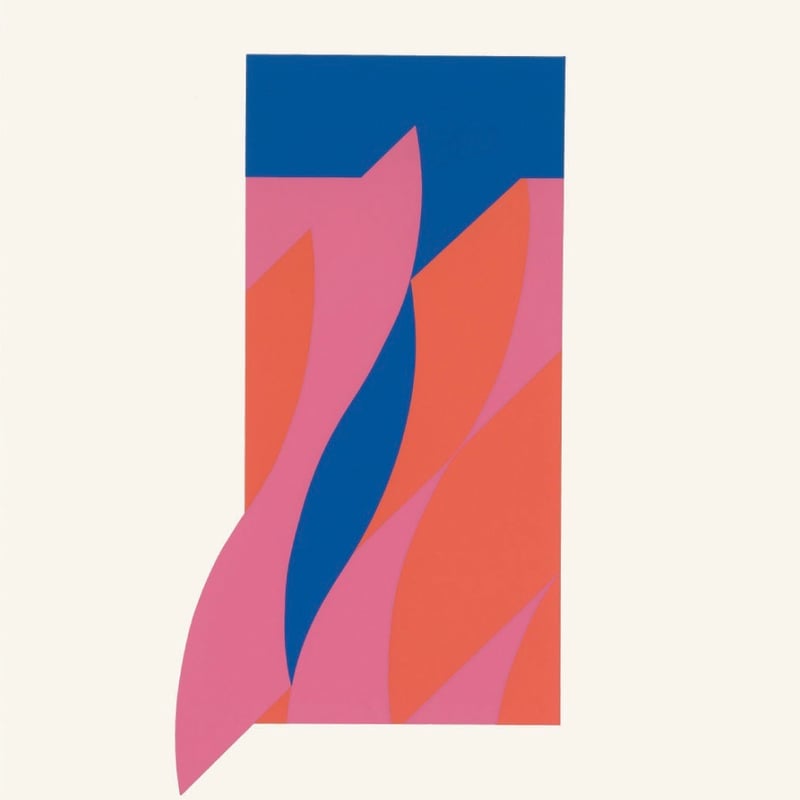
Op Art is a visual art style that uses optical illusions to create the impression of movement, vibrating patterns, flashing, or hidden images. The works are typically abstract, with many well-known pieces in black and white. The roots of Op Art can be traced back to earlier movements like Futurism, Constructivism, Dada, and Neo-Impressionism, particularly in their use of color effects and graphic design.

Bridget Riley
Intervals 3 (Green/Purple), 2021
55.9 x 38 cm


