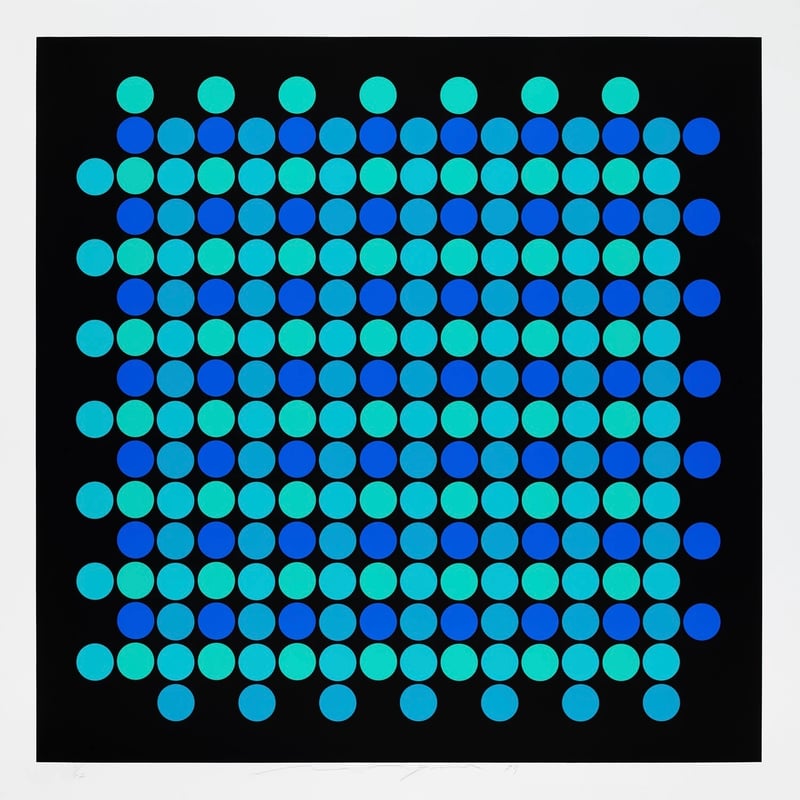
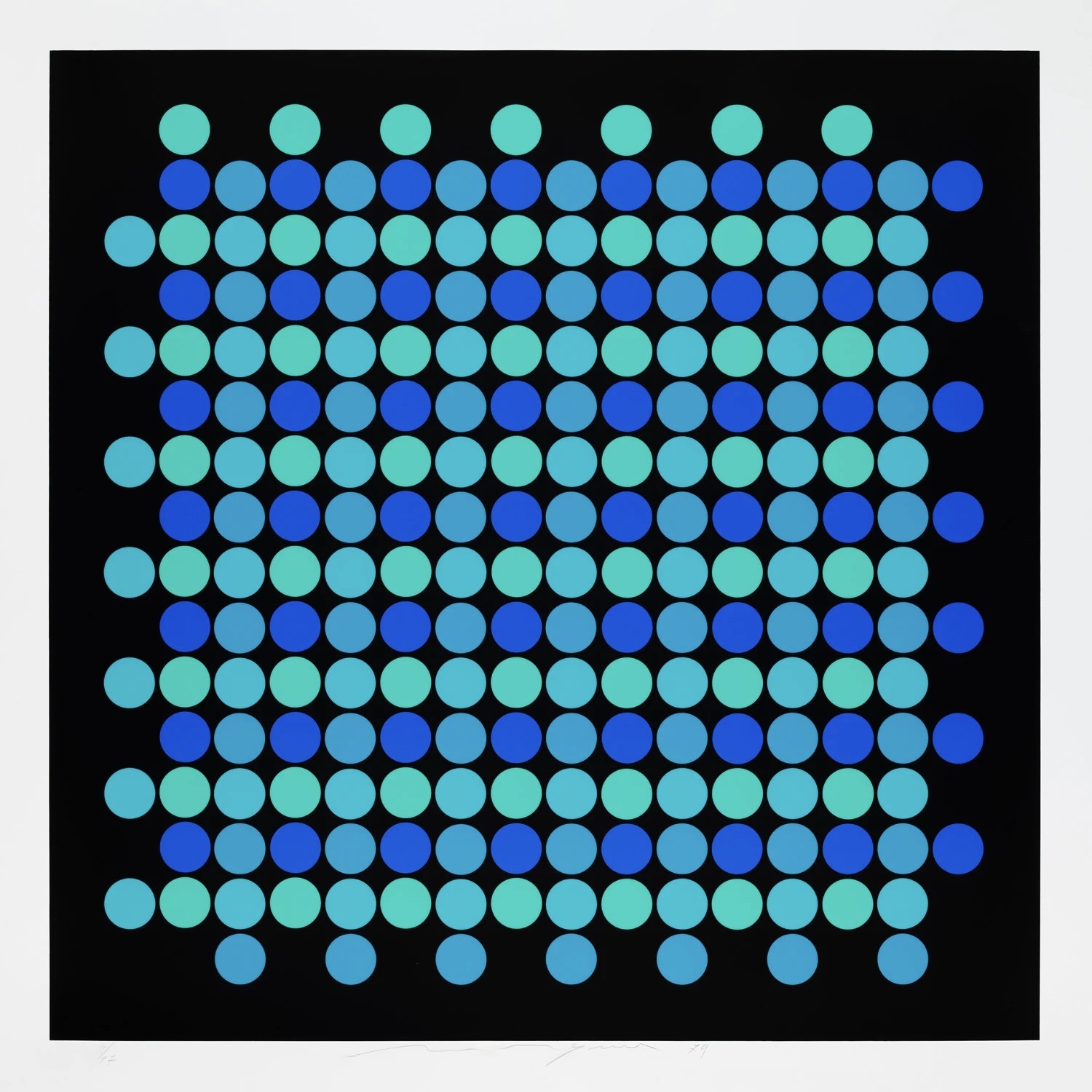
Untiteld from 9x5 Konkret Portfolio, 1979
Form
Medium
Size
- Inches
- Centimeters
Edition
Price
- USD
- EUR
- GBP
- CHF
- Authenticity Guaranteed
- Insured Shipping
- Online Since 2005
- Recently Added
- Price (Low-High)
- Price (High-Low)
- Year (Low-High)
- Year (High-Low)
Almir Mavignier
Untiteld from 9x5 Konkret Portfolio, 1979
Limited Edition Print
Screen-print
EUR 1,600
Almir Mavignier
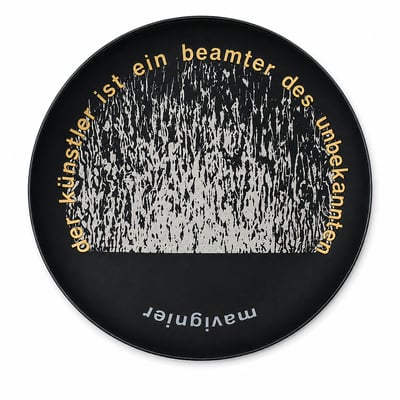
der künstler ist ein beamter....., 1979
Sculpture / Object
Plate
EUR 980
Almir Mavignier
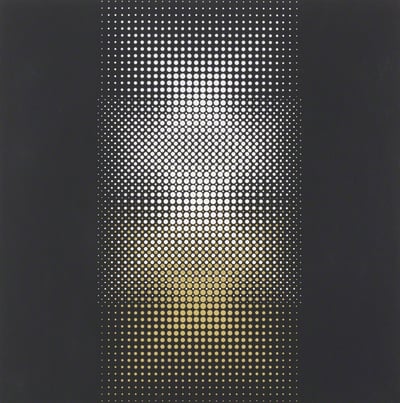
Komposition VI, 1965
Limited Edition Print
Lithograph
Currently Not Available
Related Artists
Related Articles
Popular, Artists, Art Movements, Collecting - August 23, 2026
The ZERO Movement: Collecting Günther Uecker and the Art of a New Beginning
Explore the ZERO Movement and learn how to collect Günther Uecker editions, from embossed prints and sand works to multiples, provenance and condition.Read More

What is the Zero Movement?
ZERO was an art movement founded by Otto Piene and Heinz Mack, aiming to develop into a large international and cross-border movement. The name ZERO originated from a magazine founded by Heinz Mack in 1957, which became a platform for the group's ideas. The magazine was published for several years before ceasing in 1967. The ZERO movement sought to create a new beginning in art, emphasizing light, space, and movement, and became influential in post-war European art.

Almir Mavignier
Untiteld from 9x5 Konkret Portfolio, 1979
59 x 59 cm


